Visual perception development Worksheets for Ages 7-9
3 filtered results
-
From - To
Enhance your child’s visual perception skills with our engaging worksheets designed for ages 7-9. These carefully crafted activities aim to strengthen crucial cognitive abilities, including the recognition of patterns, shapes, and spatial awareness. Our comprehensive resources not only foster important learning foundations but also spark creativity and critical thinking. Perfect for beginners or those looking to refine their skills, these worksheets offer a fun, interactive approach to learning. All materials are printable for easy access and can be used at home or in the classroom, ensuring that your child has everything they need to thrive in their educational journey. Start their learning adventure today!
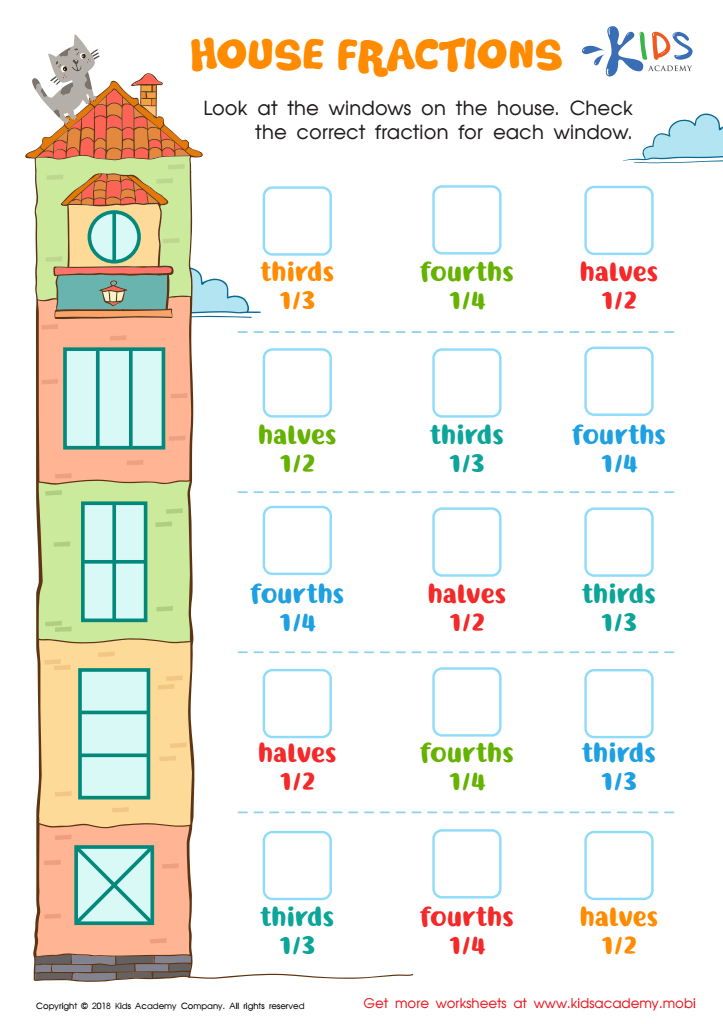
House Fractions Worksheet
 Assign to My Students







Visual perception development is crucial for children aged 7-9 as it lays the foundation for their academic success and daily functioning. During this age, children increasingly rely on visual skills to process information in reading, mathematics, and other subjects. For instance, recognizing shapes, letters, and patterns significantly contributes to reading fluency and comprehension.
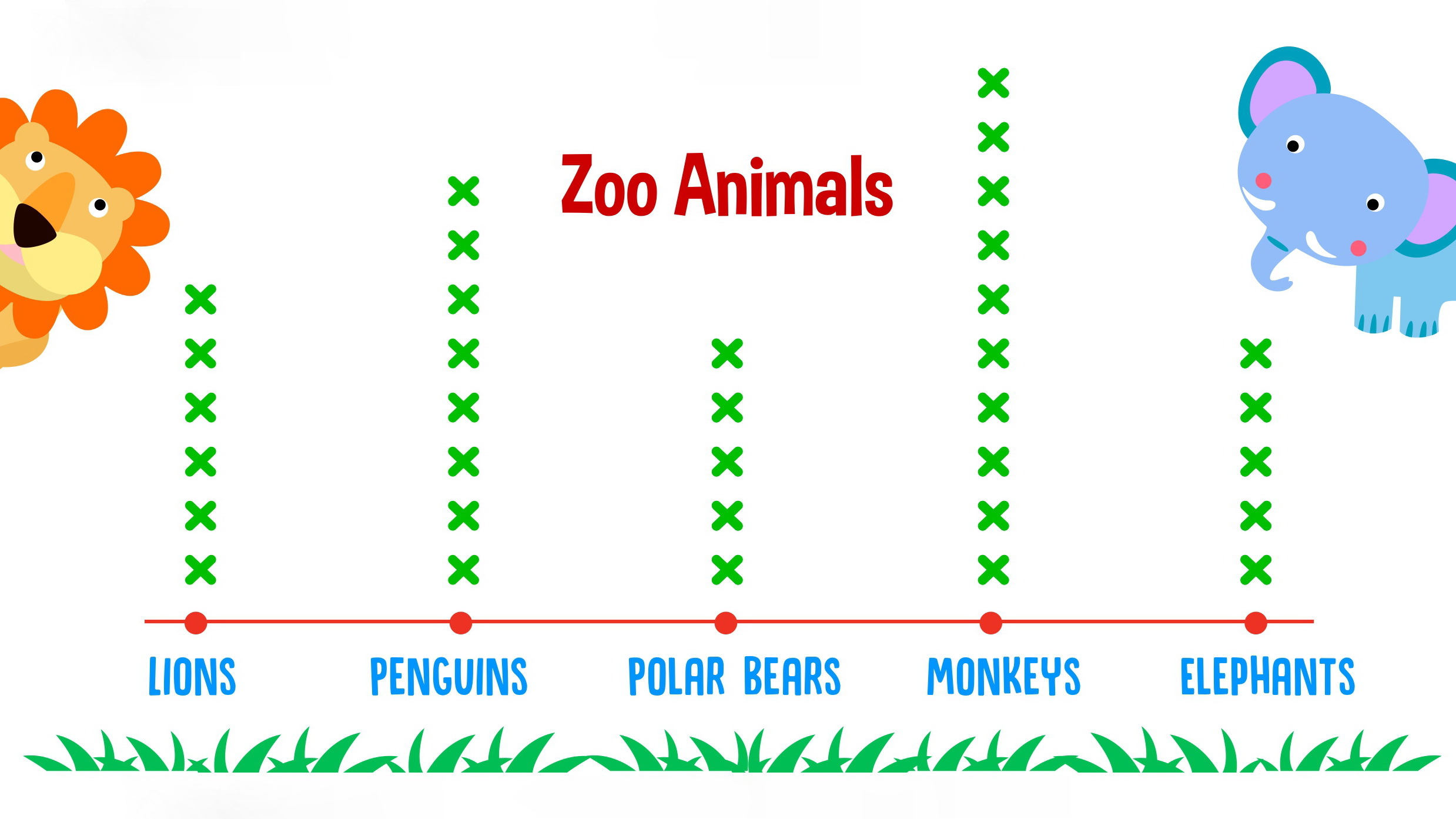
When visual perception is well-developed, children can easily interpret data from graphs and charts, enhancing their ability to engage in higher-level thinking and problem-solving tasks. Additionally, strong visual perception is vital for activities like writing and drawing. It aids in hand-eye coordination, allowing children to execute their thoughts and creativity effectively.
Moreover, visual perception impacts social interactions. Children who can read non-verbal cues, such as body language and facial expressions, build stronger relationships with peers and adults. Conversely, difficulties in visual perception can lead to frustration, decreased self-esteem, and potential behavioral issues.
Both parents and teachers play an essential role in nurturing these skills through targeted activities and games that promote visual tracking, discrimination, and memory. Raising awareness about this developmental aspect equips them to better support children in these formative years. Promoting visual perception development ultimately contributes to a well-rounded and successful learning experience.








