
Vocabulary improvement Worksheets for Ages 7-9
8 filtered results
Difficulty Level
Grade
Age
-
From - To
Subject
Activity
Standards
Elevate your child's language skills with our Vocabulary Improvement Worksheets designed for ages 7-9. Our engaging and educational worksheets enhance word knowledge, usage, and context comprehension, tailored to build a strong foundation in vocabulary. These resources include a variety of fun-filled activities, such as word searches, crosswords, and puzzles, to keep young learners motivated and excited. Perfect for both classroom use and home practice, our worksheets encourage independent learning while supporting essential reading and writing skills. Help your child expand their vocabulary and boost their confidence in communication with our expertly crafted materials.
Favorites
With answer key
Interactive
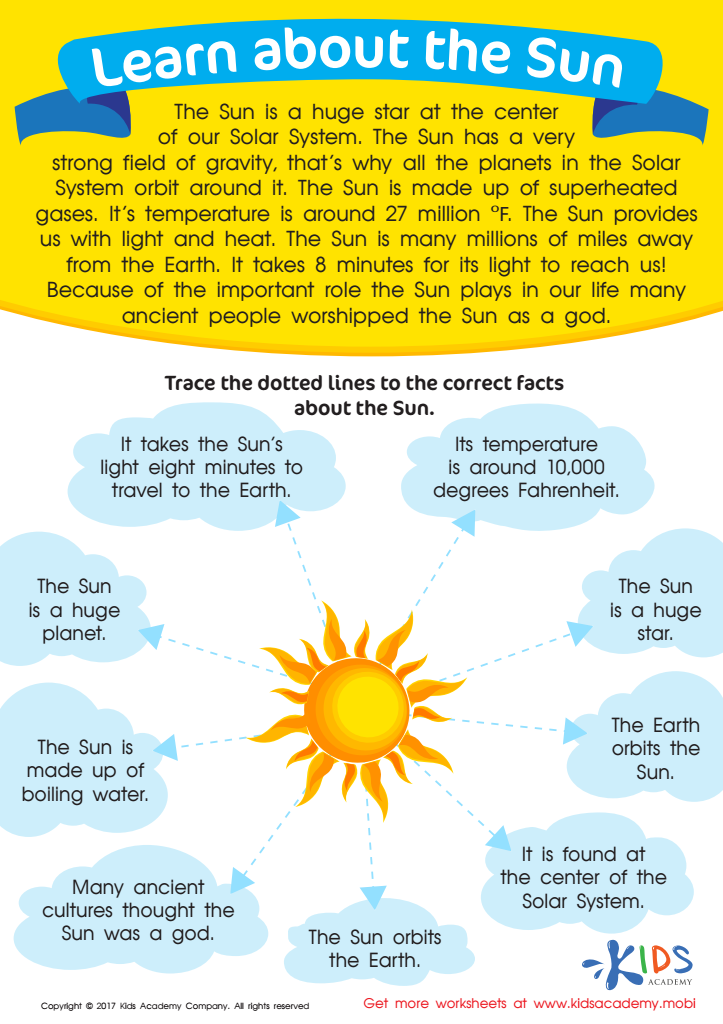
Sun Facts Worksheet
Test your child's reading comprehension with this sun facts PDF worksheet! It offers a quiz to help kids hone their knowledge on the sun. A fun way to learn, it puts their skills to the test!
Sun Facts Worksheet
Worksheet
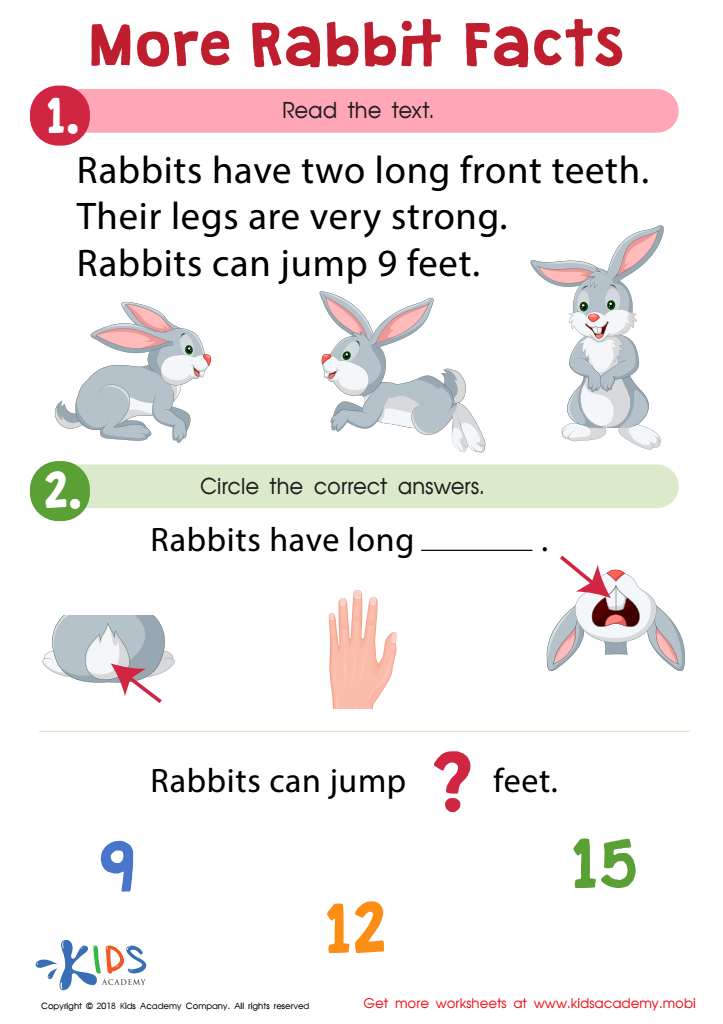
More Rabbit Facts Worksheet
Improve your child's reading comprehension skills with this fun worksheet! Read the paragraph at the top of the page, view the pictures and circle the correct answers indicating what was learned. Develop a better understanding of rabbits while learning how to recall important information from texts.
More Rabbit Facts Worksheet
Worksheet
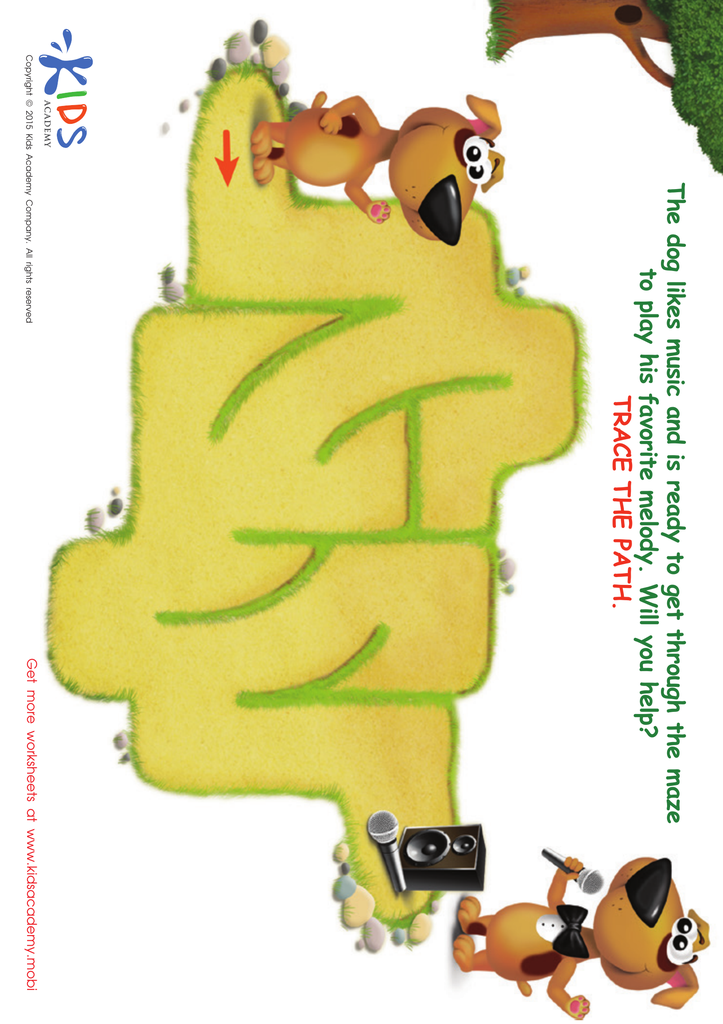
Singer Maze Worksheet
Download our printable maze worksheet and help the little dog find its way to the stage. Trace the path and have fun singing together!
Singer Maze Worksheet
Worksheet
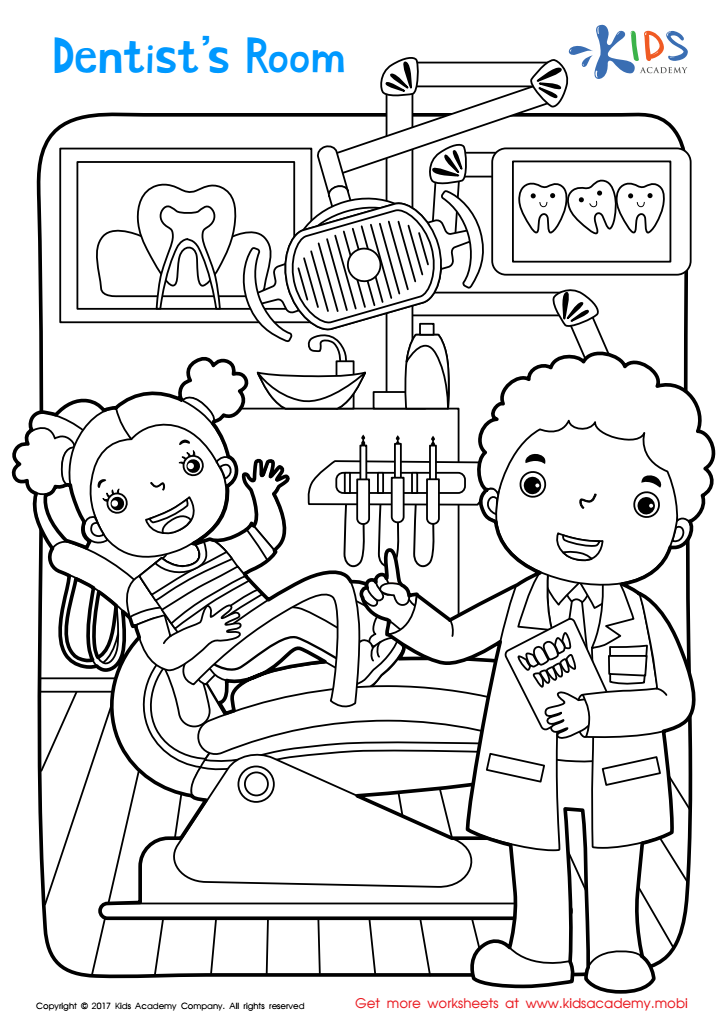
Dental Coloring Page Worksheet
Make your kid's dental visit fun and educational with our coloring page! It will help familiarize children with the dentist's office, from the chair to the tools. Plus, they'll learn about the dentistry profession.
Download (PDF)
 Assign to My Students
Assign to My Students
Dental Coloring Page Worksheet
Worksheet
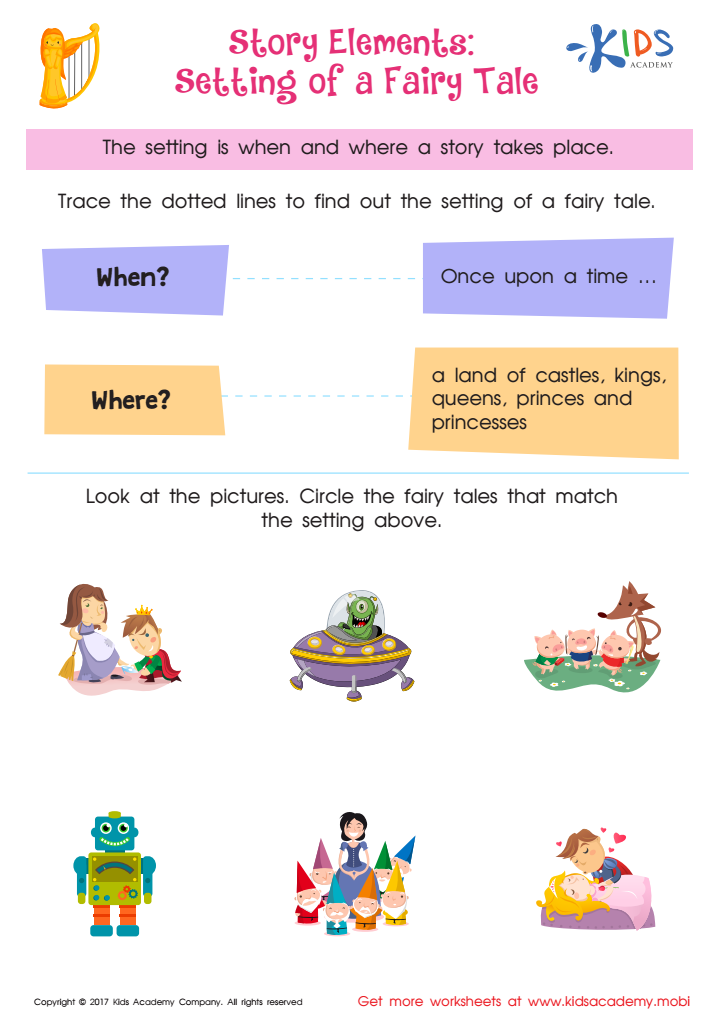
Story Elements: Setting of a Fairy Tale Printable
Help your child learn to analyze stories starting with setting. Use Story Elements worksheet to break down setting into two parts. This will help your child recognize setting quickly and understand its importance in the plot.
Story Elements: Setting of a Fairy Tale Printable
Worksheet
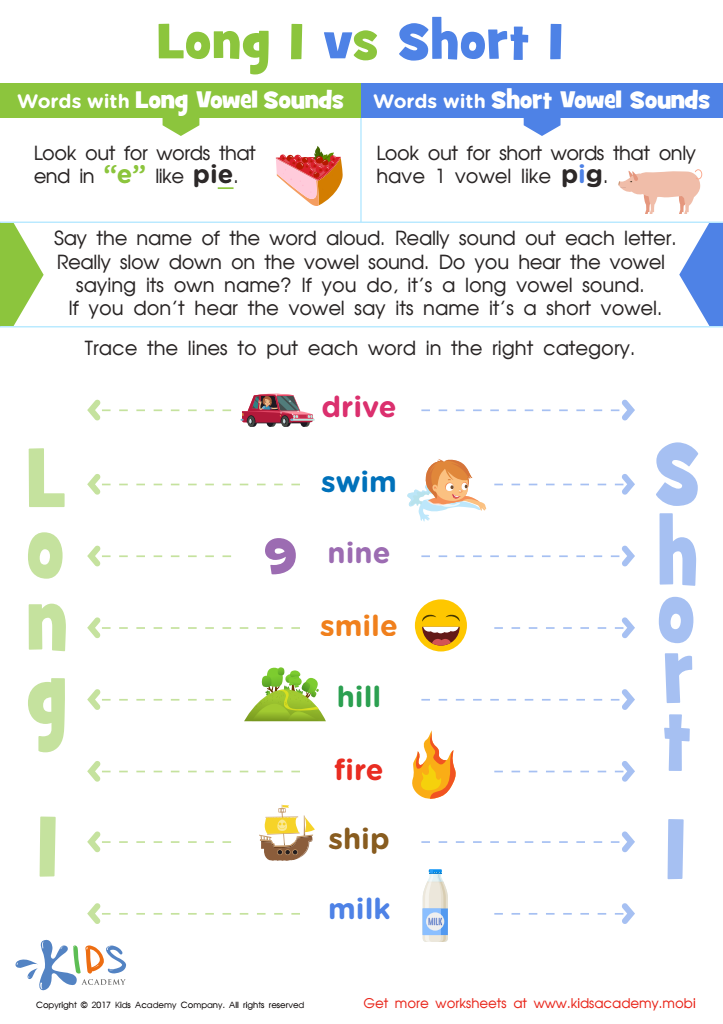
Long and Short Vowel I Spelling Worksheet
When it comes to long "I" sounds, kids should look out for the letter "E" at the end. With examples and sounding out words, kids will improve spelling skills with this long/short "I" worksheet!
Long and Short Vowel I Spelling Worksheet
Worksheet
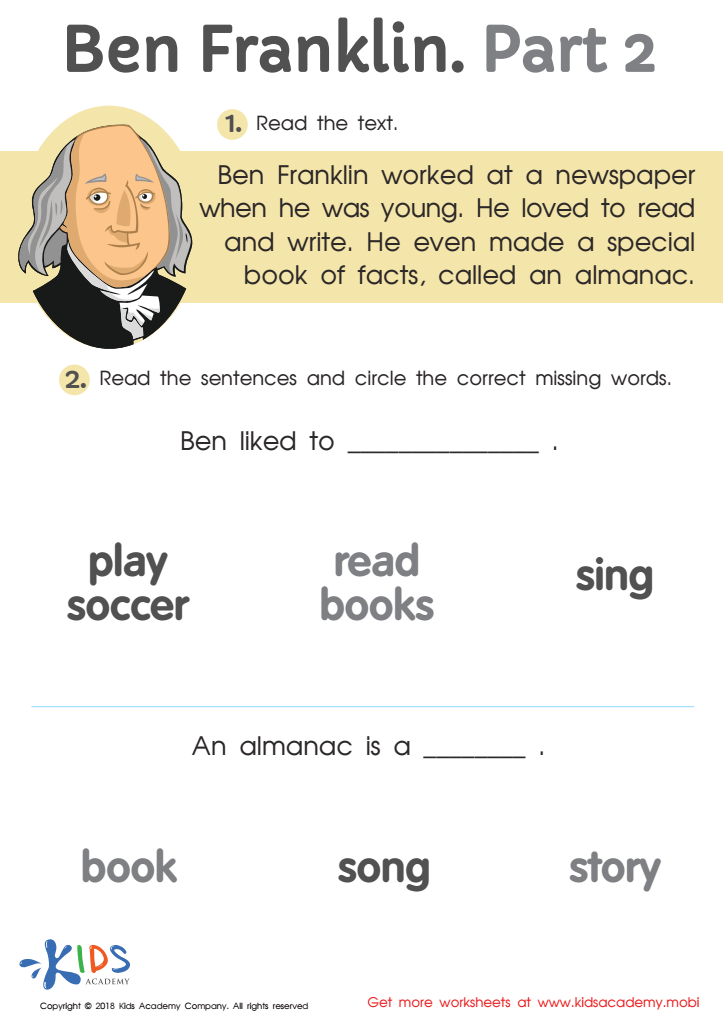
Ben Franklin Part 2 Worksheet
History is filled with great figures, like Benjamin Franklin. Let your kids in on the legacy by introducing them to the founder of the US fire department, diplomat, and inventor. Then, use a worksheet to have them fill in the blanks with the correct word to teach them more. Read the text, then read the sentences and have them circle the missing word.
Ben Franklin Part 2 Worksheet
Worksheet
Join Kids Academy for Free
Who is primarily going to use this learning content?






.jpg)

Vocabulary improvement for children aged 7-9 is crucial for several reasons that impact both academic success and personal development. During this formative stage, children's brains are highly receptive to learning new words and concepts, which can set the foundation for future language skills. A robust vocabulary enhances reading comprehension, allowing children to understand and enjoy a variety of texts. This, in turn, fosters a love for reading and learning, which are essential for lifelong success.
Expanding vocabulary also improves communication skills. Children with a richer vocabulary can express themselves more clearly and effectively, reducing frustration and increasing confidence in both social and academic settings. This improved self-expression is vital for building strong relationships with peers and adults.
In the academic realm, a strong vocabulary is linked to higher achievement in subjects across the curriculum, where instructions and problem-solving often rely on language skills. For instance, understanding mathematical word problems or grasping scientific concepts can be directly influenced by a child's language proficiency.
Moreover, early vocabulary development is a predictor of later academic performance and even career success. Therefore, parents and teachers should prioritize vocabulary improvement by engaging children in conversations, reading varied and rich literature, and incorporating playful, language-focused activities. This investment in vocabulary skills pays off in numerous aspects of a child's future.








