Understanding fractions Adding up to 100 Worksheets for Ages 7-9
51 filtered results
-
From - To
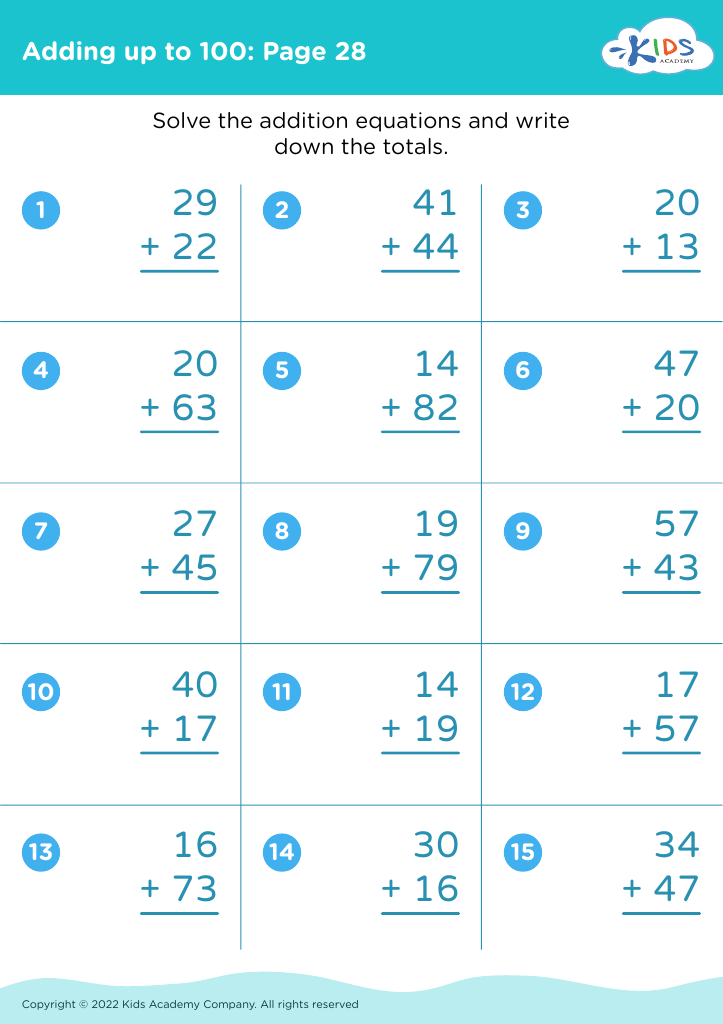
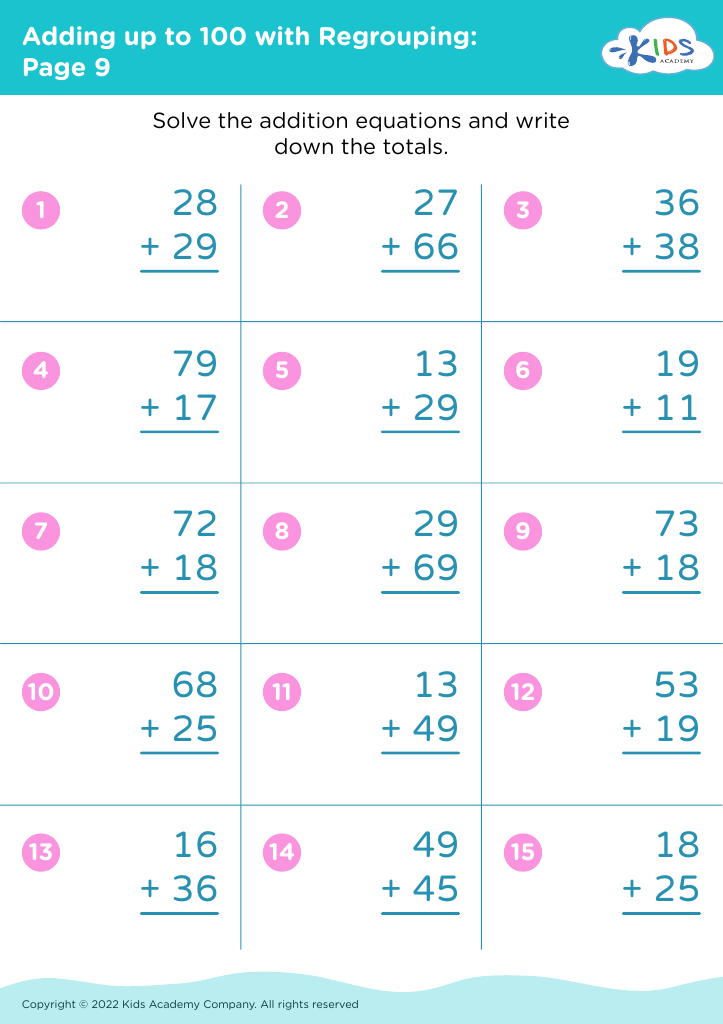
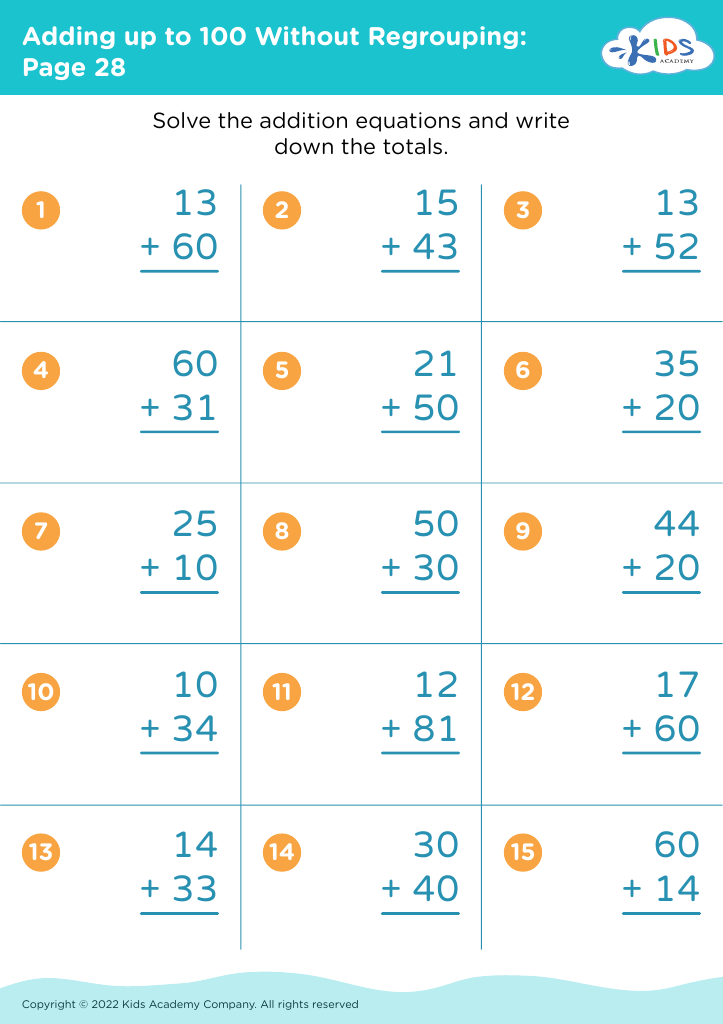
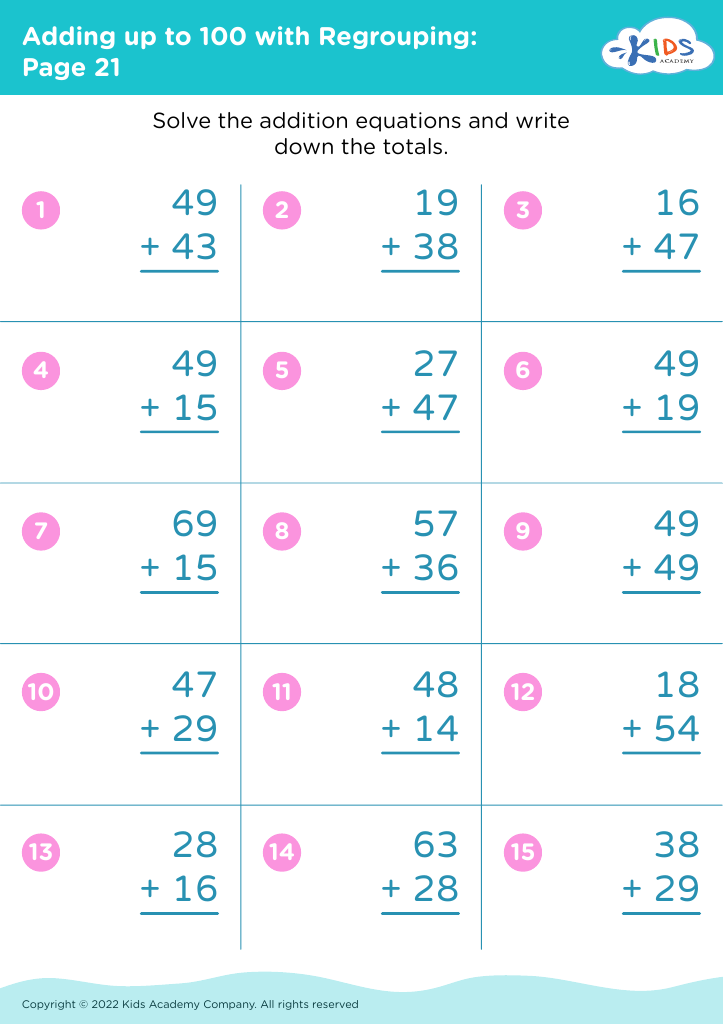
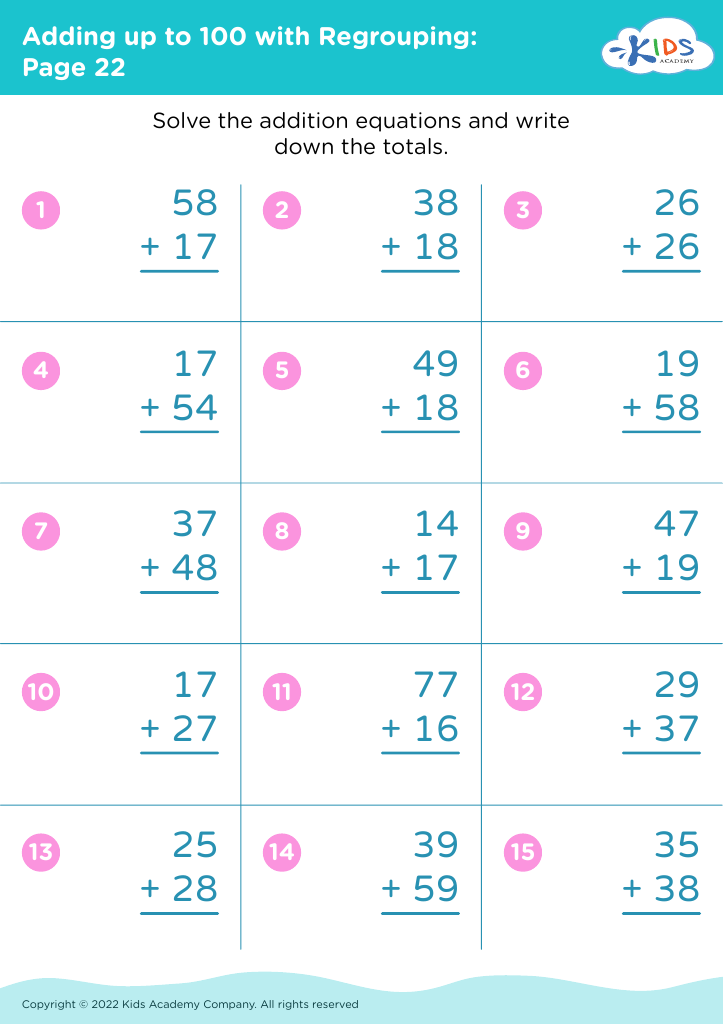
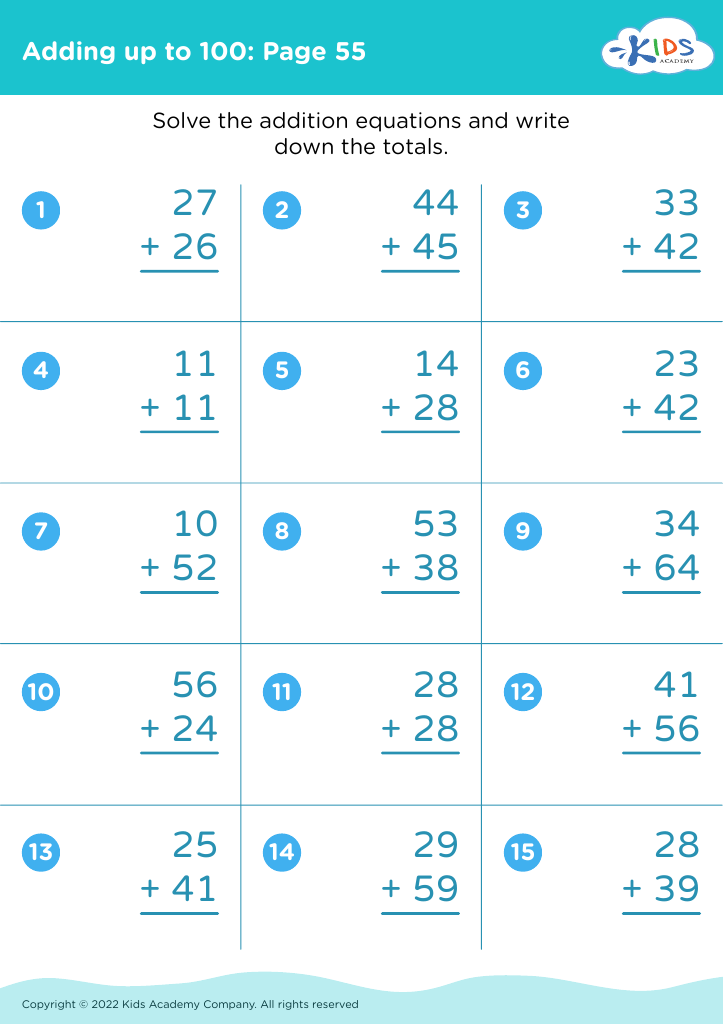
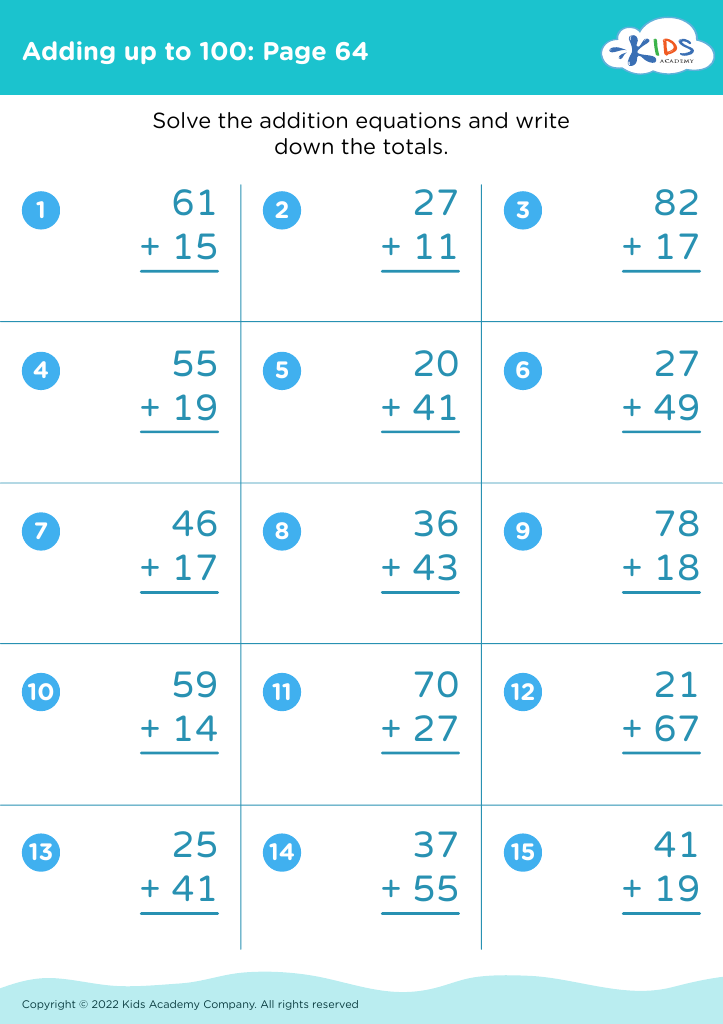
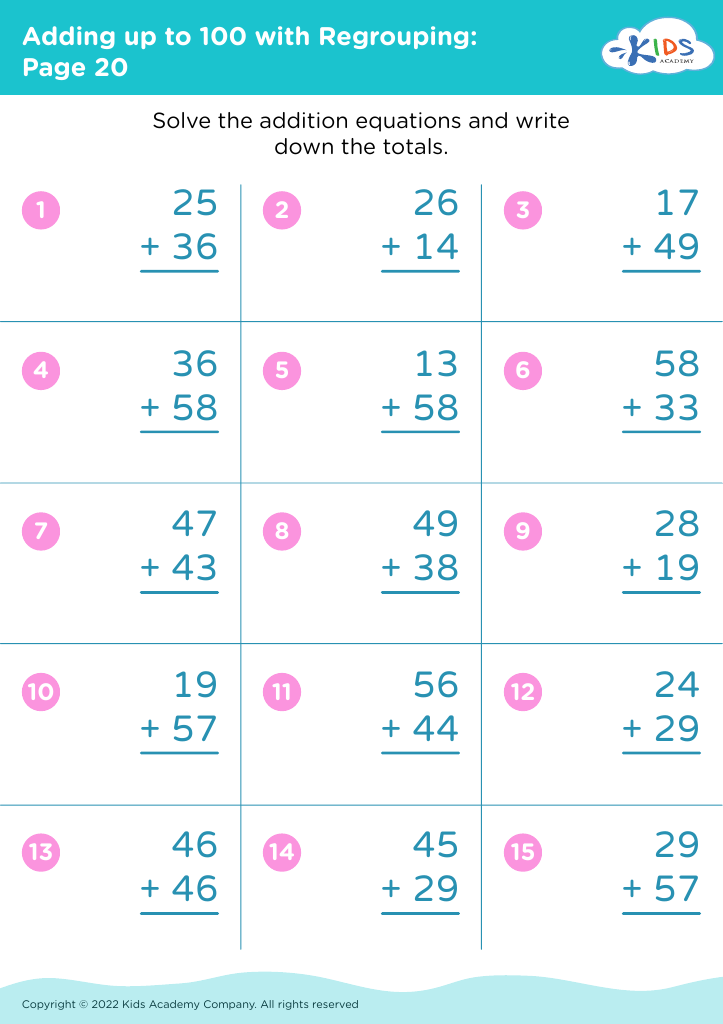
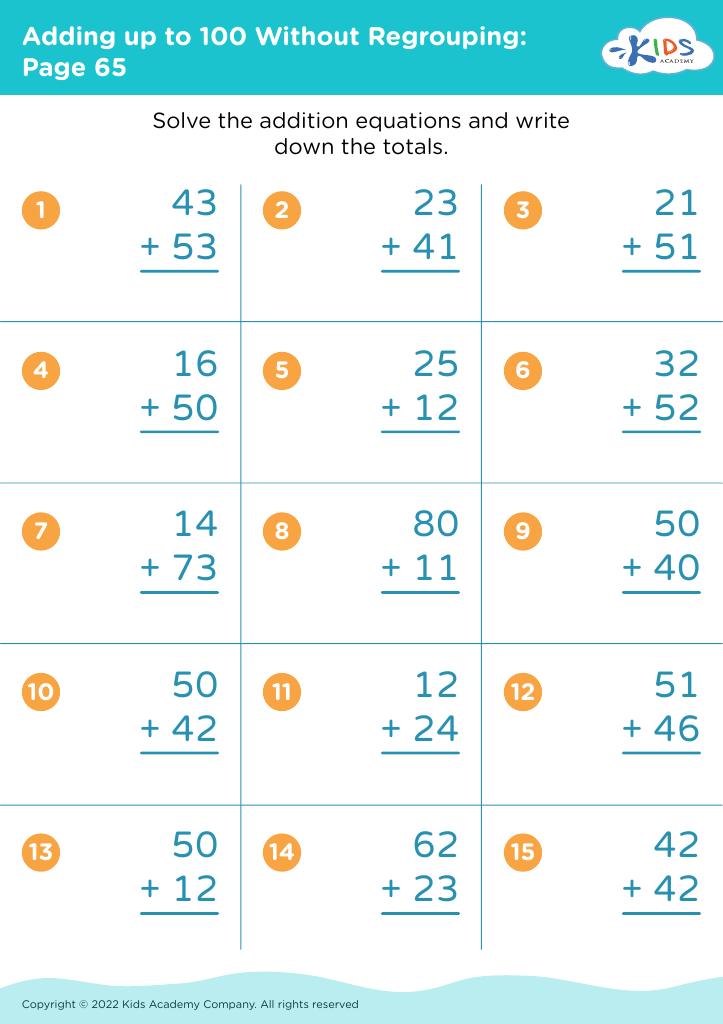
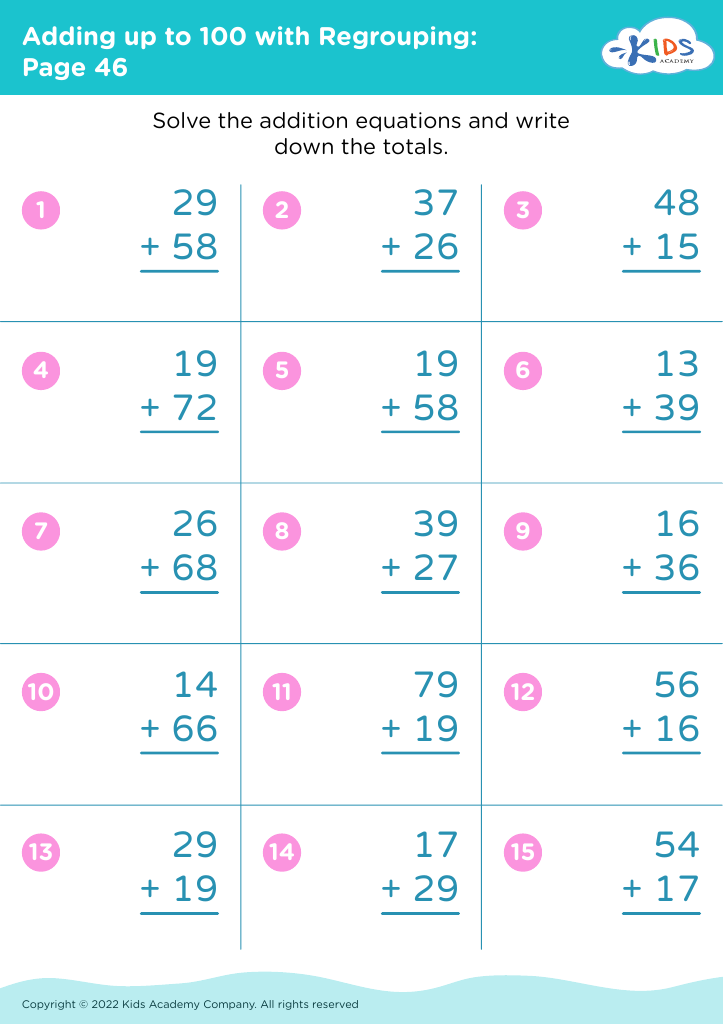
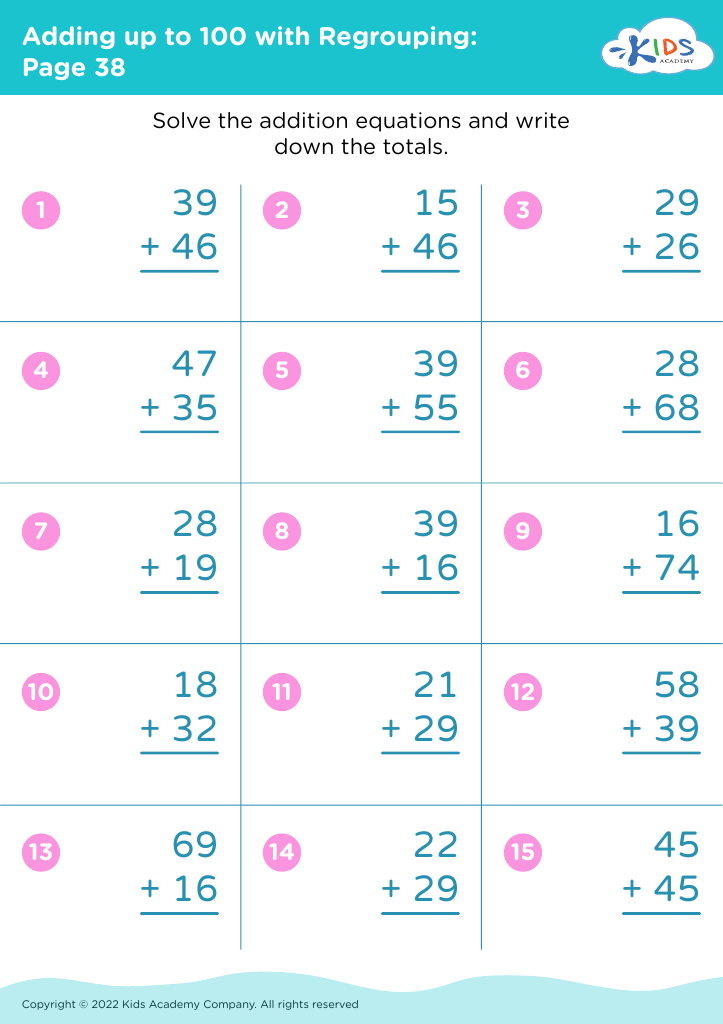
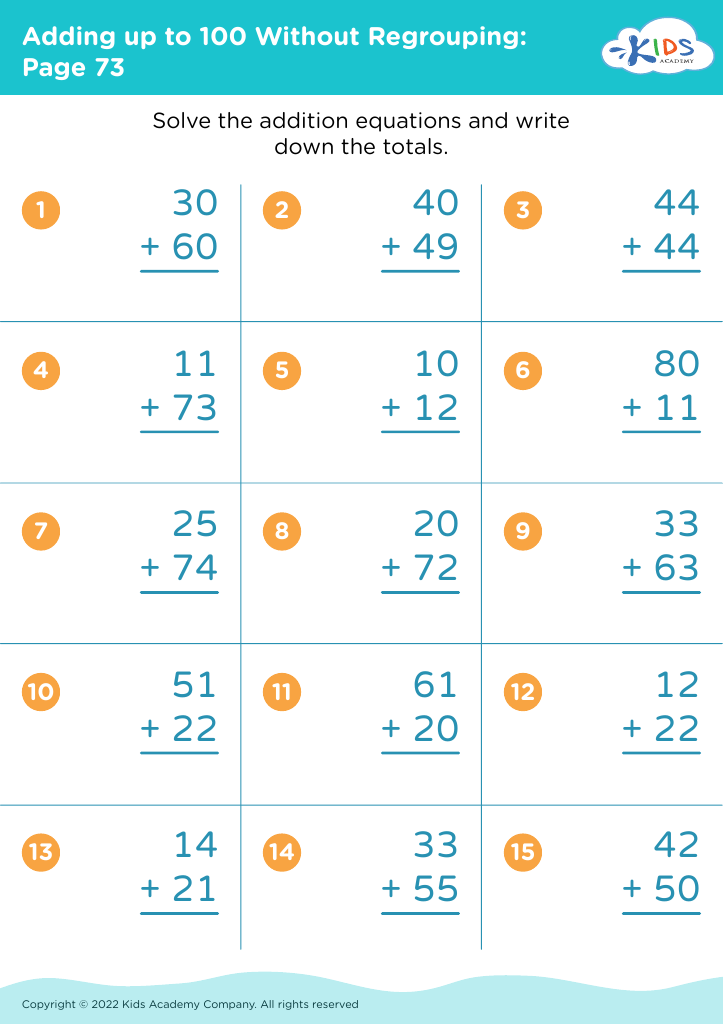
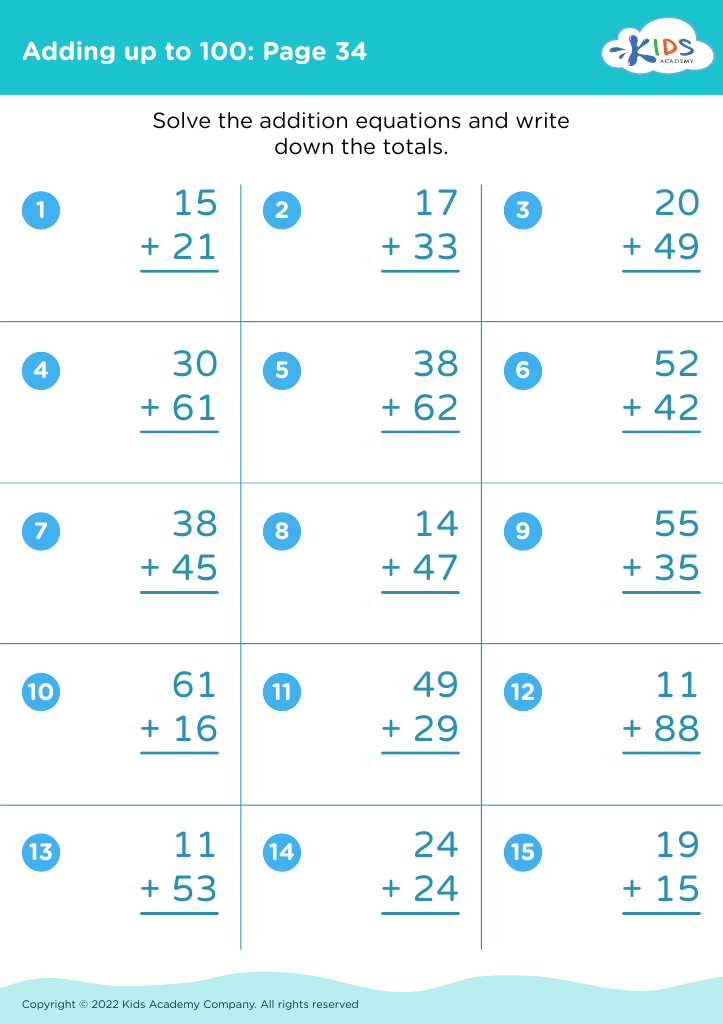
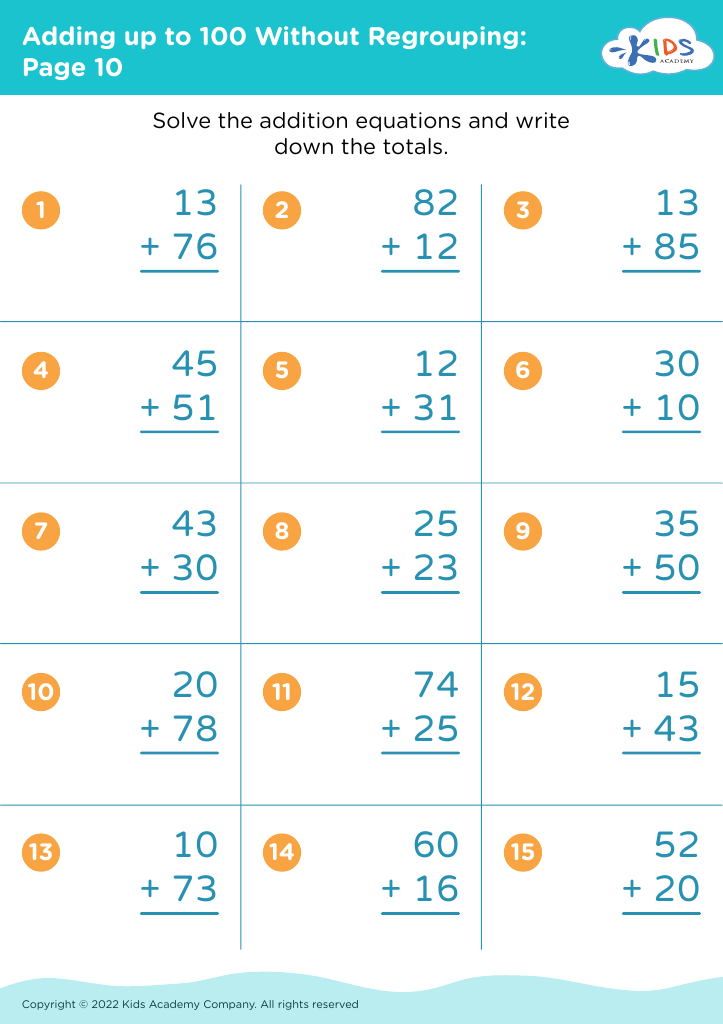
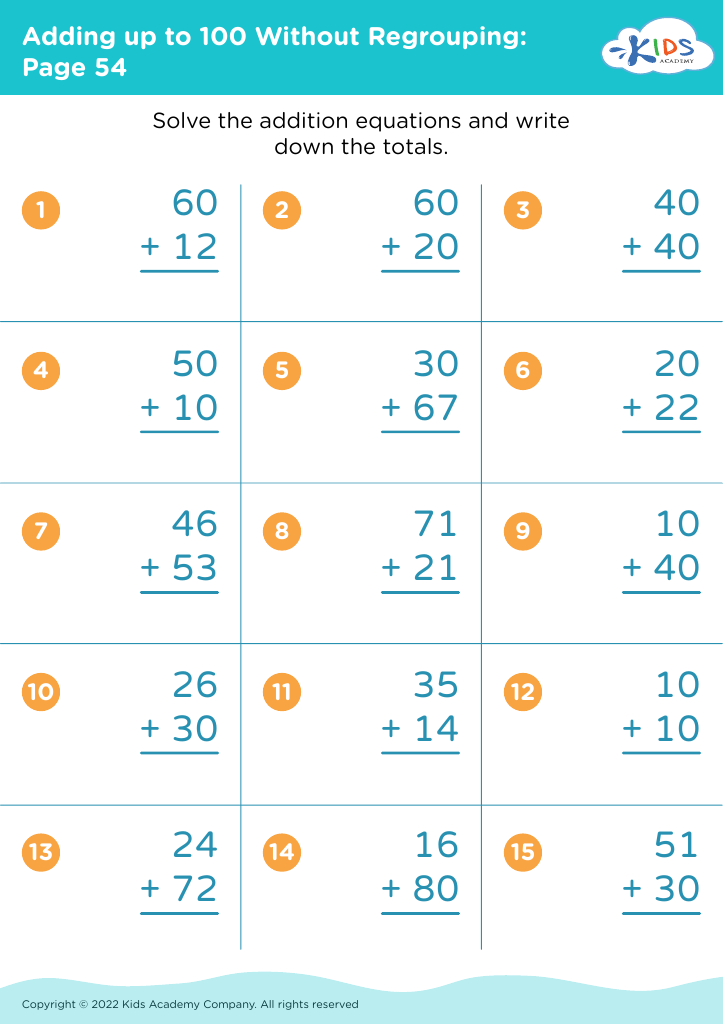
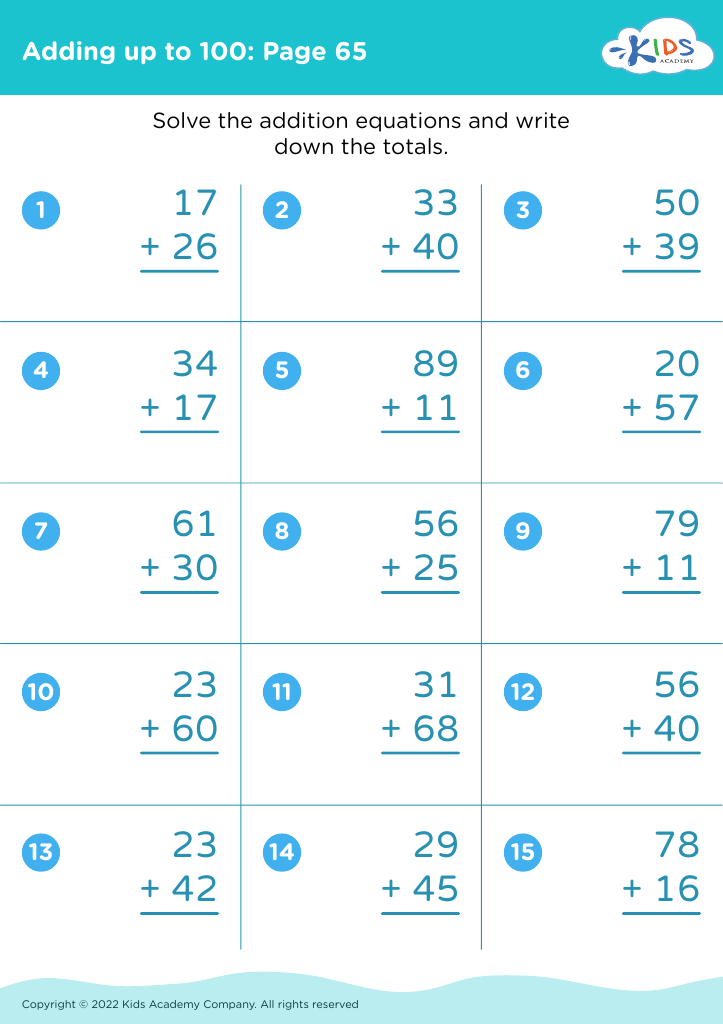
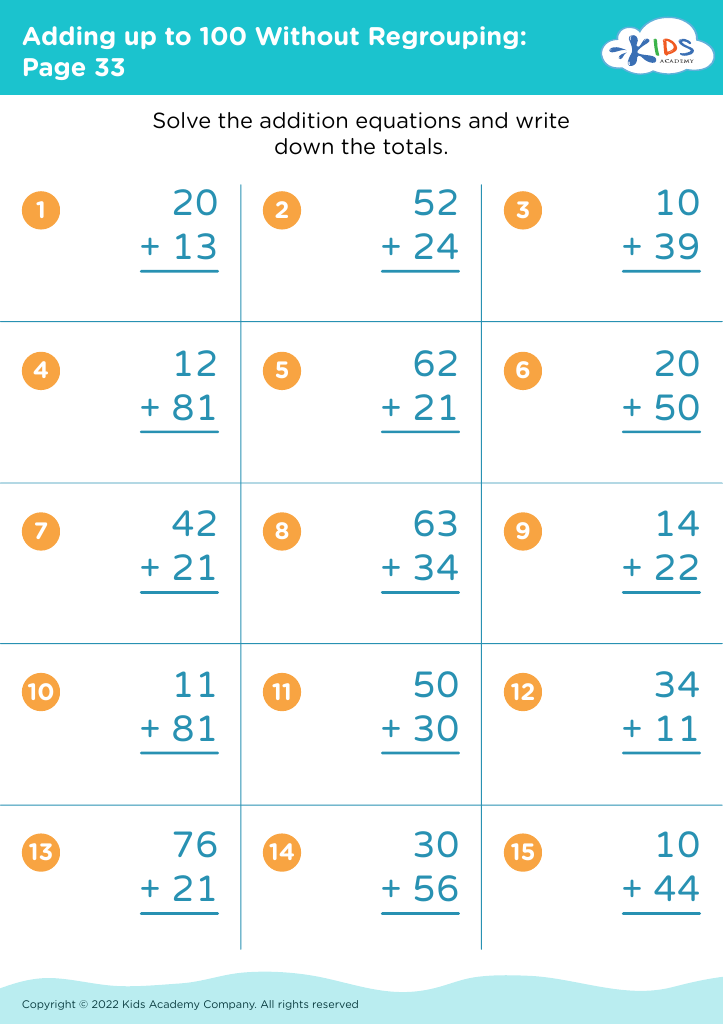
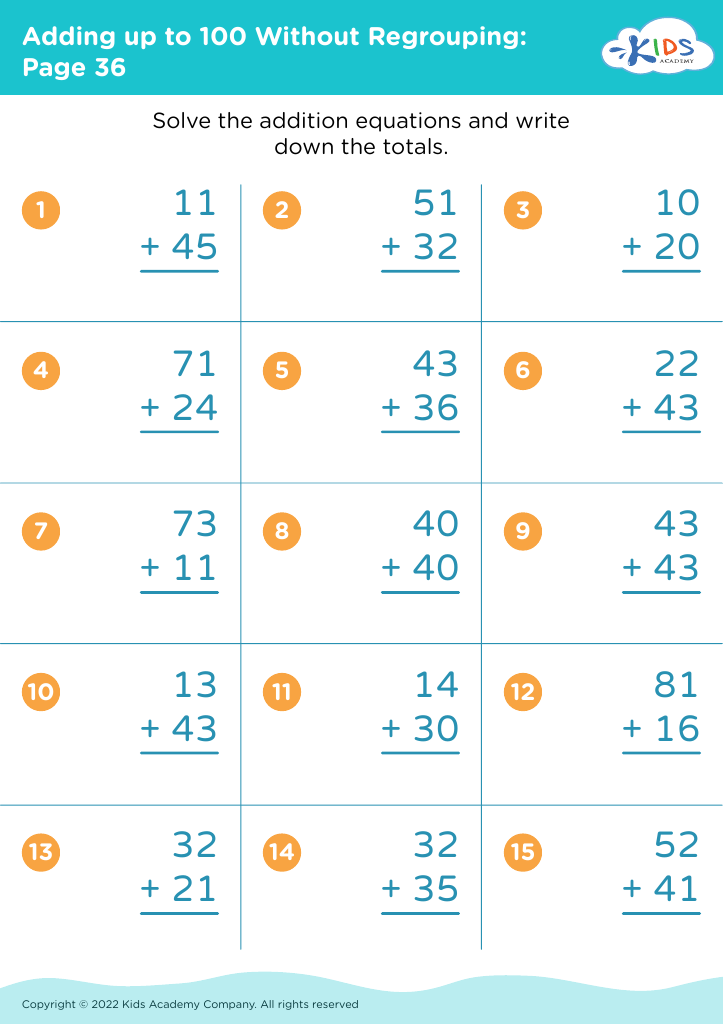
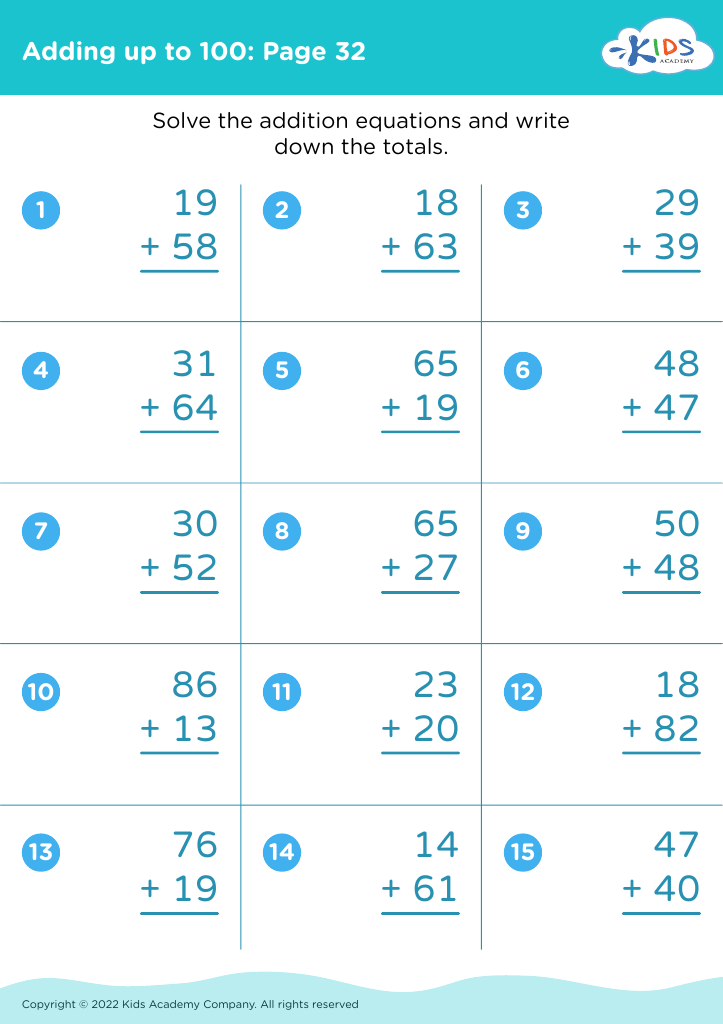
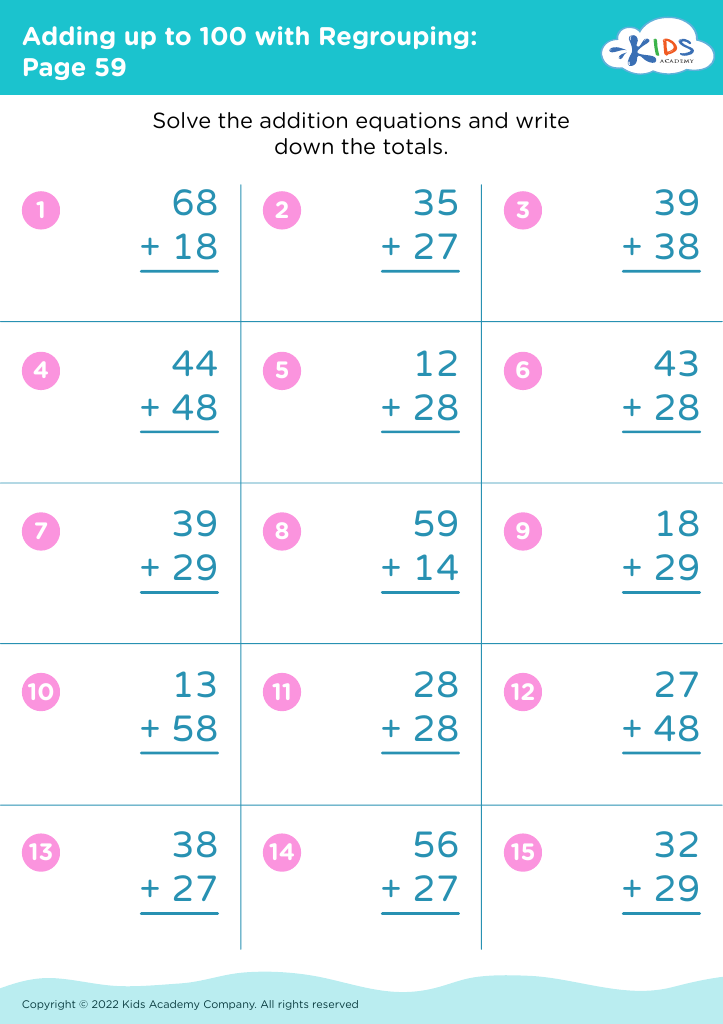
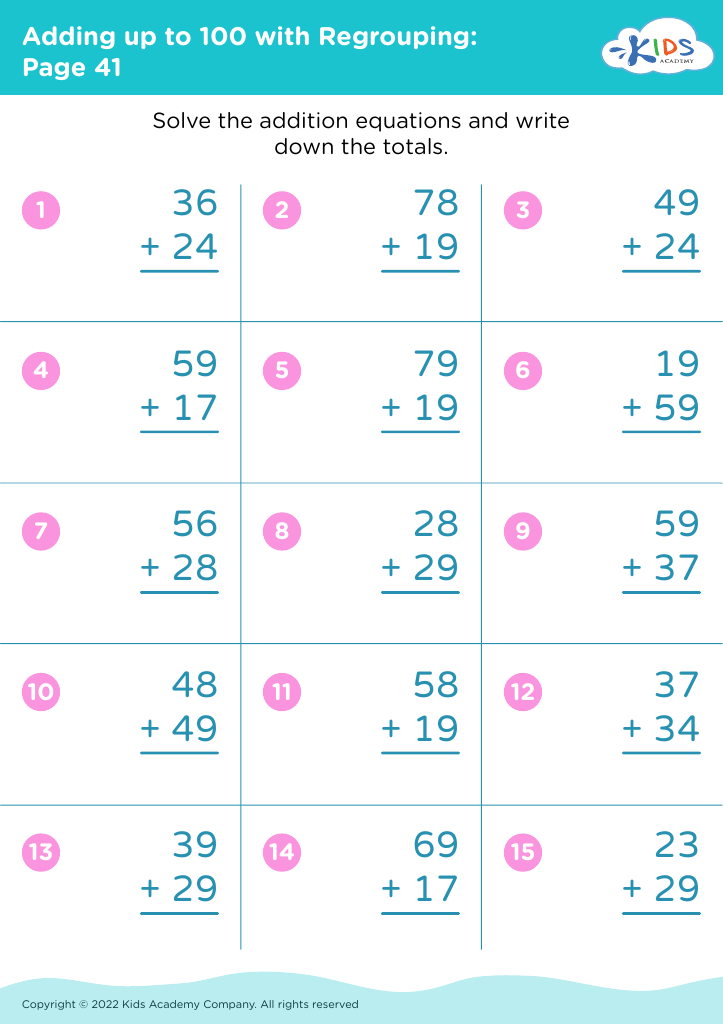
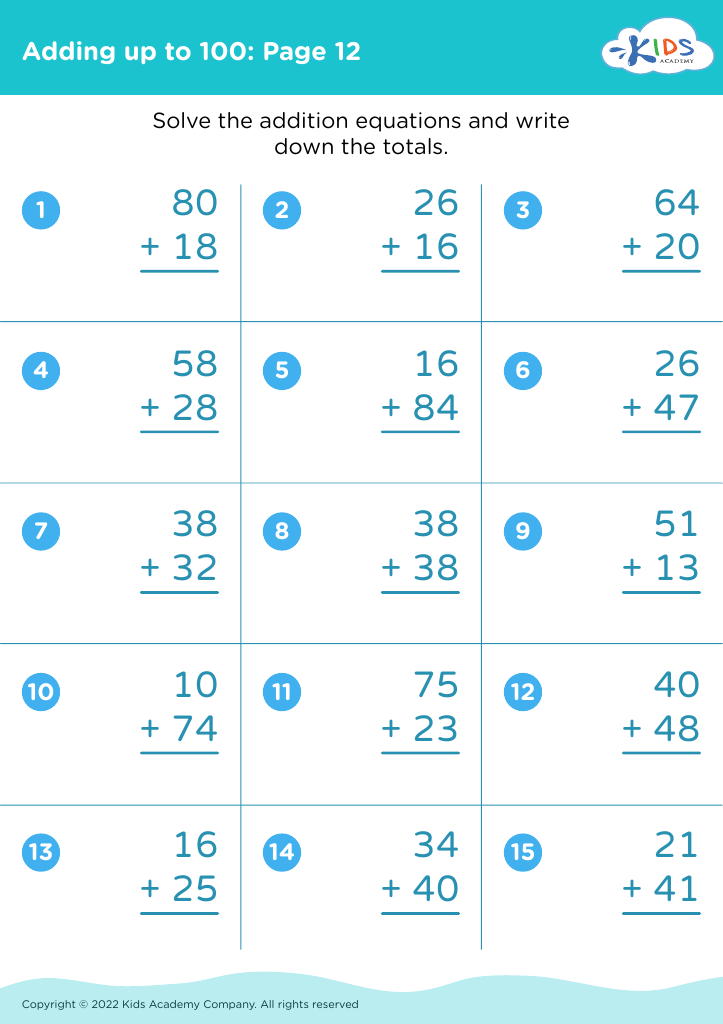
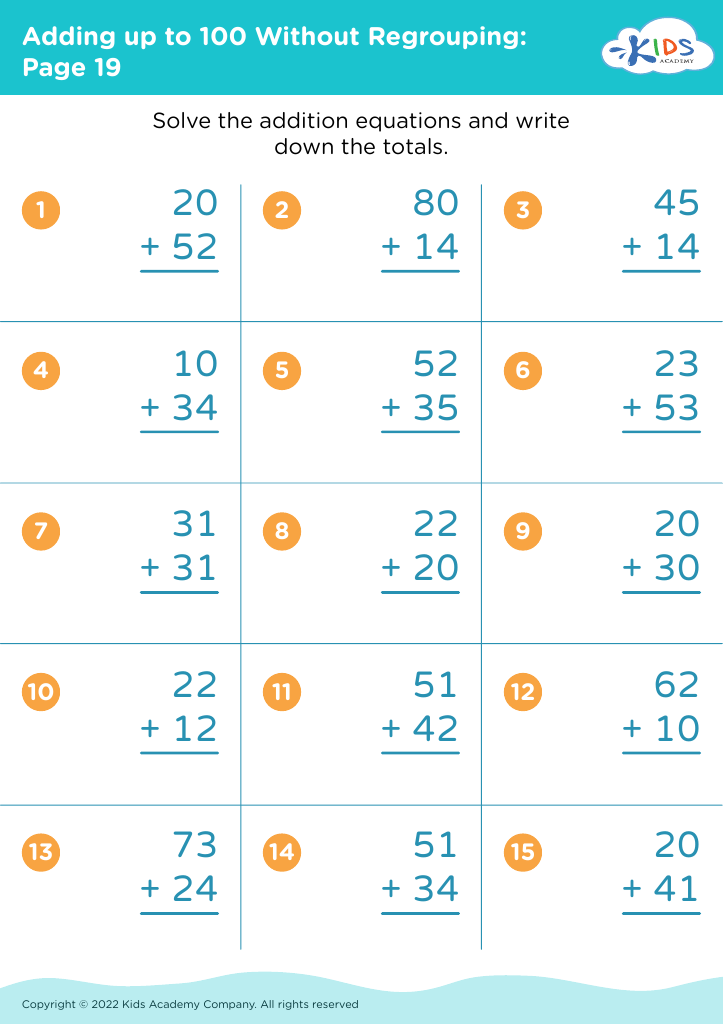
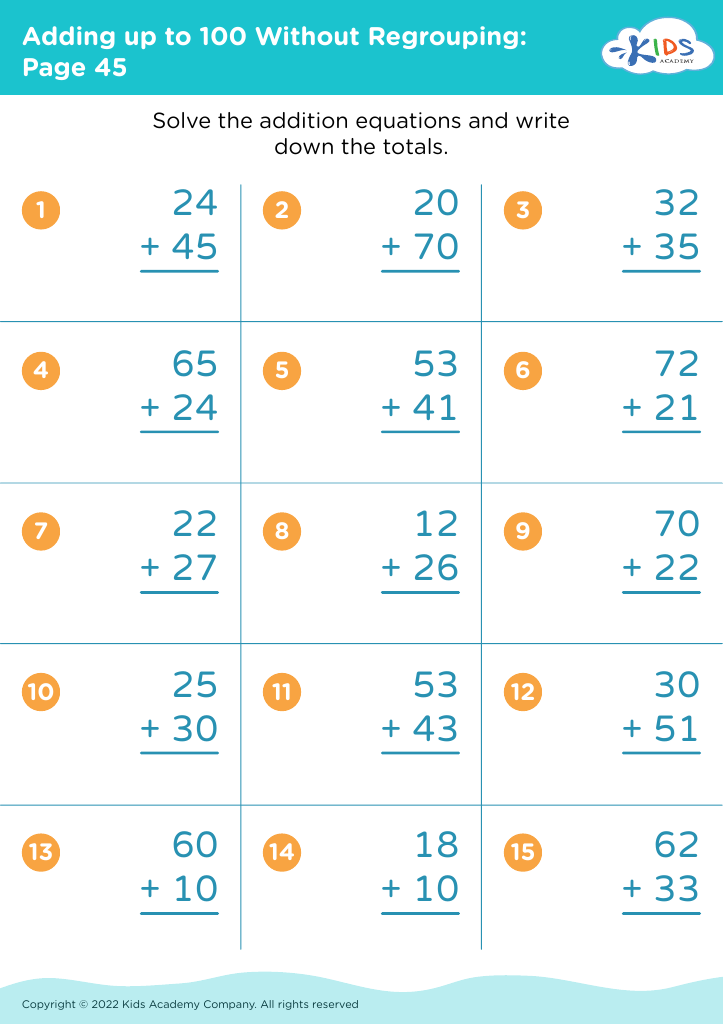
Introducing our "Understanding Fractions: Adding up to 100 Worksheets for Ages 7-9" collection, where learning meets fun! Designed to help young learners grasp the essentials of fractions, these worksheets offer engaging and interactive problems. As kids dive into activities and solve fractional math up to 100, they build a solid foundation for future math skills. Each worksheet presents clear, step-by-step instructions ensuring a smooth learning experience. Perfect for classroom use or at-home practice, these worksheets enhance numeracy and bolster confidence, making fractions easy and enjoyable to master. Download now and watch your child's mathematical prowess grow!



%20(1).jpg)



Understanding fractions and their sums up to 100 is crucial for children ages 7-9 because it builds a strong mathematical foundation necessary for future learning. At this age, children are at a key developmental stage where their brains are particularly receptive to grasping numerical and spatial concepts. Learning about fractions helps them with number sense, improving their ability to understand parts of a whole, which is fundamental for numerous real-life applications such as cooking, time management, and budgeting.
First, mastering these concepts enhances cognitive skills like critical thinking and problem-solving. For instance, by figuring out how fractions add up to 100, children engage in analytical thinking and develop logical reasoning. This foundational mastery supports higher-level math topics like algebra and geometry, which are introduced in later grades.
Second, understanding fractions aids in scientific literacy. Experiments, measurements, and data analysis in science often require a good grasp of fractions.
Furthermore, early exposure to such crucial skills boosts confidence and fosters a positive attitude toward math, mitigating math anxiety. Parents and teachers play a pivotal role in making math exciting and accessible, ensuring children have the skills needed for academic success and everyday life. Prioritizing this knowledge ensures that children are not hindered in their educational journey and are equipped with essential life skills.








