Check out this FREE Trial Lesson on Addition & Subtraction for age 7-9!

Sorting Objects into 3 Categories

Favorites
With answer key
Interactive
  • 7-9
  • Comparing Fractions
  • Addition & Subtraction
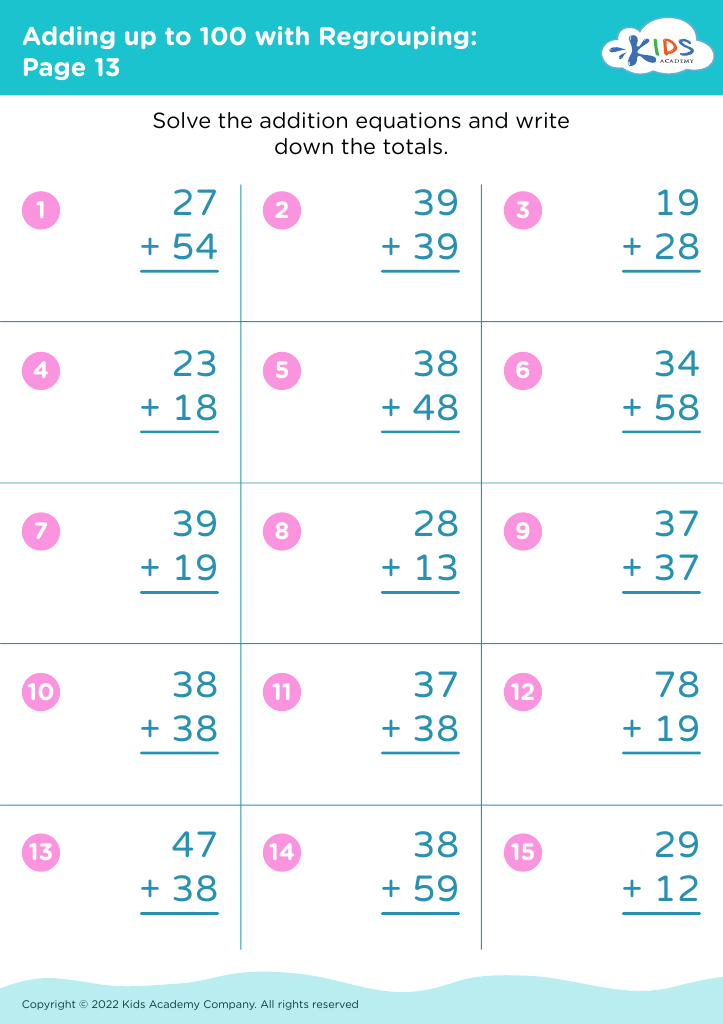
Adding up to 100 with Regrouping: Page 13
Worksheet
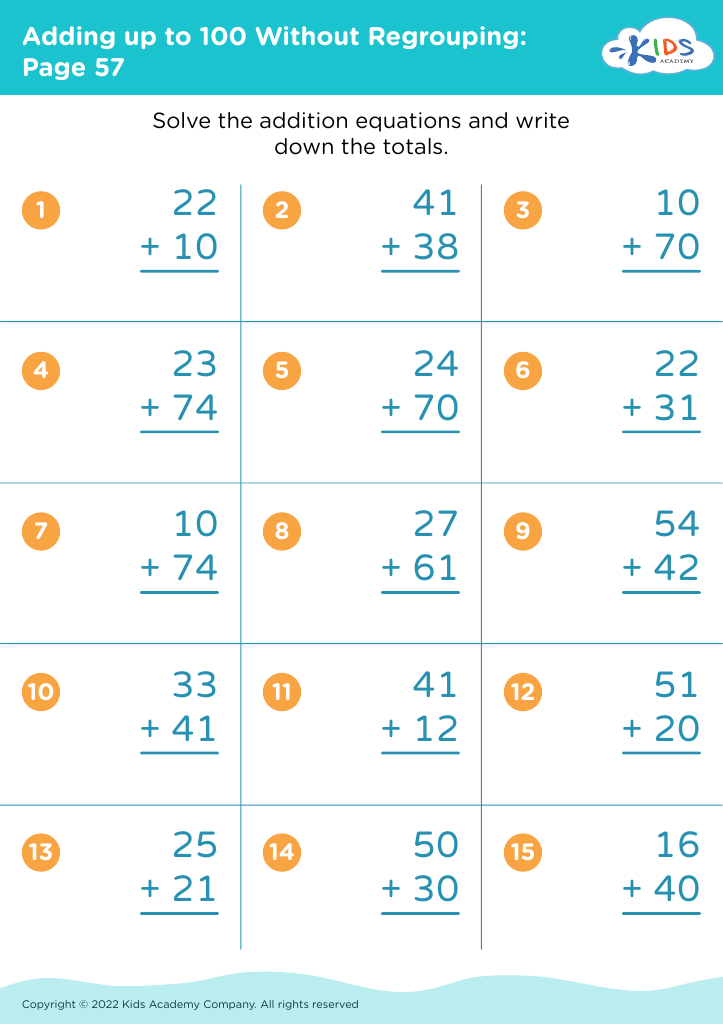
Adding up to 100 Without Regrouping: Page 57
Worksheet
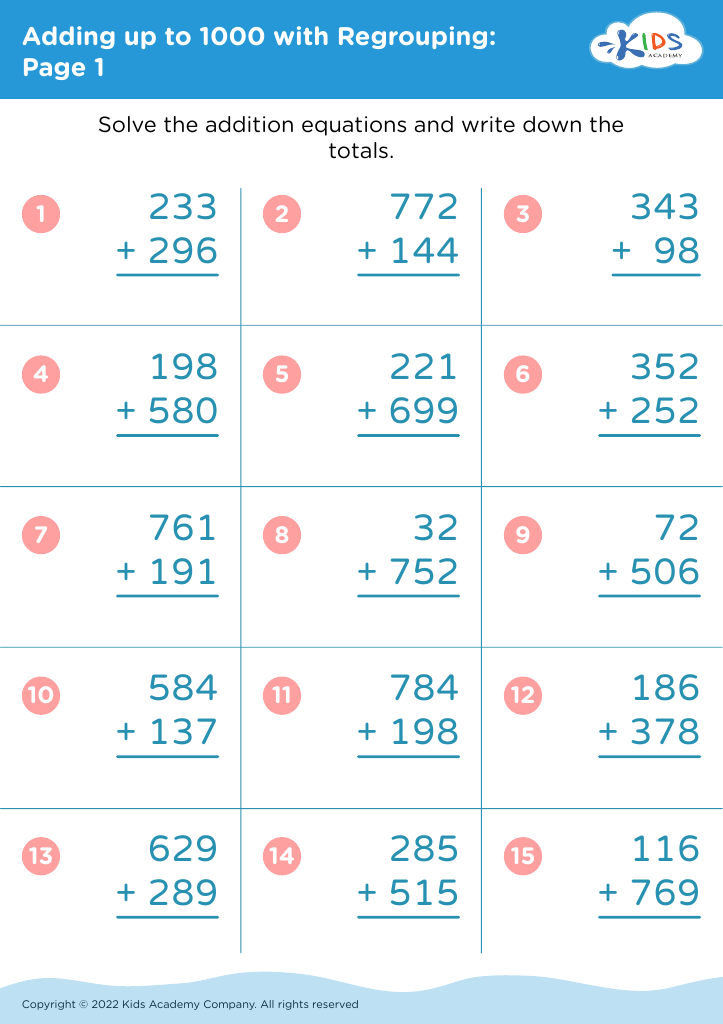
Adding up to 1000 with Regrouping: Page 1
Worksheet
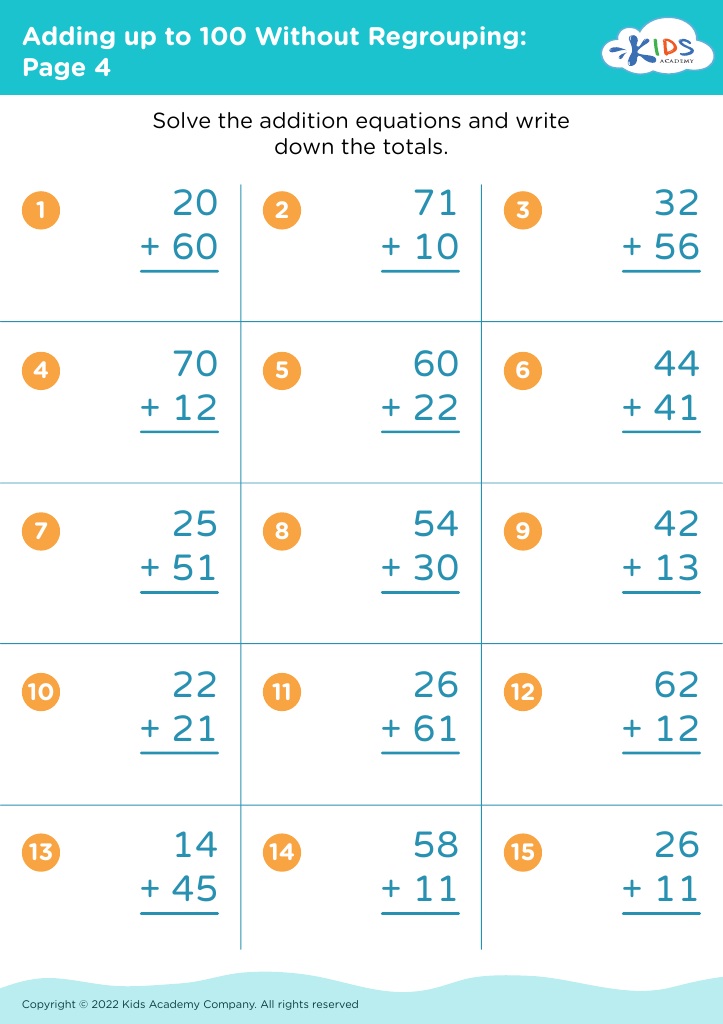
Adding up to 100 Without Regrouping: Page 4
Worksheet
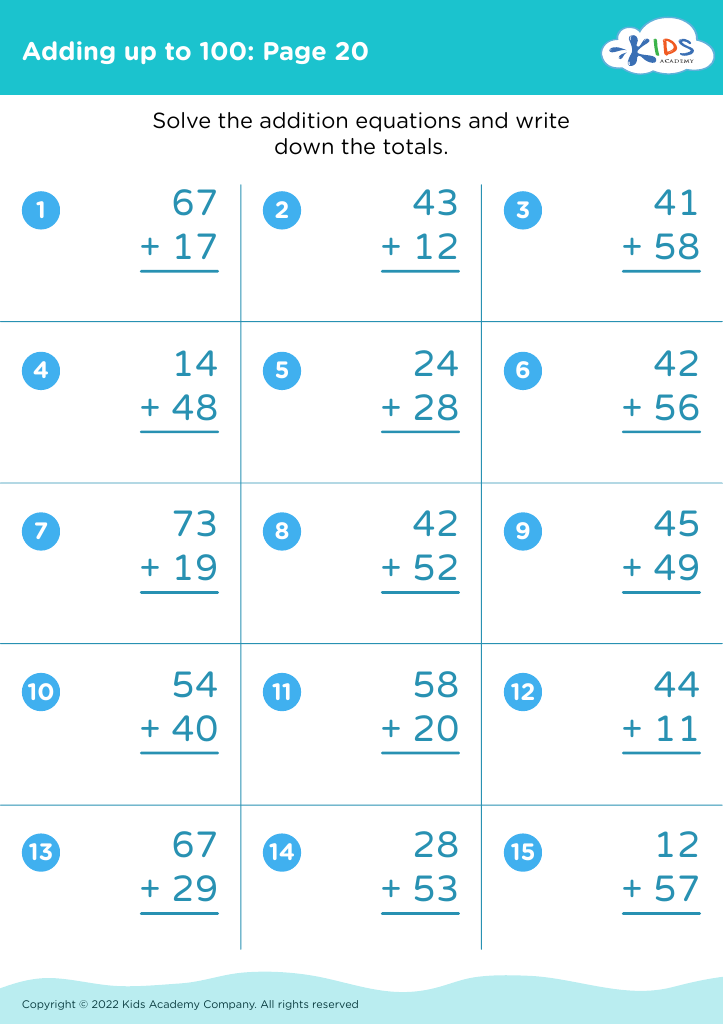
Adding up to 100: Page 20

Adding up to 100: Page 20

Adding up to 100: Page 20
Worksheet
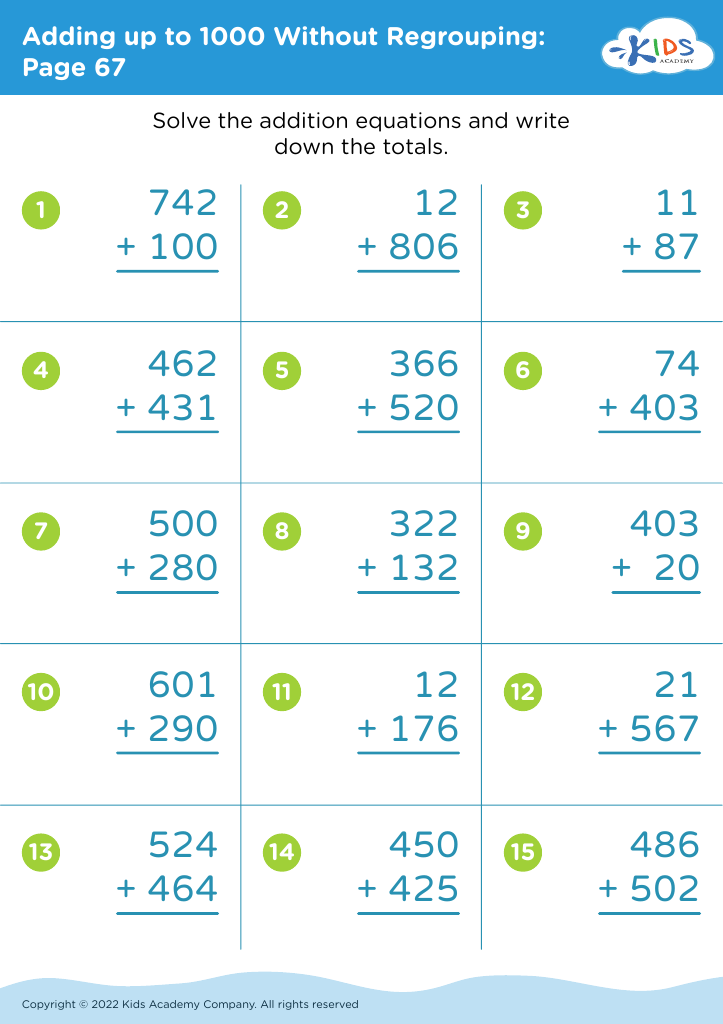
Adding up to 1000 Without Regrouping: Page 67
Worksheet
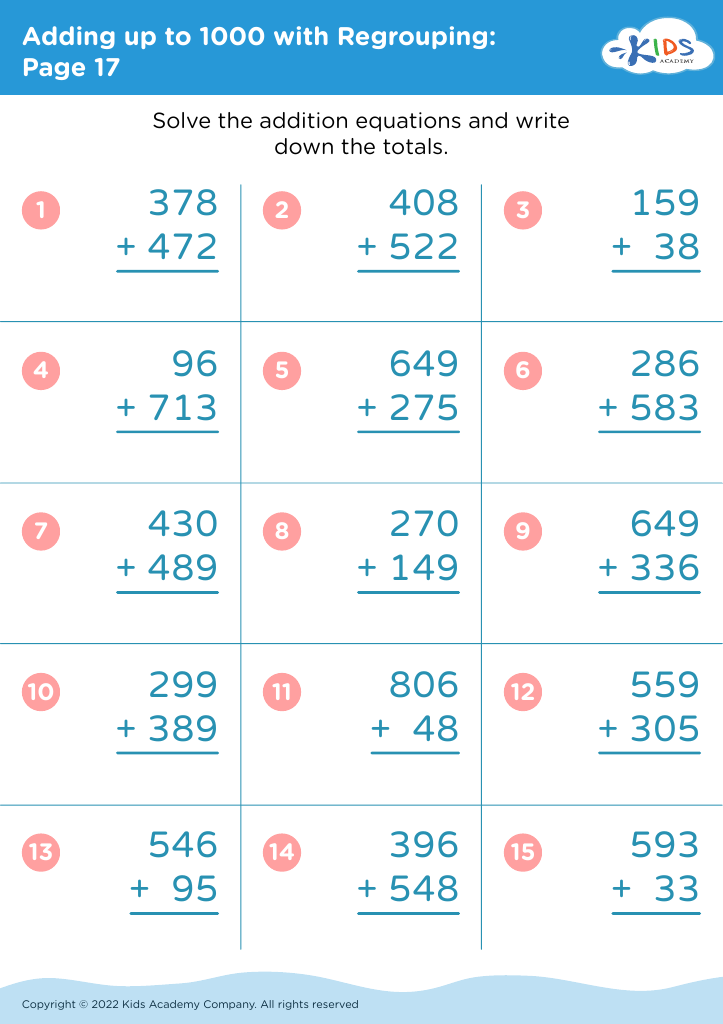
Adding up to 1000 with Regrouping: Page 17
Worksheet
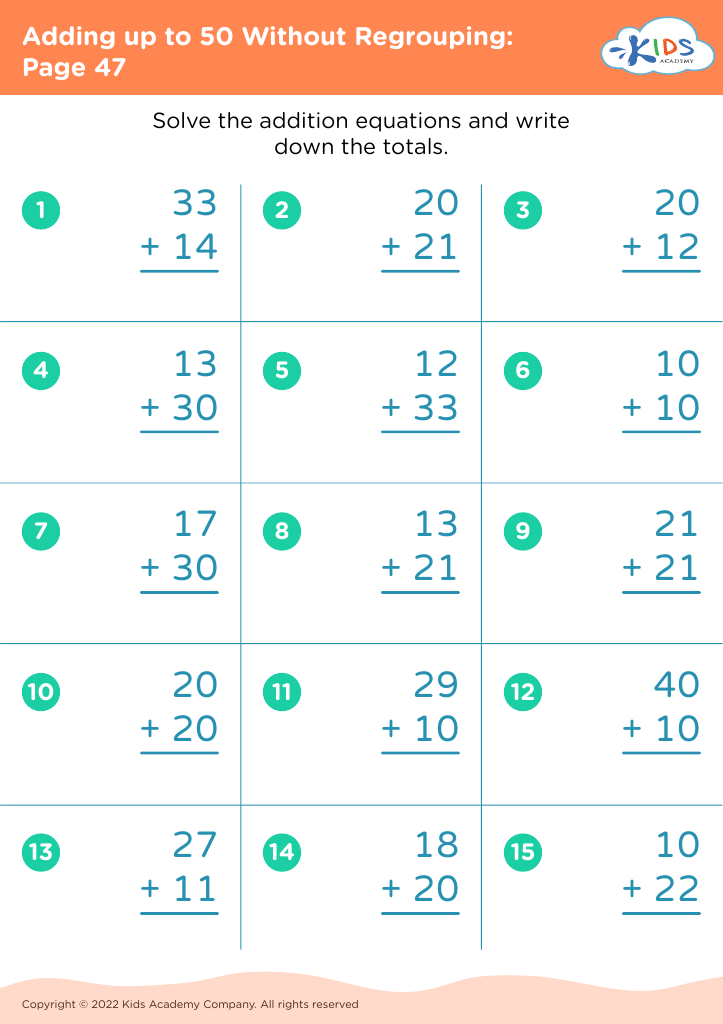
Adding up to 50 Without Regrouping: Page 47
Worksheet
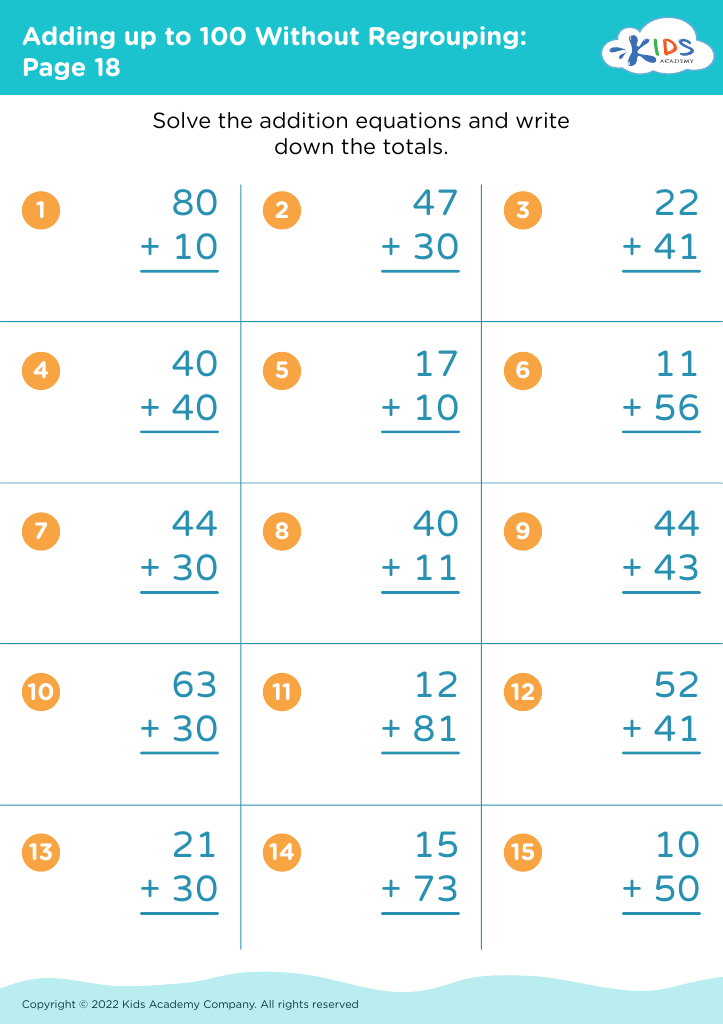
Adding up to 100 Without Regrouping: Page 18
Worksheet
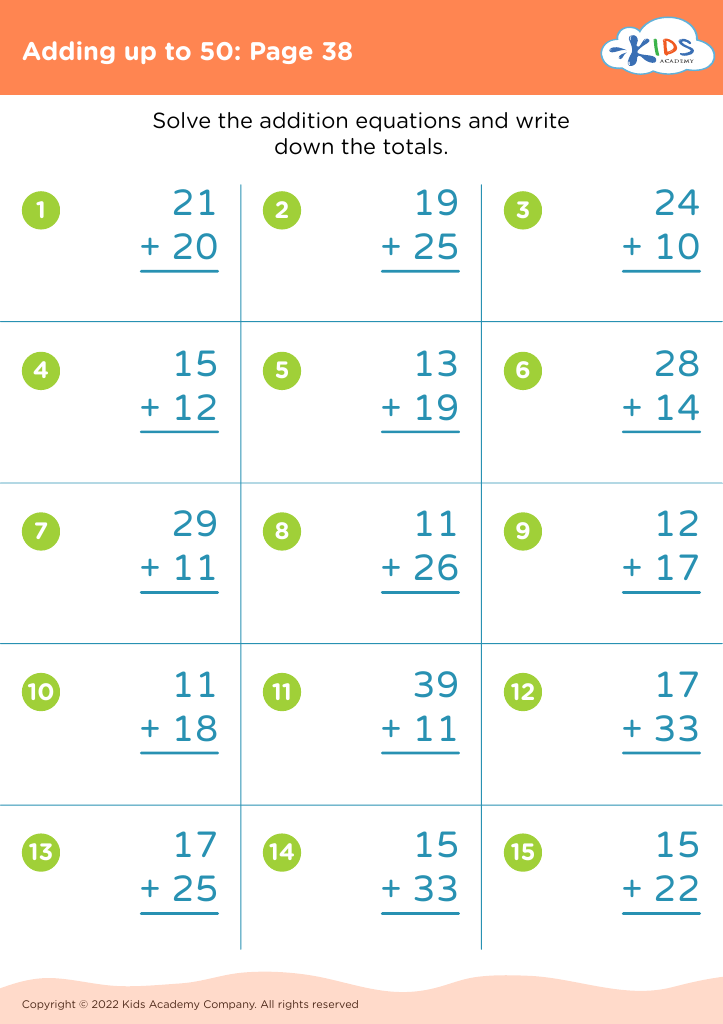
Adding up to 50: Page 38

Adding up to 50: Page 38

Adding up to 50: Page 38
Worksheet
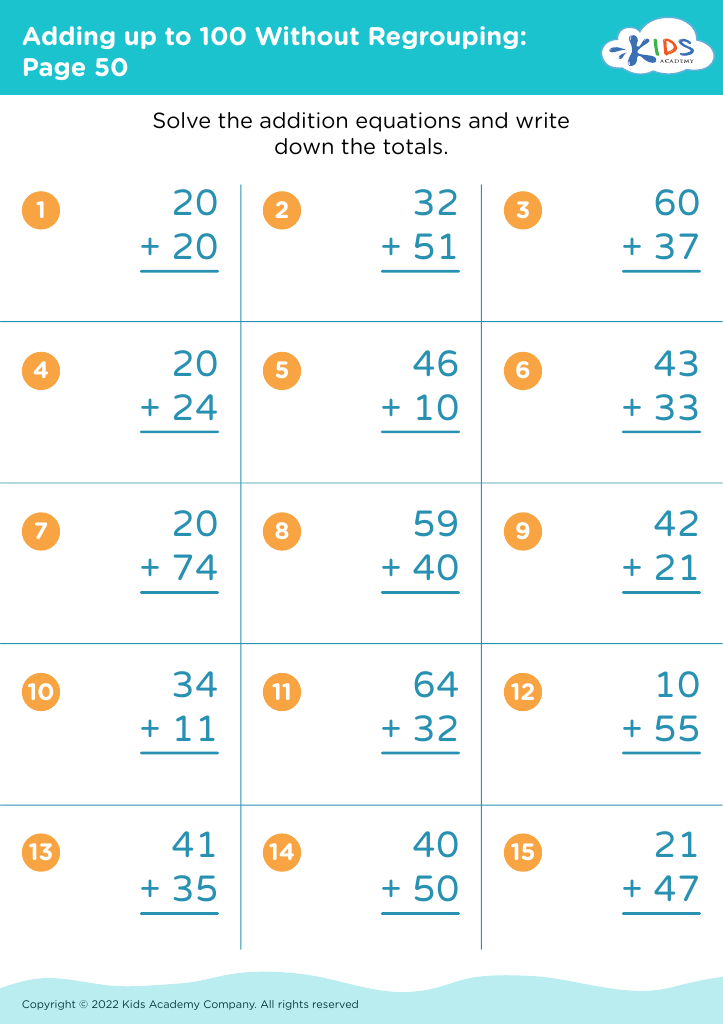
Adding up to 100 Without Regrouping: Page 50
Worksheet
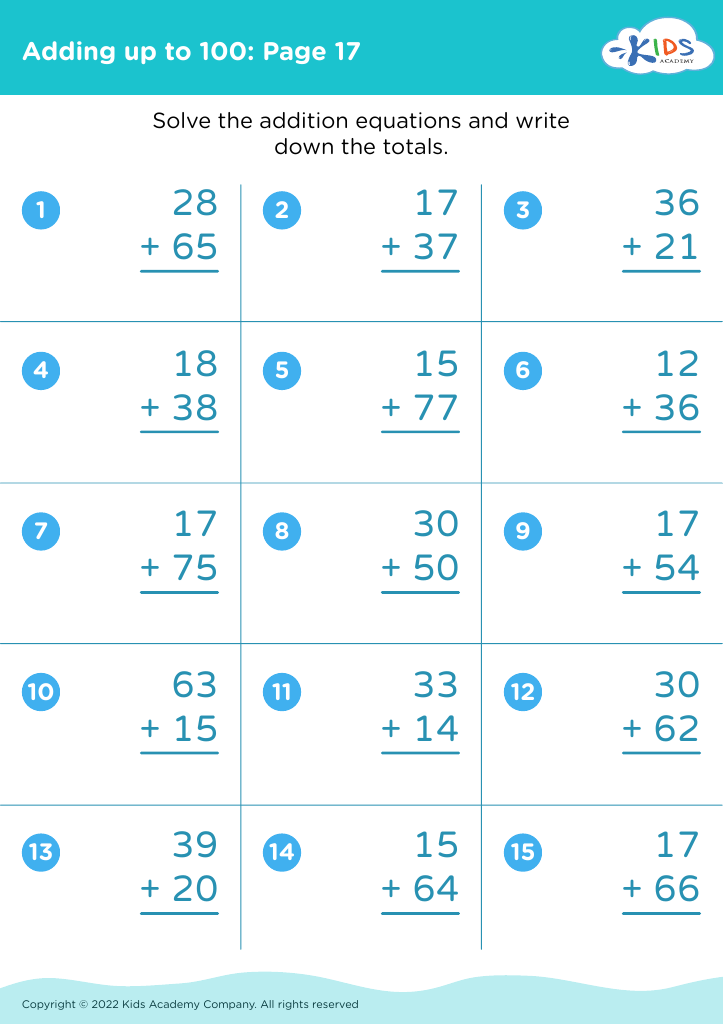
Adding up to 100: Page 17

Adding up to 100: Page 17

Adding up to 100: Page 17
Worksheet
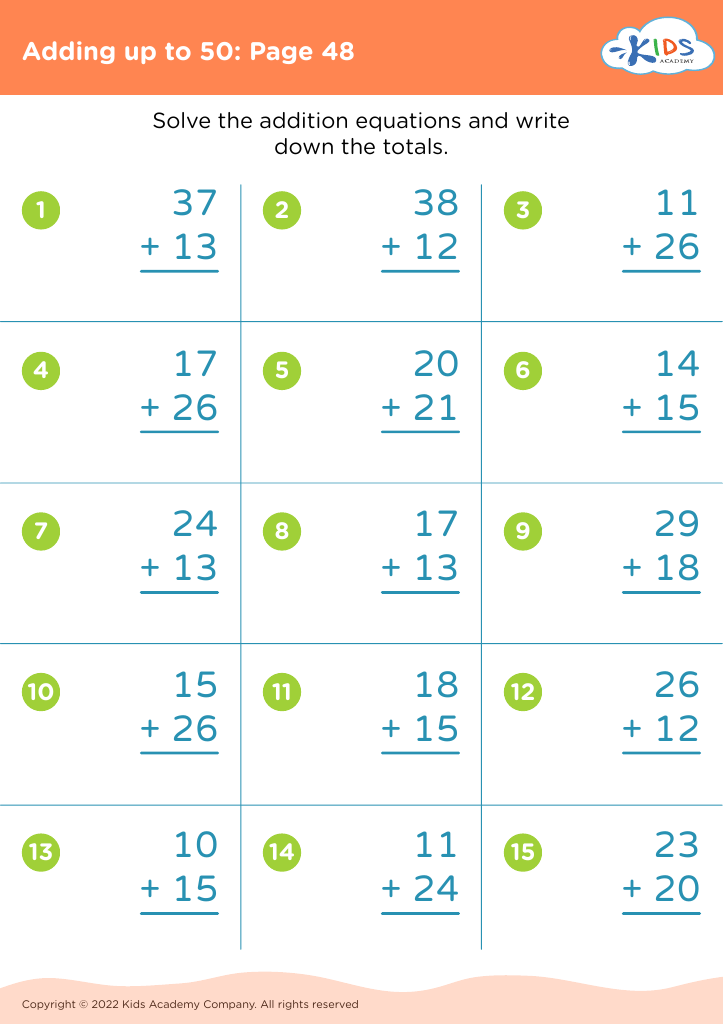
Adding up to 50: Page 48

Adding up to 50: Page 48

Adding up to 50: Page 48
Worksheet
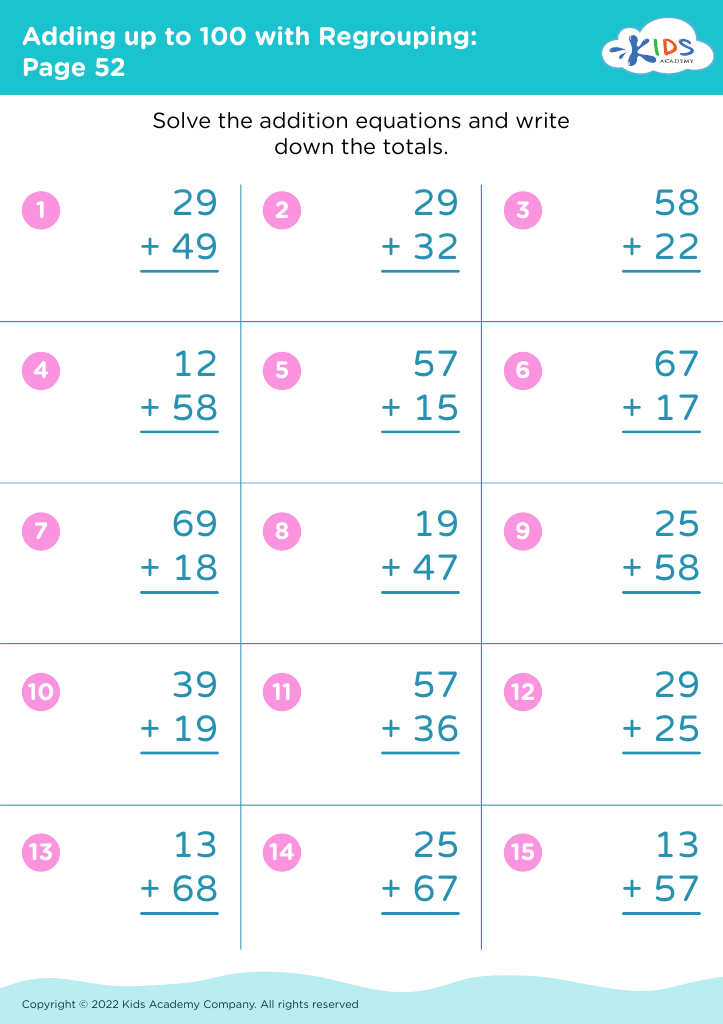
Adding up to 100 with Regrouping: Page 52
Worksheet
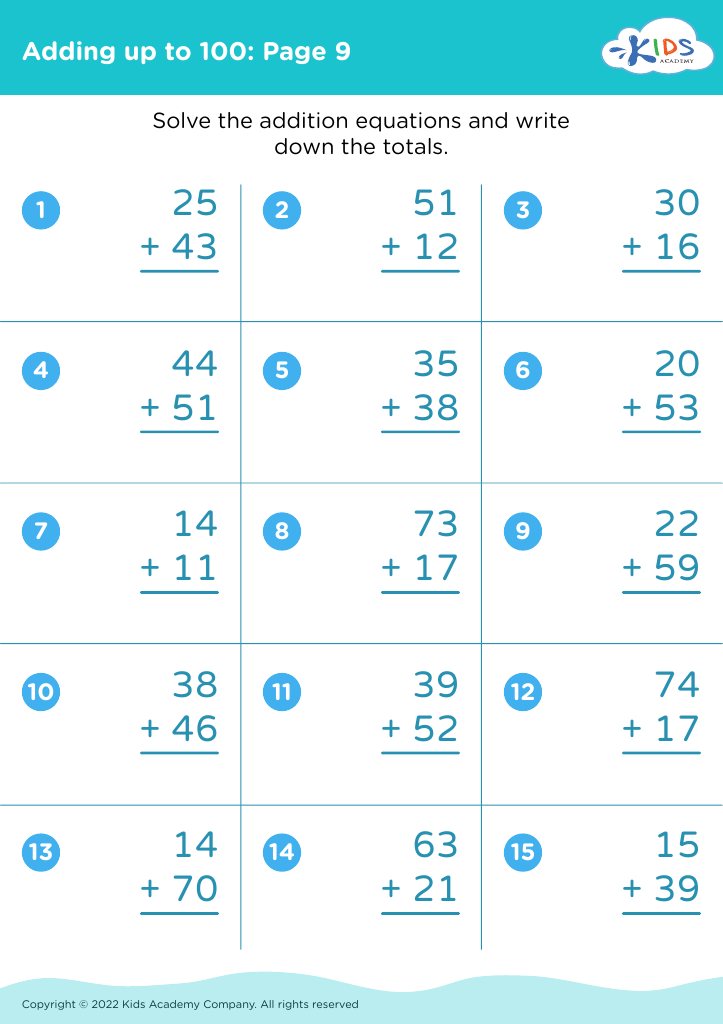
Adding up to 100: Page 9

Adding up to 100: Page 9

Adding up to 100: Page 9
Worksheet
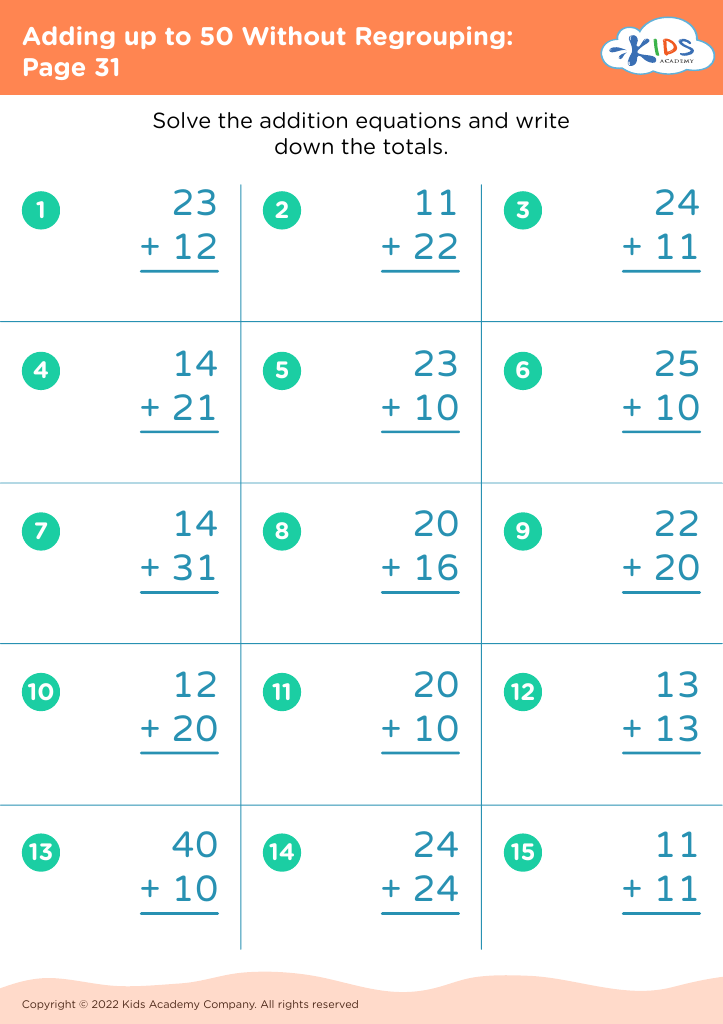
Adding up to 50 Without Regrouping: Page 31
Worksheet
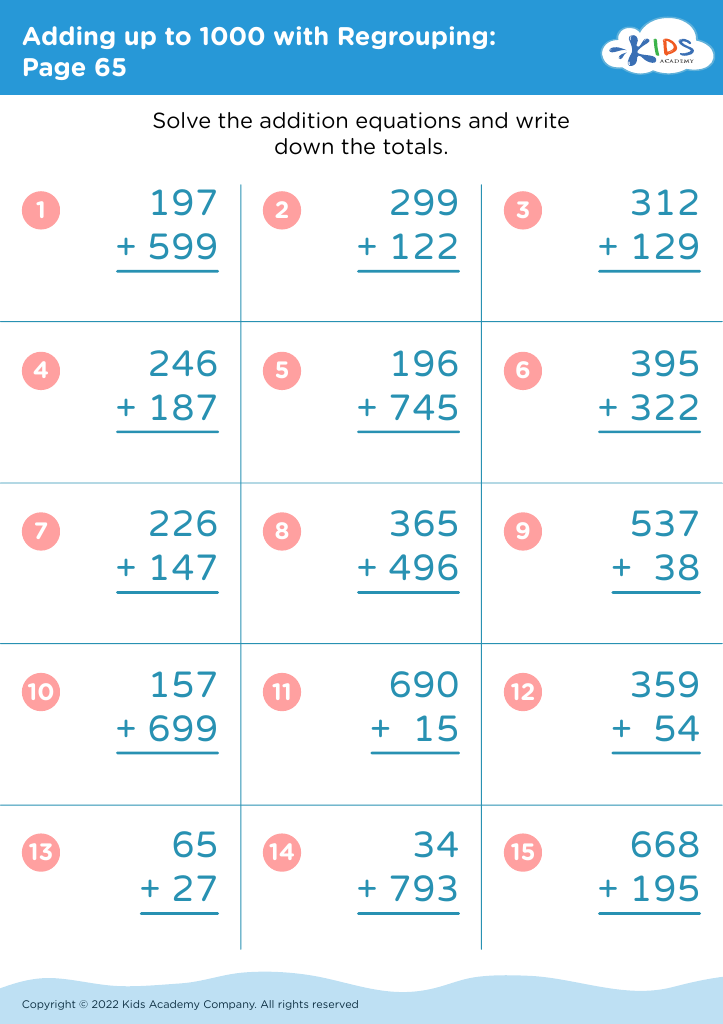
Adding up to 1000 with Regrouping: Page 65
Worksheet
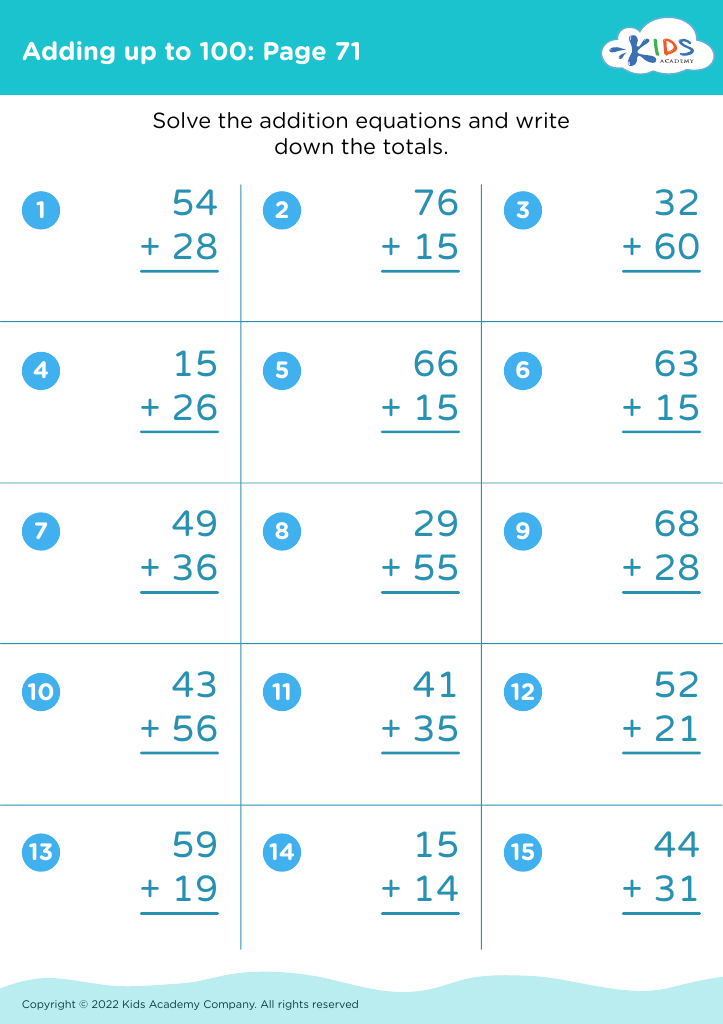
Adding up to 100: Page 71

Adding up to 100: Page 71

Adding up to 100: Page 71
Worksheet
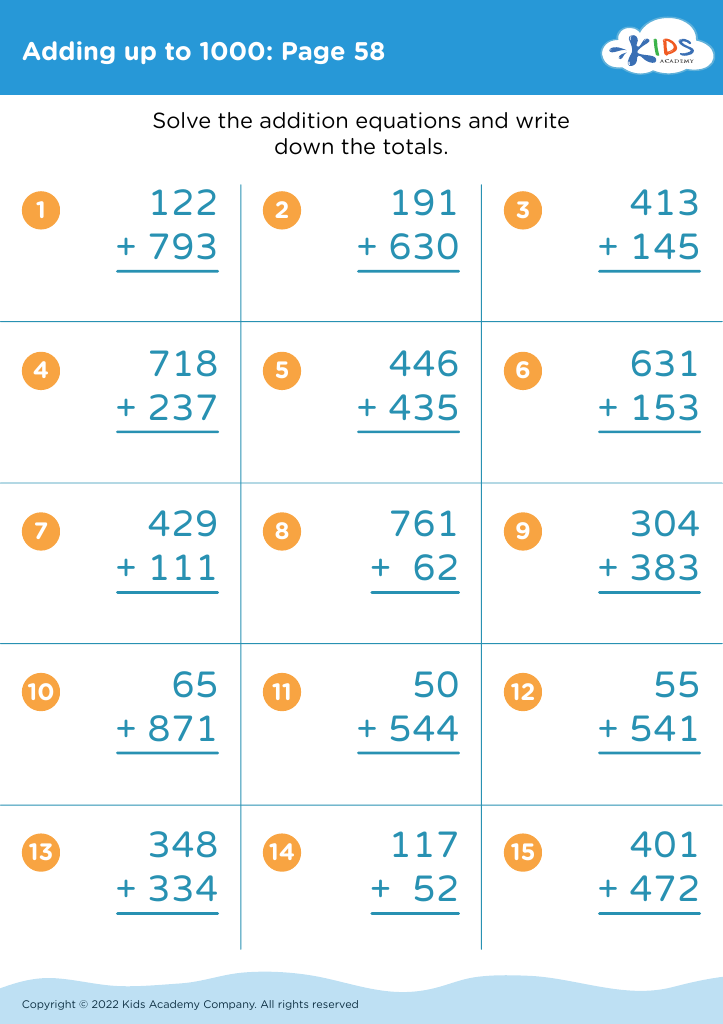
Adding up to 1000: Page 58

Adding up to 1000: Page 58

Adding up to 1000: Page 58
Worksheet
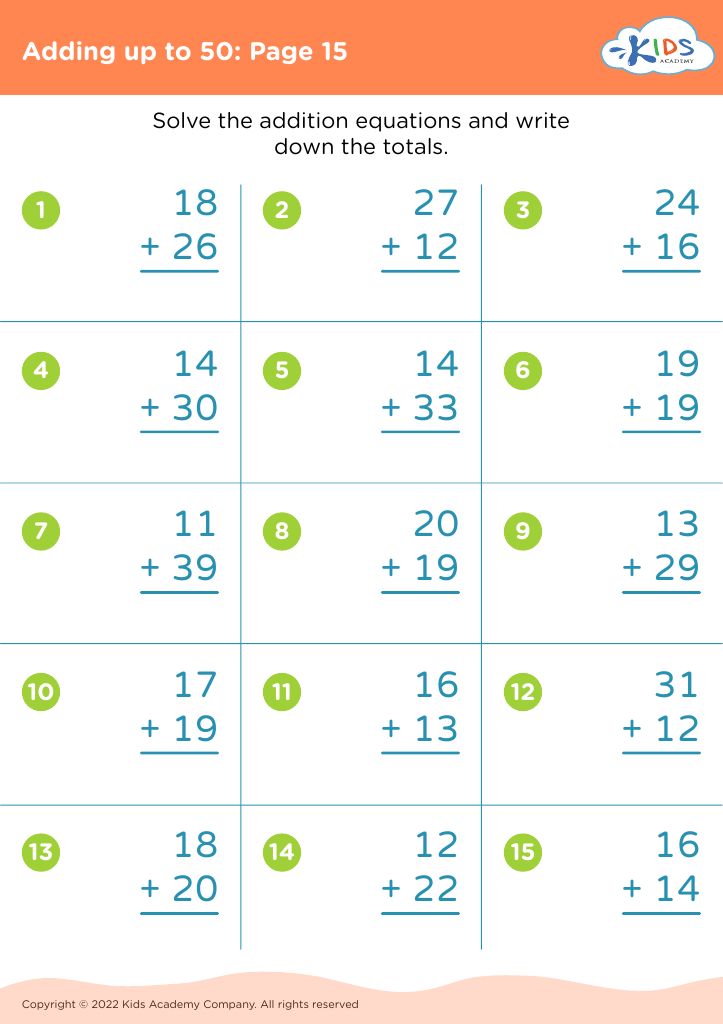
Adding up to 50: Page 15

Adding up to 50: Page 15

Adding up to 50: Page 15
Worksheet
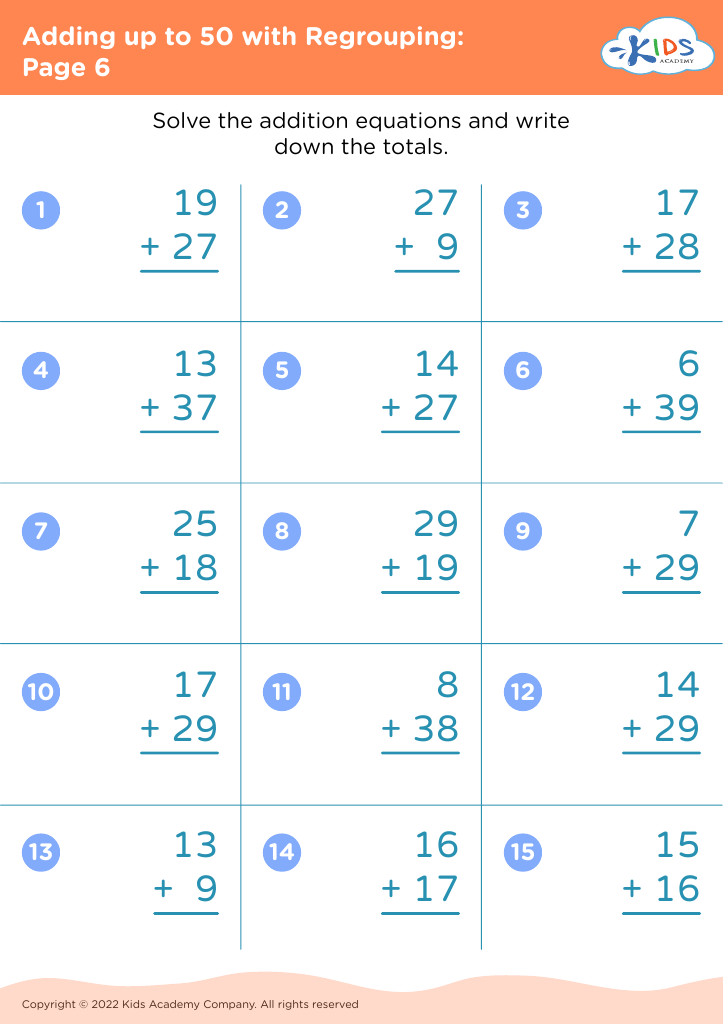
Adding up to 50 with Regrouping: Page 6
Worksheet
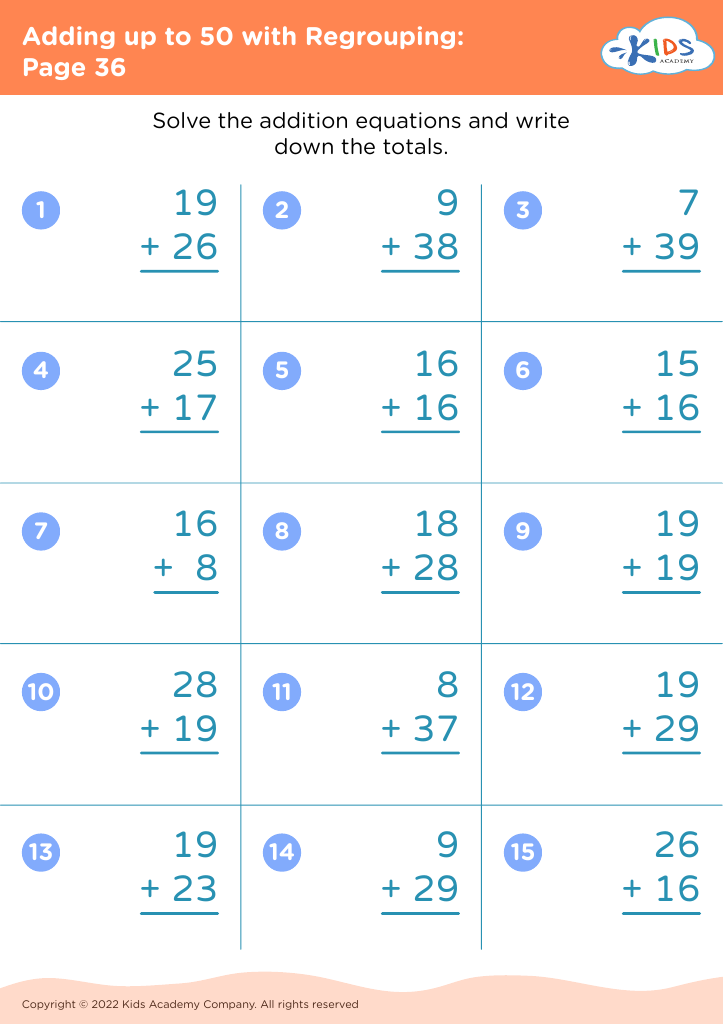
Adding up to 50 with Regrouping: Page 36
Worksheet
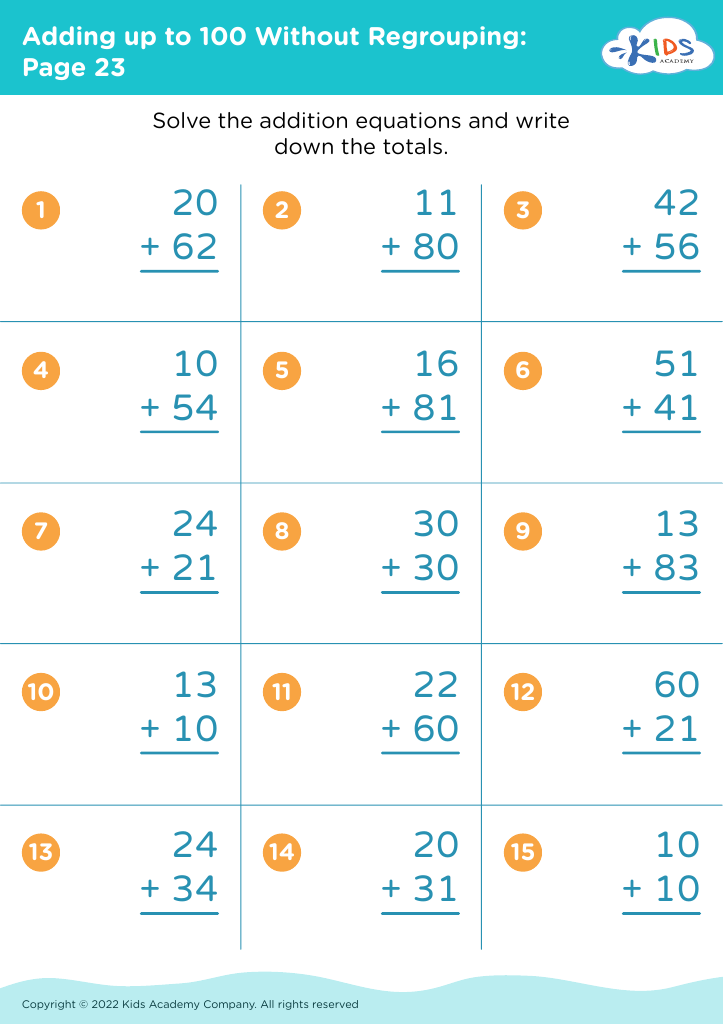
Adding up to 100 Without Regrouping: Page 23
Worksheet
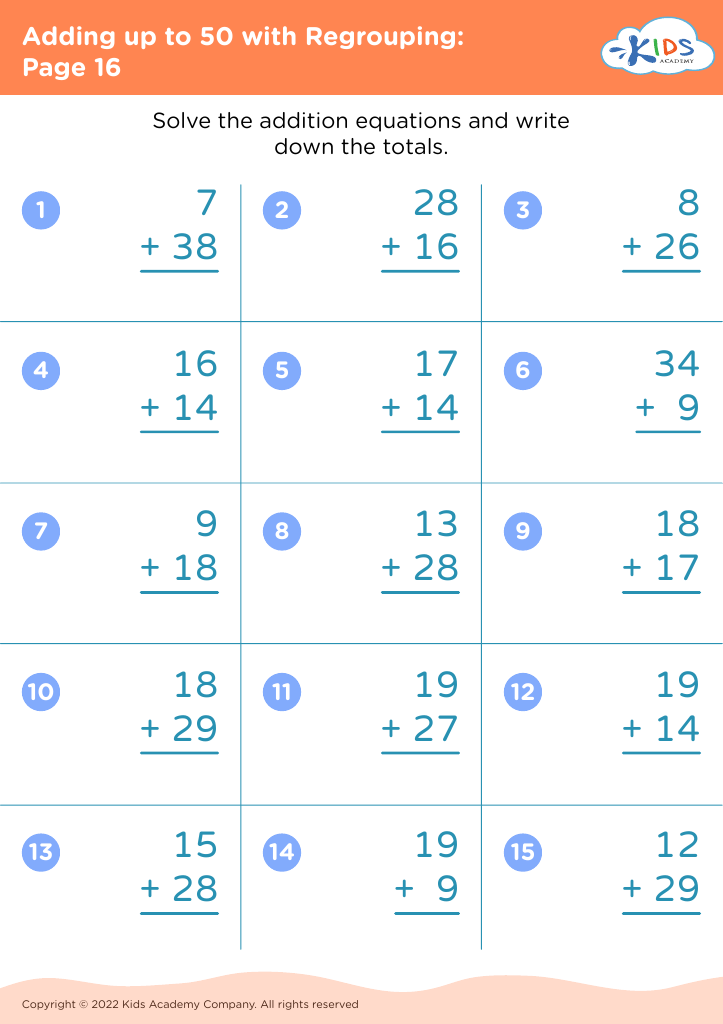
Adding up to 50 with Regrouping: Page 16
Worksheet


Understanding comparing fractions, addition, and subtraction at an early age (ages 7-9) is crucial for a child's mathematical development. At this formative stage, students transition from concrete to more abstract thinking, making foundational concepts like fractions pivotal. Firstly, grasping how to compare fractions and perform basic operations (addition and subtraction) builds essential skills for higher-level math topics and real-world problem-solving. For instance, concepts of fractions are foundational for understanding ratios, percentages, and algebra.

Additionally, mastering these topics enhances cognitive development. Children learn to reason logically, approach problems systematically, and develop perseverance through challenging tasks. Early proficiency in math also boosts confidence and reduces math anxiety, fostering a positive attitude towards learning.

From a practical standpoint, fractions are everywhere—cooking, telling time, or dividing a pizza. Familiarity with comparing and operating on fractions equips children with crucial life skills. Educators and parents play a critical role by providing engaging learning experiences, helping children see the practical relevance, and offering consistent practice.

Overall, emphasizing comparing fractions, addition, and subtraction in early education sets a strong foundation for academic success and everyday competence, benefiting children well into their future studies and daily lives.