Develop problem-solving skills Addition & Subtraction Worksheets for Ages 7-9
7 filtered results
-
From - To
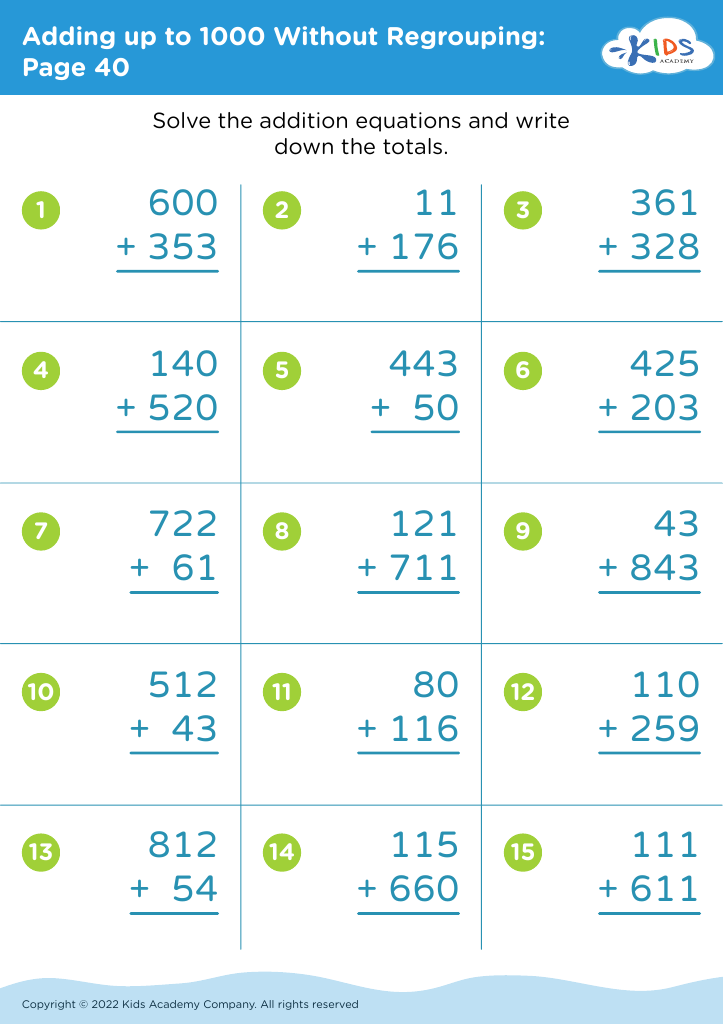
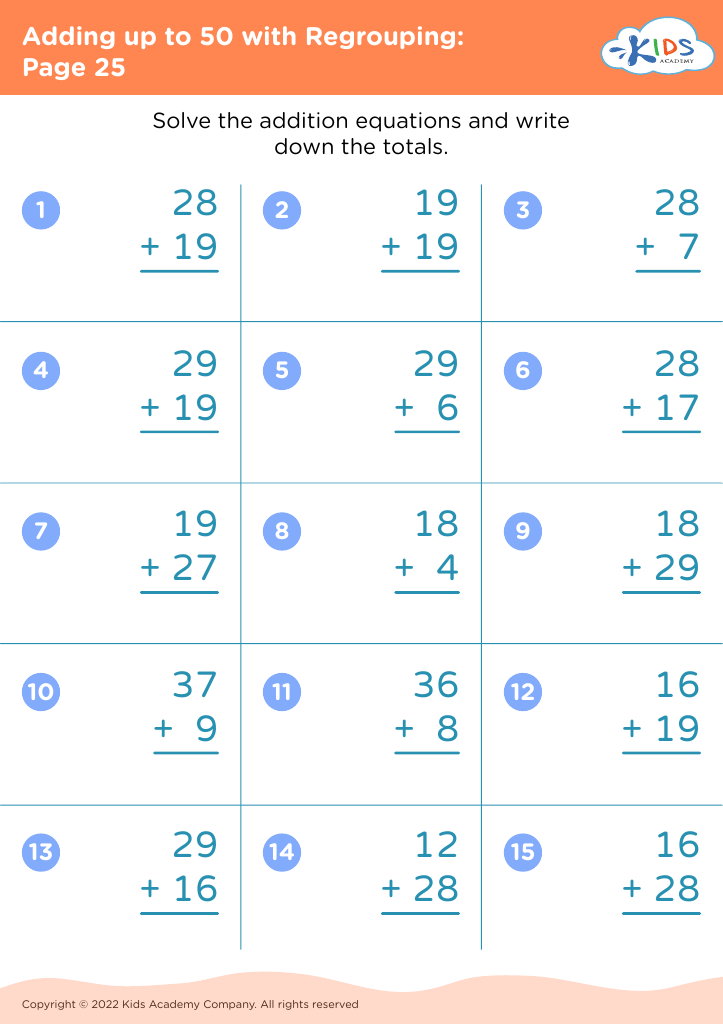
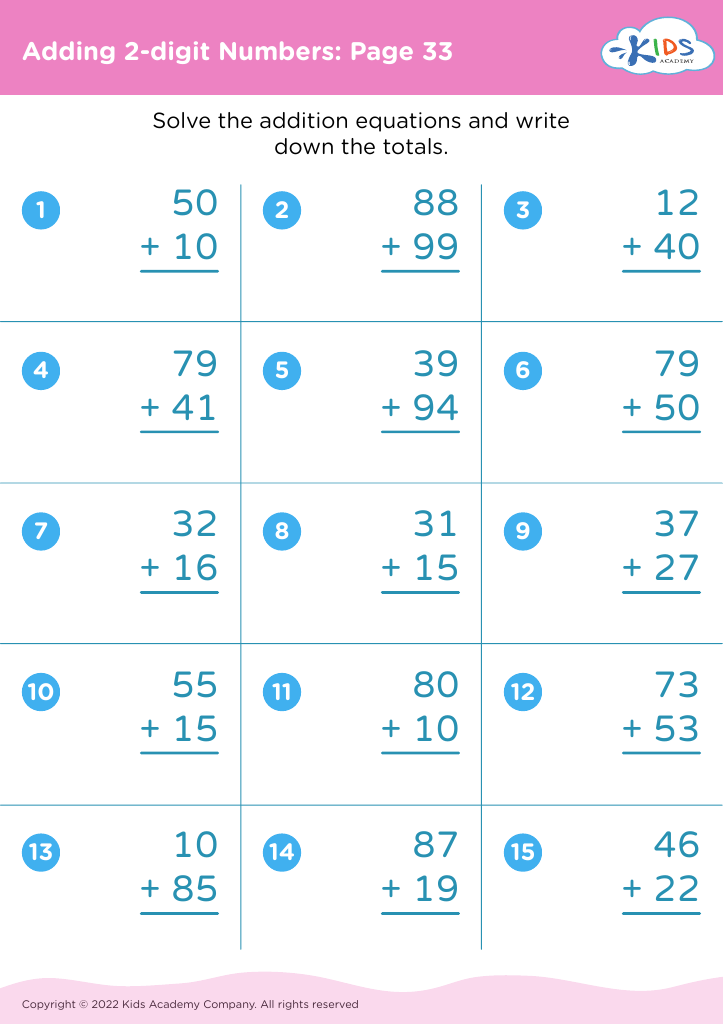
Unlock your child's mathematical potential with our engaging addition and subtraction worksheets designed for ages 7-9. These worksheets foster problem-solving skills essential for young learners as they tackle various math challenges. Each activity encourages critical thinking through relatable problems and fun scenarios, ensuring that children not only practice their addition and subtraction skills but also apply them in real-world contexts. With vibrant illustrations and age-appropriate content, our resources make learning enjoyable. Whether at home or in the classroom, these worksheets provide a structured approach to enhancing math fluency and confidence in students, laying a strong foundation for future mathematical success.
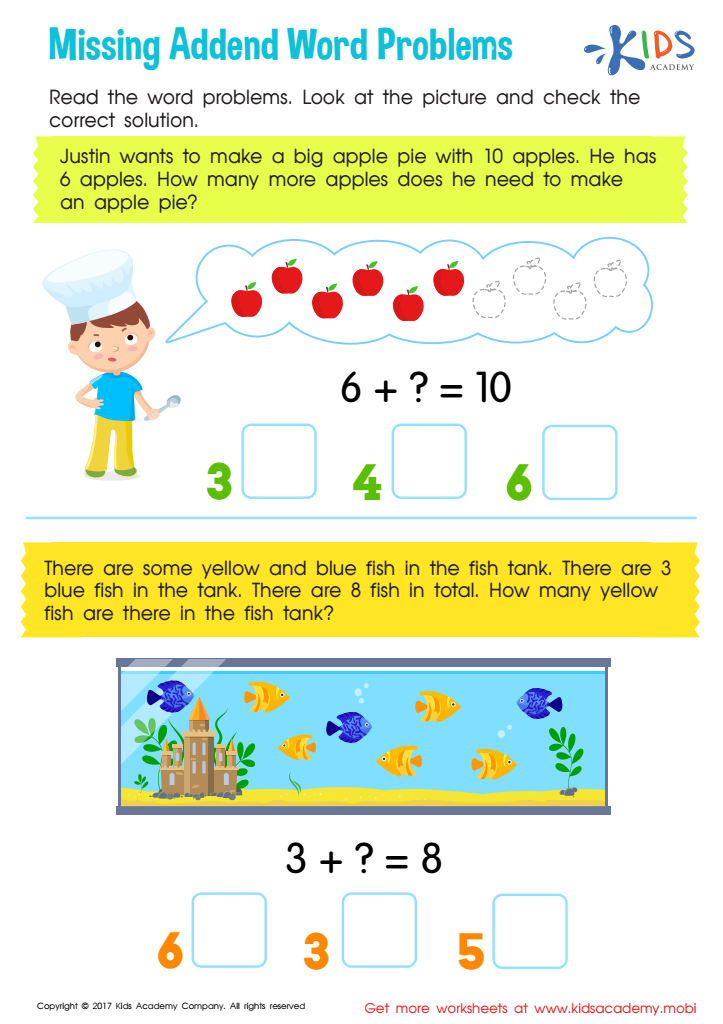
Missing Addend Word Problems Worksheet
 Assign to My Students
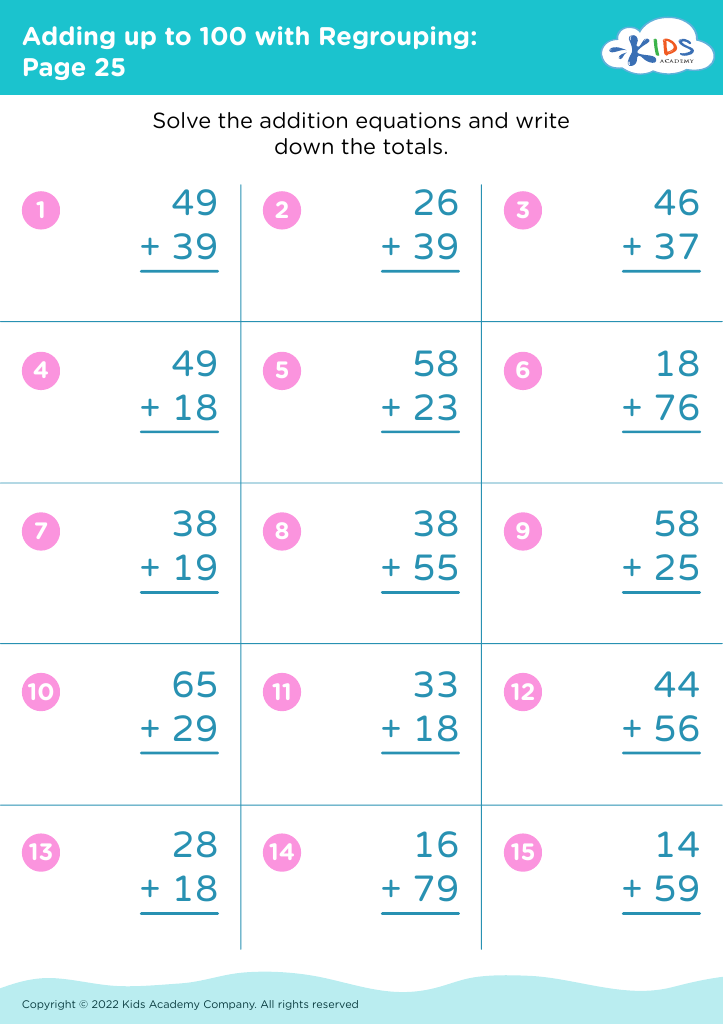
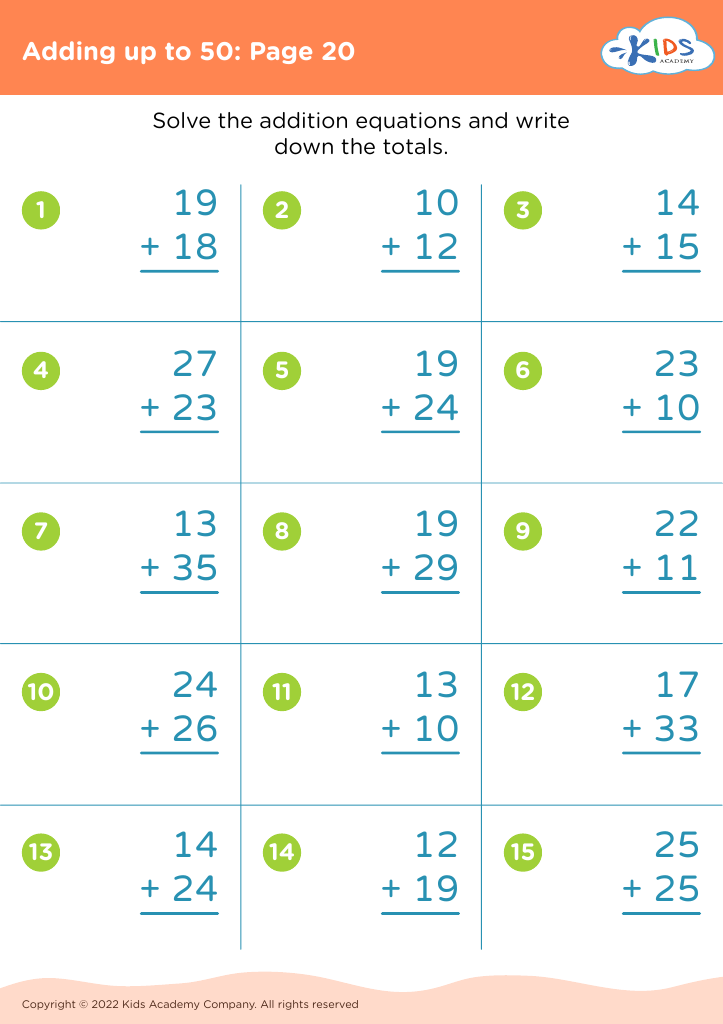
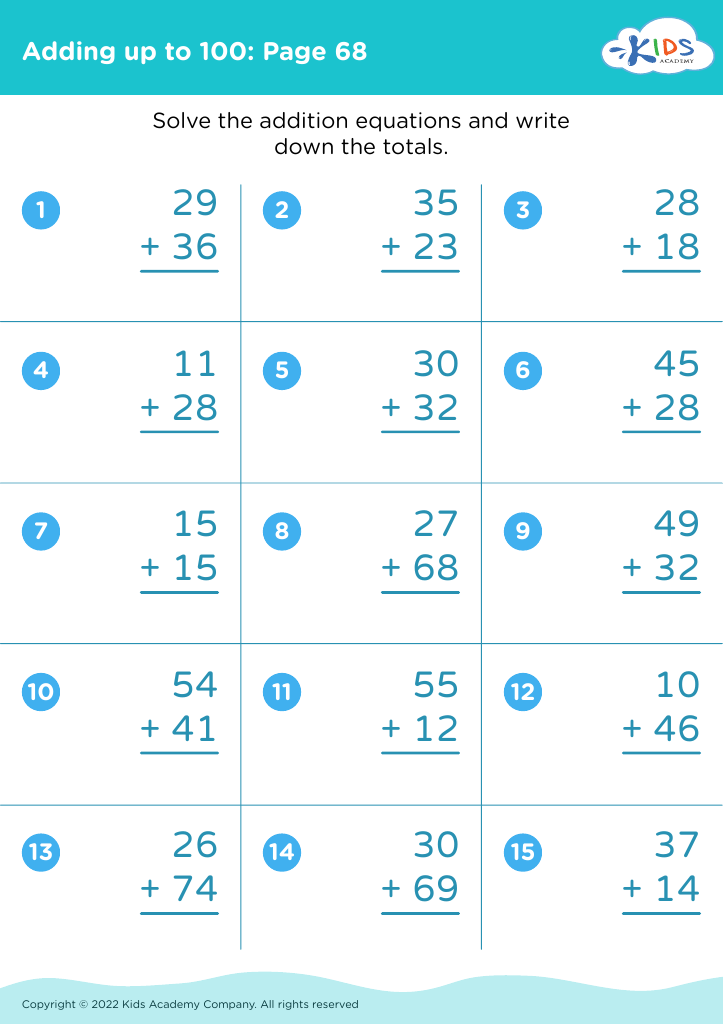








Parents and teachers should prioritize the development of problem-solving skills in addition and subtraction for children aged 7-9, as these foundational skills are critical for not only academic success but also real-world applications. At this age, children are transitioning from concrete understanding of math to applying these skills in more complex situations. Mastery in addition and subtraction underpins higher-order mathematical concepts such as multiplication, division, and even algebra.
Encouraging problem-solving in these areas fosters logical thinking and helps children to approach challenges systematically. Engaging children in activities that require them to decipher word problems or real-life scenarios promotes critical thinking and motivates them to find various strategies to arrive at the solution. This not only boosts their confidence but also instills a love for learning.
Additionally, proficient problem-solving skills equip children to navigate everyday financial decisions, time management, and even planning and estimating, which are vital life skills. By nurturing these competencies early on, parents and teachers lay the foundation for a child's analytical skills, resilience in the face of challenges, and academic independence. Ultimately, it prepares them for more advanced mathematical tasks and everyday situations they'll face as they grow.








