Enhance number recognition Addition & Subtraction Worksheets for Ages 7-9
17 filtered results
-
From - To
Unlock your child's potential with our Enhance Number Recognition Addition & Subtraction Worksheets for ages 7-9! Designed to boost math fluency, these worksheets focus on reinforcing essential number recognition skills alongside addition and subtraction practice. Each engaging exercise encourages learners to identify numbers confidently while solving various math problems. Perfect for classroom use or home learning, our interactive worksheets make mastering these foundational concepts fun and exciting. Facilitate a smooth transition from understanding numbers to applying them in mathematical operations, fostering both confidence and competence in maths. Explore our resources now and set your child on the path to success!
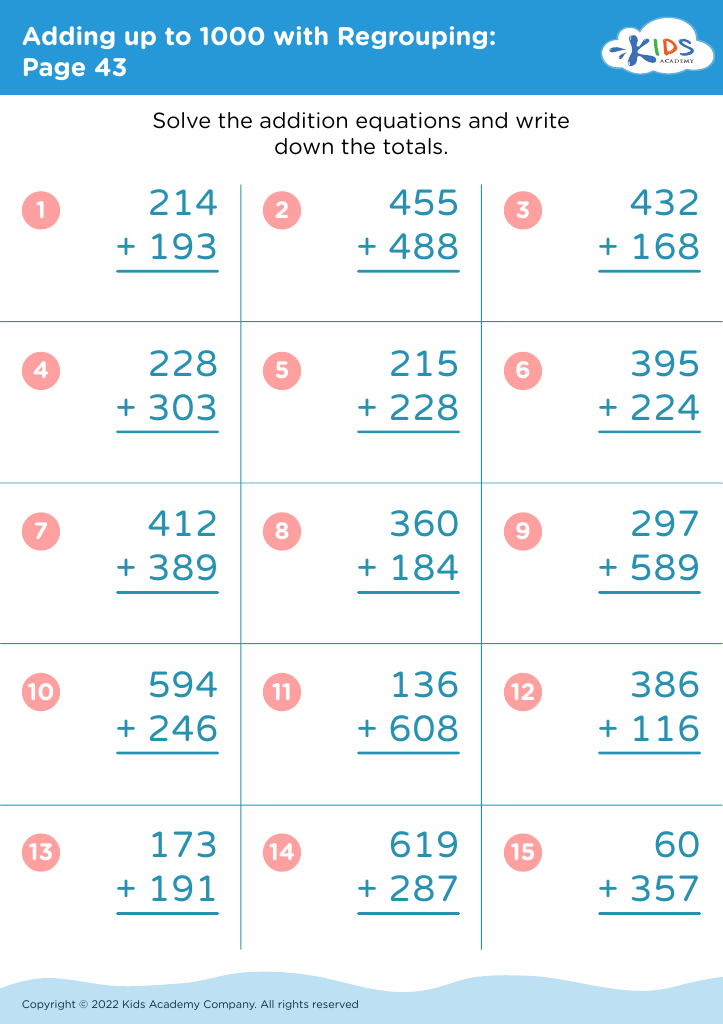
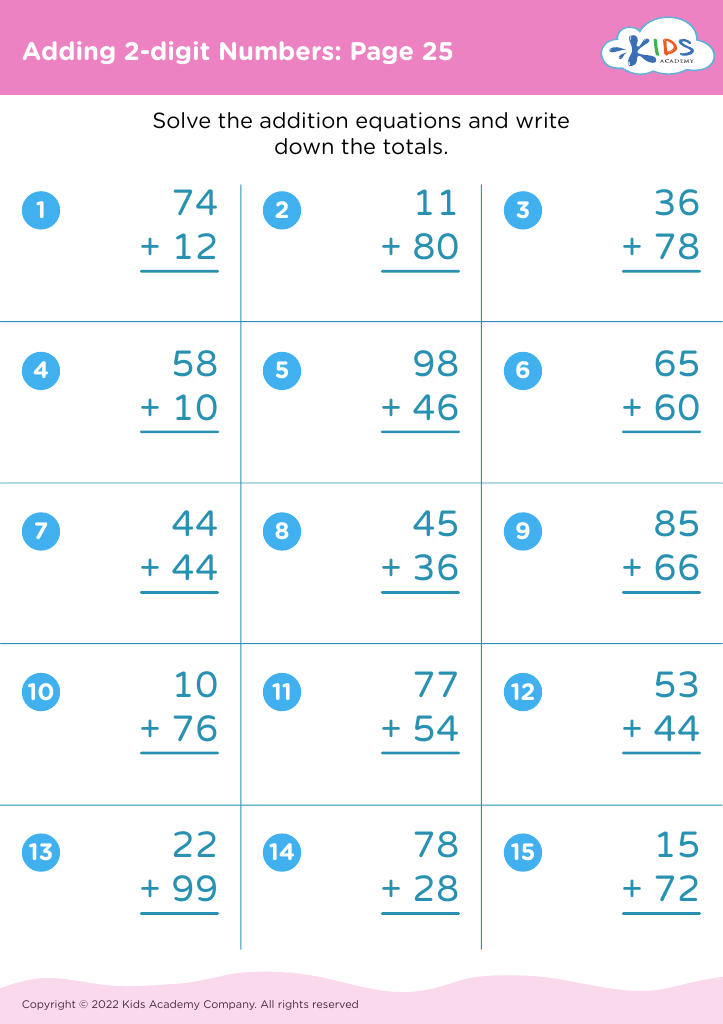
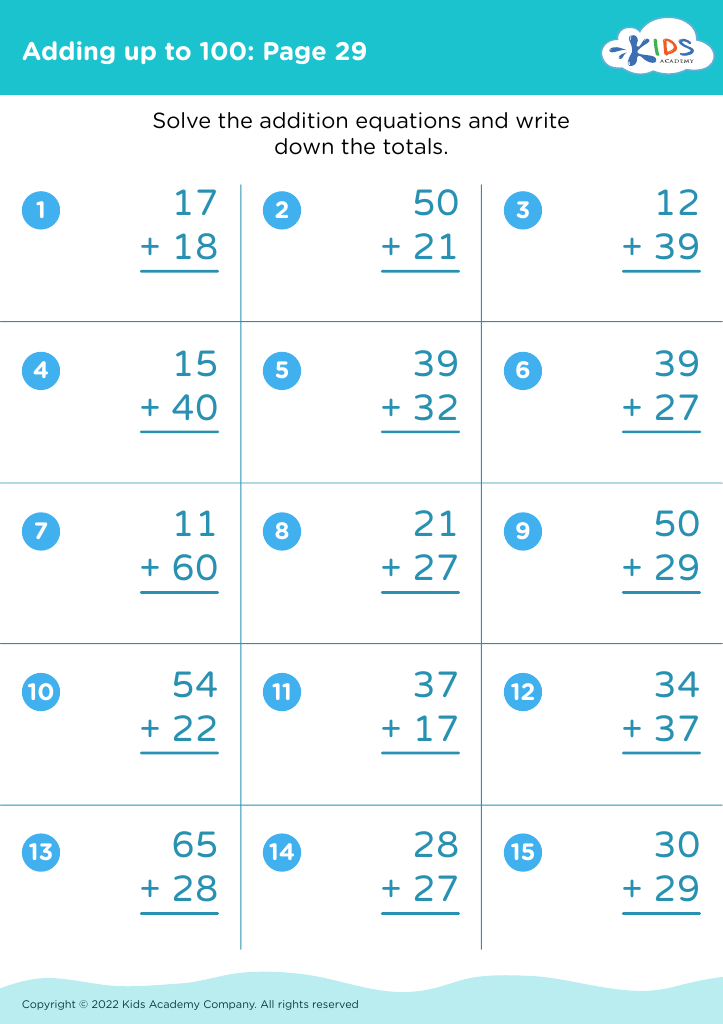
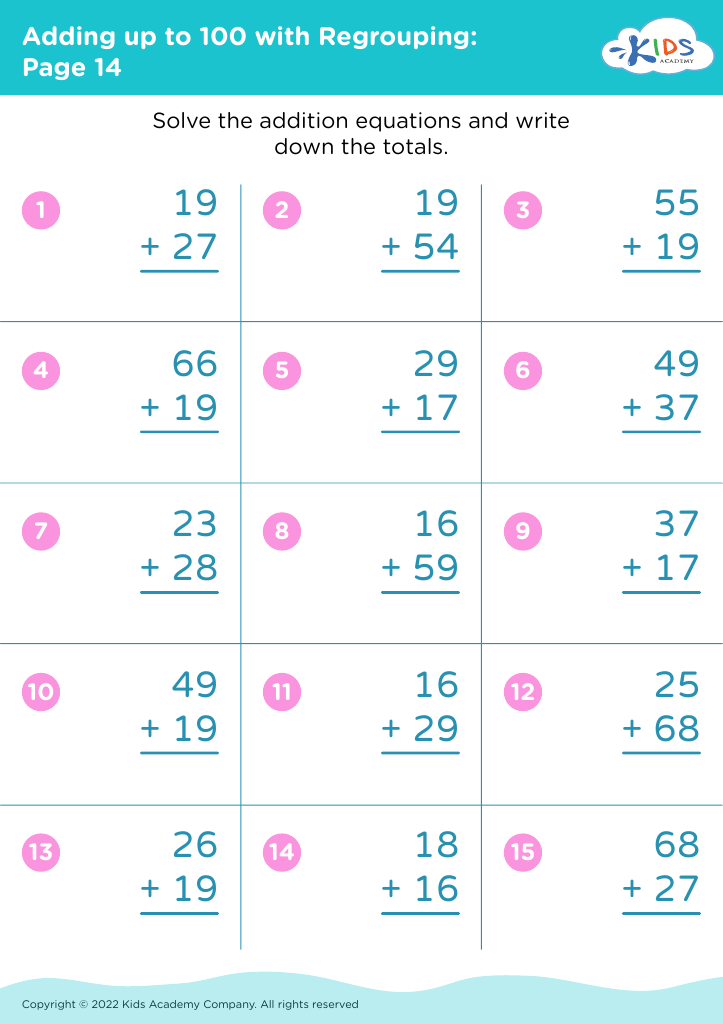
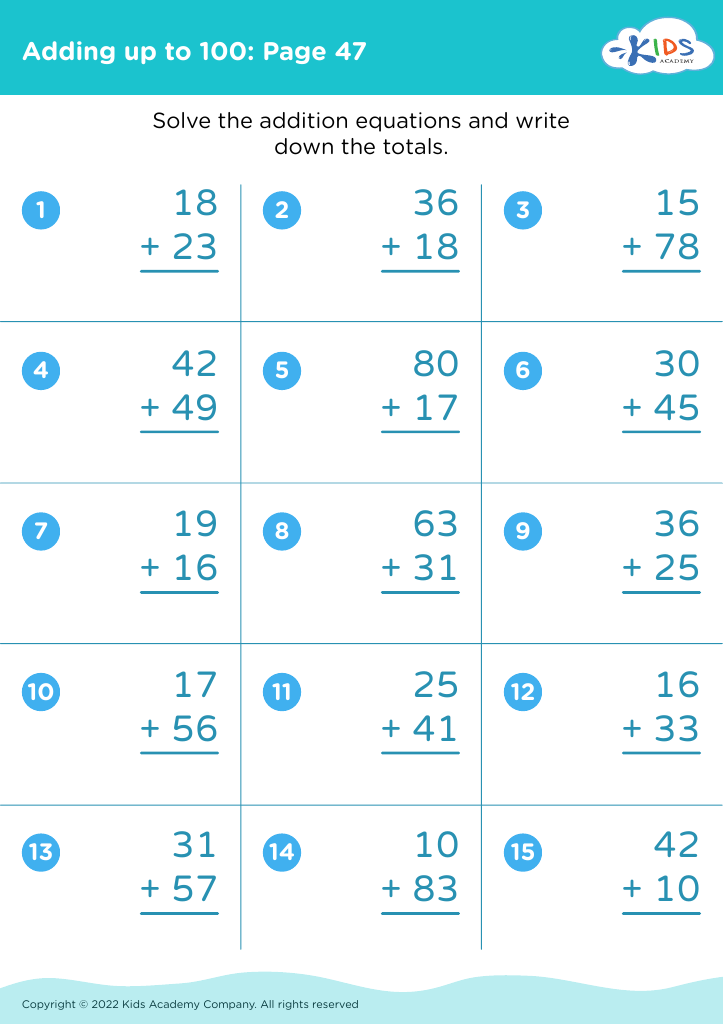
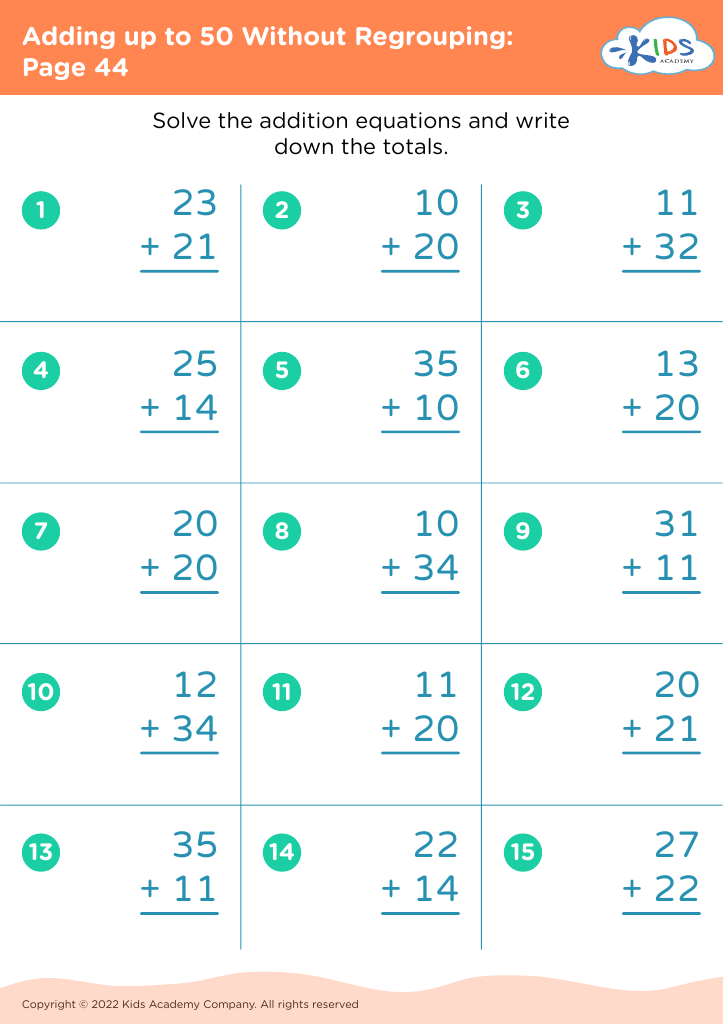
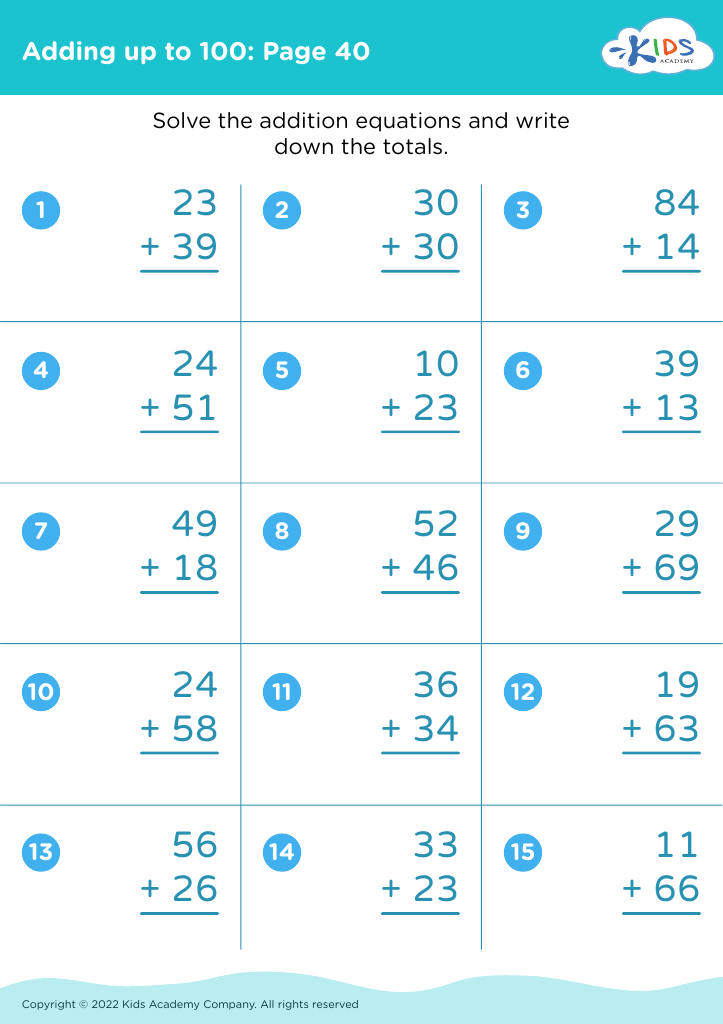
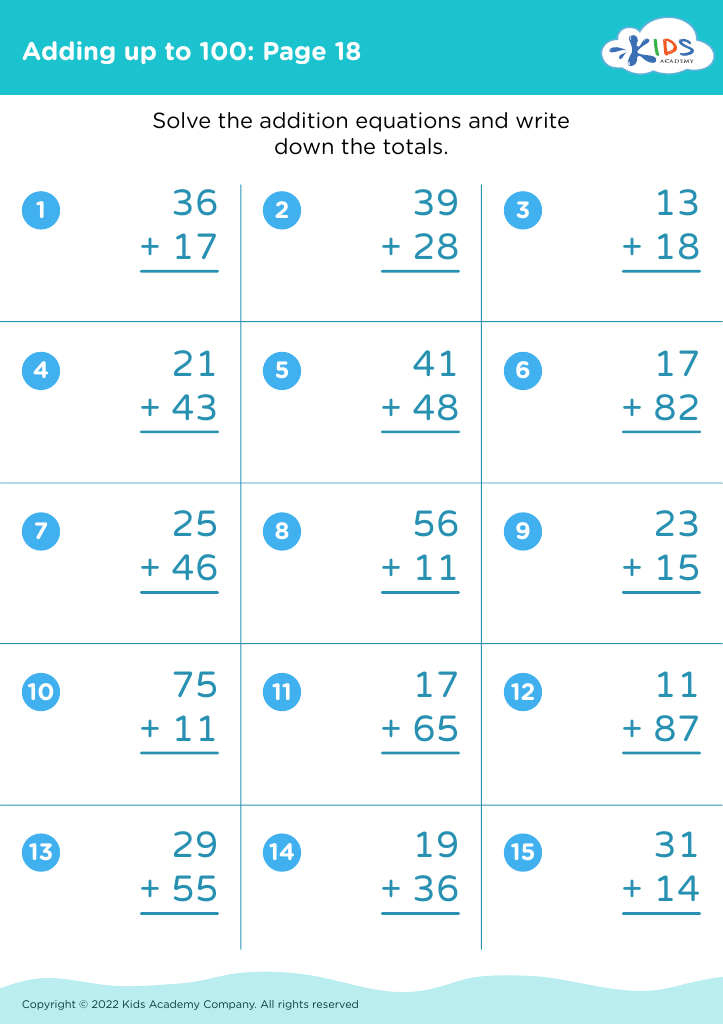
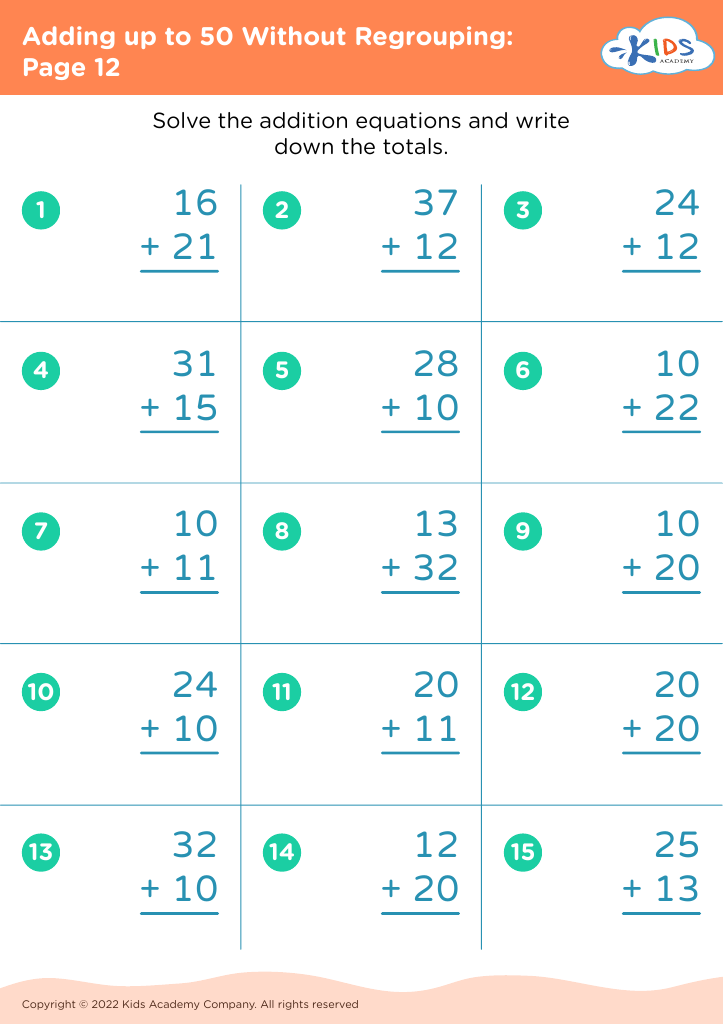
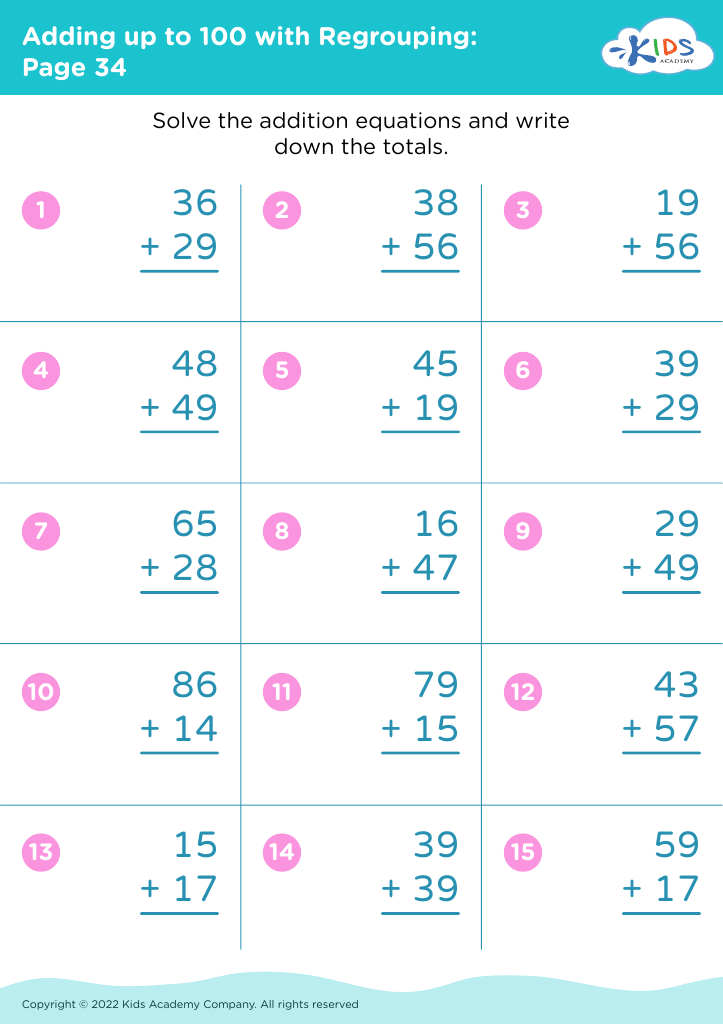
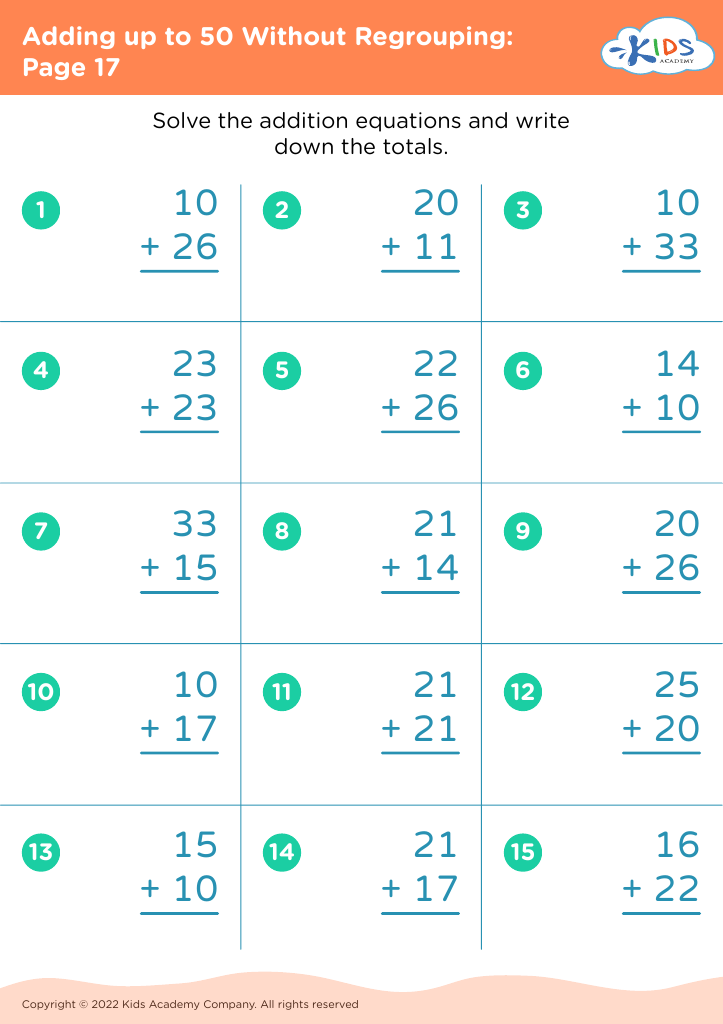
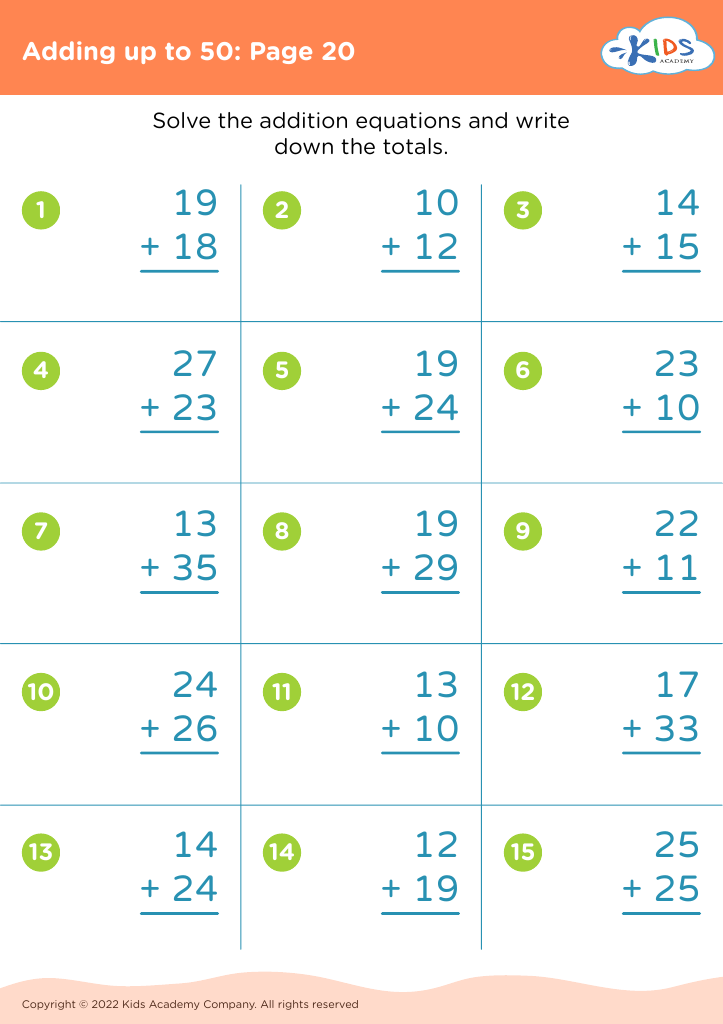
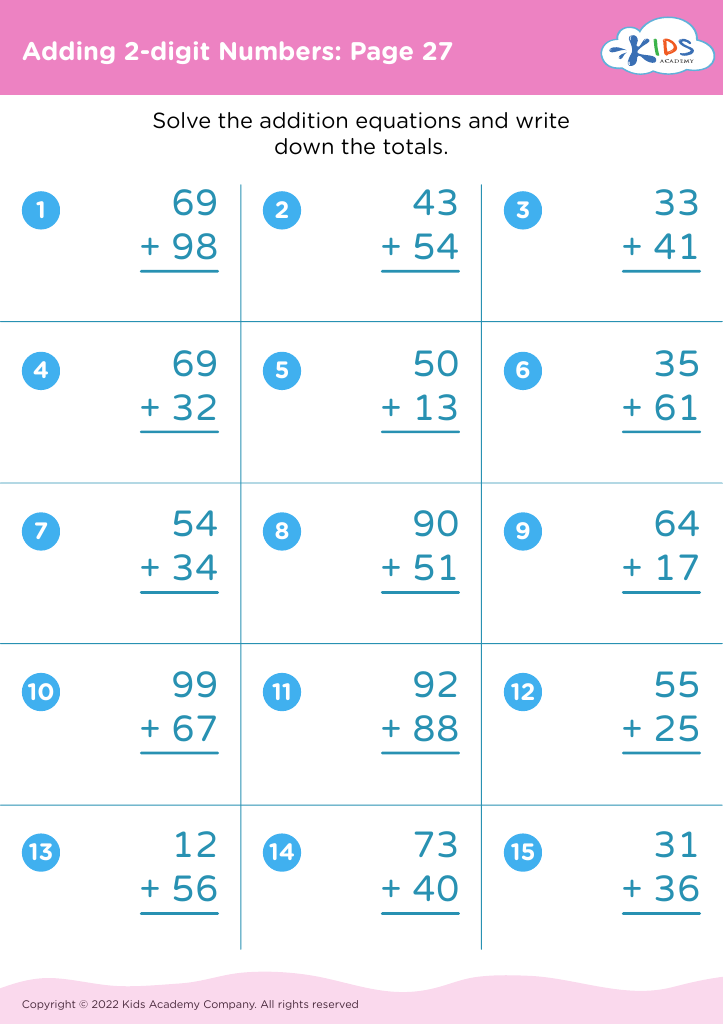








Enhancing number recognition, addition, and subtraction skills in children aged 7-9 is crucial for their overall mathematical development. At this age, children are transitioning from foundational concepts to more complex operations, and mastery in these areas lays the groundwork for future learning. Strong number recognition not only helps students accurately identify and understand numbers but also boosts their confidence in problem-solving.
Moreover, addition and subtraction are fundamental skills used in everyday situations, from managing money to measuring ingredients for recipes. Developing these skills early ensures children are well-prepared for higher-level math concepts, which often build on these core competencies.
Additionally, when teachers and parents prioritize these skills, they foster positive attitudes toward mathematics. Engaging in fun and interactive activities can make learning enjoyable, encouraging children to embrace challenges. Regular practice and reinforcement can also help identify any areas where a child may struggle, allowing for timely intervention.
In an increasingly technology-driven world, strong foundational skills in math are essential not only for academic success but also for critical thinking and problem-solving in real-life scenarios. Therefore, focusing on enhancing these skills in young learners is vital for their cognitive development and future opportunities.








