Fraction identification Addition & Subtraction Worksheets for Ages 7-9
5 filtered results
-
From - To
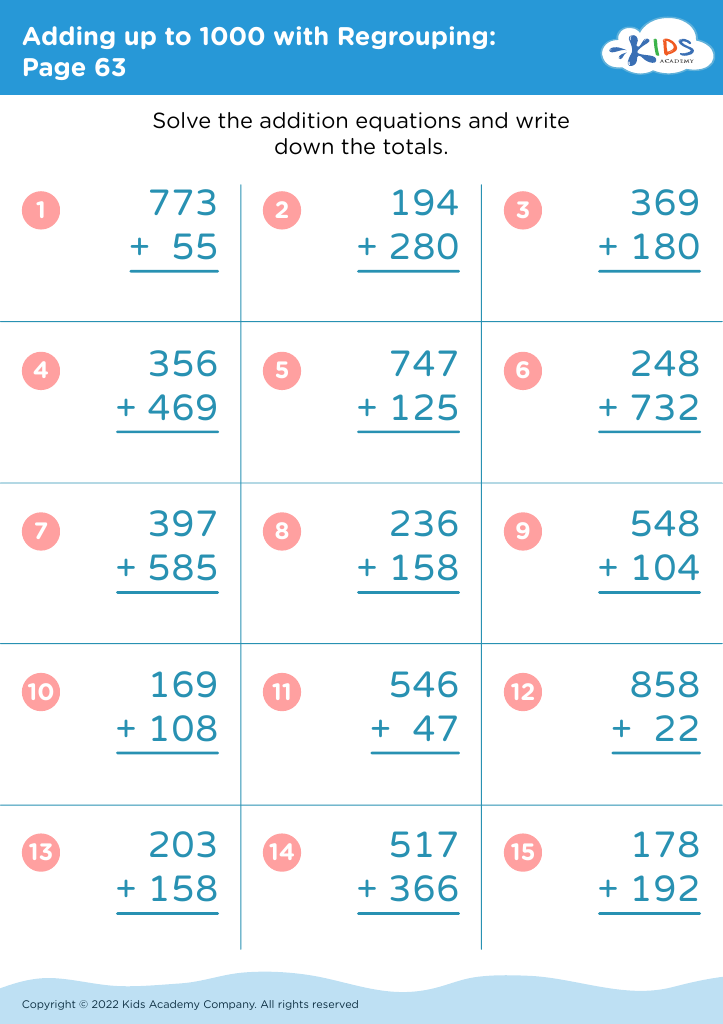
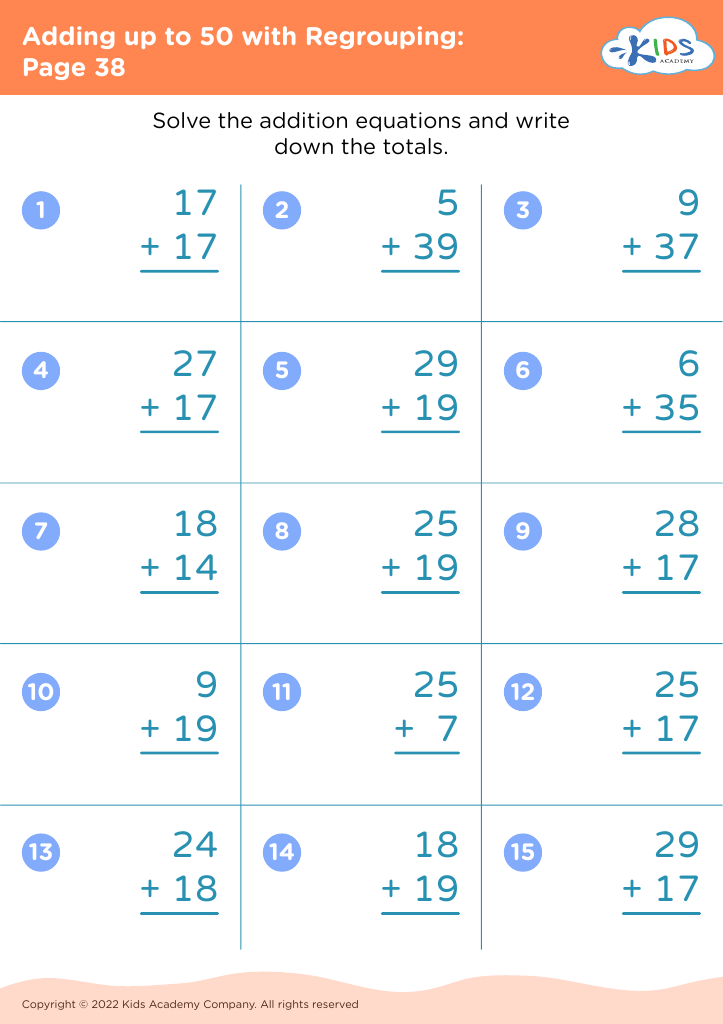
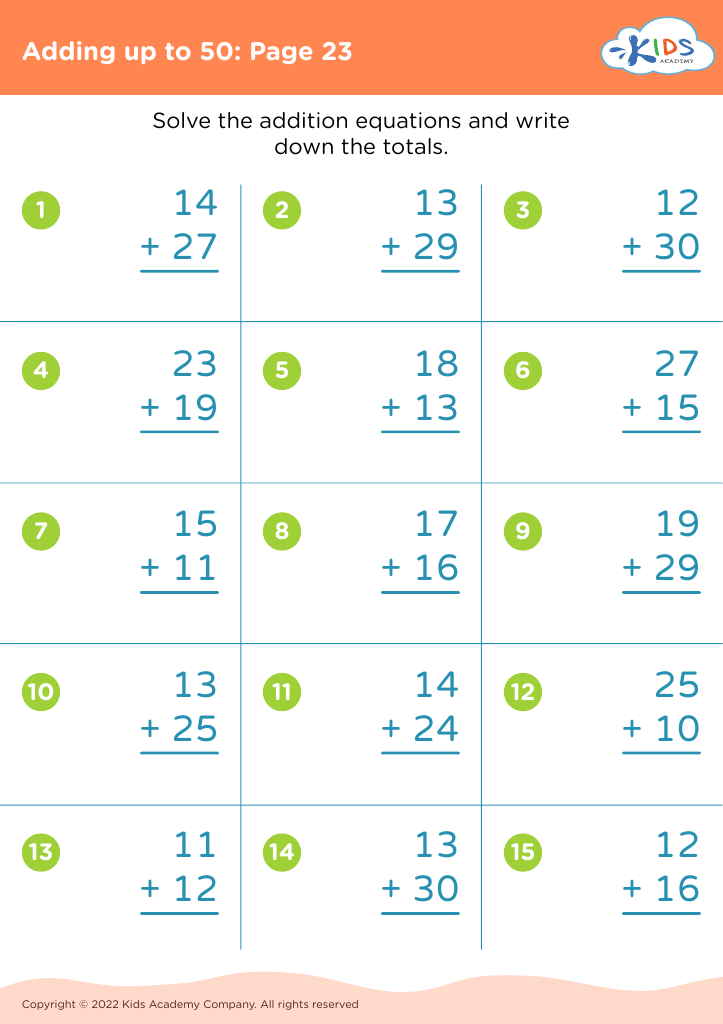
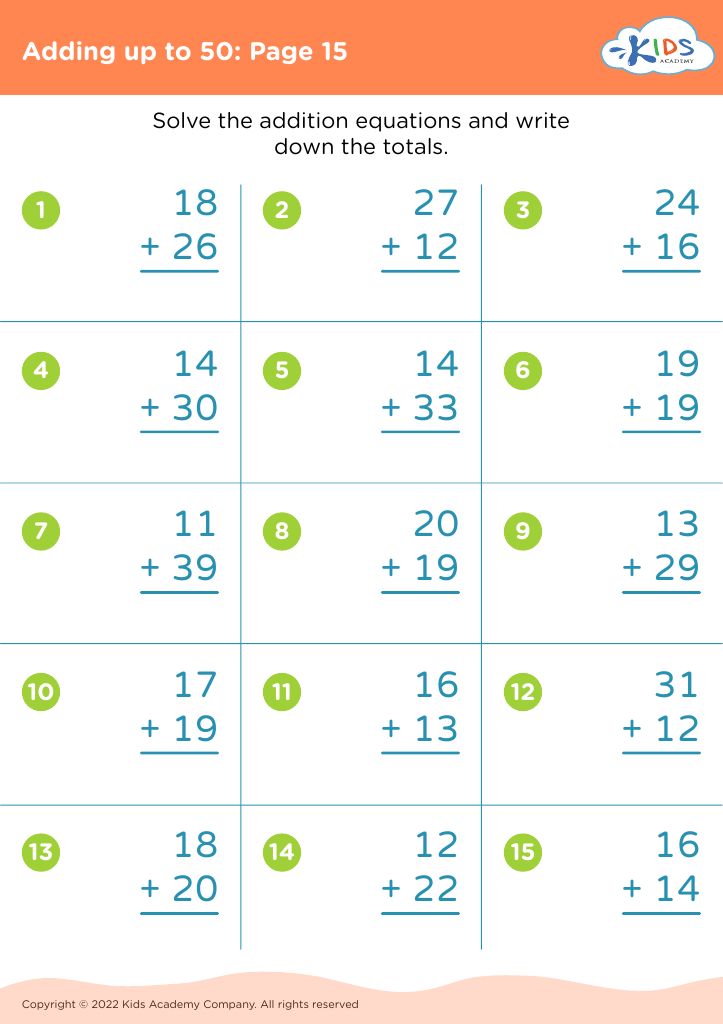
Explore our engaging Fraction Identification Addition & Subtraction Worksheets tailored for children aged 7-9! These worksheets are designed to help young learners grasp the concepts of fractions, addition, and subtraction in a fun and interactive way. Each worksheet features colorful visuals and relatable examples that make it easier for kids to understand fraction concepts and perform basic calculations. Ideal for both classroom settings and at-home practice, our worksheets encourage critical thinking and strengthen mathematical skills. Perfect for enhancing your child's confidence in math, these resources are essential for building a strong foundation in understanding fractions. Download now for enriching learning experiences!
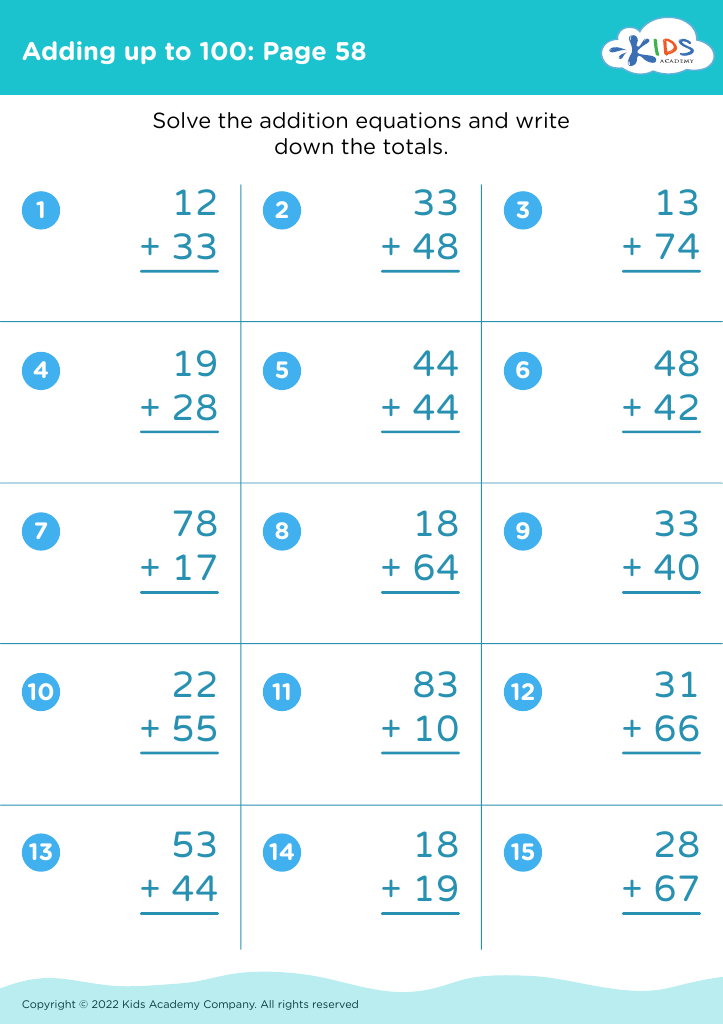








Parents and teachers should prioritize understanding fraction identification, addition, and subtraction for children aged 7-9 because these skills lay the foundation for more advanced mathematical concepts. At this age, students are transitioning from concrete to abstract thinking; thus, grasping fractions helps them appreciate part-whole relationships critical in daily life situations, such as cooking or sharing.
Learning fractions aids in developing problem-solving skills. When children work with fractions, they enhance their understanding of ratios and proportions, crucial for later subjects like algebra and geometry. Additionally, proficiency in fractions is pivotal as it supports comprehension in related topics, including decimal concepts and percentages, building a well-rounded mathematical aptitude.
Moreover, fractions often pose challenges for young learners, making it essential for teachers and parents to be supportive. Engaging children with practical examples and interactive approaches can augment their confidence and foster a positive attitude toward math. By emphasizing these skills now, parents and teachers position students for greater success in future academic pursuits, supporting overall critical thinking and analytical skills essential in and outside the classroom. Consequently, nurturing these concepts can lead to lifelong benefits in finance, problem-solving, and logical reasoning, preparing children for real-world challenges.








