Identifying shapes Addition & Subtraction Worksheets for Ages 7-9
25 filtered results
-
From - To
Discover our engaging Identifying Shapes Addition & Subtraction Worksheets designed specifically for children aged 7-9. These interactive worksheets combine essential math skills with fun shape recognition activities, making learning enjoyable and effective. As students practice addition and subtraction, they will identify and classify various shapes, enhancing both their math and spatial awareness. Perfect for the classroom or home, these worksheets foster critical thinking, problem-solving, and creativity. With clear instructions and colorful illustrations, kids will not only improve their arithmetic skills but also gain confidence in their understanding of geometry. Explore our collection today and spark a love for learning!
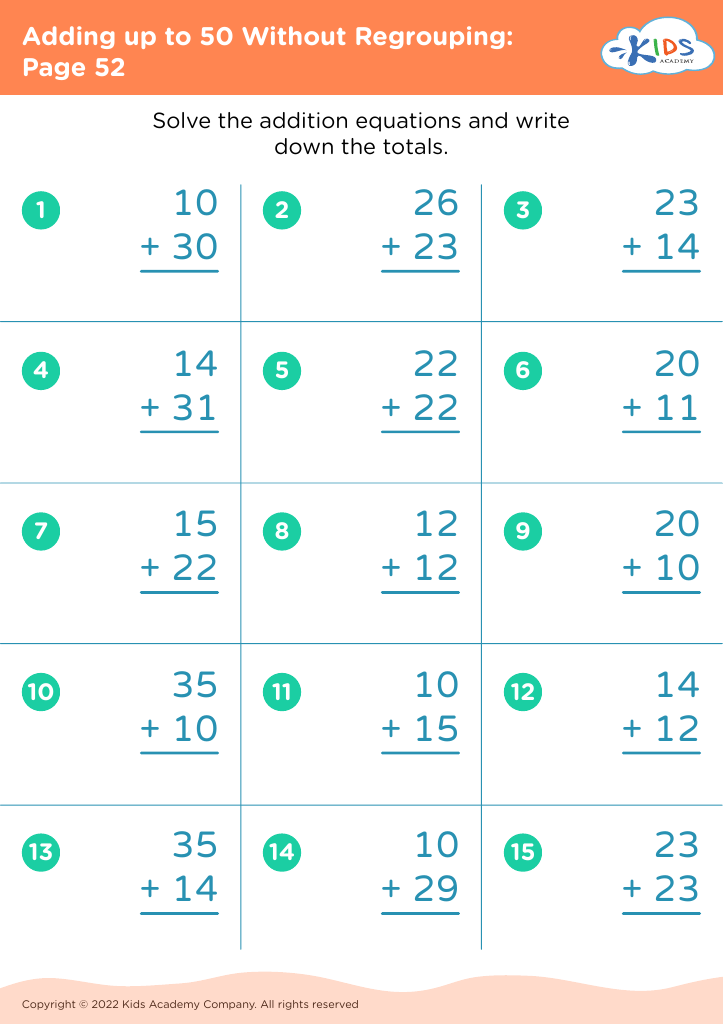
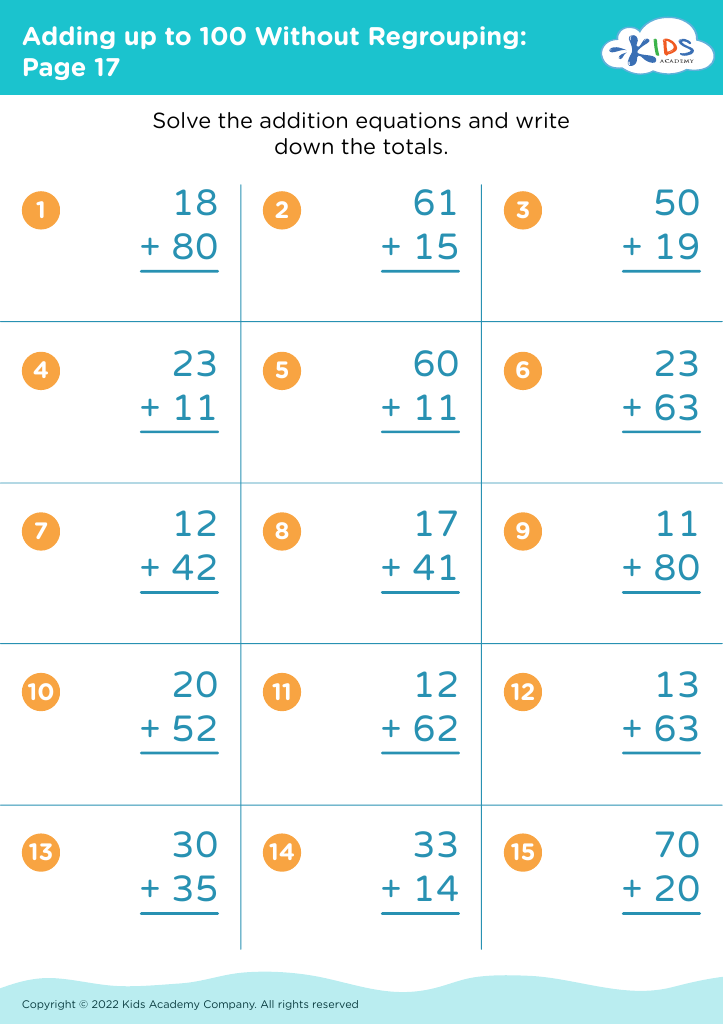
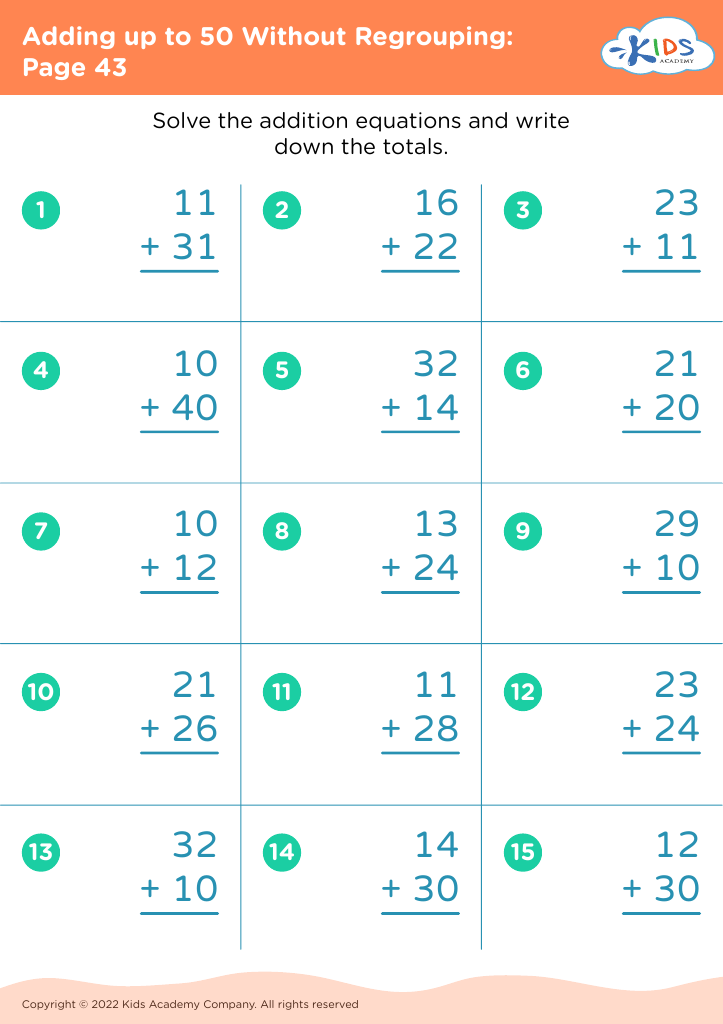
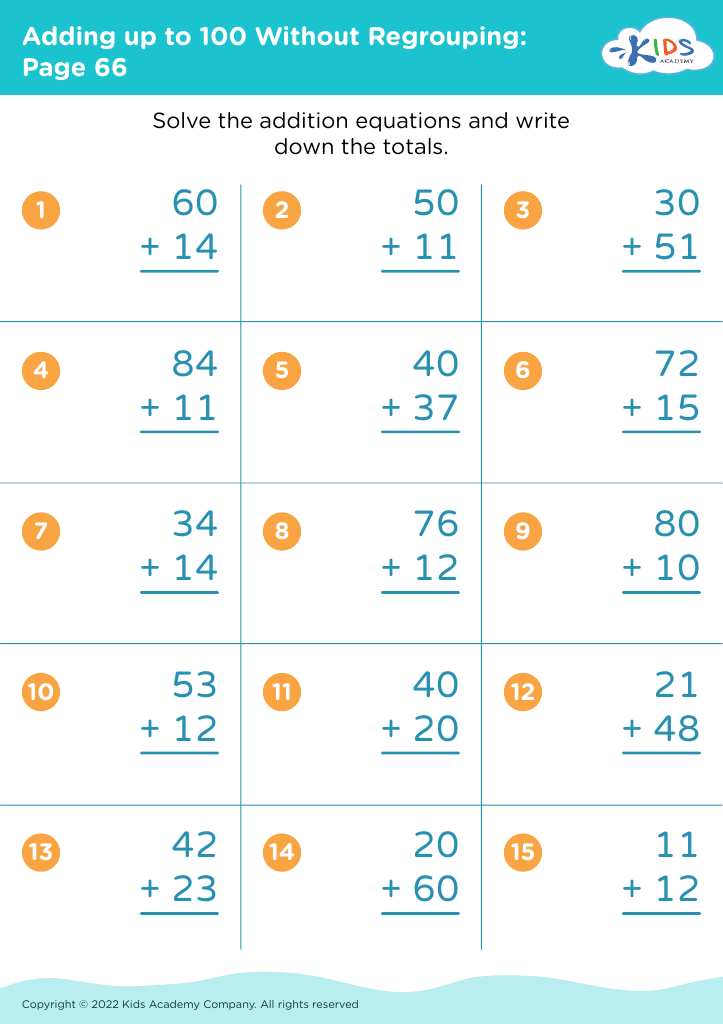
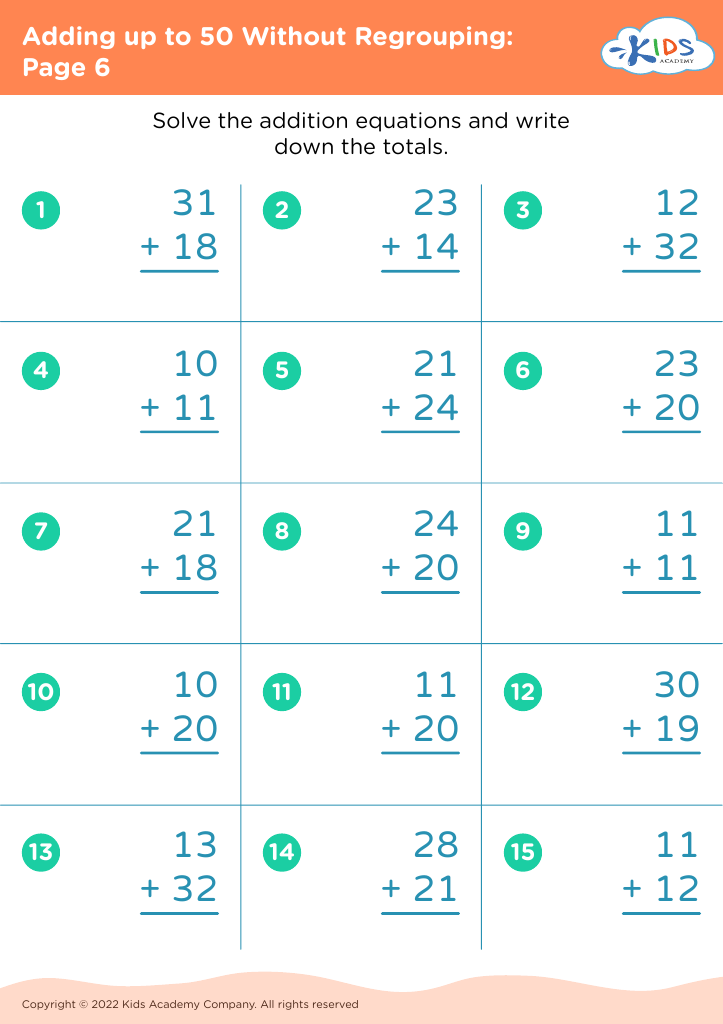
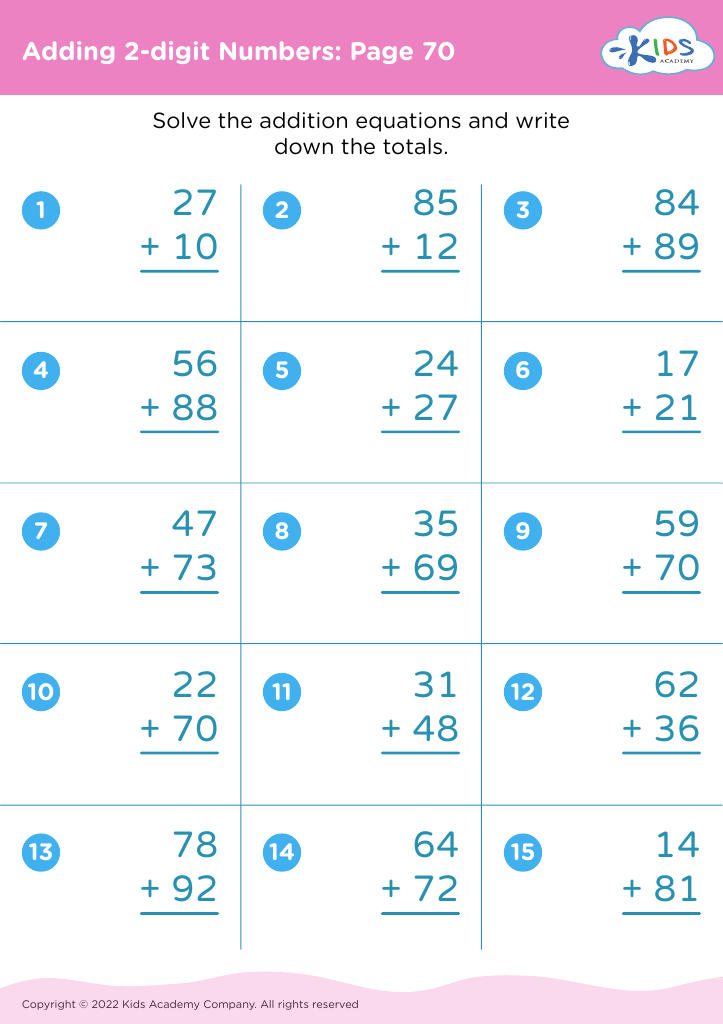
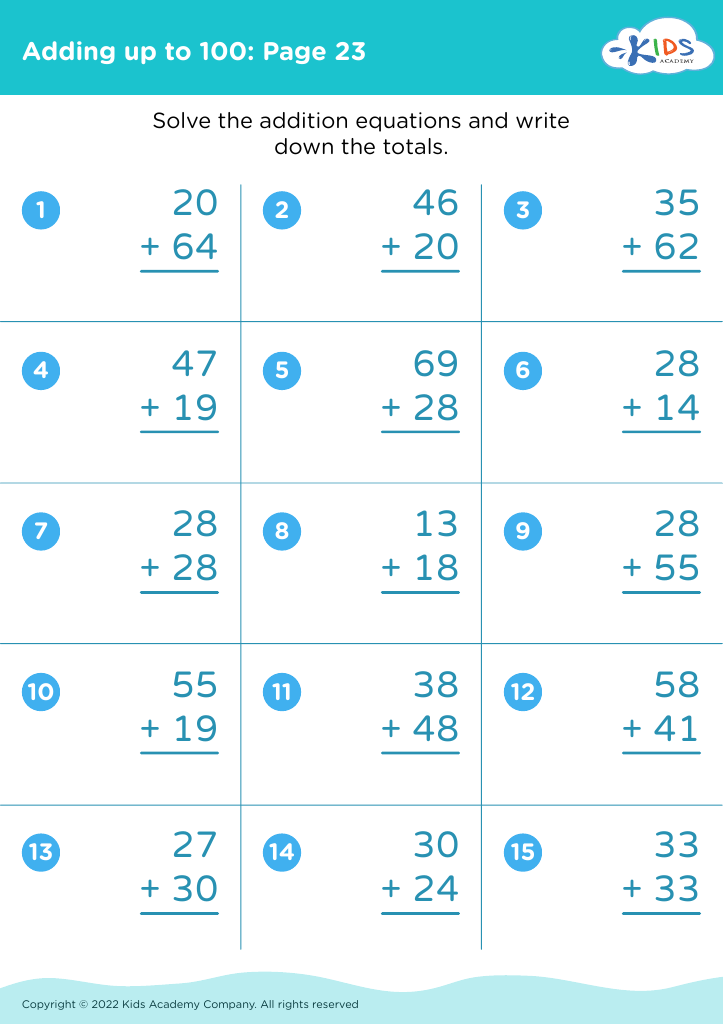
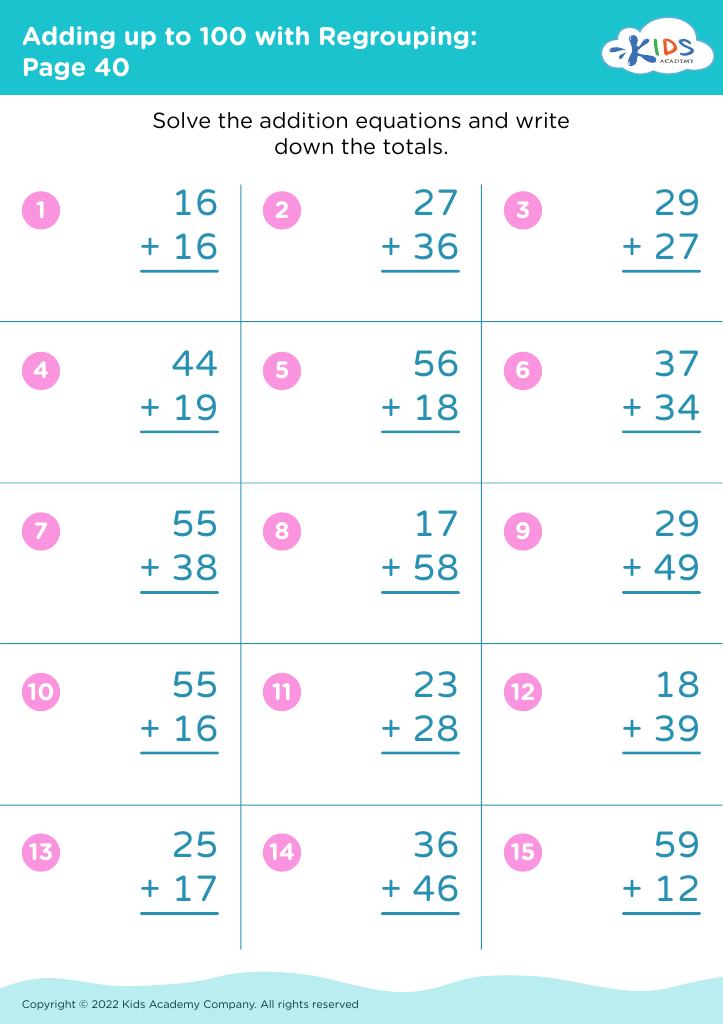
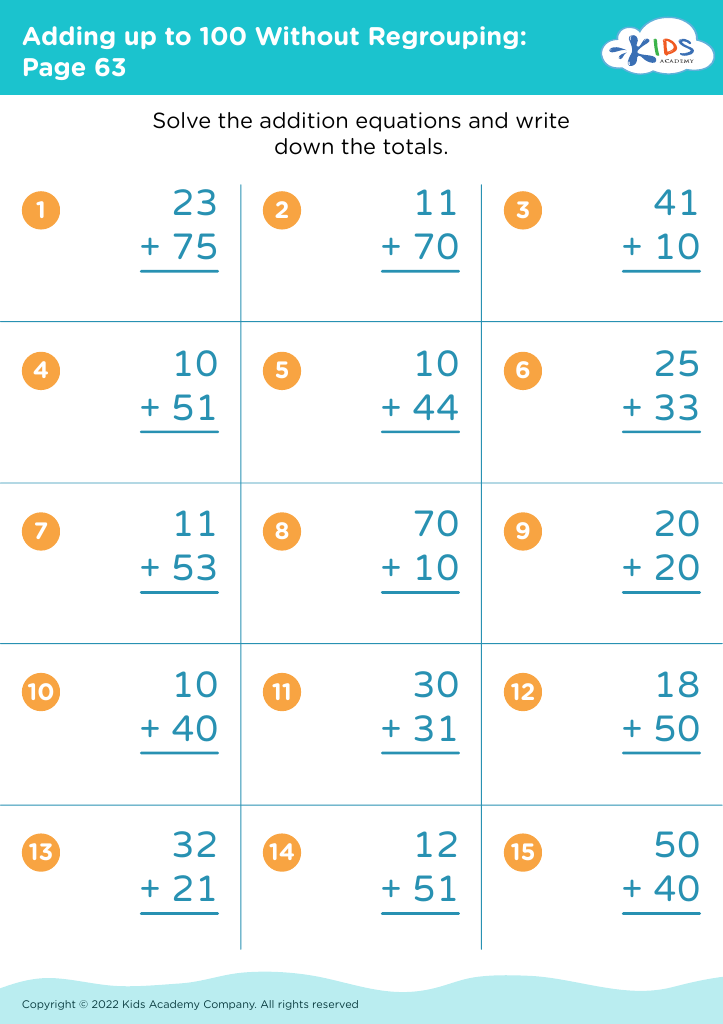
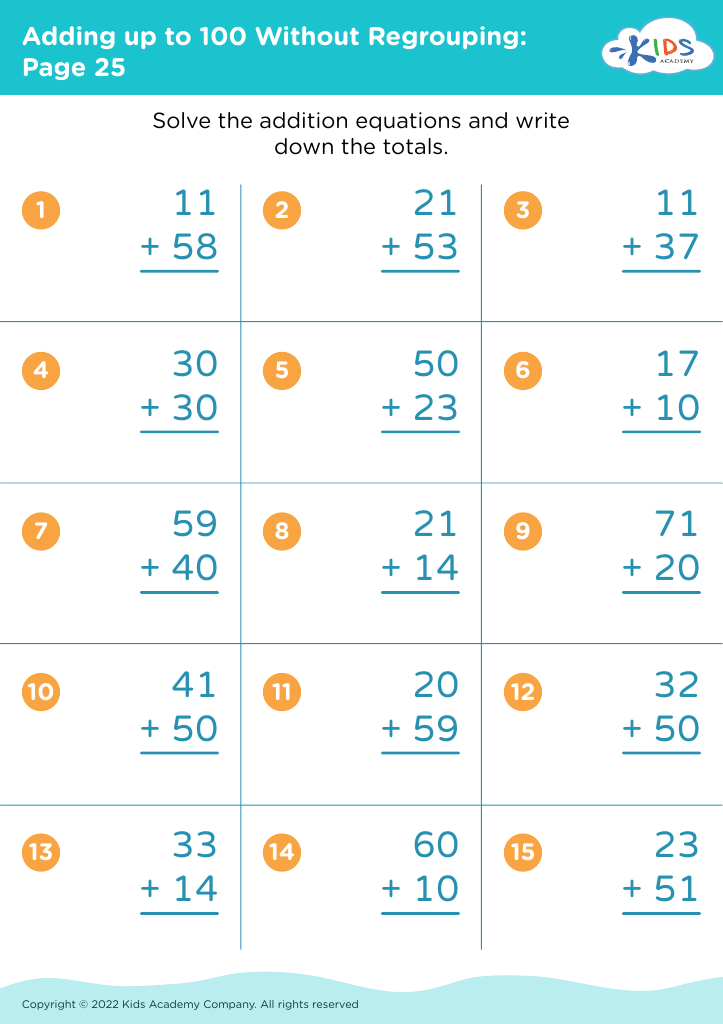
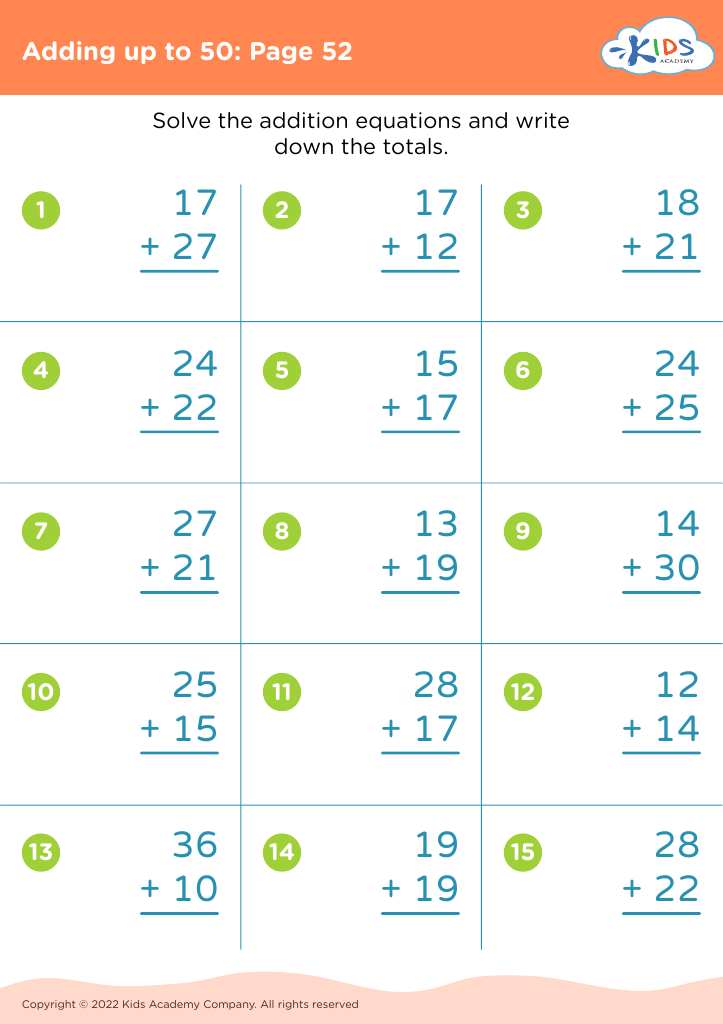
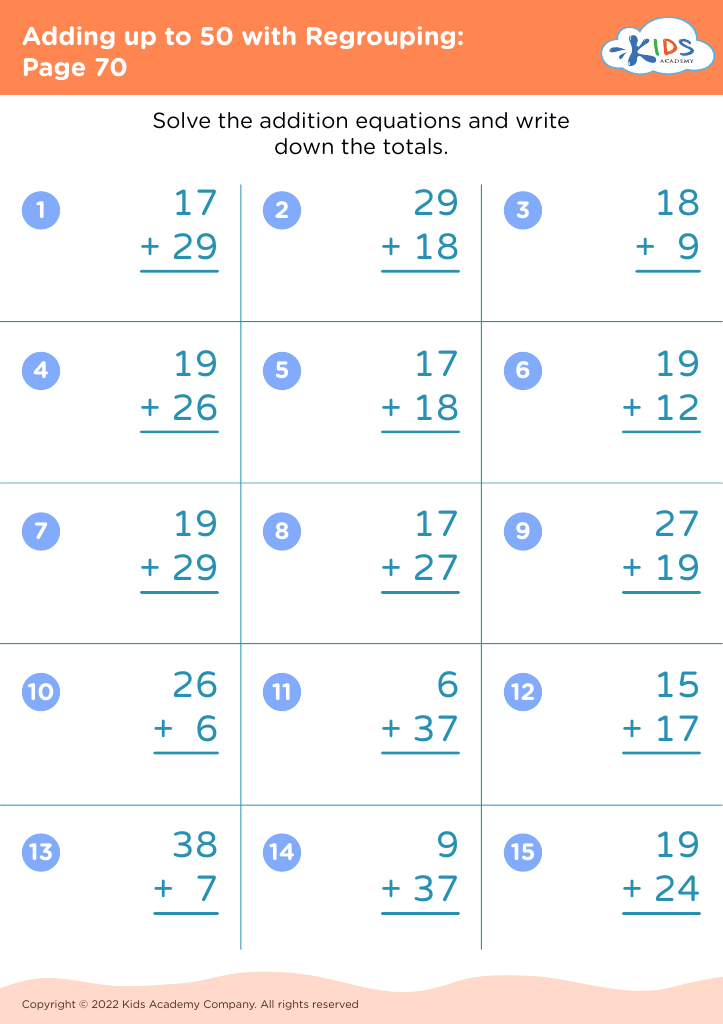
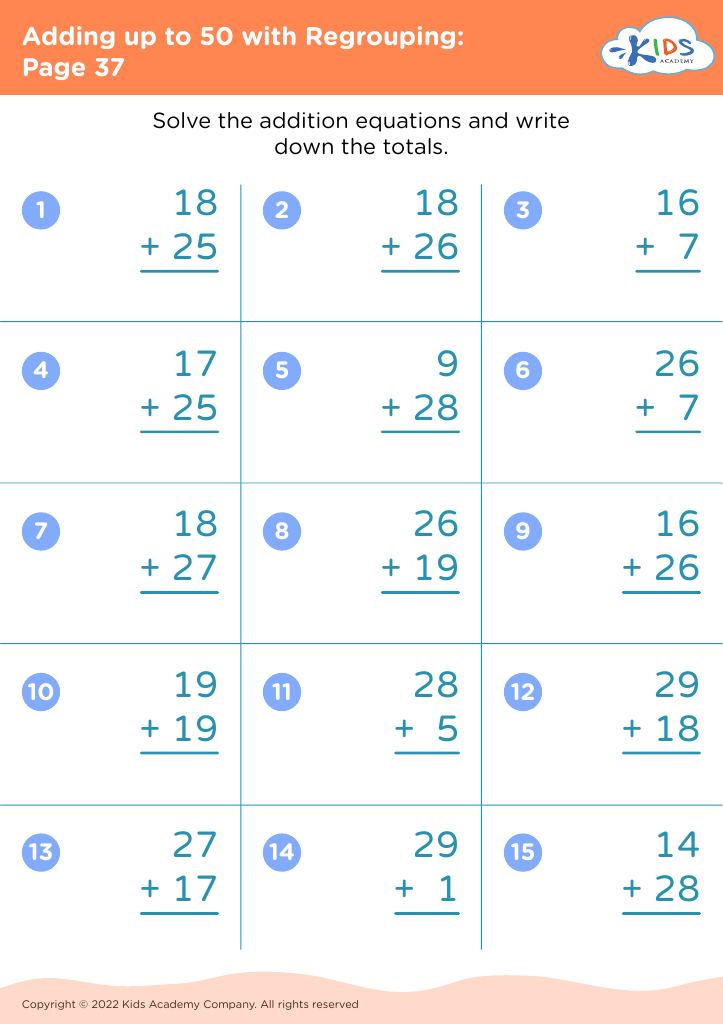
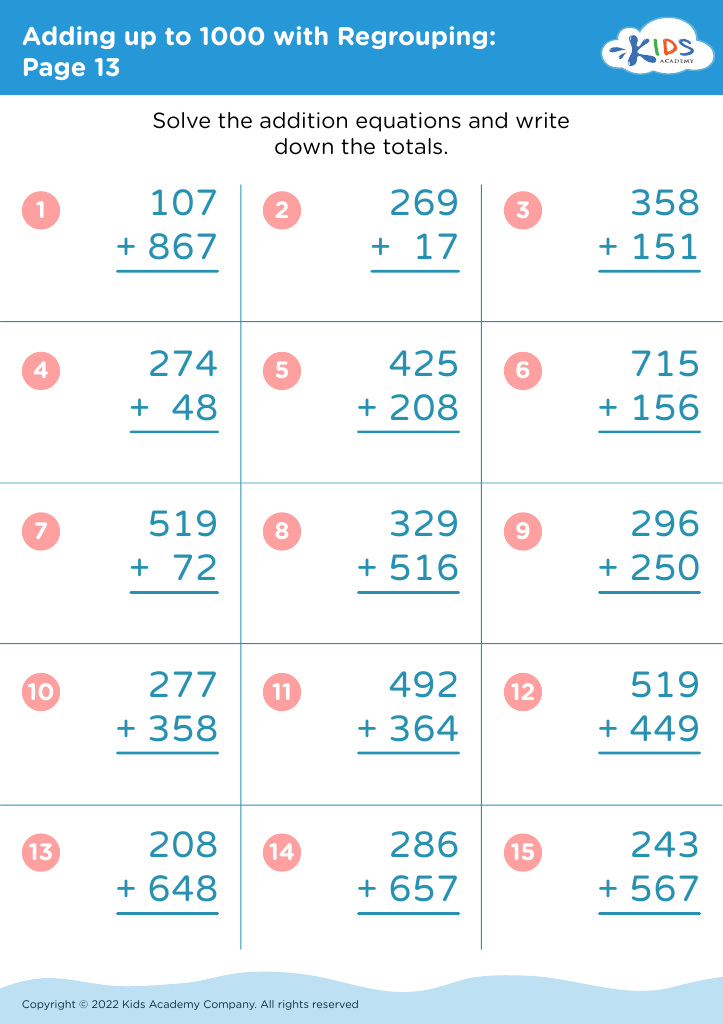
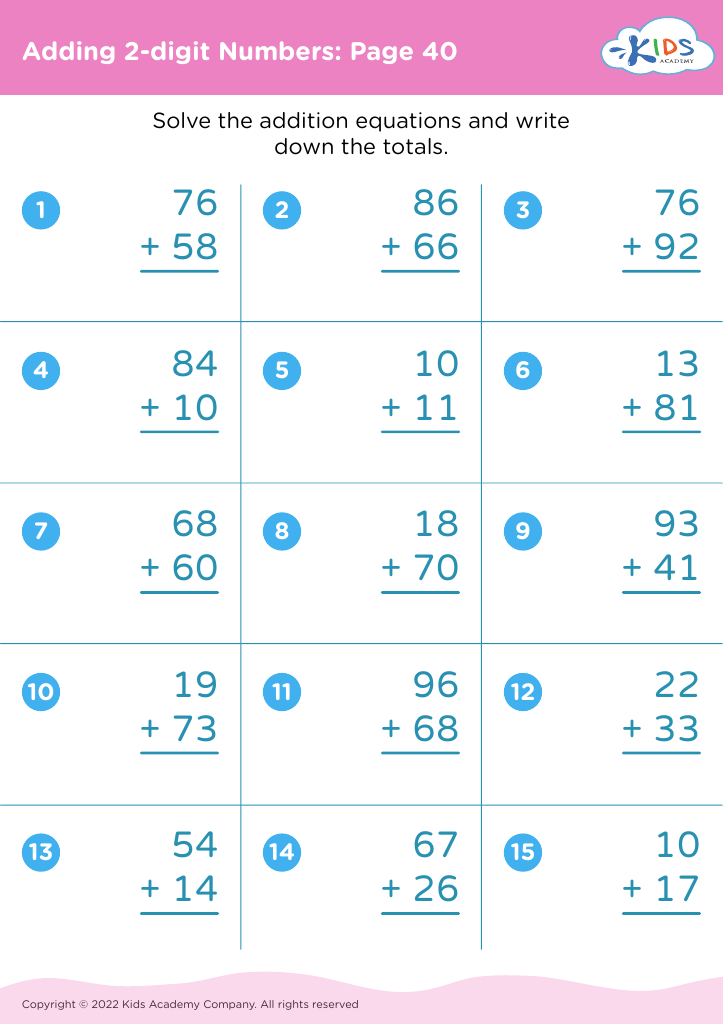
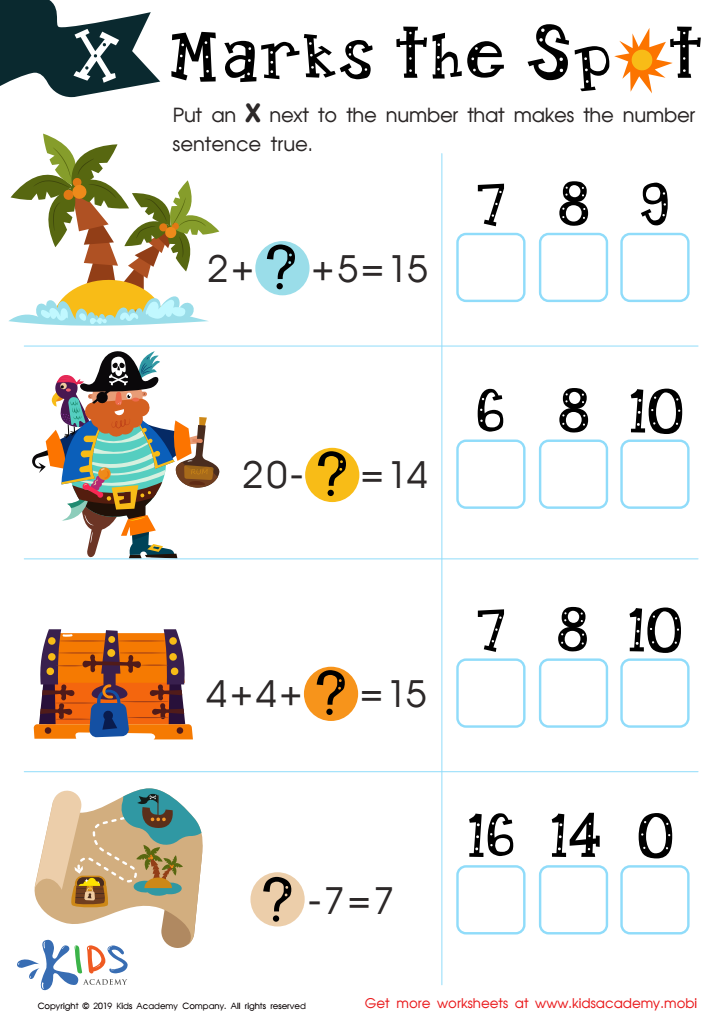
X Marks the Spot Worksheet
 Assign to My Students
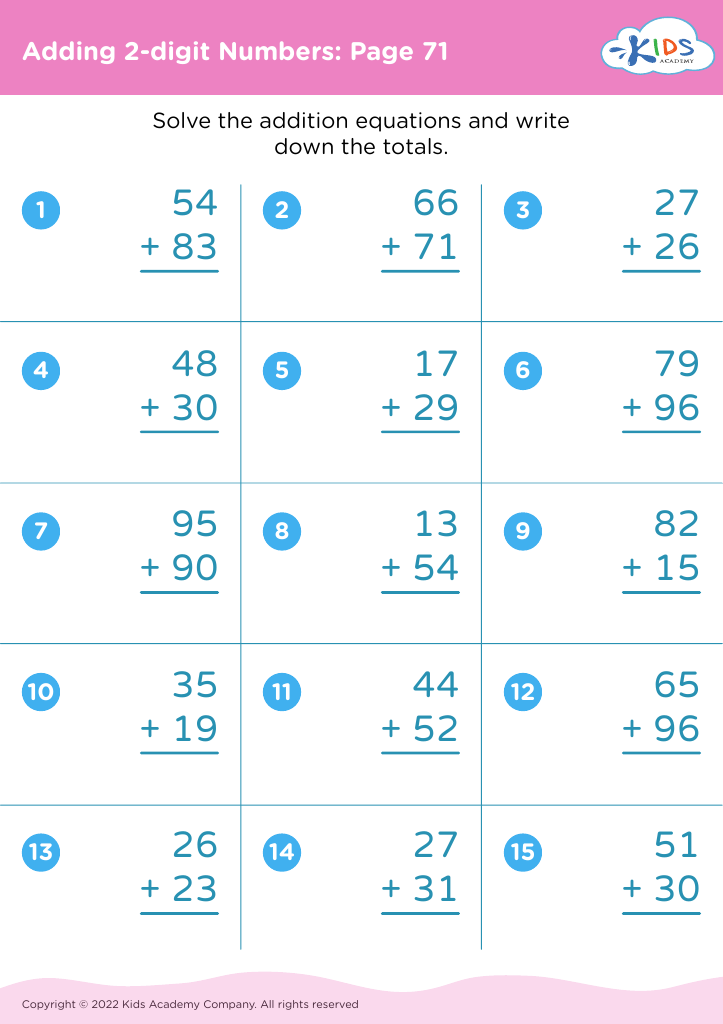
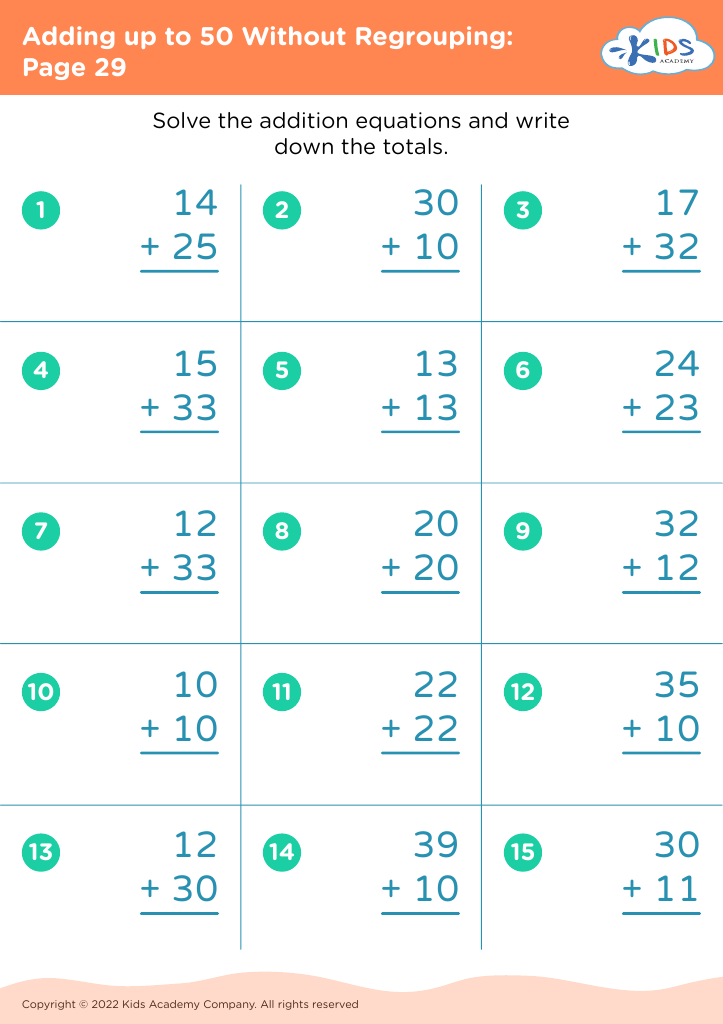
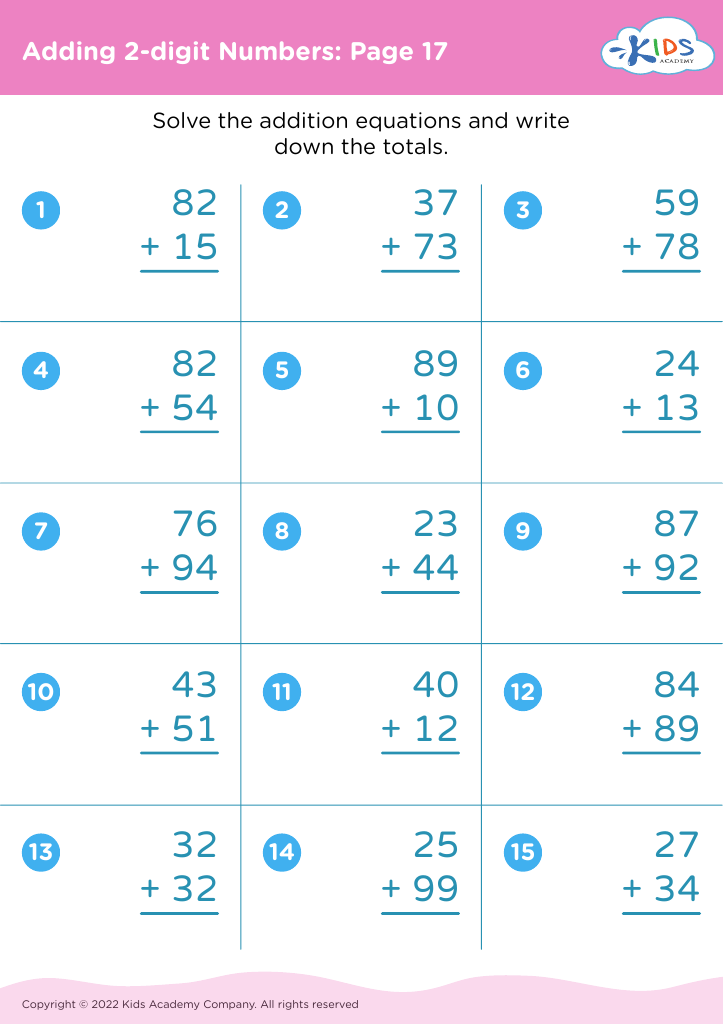
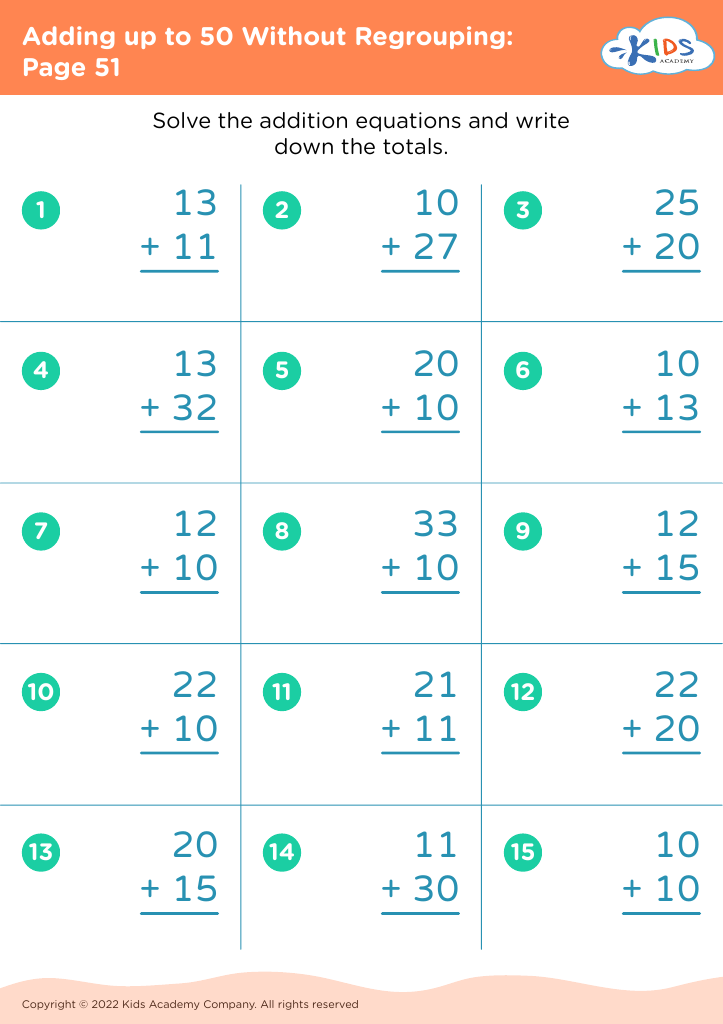
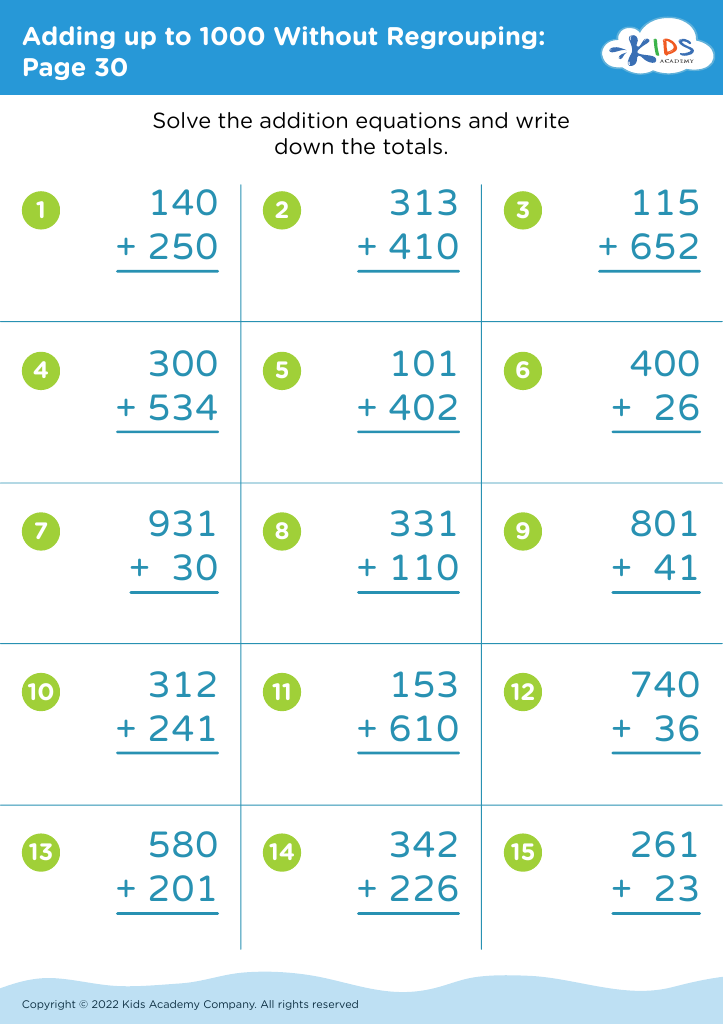
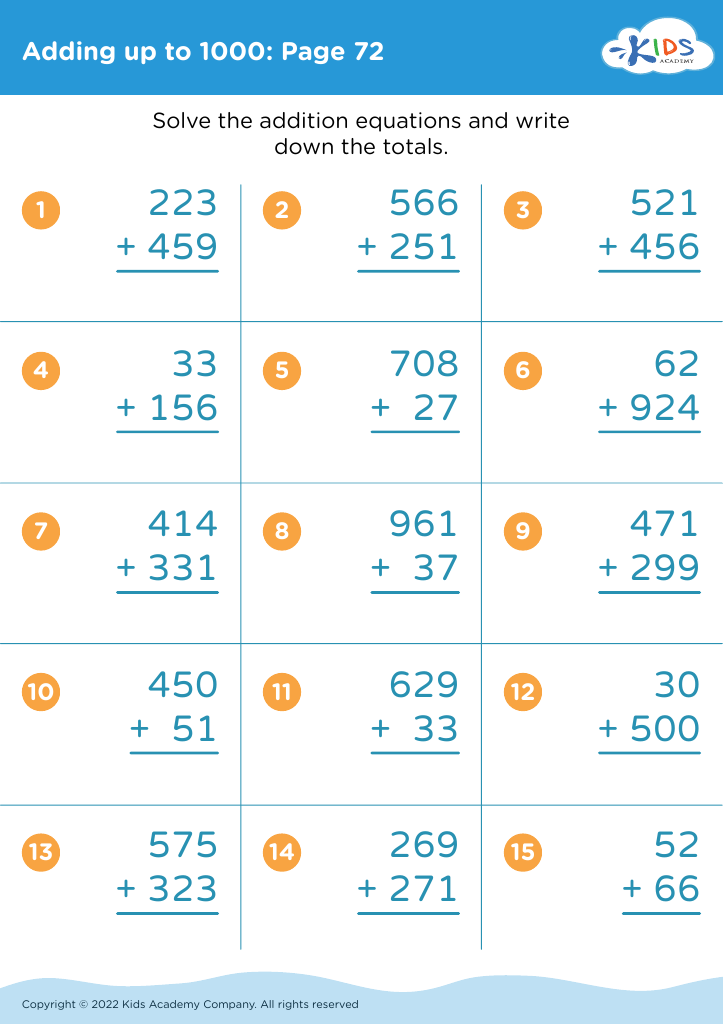
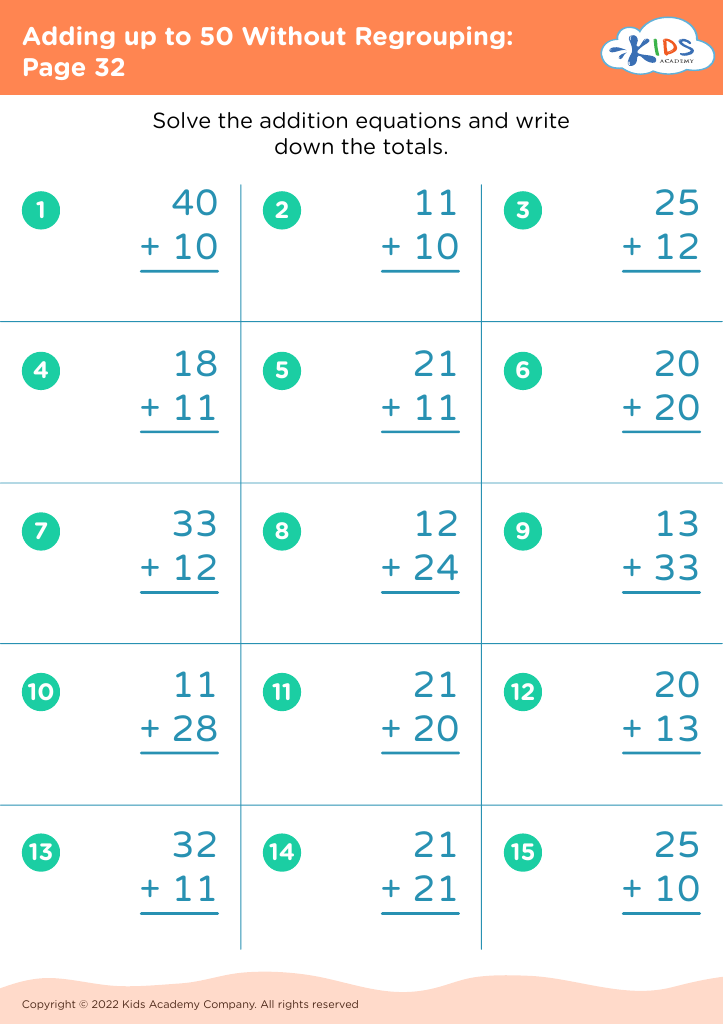
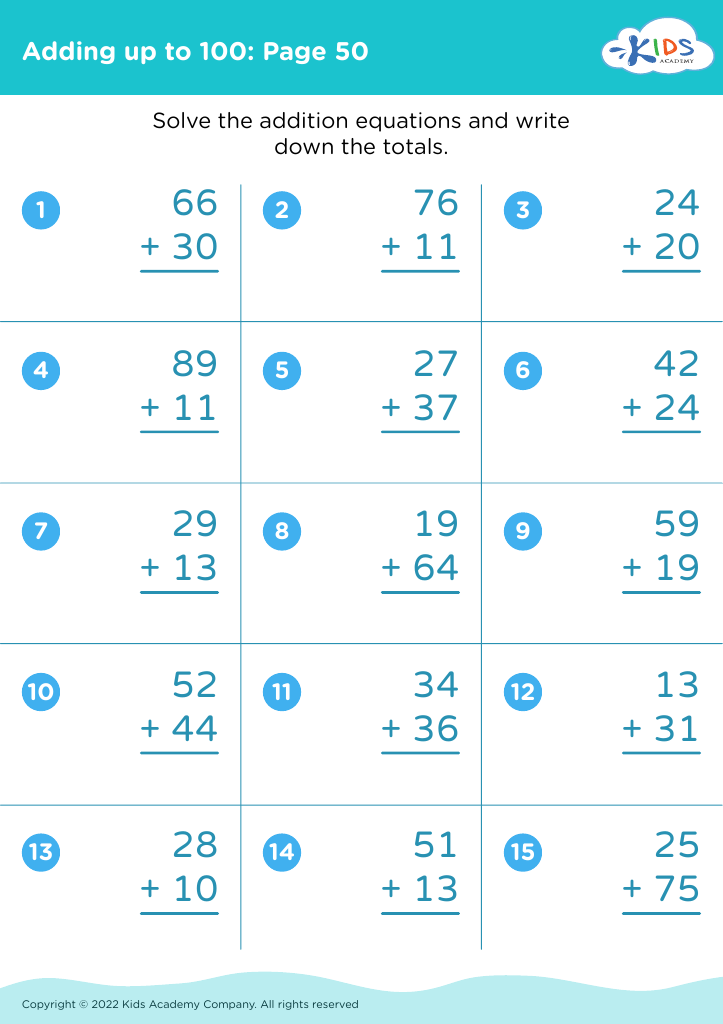








Identifying shapes and understanding addition and subtraction are foundational skills for children ages 7-9, serving as critical building blocks for their overall mathematical development. Parents and teachers should care about these skills because they are integral to everyday problem-solving and logical reasoning.
Firstly, recognizing shapes fosters spatial awareness and improves children’s ability to visualize and interact with their environment, enhancing their geometric understanding. This skill is not only vital in math but also in subjects like art and science, where shape recognition aids in comprehension and creativity.
Additionally, mastering addition and subtraction is essential for developing arithmetic fluency, which is necessary for more complex mathematical concepts encountered in later grades. At this age, kids transition from concrete to abstract thinking, making it crucial for them to practice these operations as they pave the way for multiplication and division.
Moreover, proficiency in these areas boosts children's confidence and encourages a positive attitude toward math, which can reduce anxiety and foster a growth mindset. When parents and teachers prioritize these skills, they help children become competent, confident learners who are well-prepared for future academic challenges and real-world applications. In sum, supporting children in identifying shapes and mastering basic operations is fundamental for their holistic development.








