Improve number recognition Addition & Subtraction Worksheets for Ages 7-9
15 filtered results
-
From - To
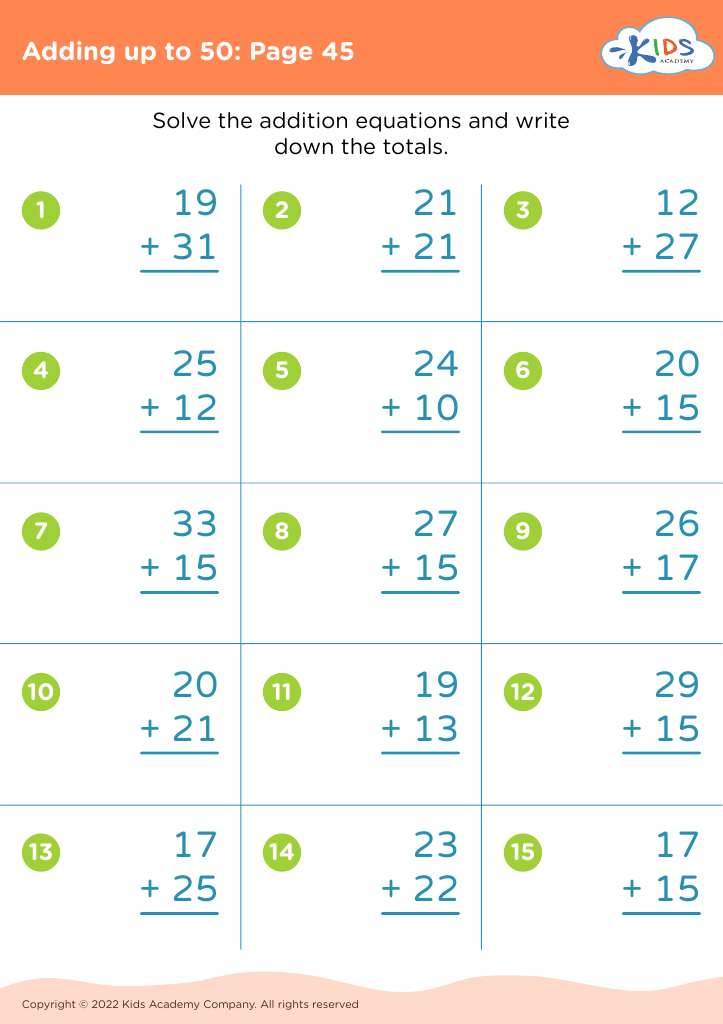
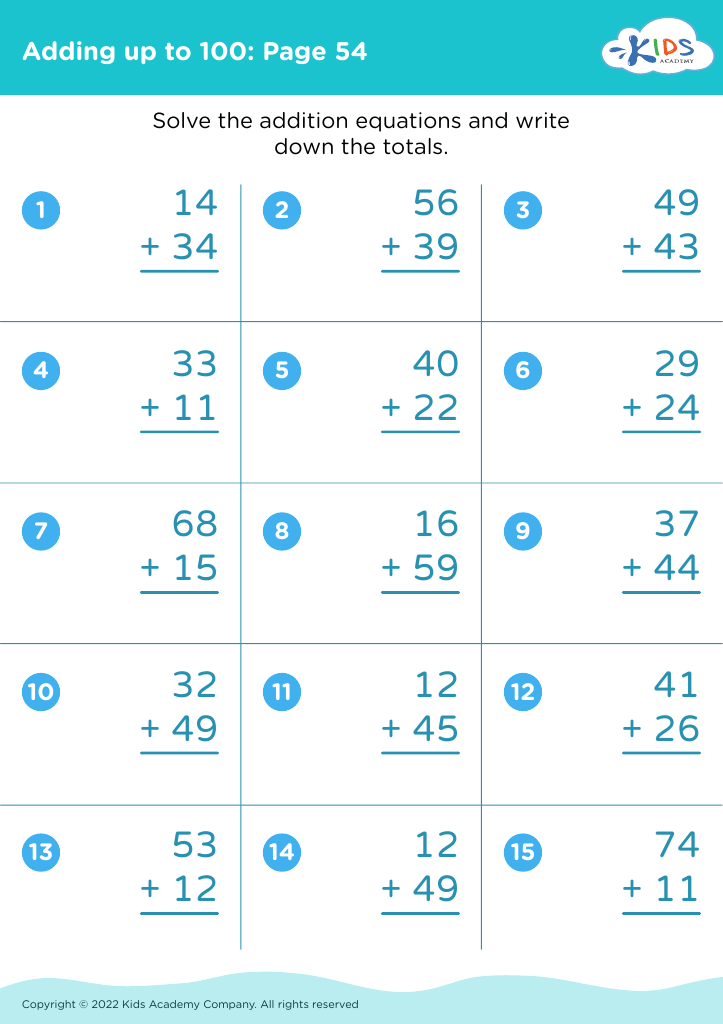
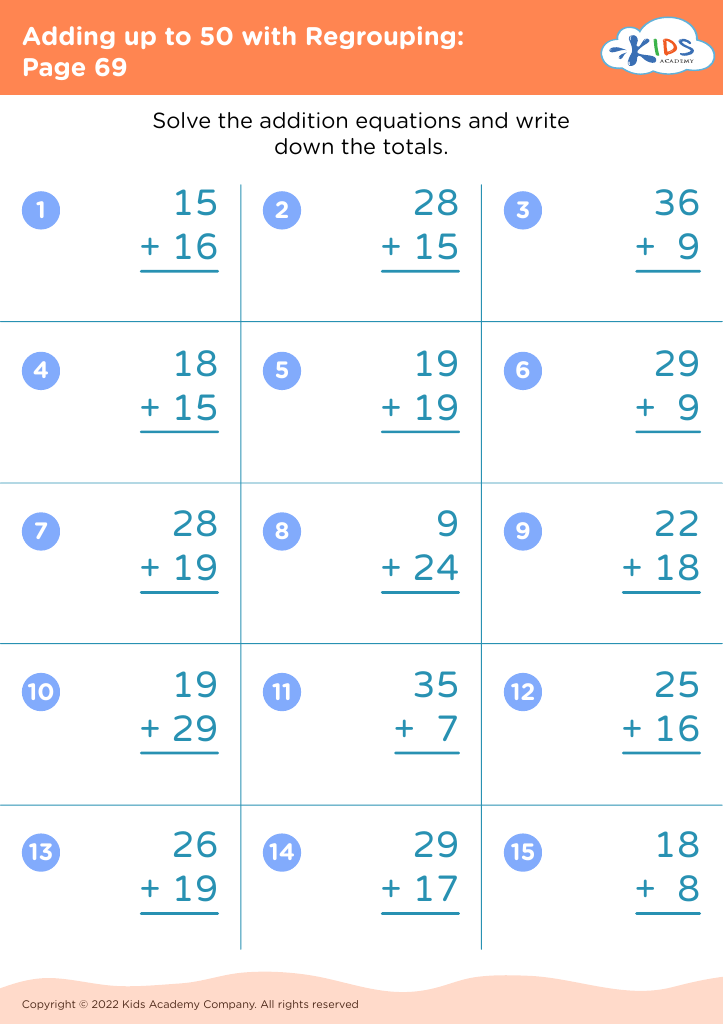
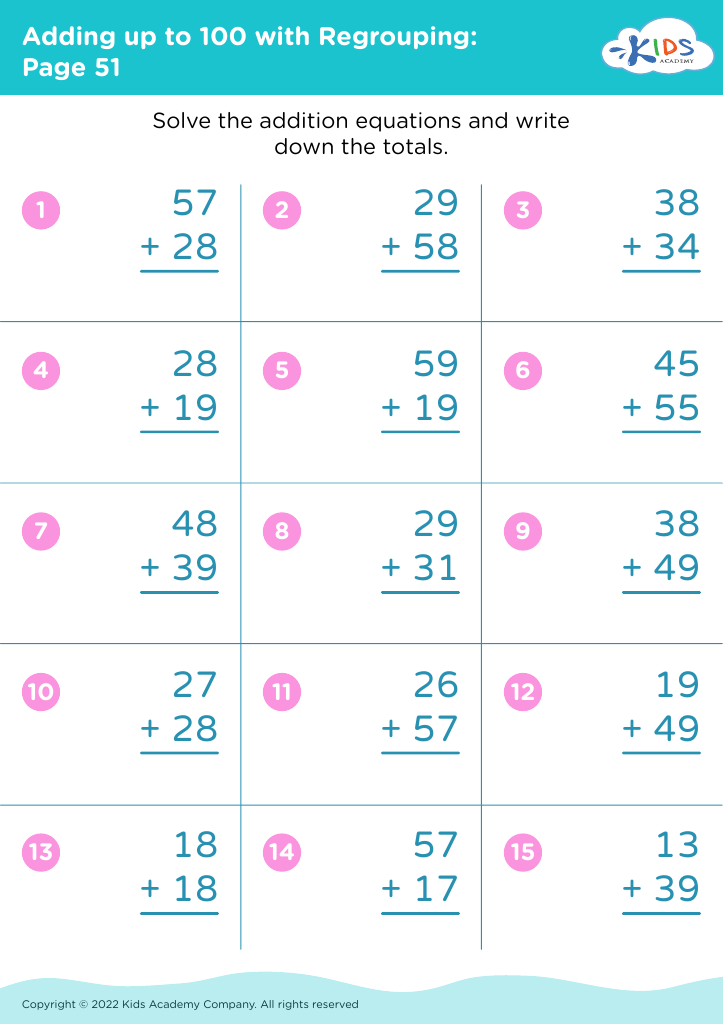
Boost your child's math skills with our Improve Number Recognition Addition & Subtraction Worksheets for ages 7-9! Designed to enhance number recognition while mastering basic addition and subtraction, these engaging worksheets provide a fun and interactive way for kids to solidify their arithmetic foundation. Each worksheet includes varied exercises that cater to different learning styles, ensuring effective practice. Ideal for both classroom settings and at-home learning, our resources help develop confidence and proficiency in young learners. Discover the joy of math with these carefully crafted worksheets that make learning an enjoyable experience. Promote problem-solving skills and numerical fluency today!
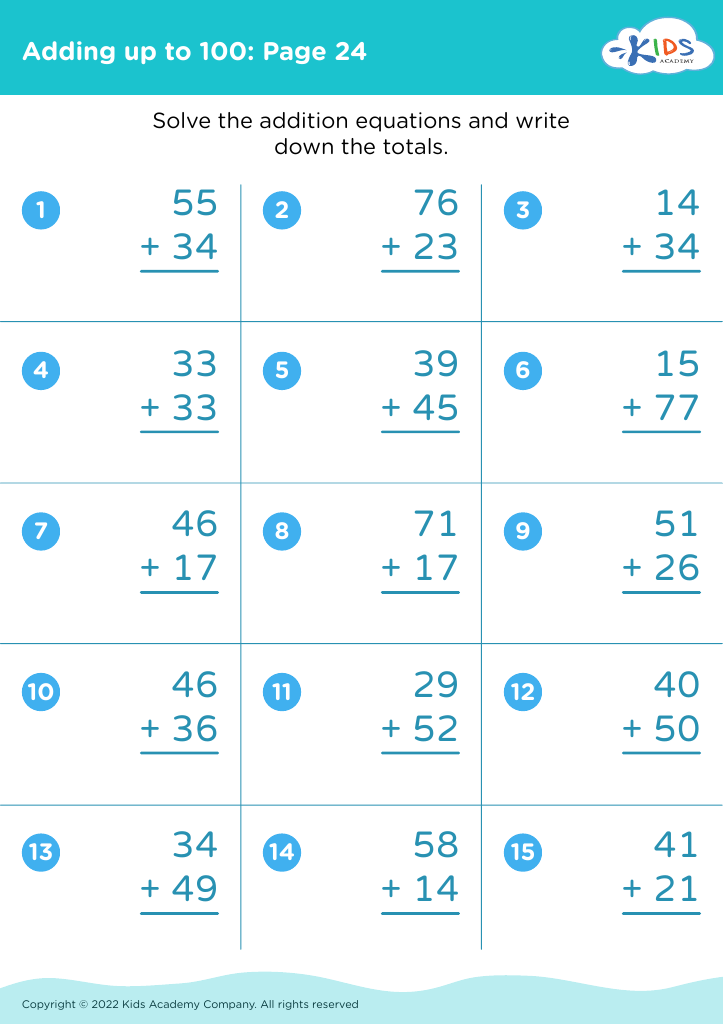
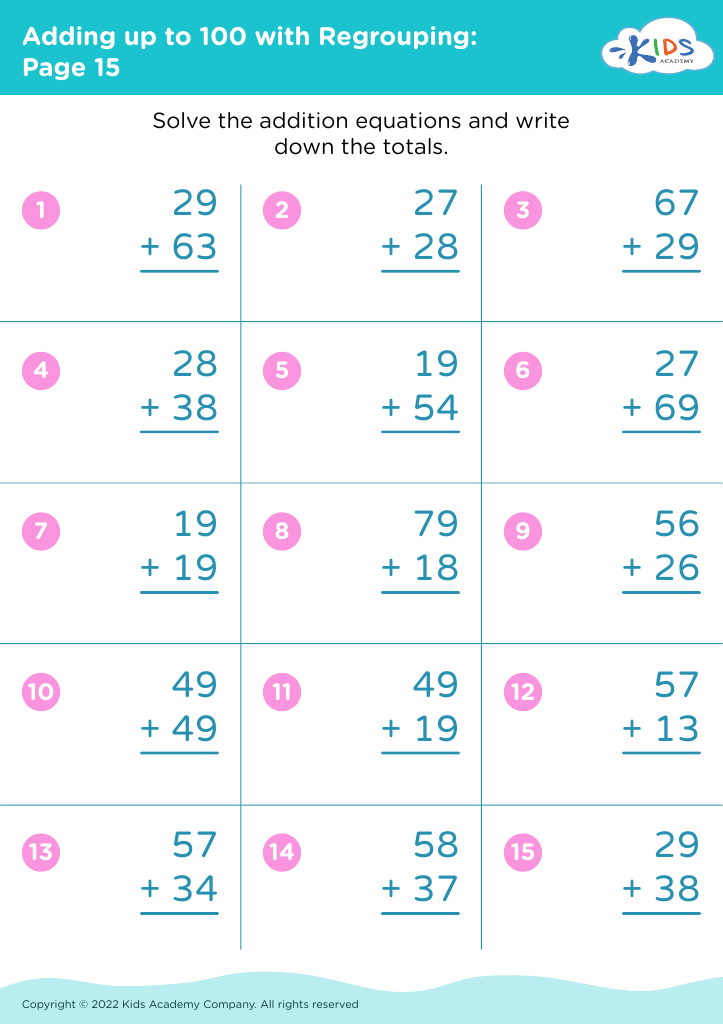
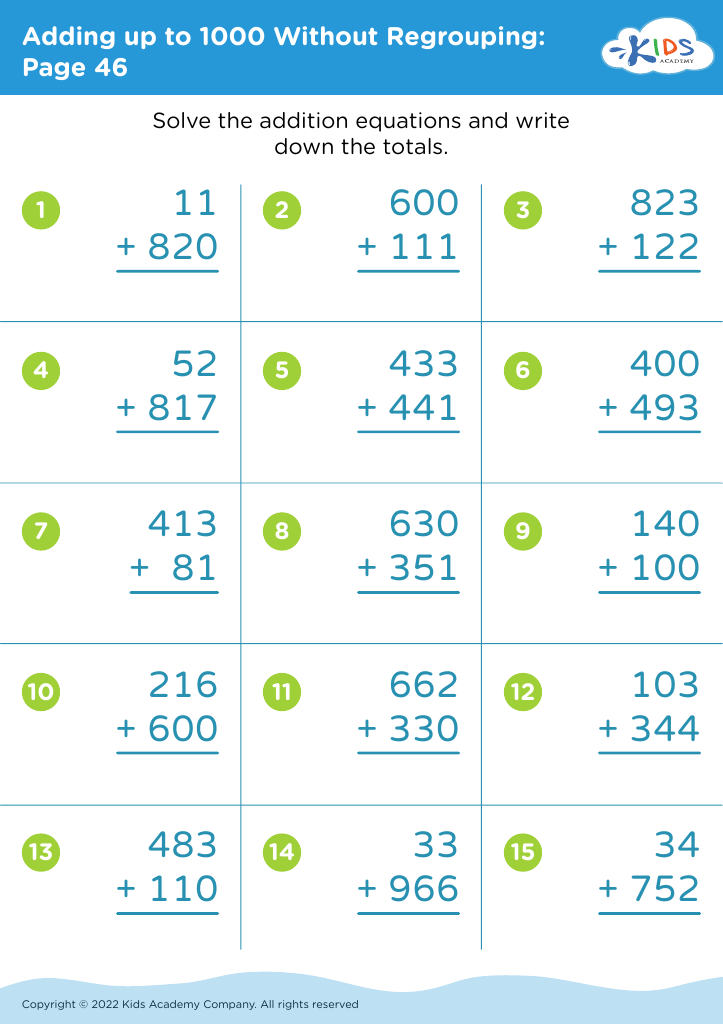
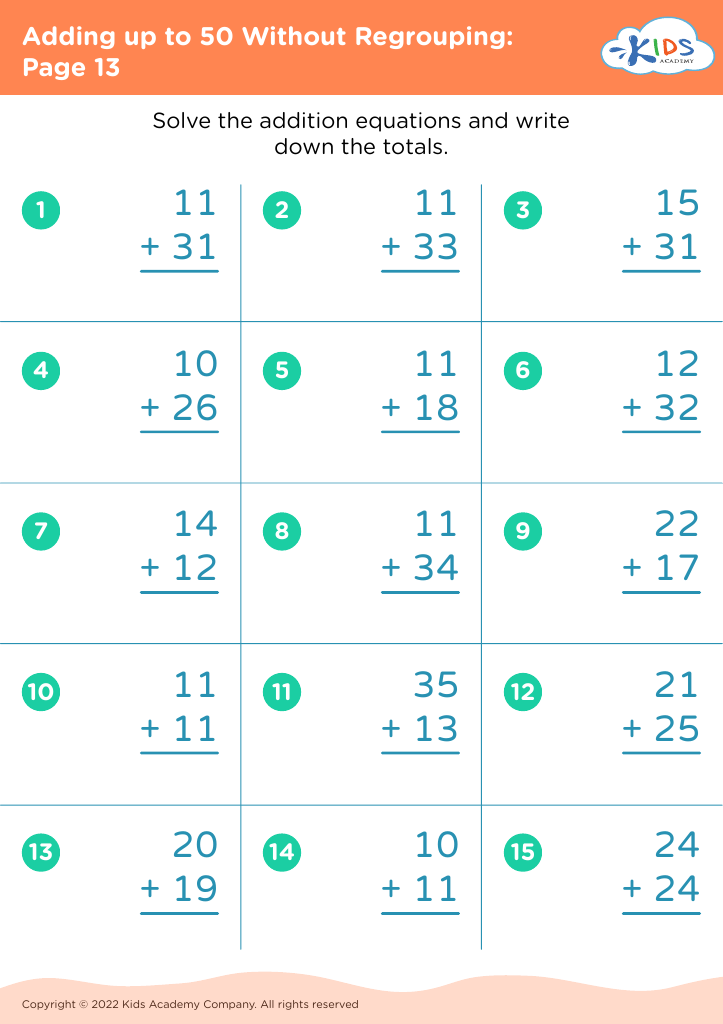
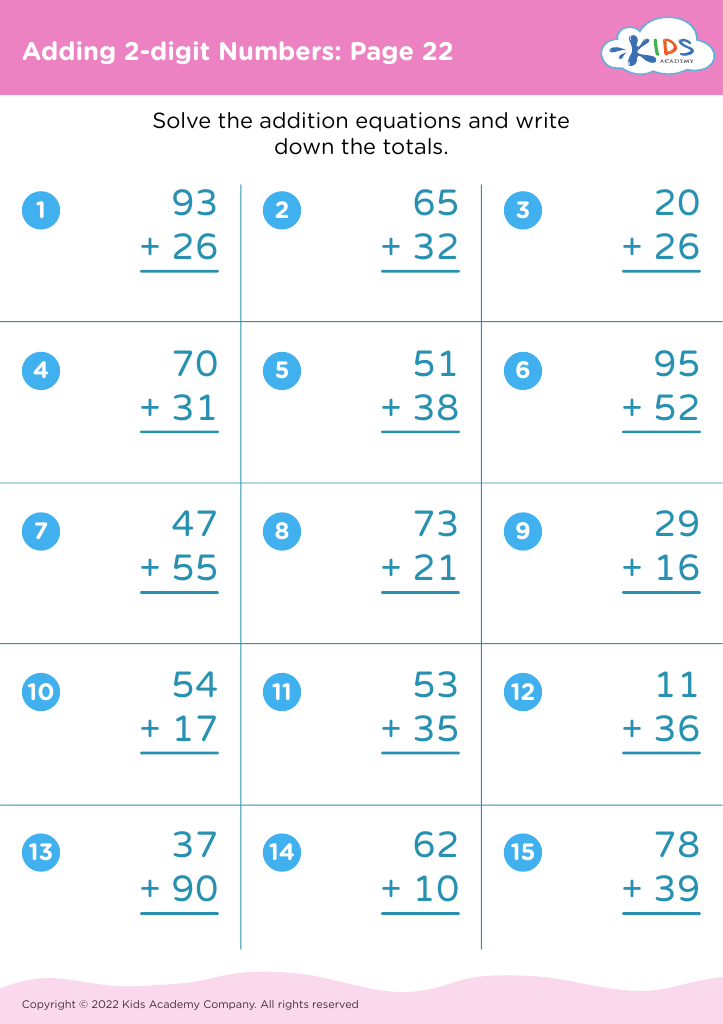
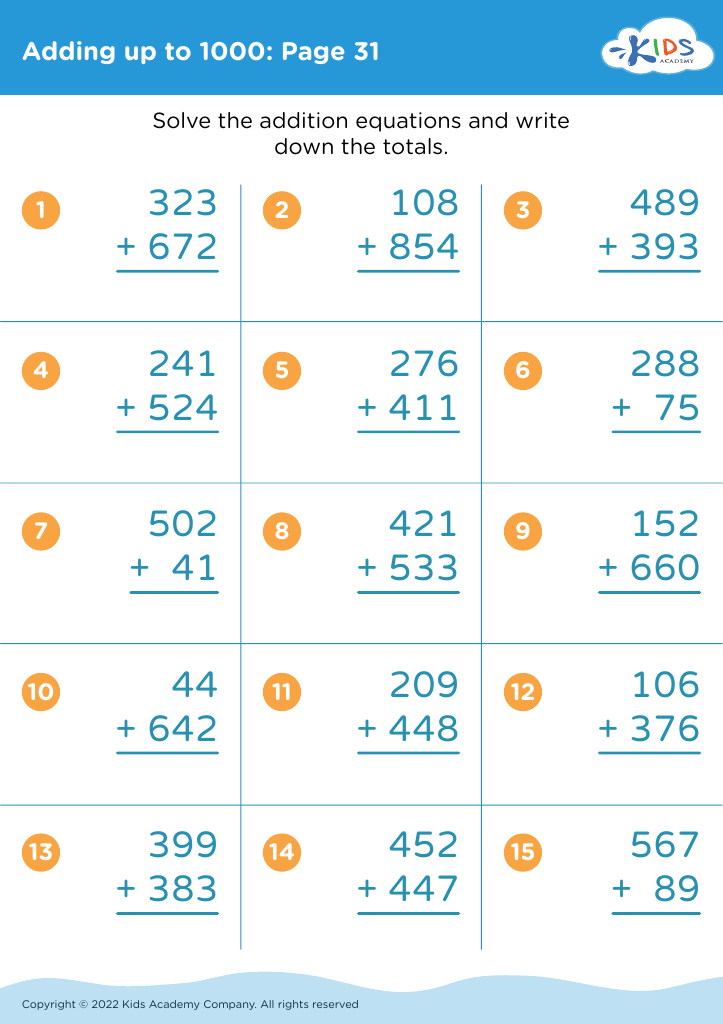
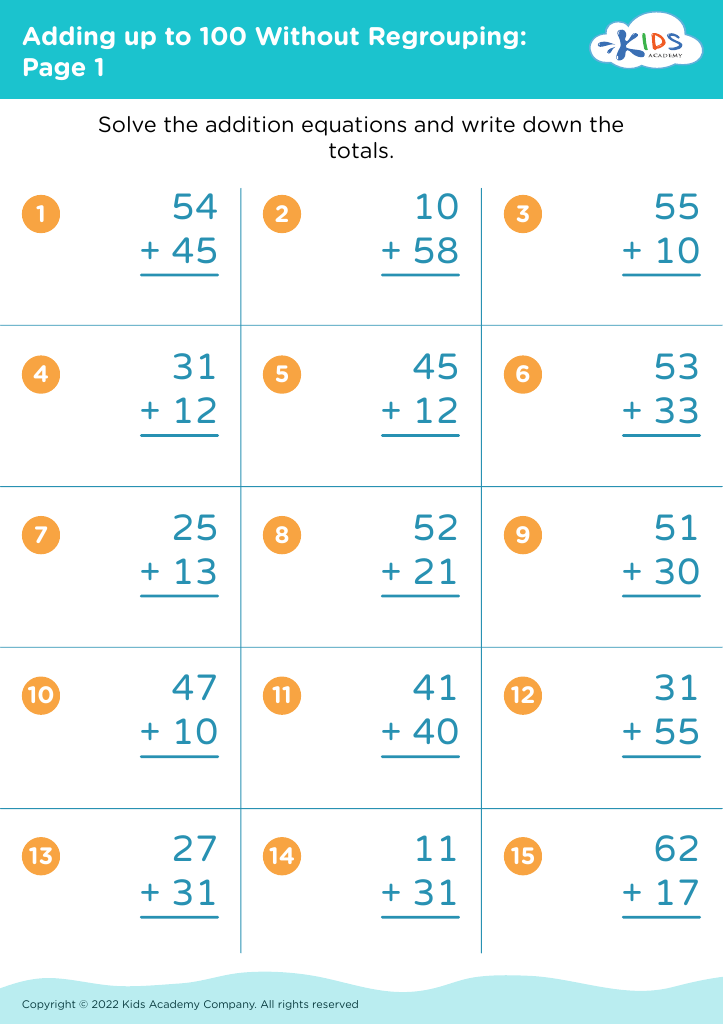
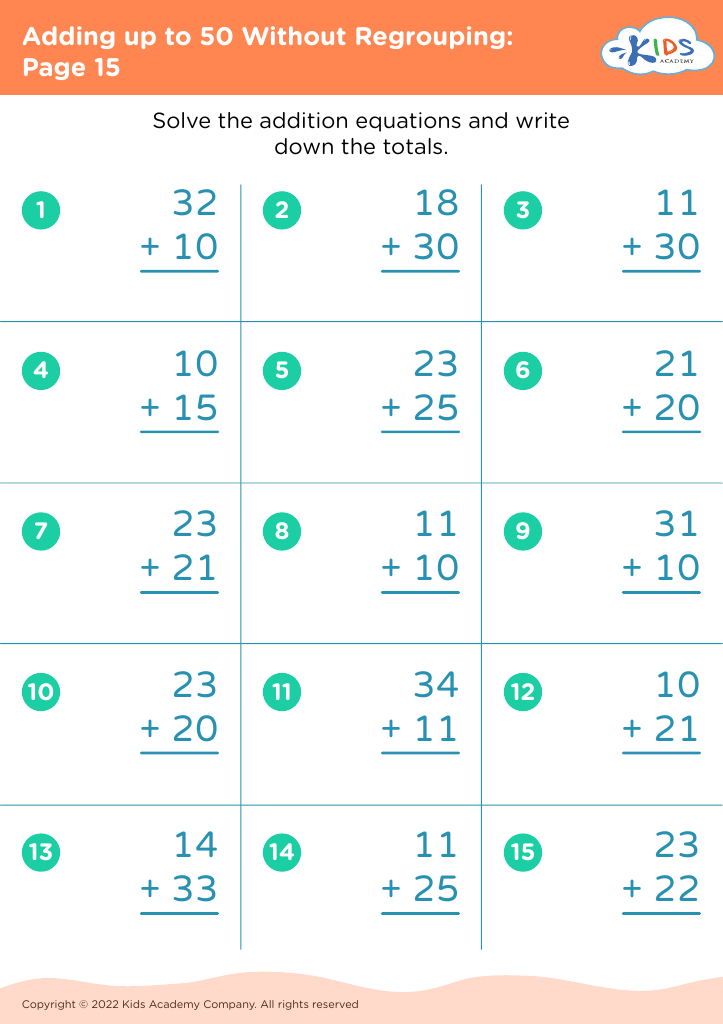
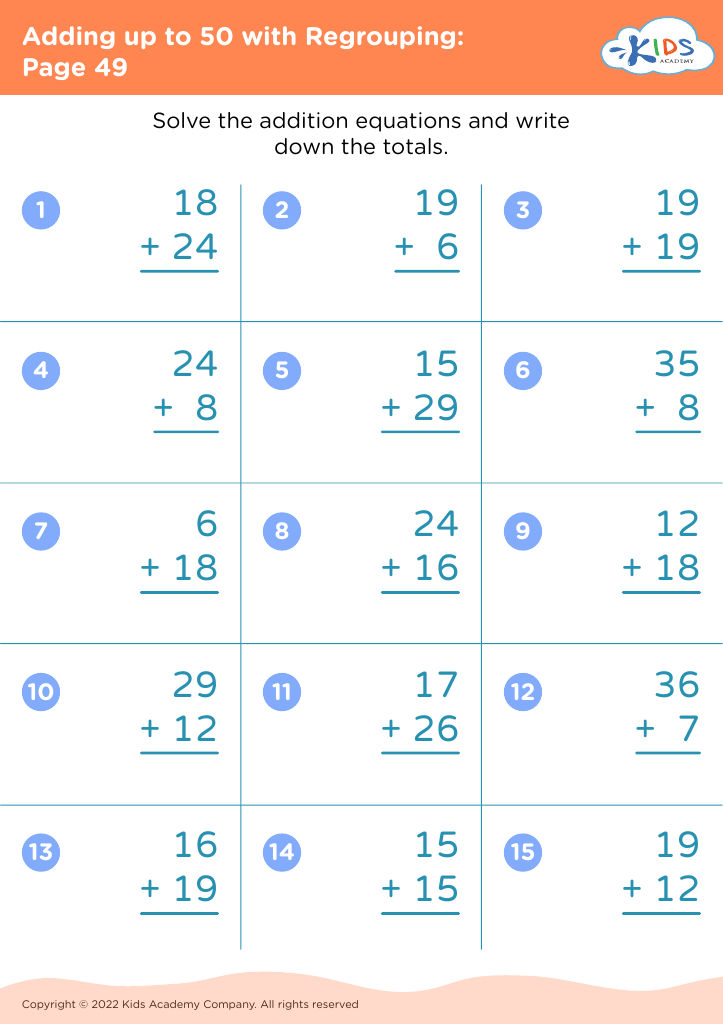
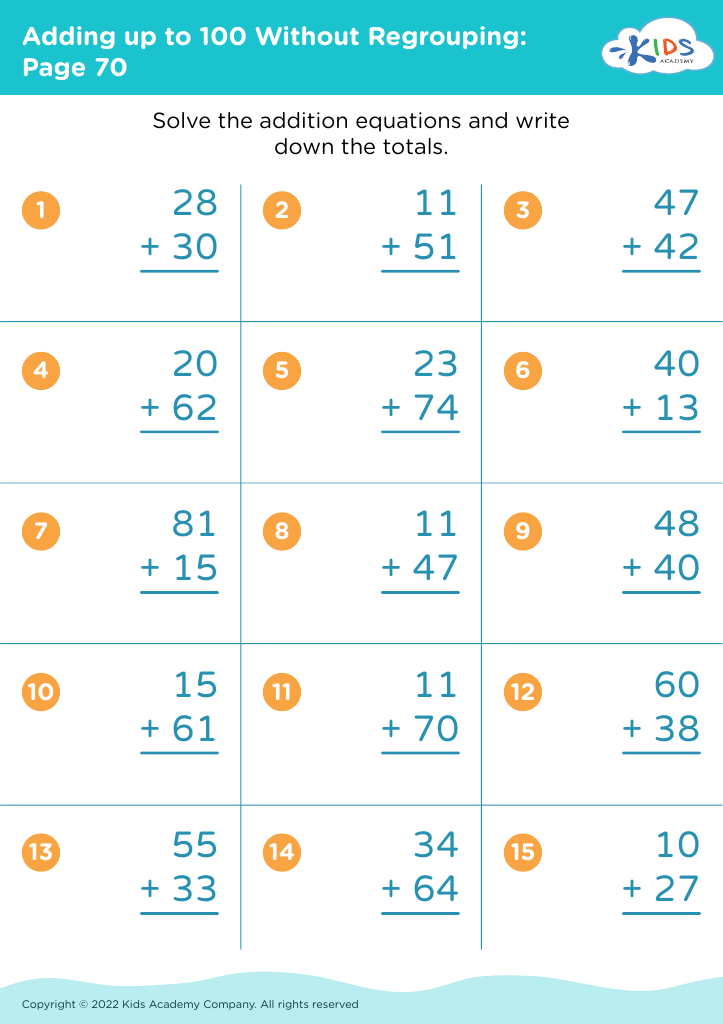
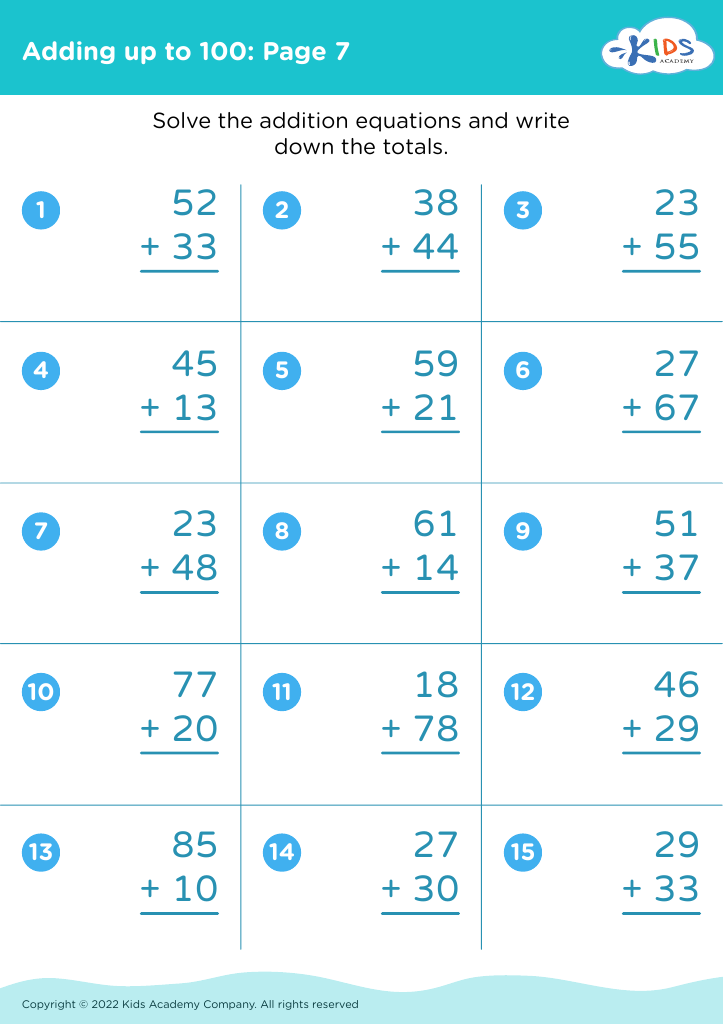








Parents and teachers should prioritize improving number recognition, addition, and subtraction skills for children aged 7 to 9 because these foundational skills are crucial for academic success and everyday life. This age group typically transitions from basic counting to more complex mathematical concepts, making strong numerical understanding essential.
Mastering number recognition enables children to identify and understand the value of numbers, a skill that forms the backbone of all future math learning. Addition and subtraction further develop critical thinking and problem-solving skills, which are vital for tackling challenges both in and out of school. These skills also have practical implications, as children with a solid grasp of basic math can manage tasks like budgeting, measuring ingredients in cooking, or even making sense of time effectively.
Furthermore, nurturing these competencies helps build children's confidence. Positive experiences with numbers create a positive attitude toward math, driving enthusiasm for learning. Ensuring children feel competent in these areas lays a robust groundwork for future success in mathematics and other subjects, ultimately contributing to their holistic development as lifelong learners. Therefore, prioritizing these skills benefits individual students and enhances their contributions to society.








