Recognize shapes Addition & Subtraction Worksheets for Ages 7-9
8 filtered results
-
From - To
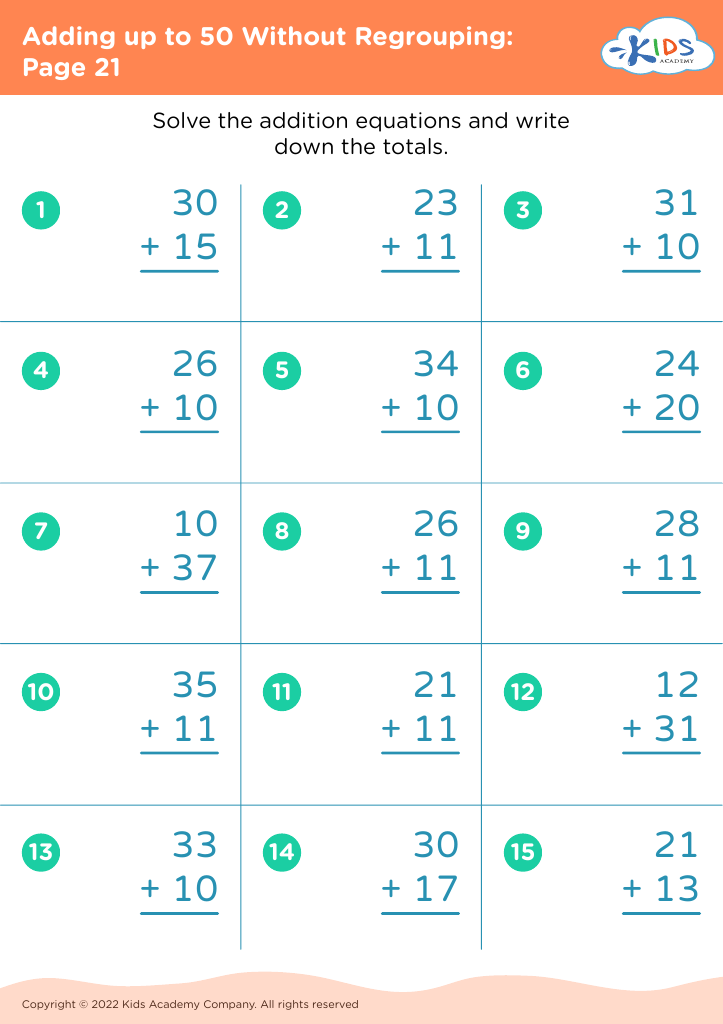
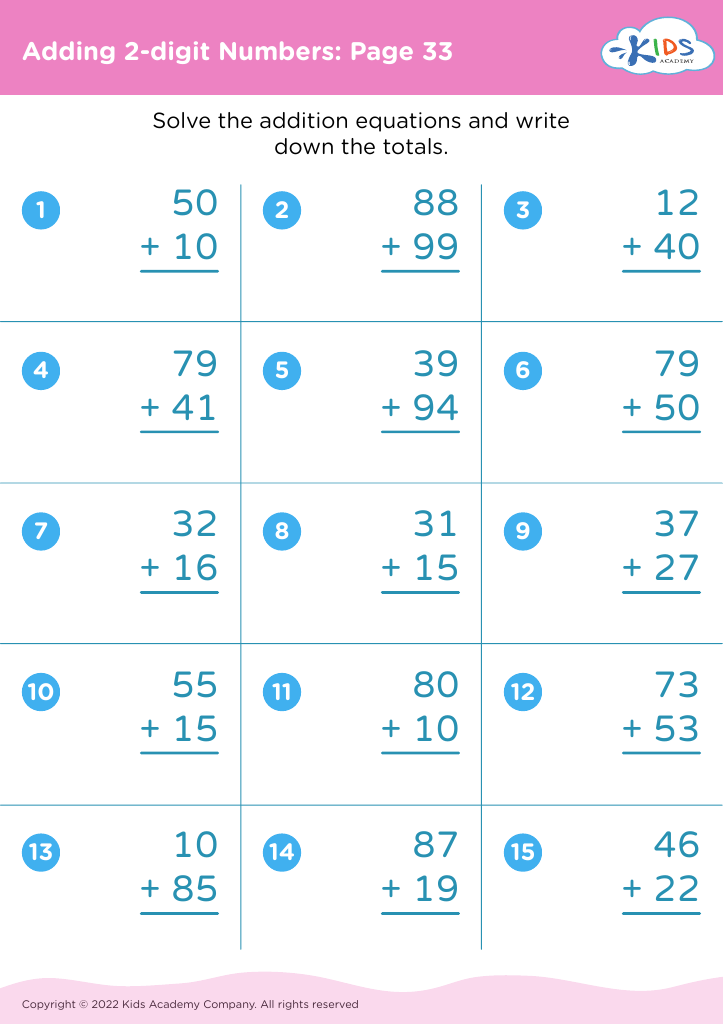
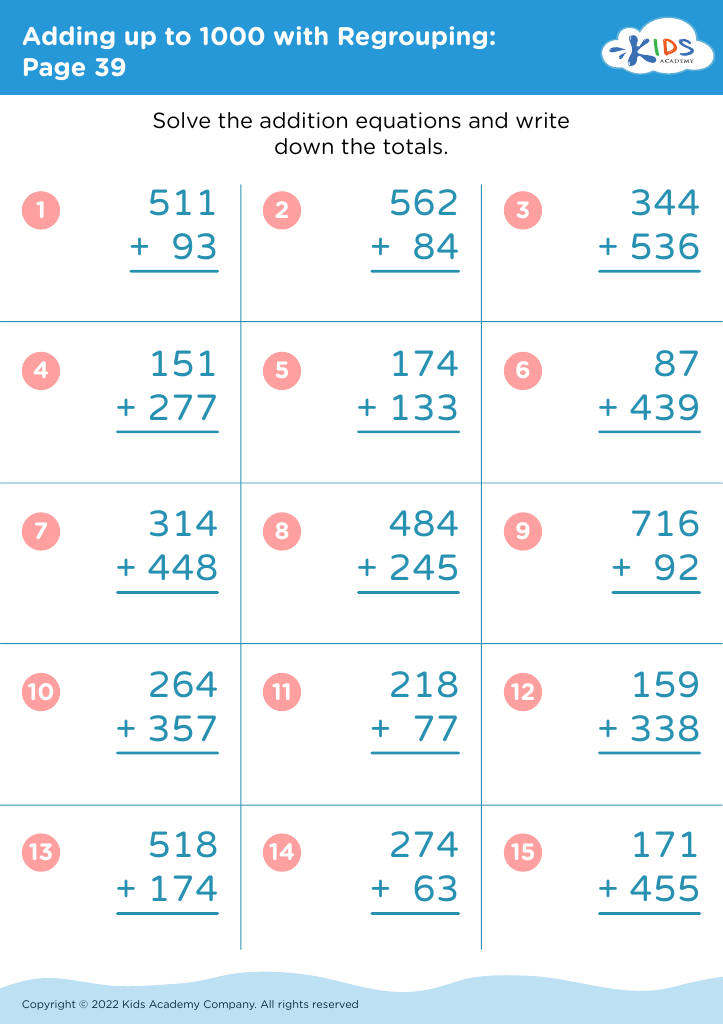
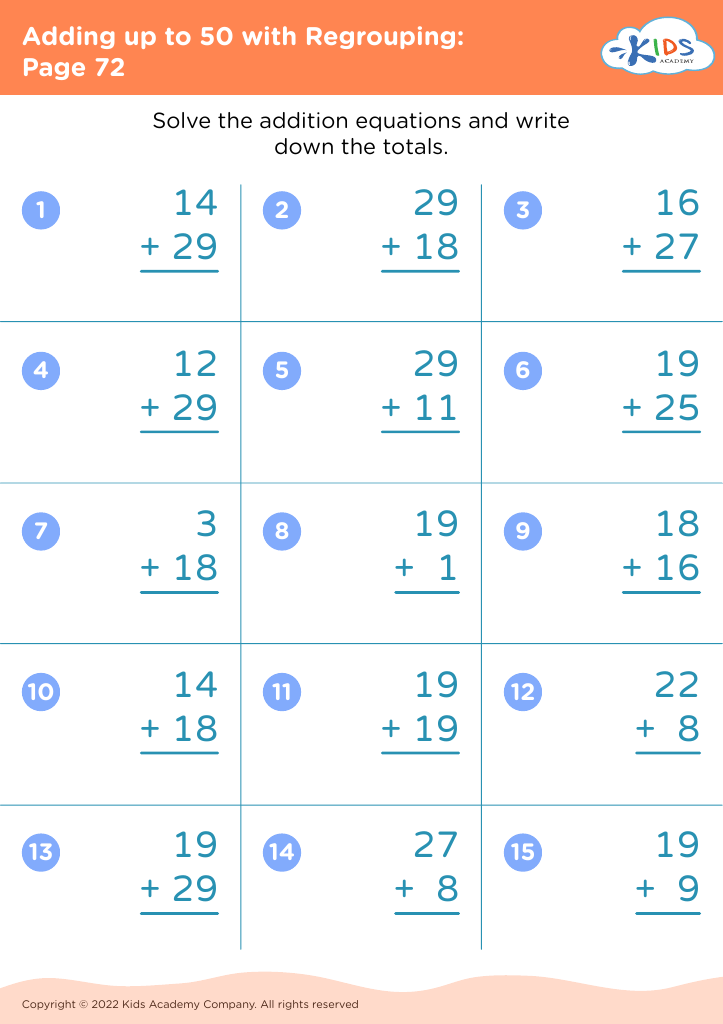
Our Recognize Shapes Addition & Subtraction Worksheets for ages 7-9 offer an engaging way for young learners to enhance their math skills. Through these colorful and interactive worksheets, kids can practice addition and subtraction while simultaneously identifying and recognizing various shapes. Tailored specifically for children in this age group, these activities help reinforce fundamental math concepts and geometry knowledge, making learning both fun and educational. Perfect for classroom use or at home, our worksheets provide a solid foundation for future math success, all while developing critical thinking and problem-solving skills. Download and watch your child's confidence grow!
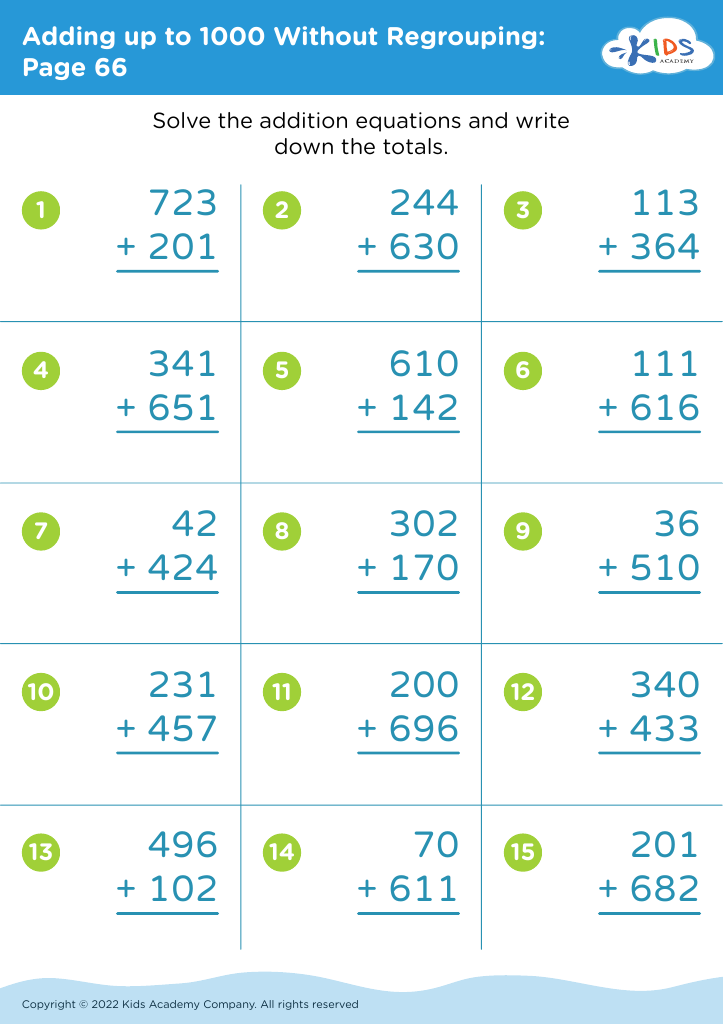
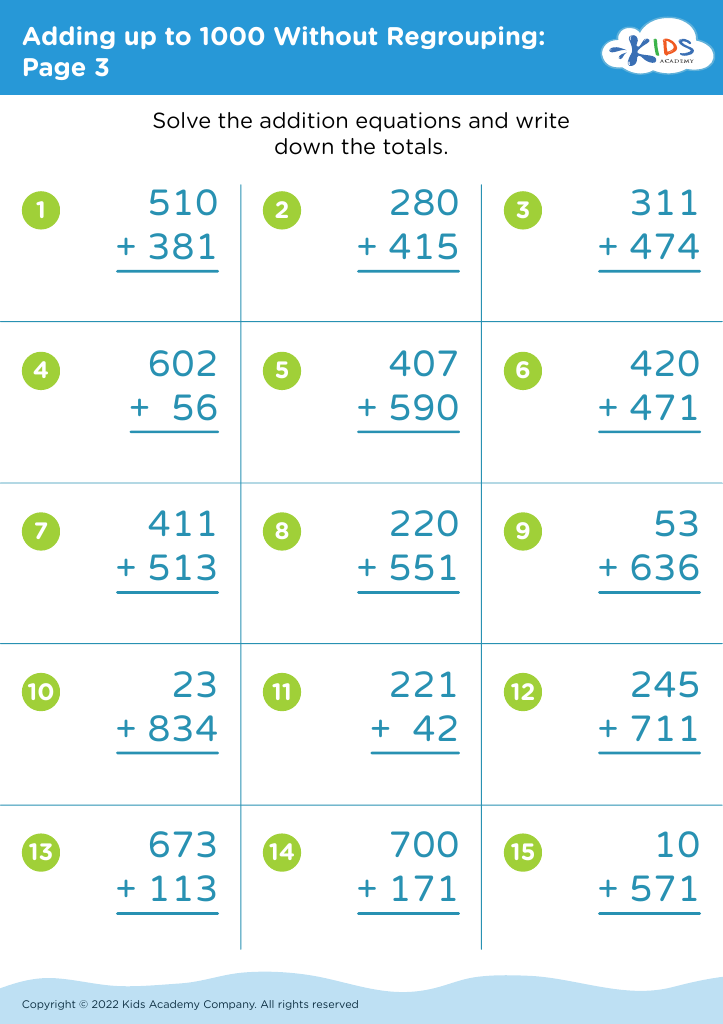
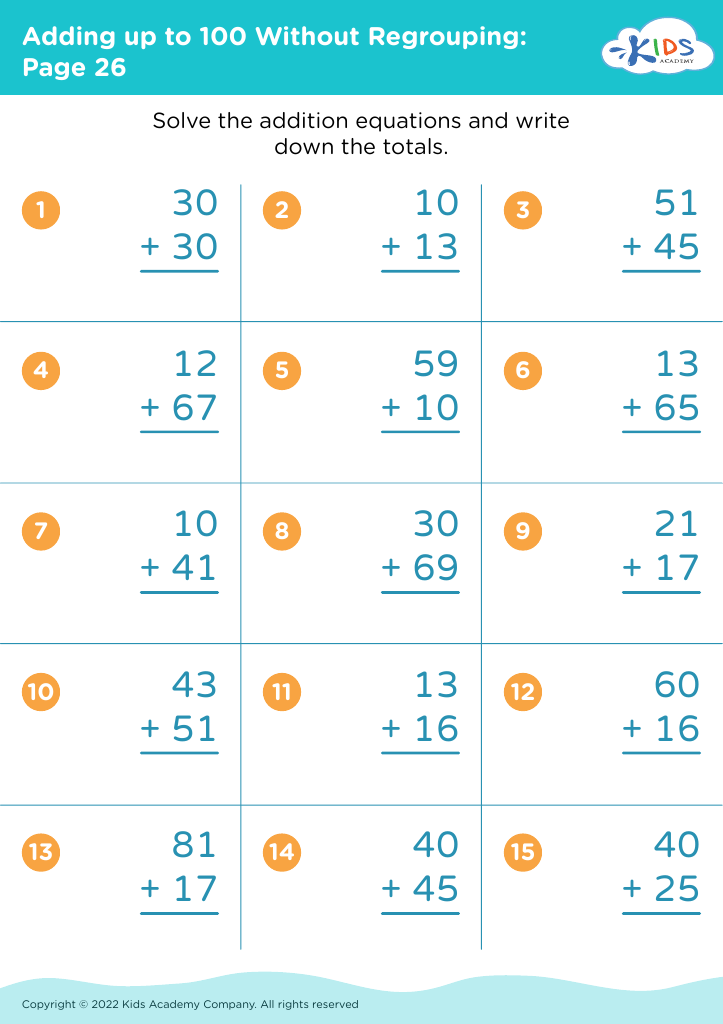
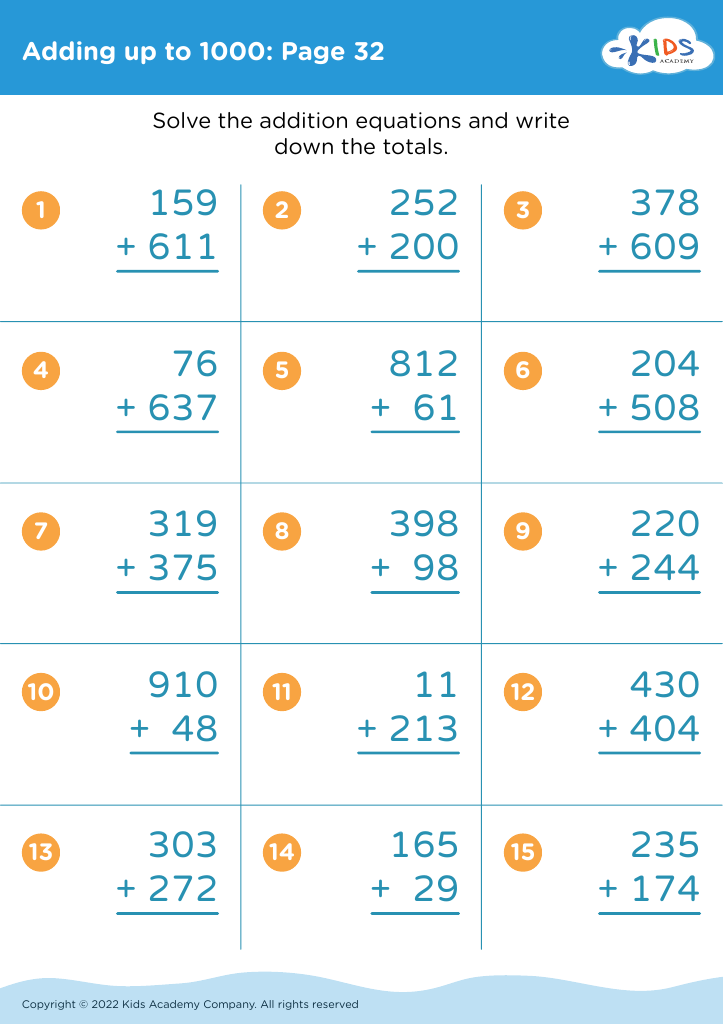








Recognizing shapes as well as developing strong addition and subtraction skills at ages 7-9 are crucial building blocks for a child's overall educational development. These skills lay the groundwork for more advanced topics in mathematics and cognitive development, which are essential for future academic success.
Understanding shapes helps children in visual-spatial reasoning, a skill necessary not only in math but also in everyday problem-solving situations. When kids recognize, name, and manipulate different shapes, they are better able to understand geometric concepts and spatial relationships, which are fundamental in fields like engineering, architecture, and computer science later in life.
Addition and subtraction, similarly, are foundational mathematical operations upon which more complex arithmetic, algebra, and real-world problem-solving tasks are based. A solid grasp of these concepts at an early age fosters a positive attitude towards math, enhancing a child’s confidence in their ability to tackle math-related challenges. These basic operations are also crucial in developing logical thinking and precision, skills that are transferable across various disciplines.
By supporting children in mastering these early skills, parents and teachers can cultivate a strong mathematical foundation, prepare children for more advanced studies, and enable them to navigate everyday tasks with greater ease and understanding. Their future academic and problem-solving skills are directly tied to this early foundational knowledge.








