
Understand multiplication Addition & Subtraction Worksheets for Ages 7-9
6 filtered results
Difficulty Level
Grade
Age
-
From - To
Subject
Activity
Standards
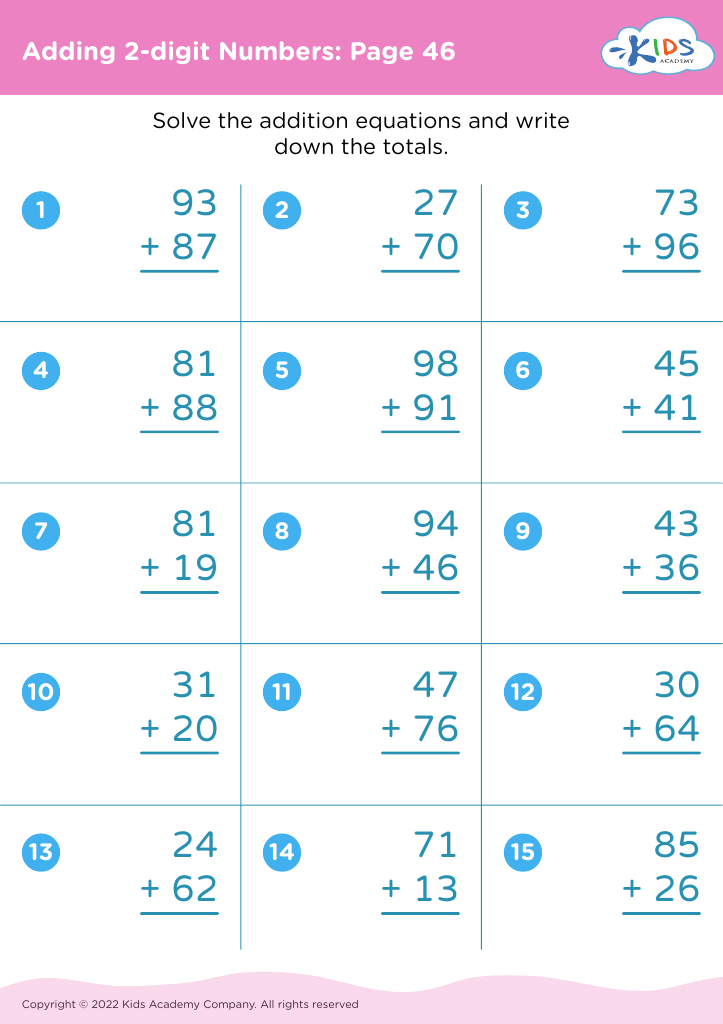
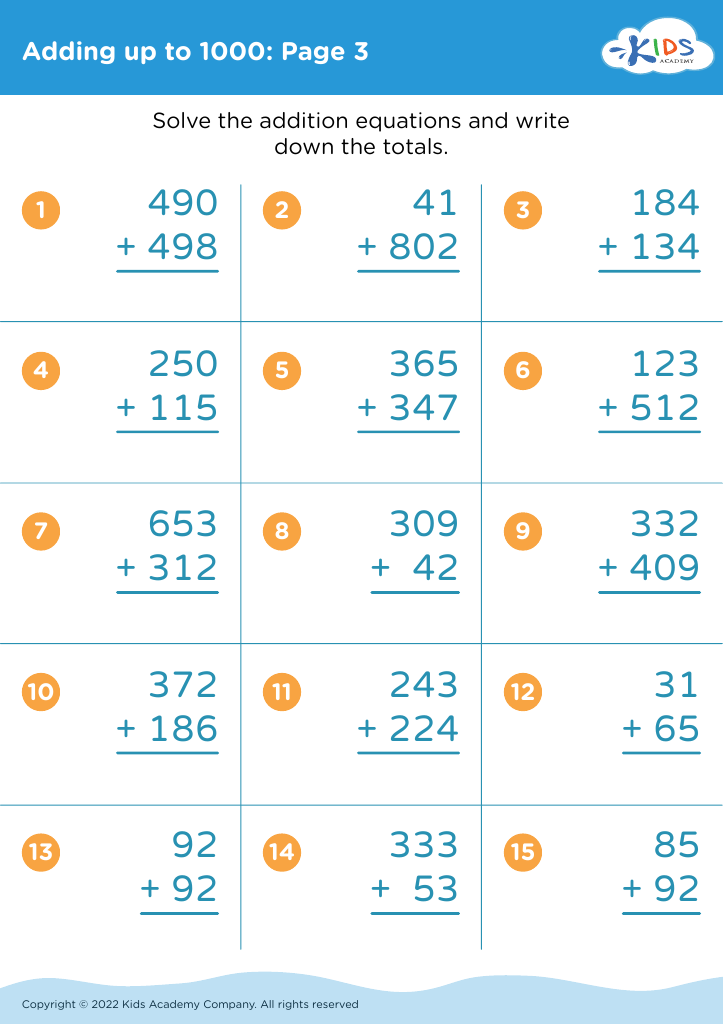
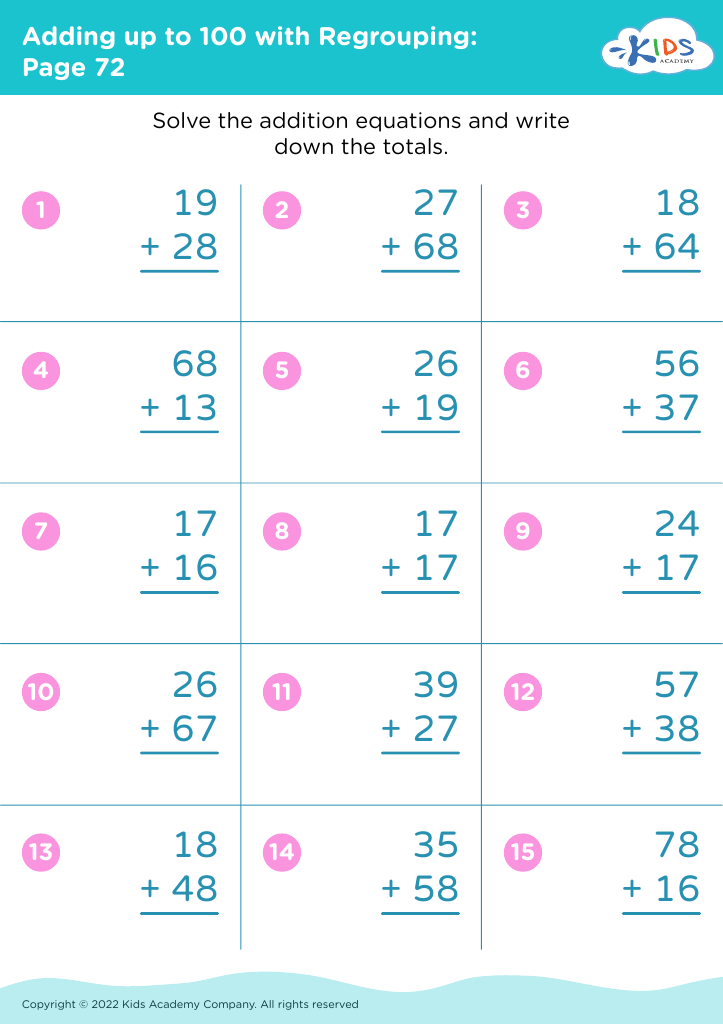
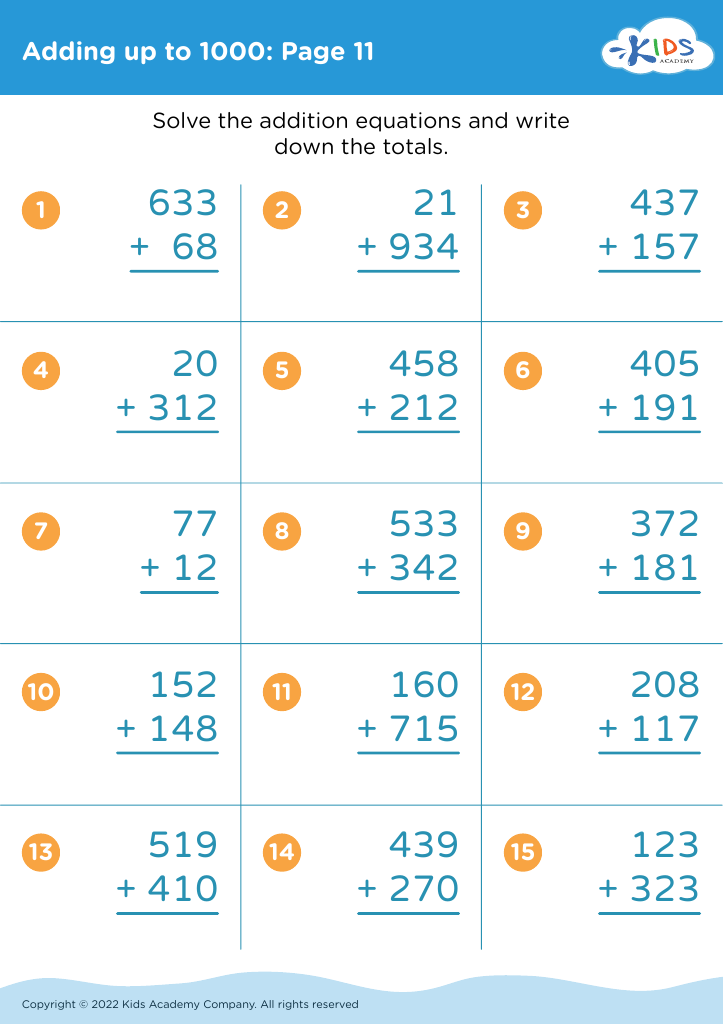
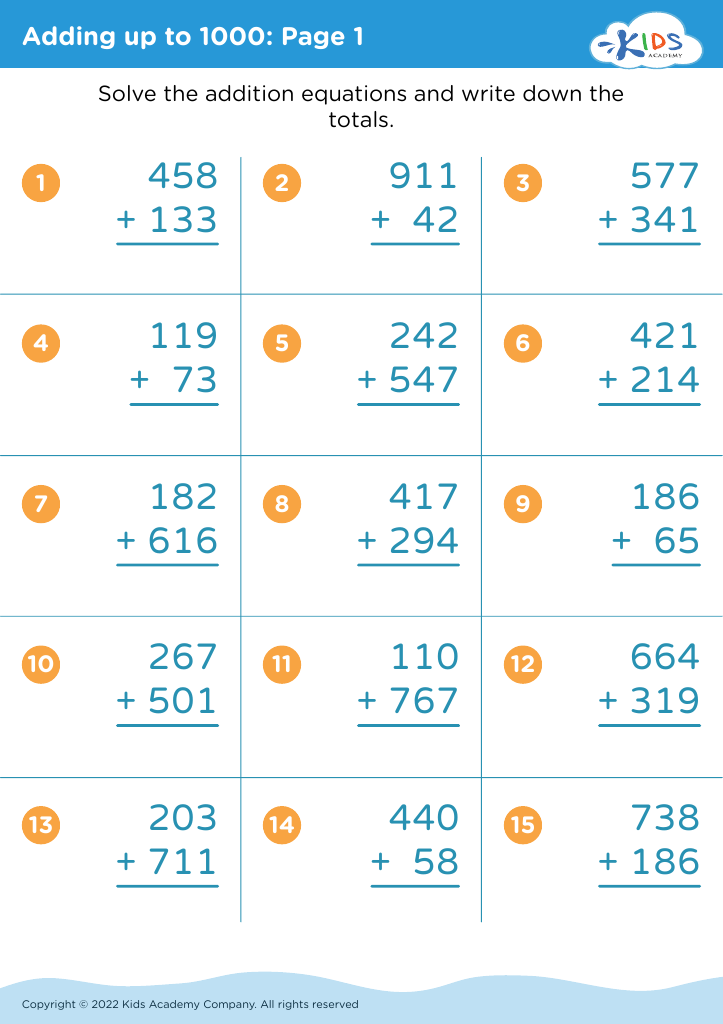
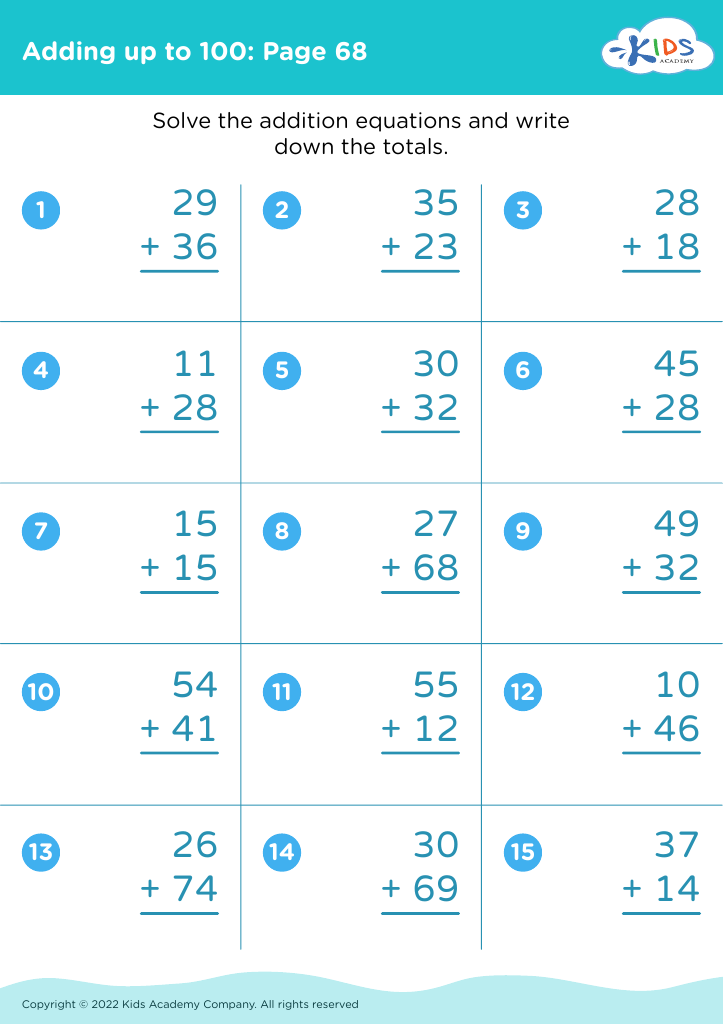
Explore engaging multiplication, addition, and subtraction worksheets designed specifically for children ages 7-9. These educational resources aim to build a solid foundation in math, helping young learners understand key concepts through practice and repetition. Our easy-to-follow worksheets enhance problem-solving skills and confidence in tackling various math problems. With vibrant illustrations and age-appropriate challenges, children will enjoy mastering multiplication techniques while reinforcing their arithmetic skills. Parents and educators will find these printable worksheets a valuable tool to support students in developing a strong mathematical understanding, ensuring they are well-equipped for future learning. Start your child’s math journey today!
Favorites
With answer key
Interactive
Join Kids Academy for Free
Who is primarily going to use this learning content?








Understanding multiplication, addition, and subtraction is crucial for children aged 7 to 9, forming the foundation for their overall mathematical literacy. At this age, learners are transitioning from basic arithmetic to more complex problem-solving skills. Mastering these concepts helps children build confidence in their abilities, reduce anxiety related to math, and foster a positive attitude toward learning.
Parents and teachers play a pivotal role in this developmental stage. Engaging children in understanding these operations cultivates critical thinking and analytical skills. It encourages them to recognize patterns, make connections, and apply mathematical concepts to real-life situations, enhancing their comprehension and retention of the material.
Additionally, proficiency in these operations is vital for future subjects such as science, economics, and even everyday tasks like budgeting or cooking. By caring about their understanding, adults can contribute to a child's academic success and create a strong groundwork for advanced mathematical concepts that will be encountered later in school.
Moreover, fostering a supportive environment for math learning helps build resilience. When children grapple with challenges like multiplication or word problems, guidance from parents and teachers can help them persevere, laying the groundwork for lifelong learning habits. In essence, understanding these basic operations is essential for real-life success and educational growth.








