
Fraction Addition Addition Worksheets for Ages 7-9
14 filtered results
Difficulty Level
Grade
Age
-
From - To
Subject
Activity
Standards
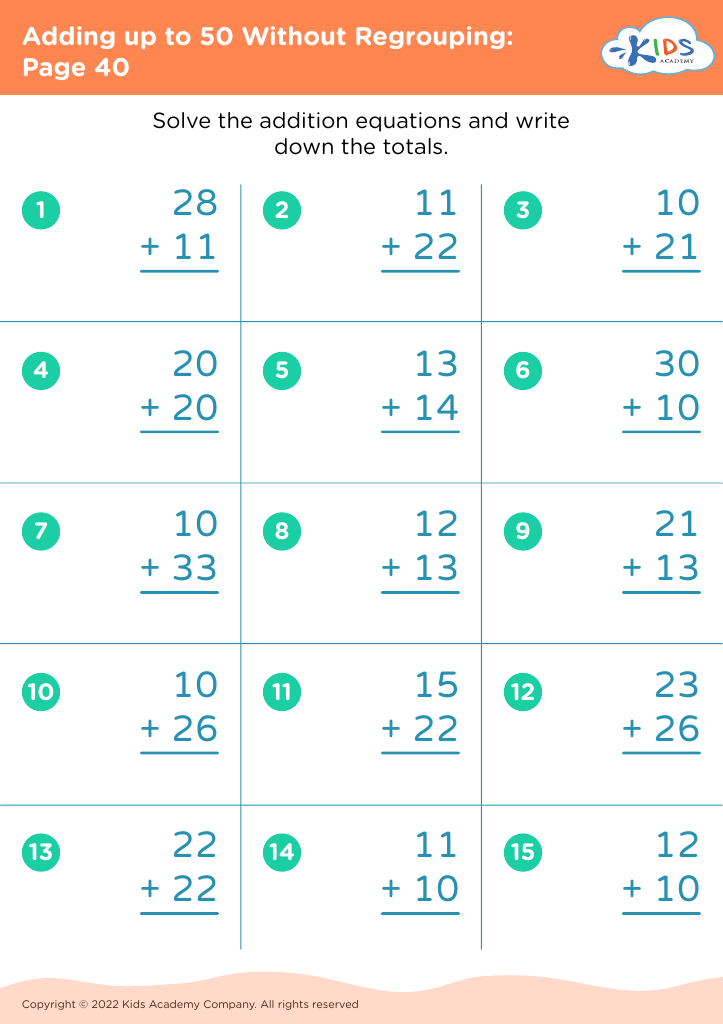
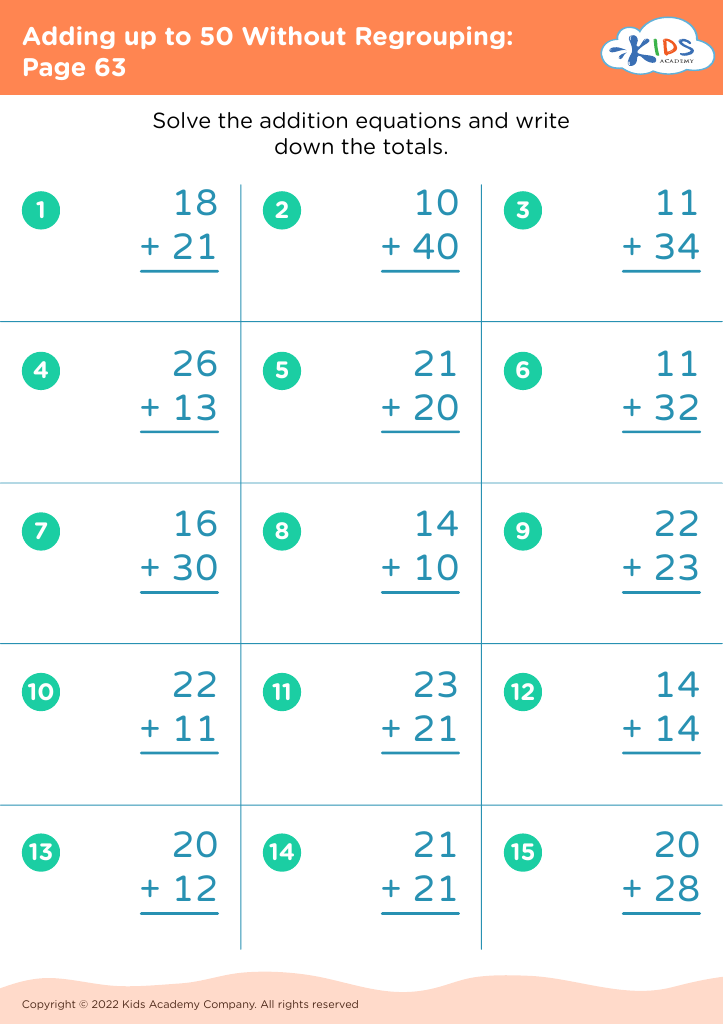
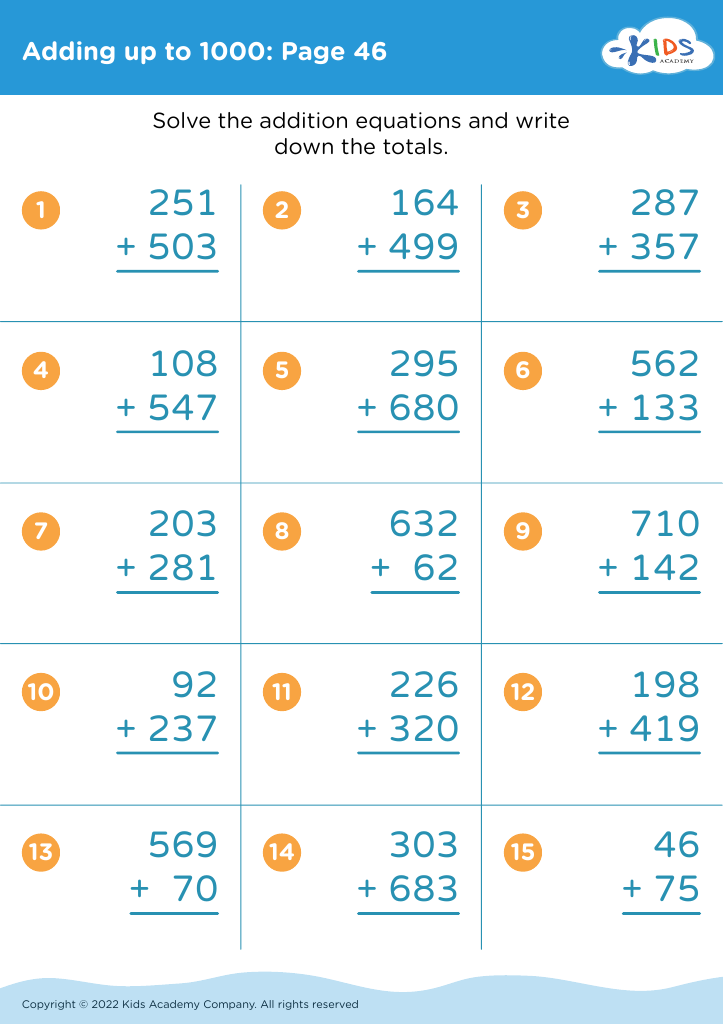
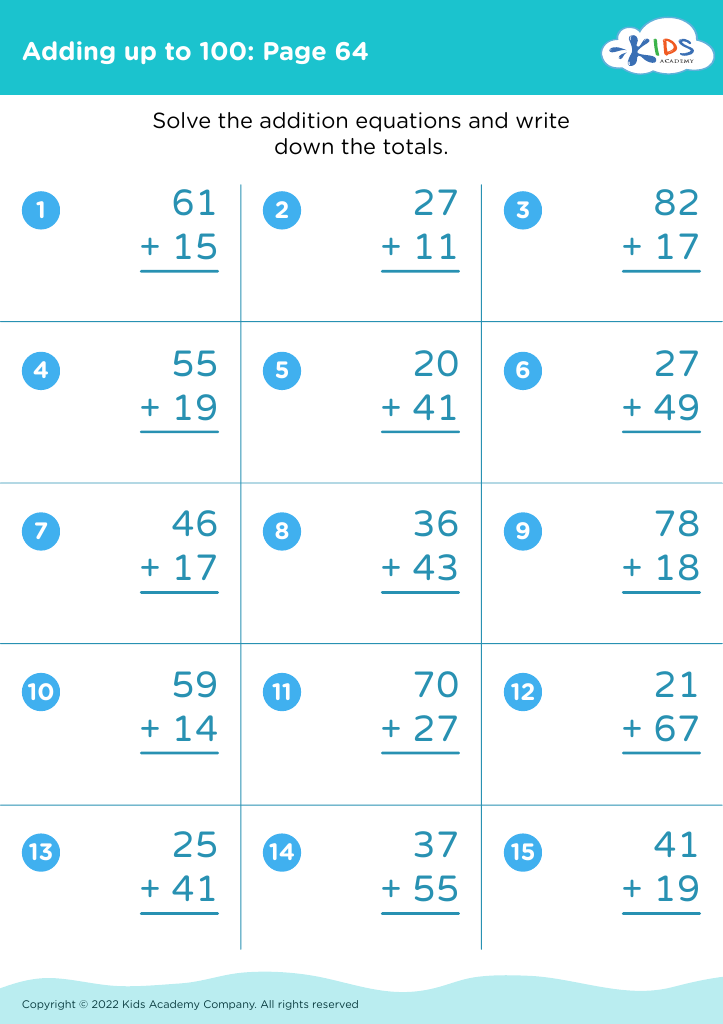
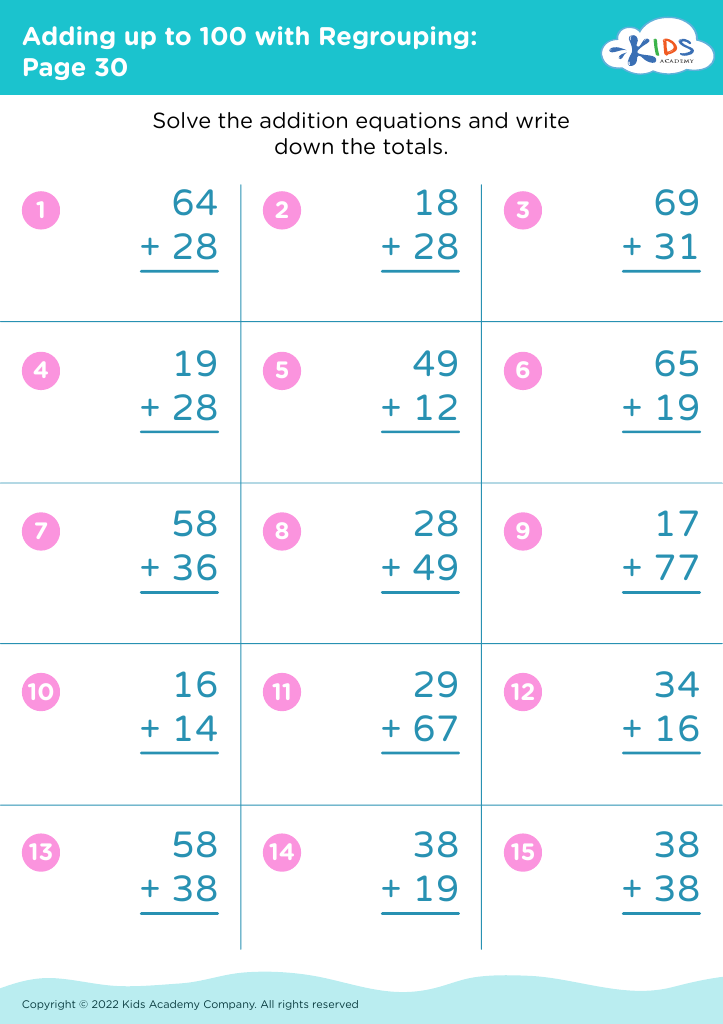
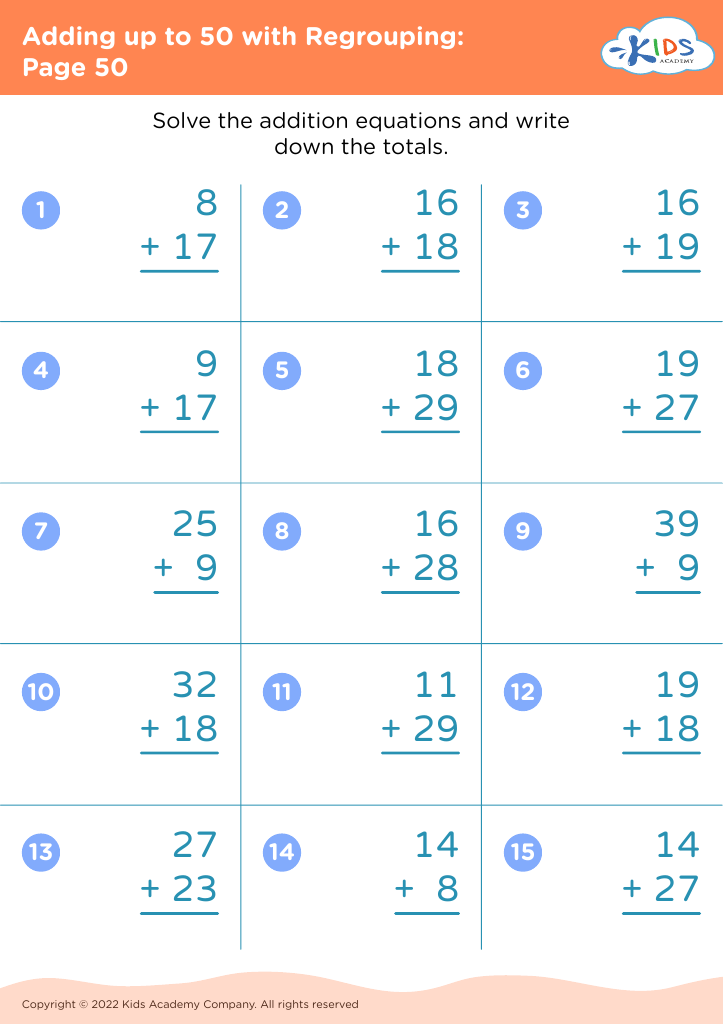
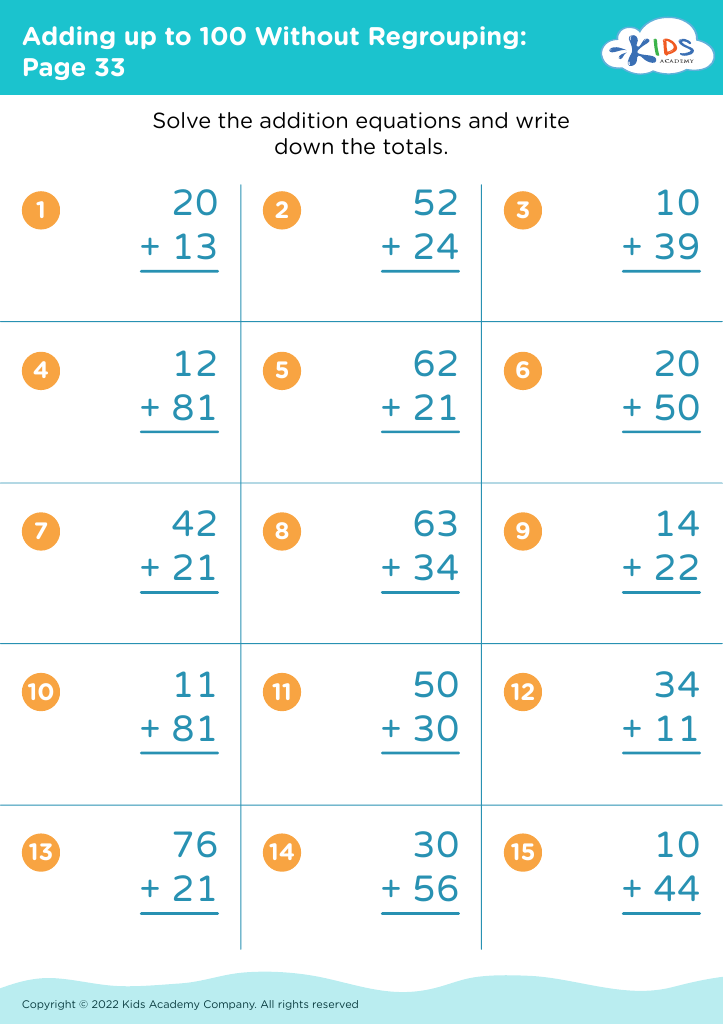
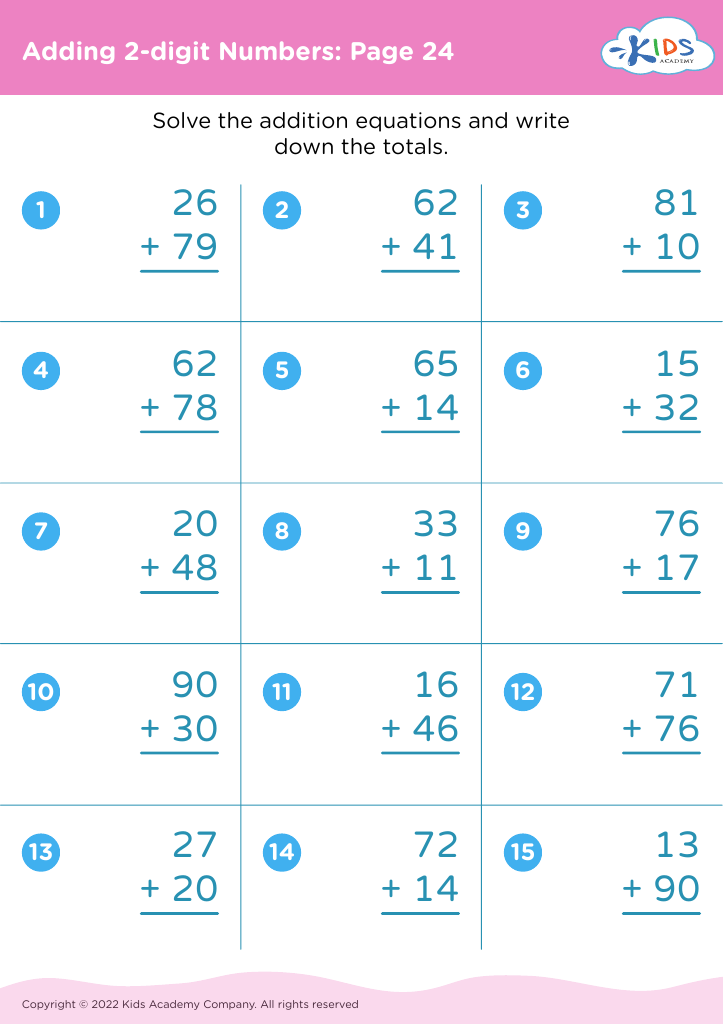
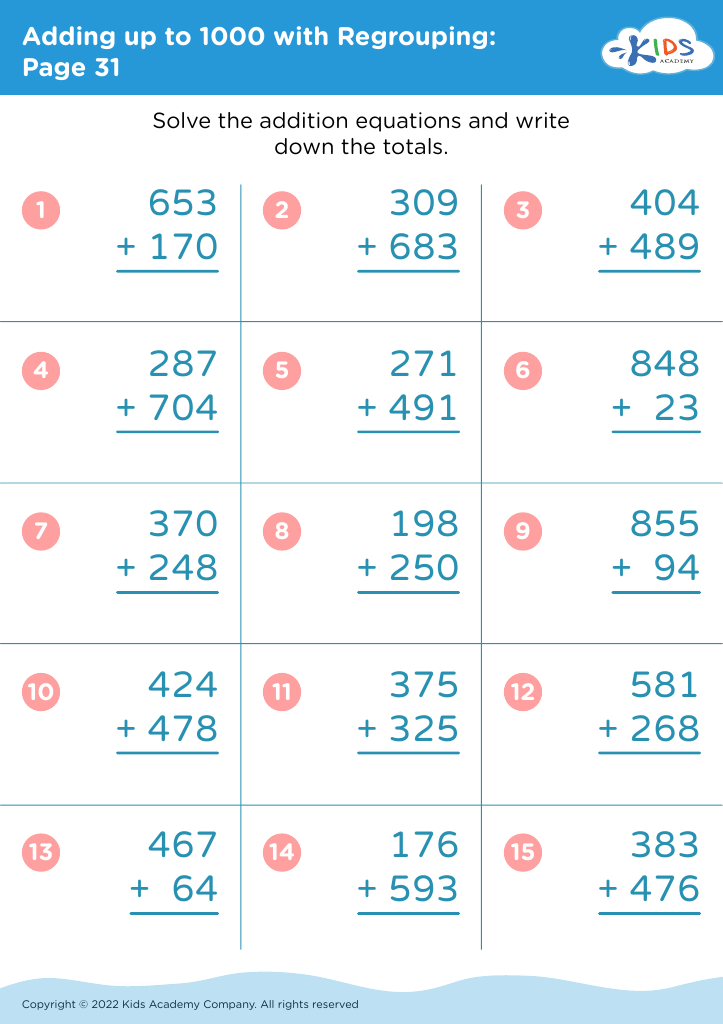
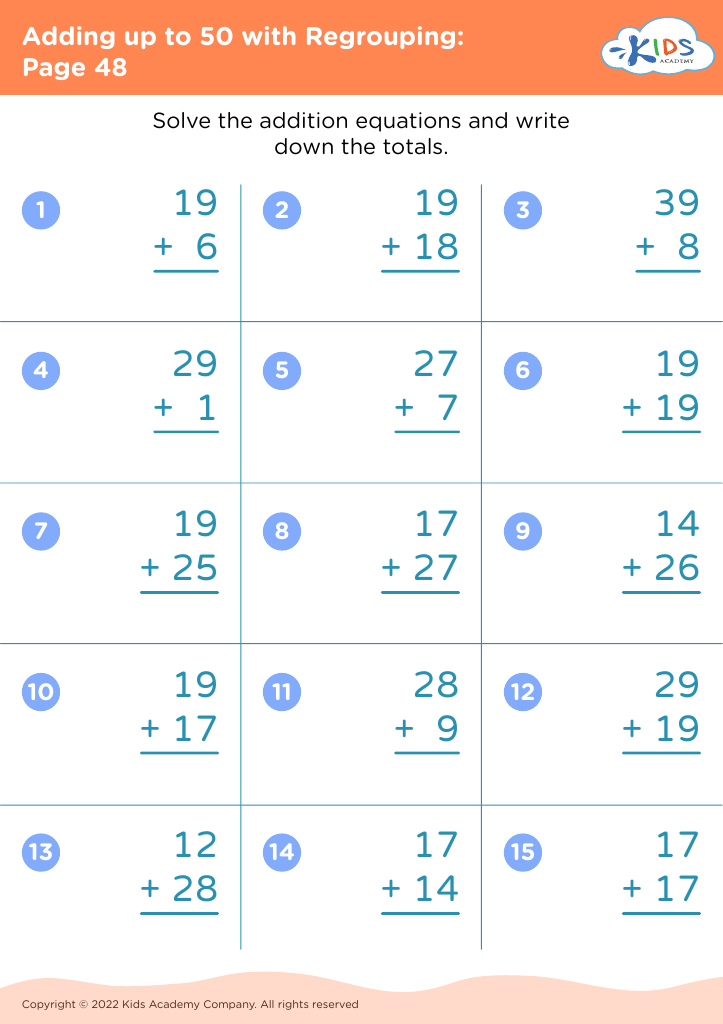
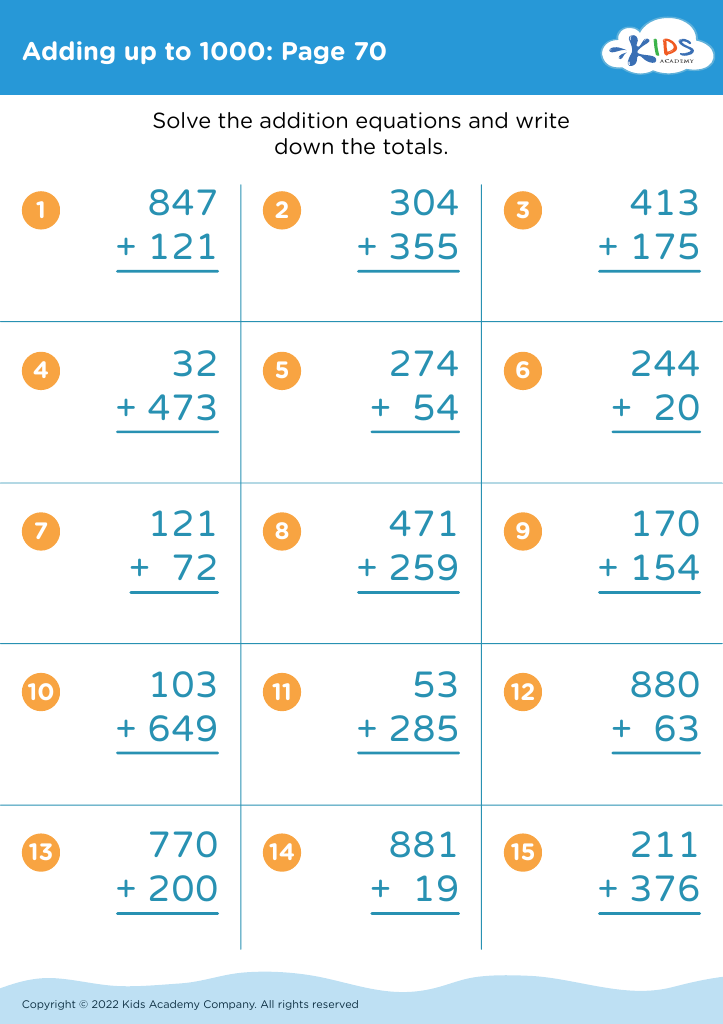
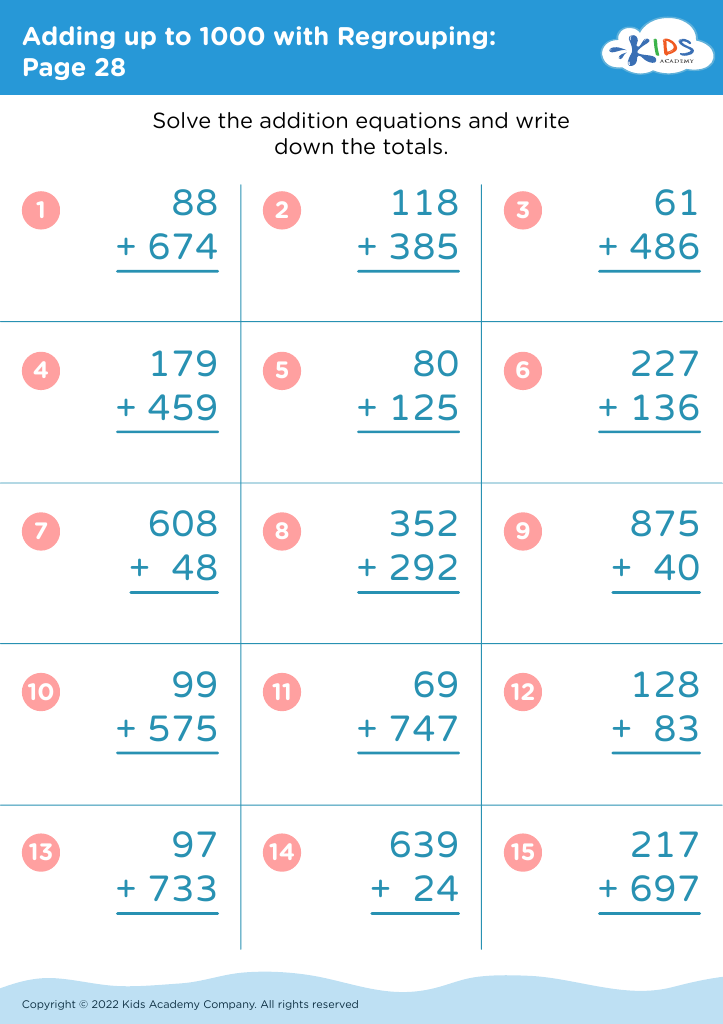
Boost your child's math skills with our engaging "Fraction Addition Worksheets for Ages 7-9"! Designed to suit young learners, these worksheets make adding fractions fun and easy to understand. Each activity takes kids step-by-step through the process, improving their confidence and competence. Tailored for 7-to-9-year-olds, our colorful and interactive worksheets feature a variety of problems that help solidify foundational math skills. Perfect for classroom use, homeschooling, or extra practice, these worksheets turn learning into an enjoyable experience. Equip your young learner with the tools they need to master fraction addition today! Visit Kids Academy to download.
Favorites
With answer key
Interactive
Join Kids Academy for Free
Who is primarily going to use this learning content?








Understanding fraction addition at ages 7-9 is crucial as it lays the foundation for future mathematical concepts that children will encounter. Parents and teachers should care about this topic because it develops key cognitive and problem-solving skills. At this developmental stage, mastering fraction addition hones a child's numerical sense, helping them comprehend that numbers can represent parts of a whole. This understanding extends beyond math and supports learning concepts in science, coding, and everyday decision-making, like dividing a pizza!
Moreover, fraction addition fosters a growth mindset, encouraging children to tackle challenging problems and develop perseverance. This early interaction with fractions makes more complex concepts, like ratios, proportions, and even algebra, more approachable as the child progresses in their education.
Caring adults who prioritize effective teaching methods for fraction addition will use visual aids, interactive activities, and real-world scenarios, making the learning process engaging and reducing anxiety around math. Encouragement from teachers and parents can spark a child’s interest and confidence in math, which is vital not just for academic success but for nurturing logical thinking and analytical skills needed in both everyday life and future careers.
Ultimately, investing in teaching fraction addition well at ages 7-9 sets the stage for mathematical fluency and a positive attitude towards learning as a whole.








