Simplifying Fractions Addition Worksheets for Ages 7-9
18 filtered results
-
From - To
Empower young learners with our Simplifying Fractions Addition Worksheets, designed for children ages 7-9. These engaging and educational printable resources help students master the fundamentals of fraction addition by breaking down complex concepts into easy-to-understand steps. Aligned with common core standards, the worksheets incorporate visual aids, clear instructions, and a variety of problems to ensure comprehensive understanding and skill reinforcement. Enhance classroom learning or support homeschool math education with activities that boost confidence and proficiency in fractions, setting the foundation for future math success. Transform fractions into a fun and manageable task with our expertly crafted worksheets!
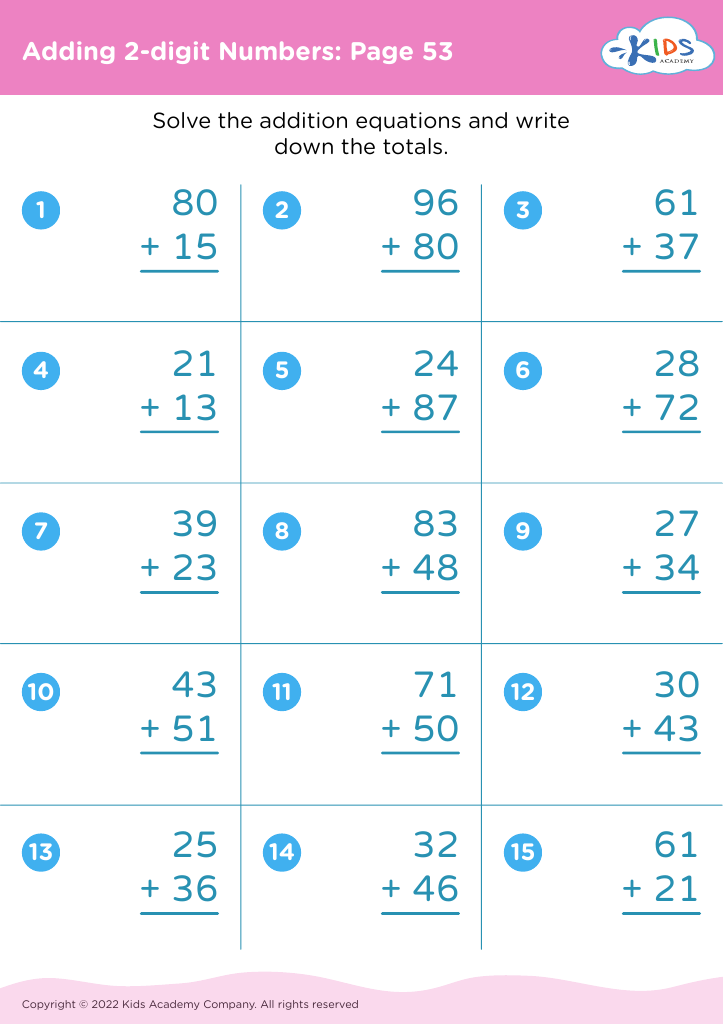
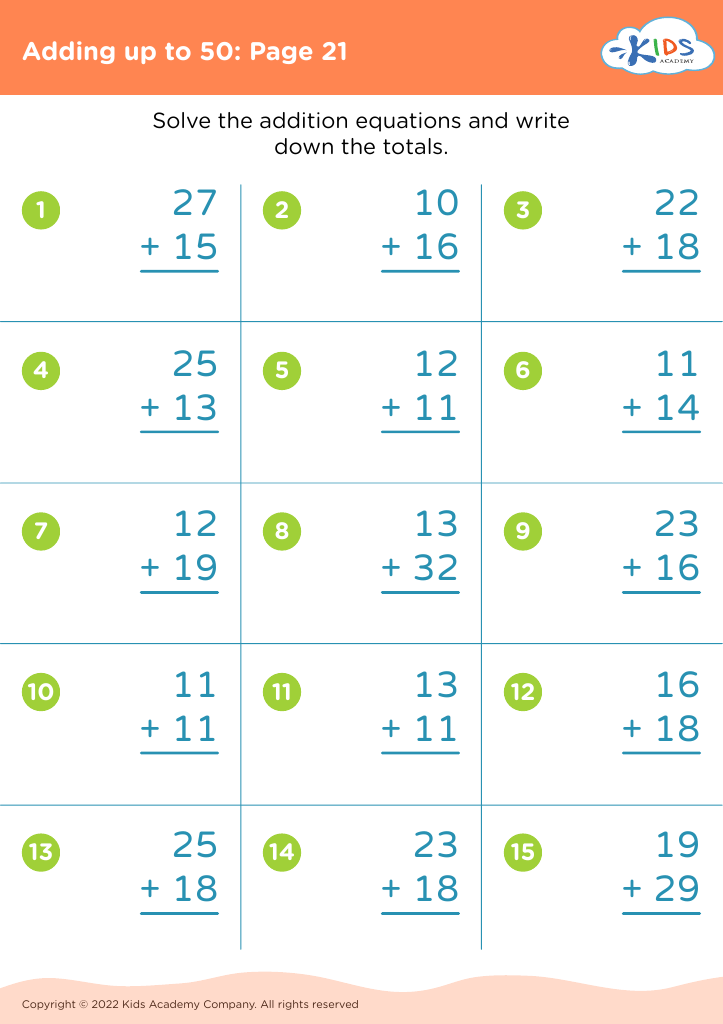
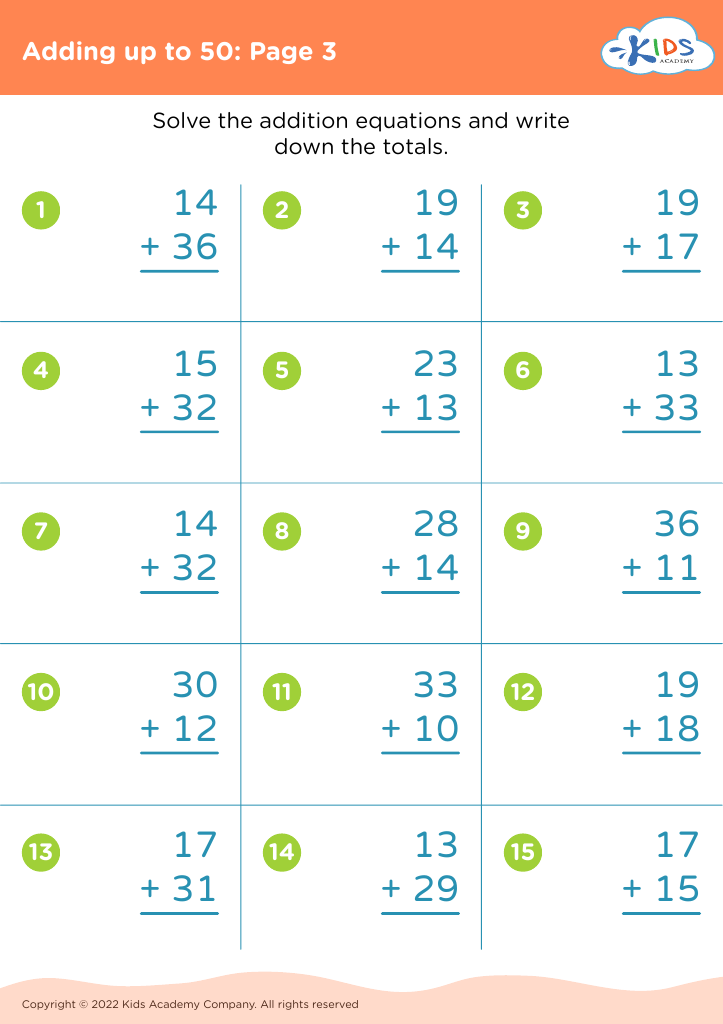
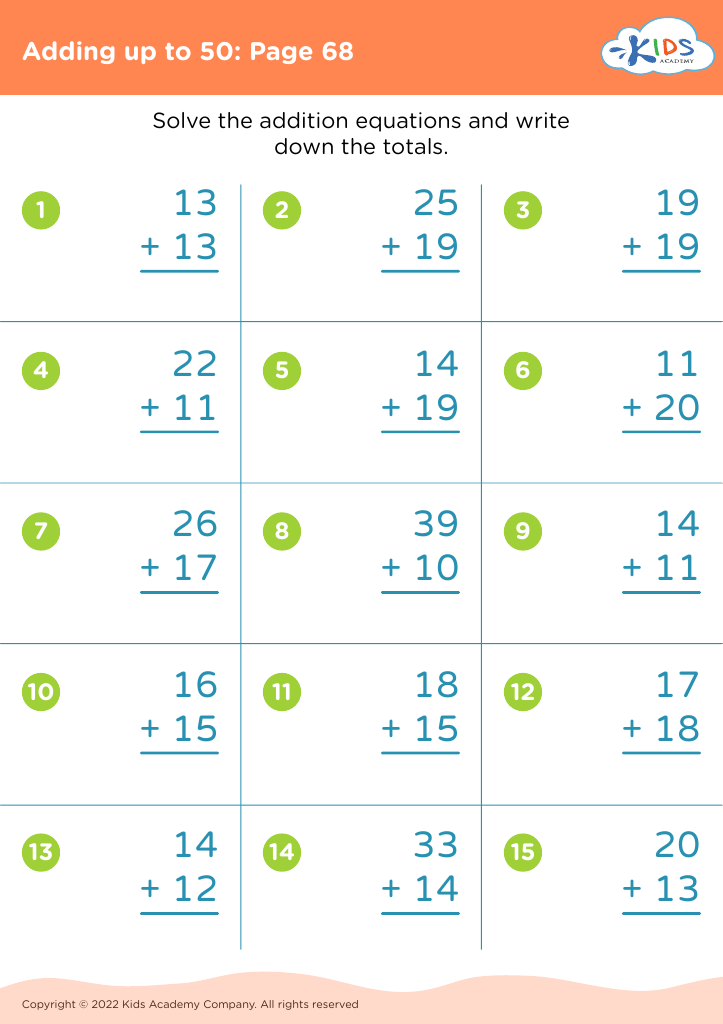
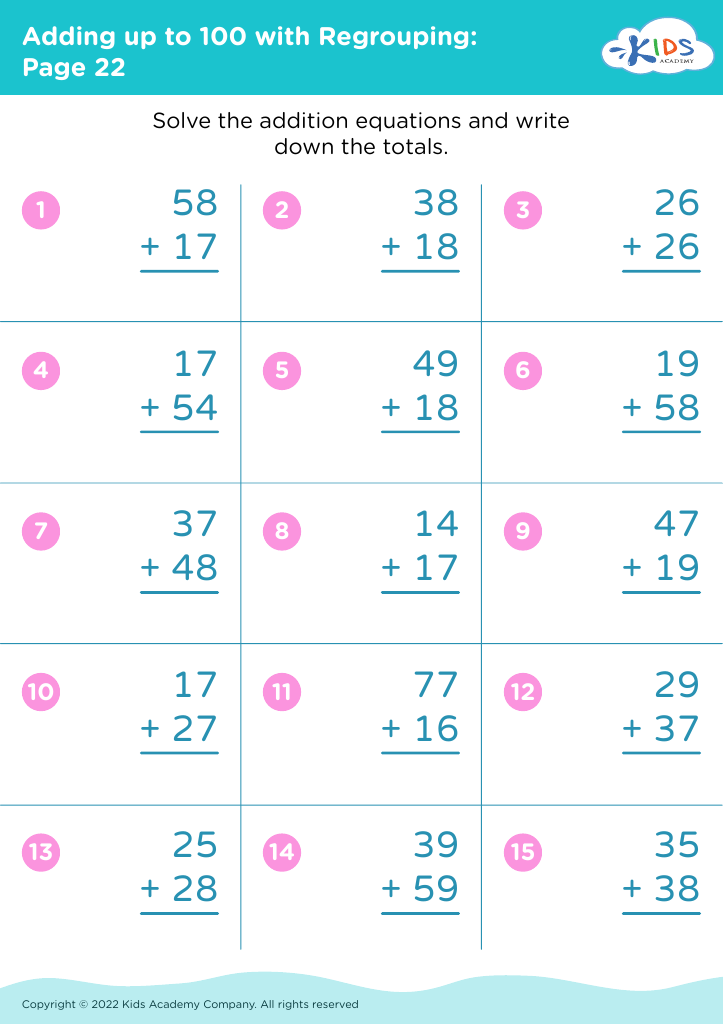
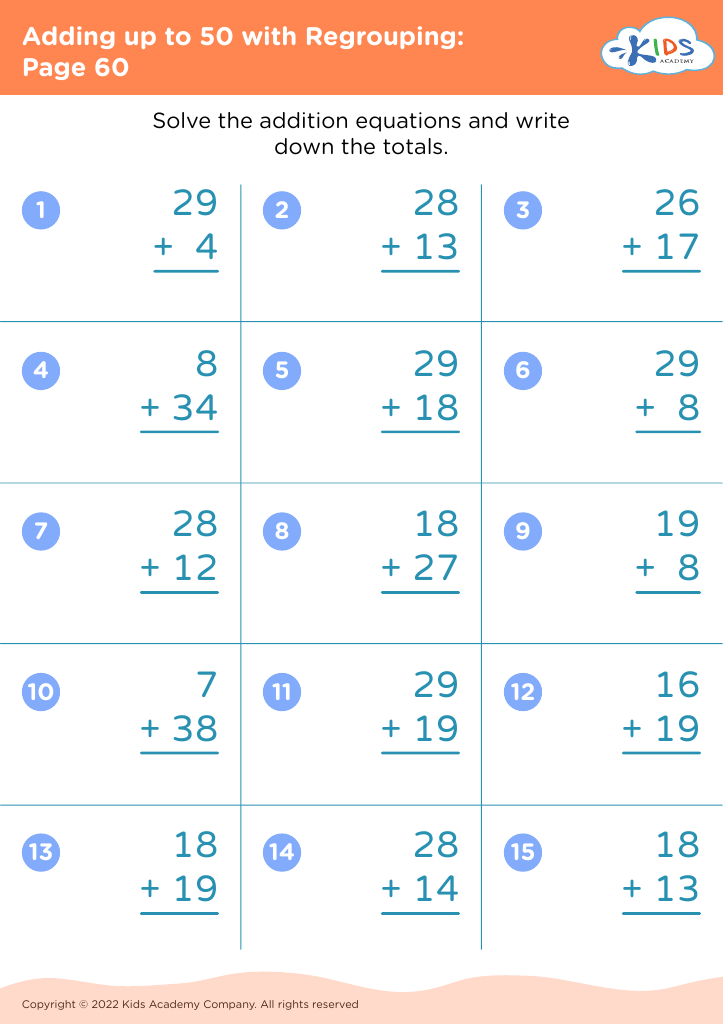
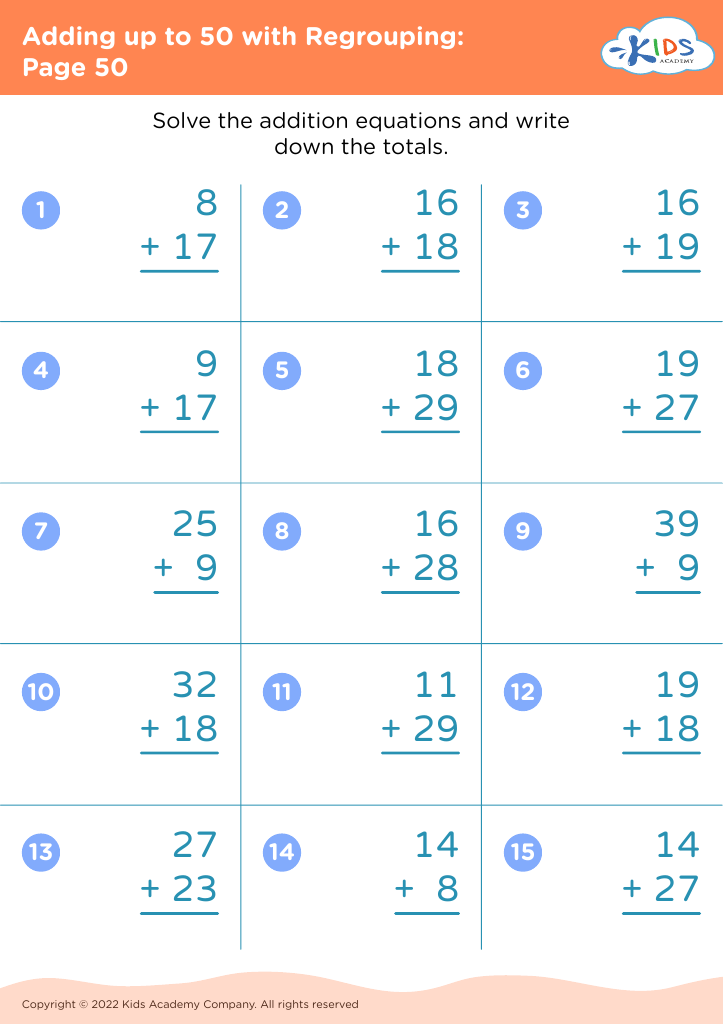
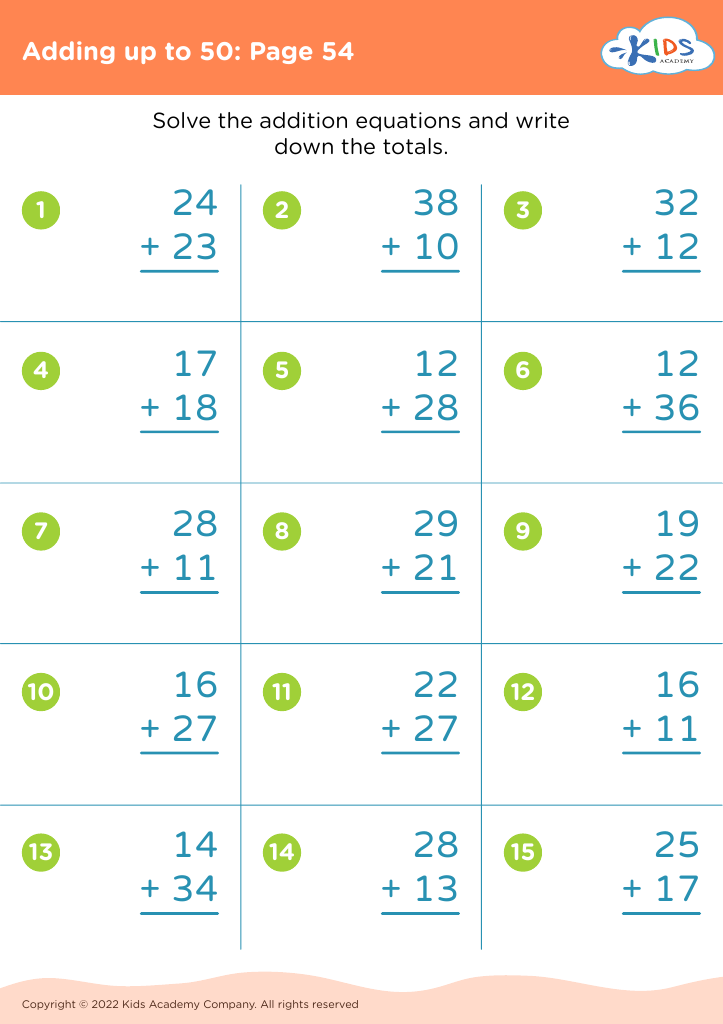
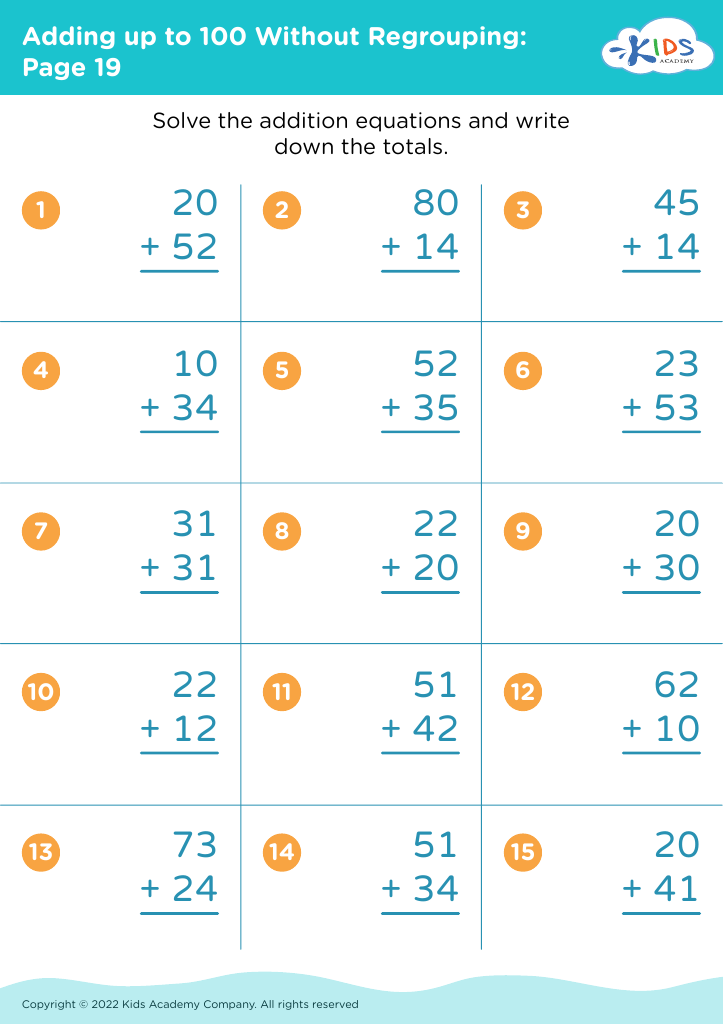
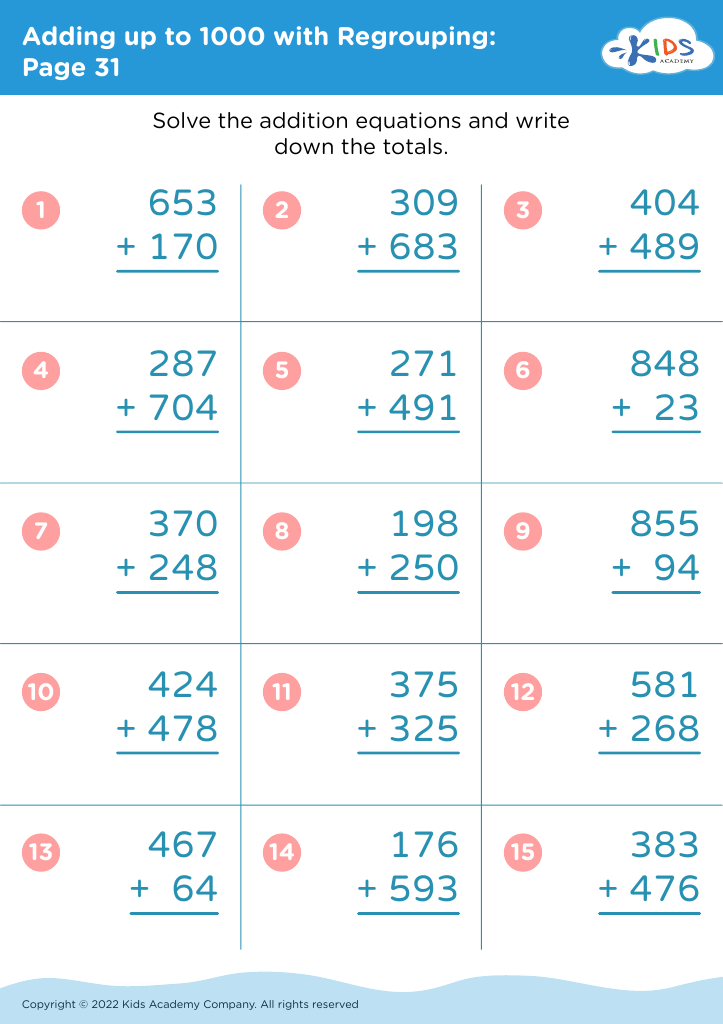
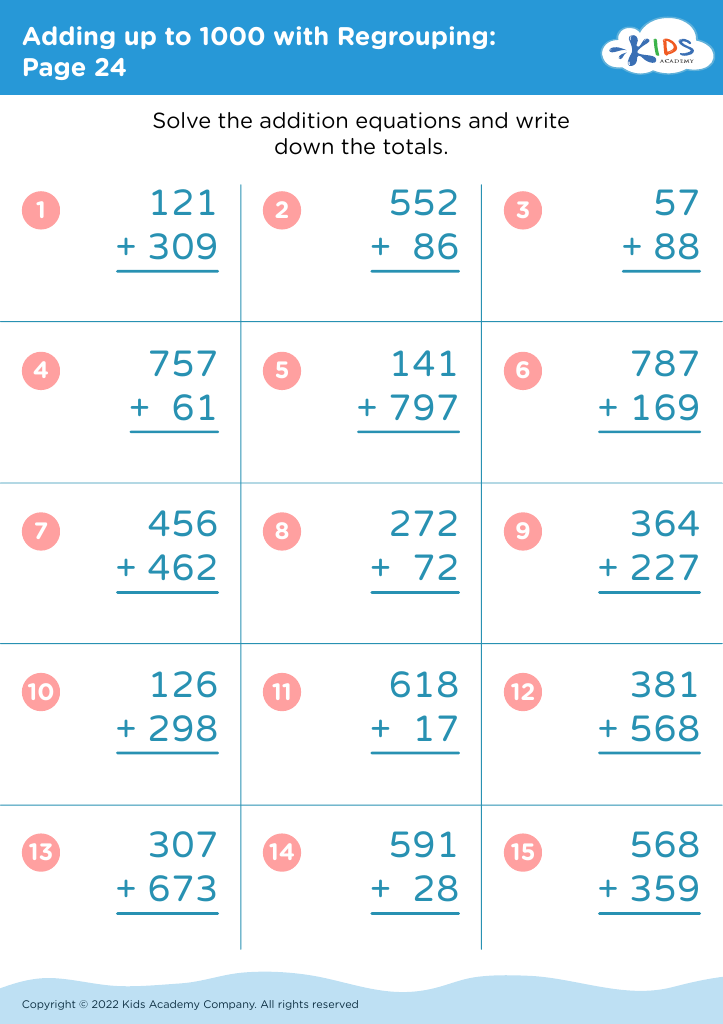
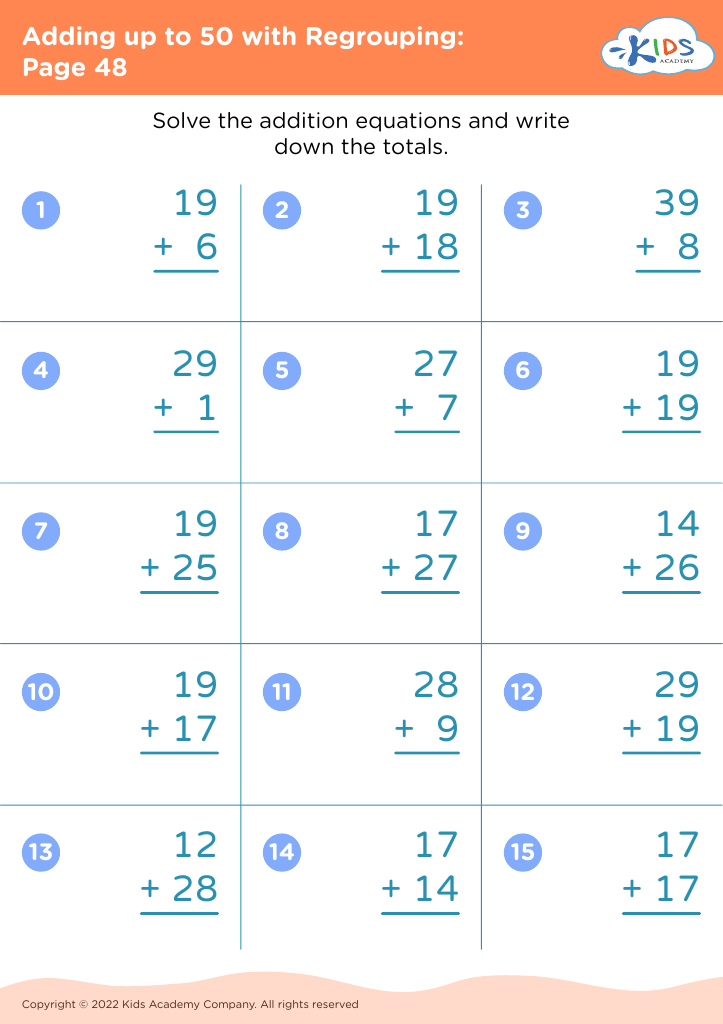
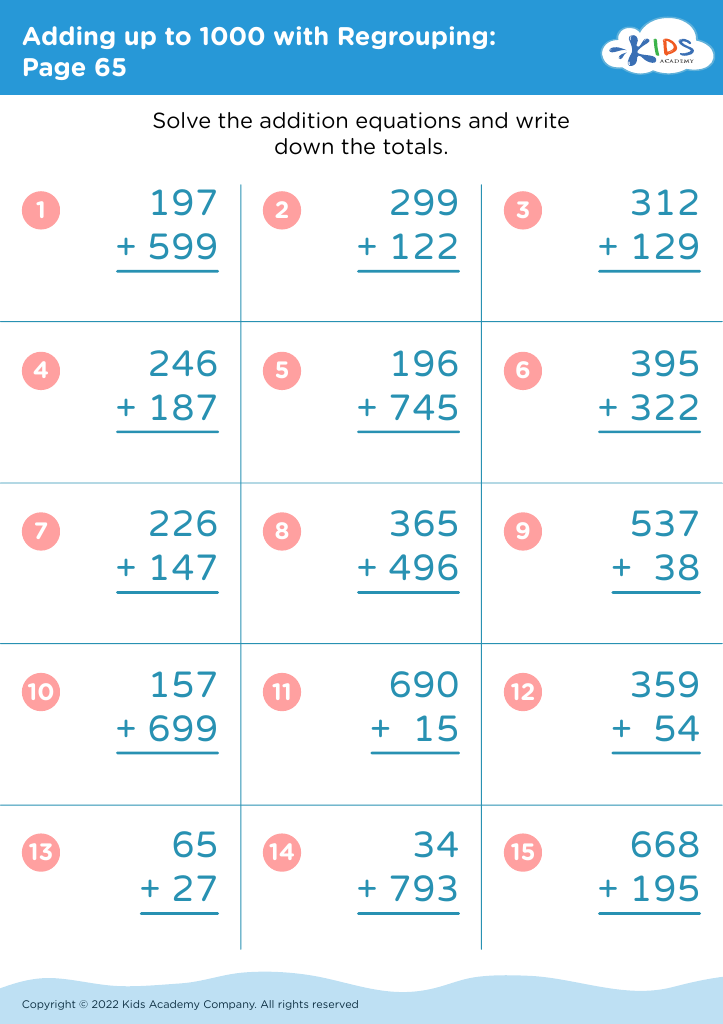
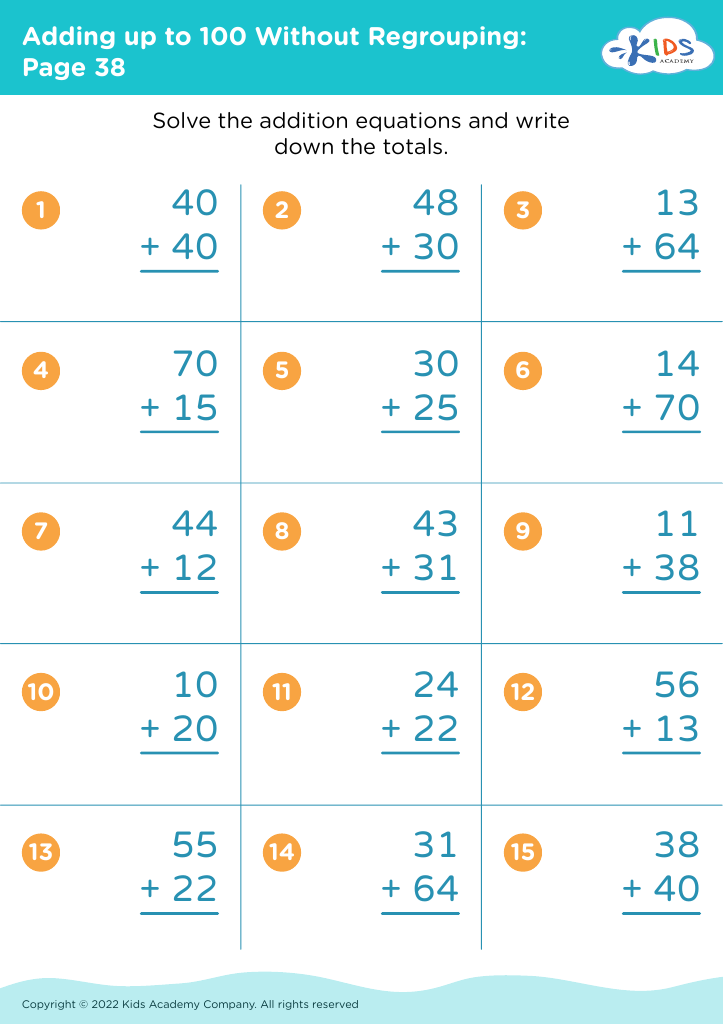
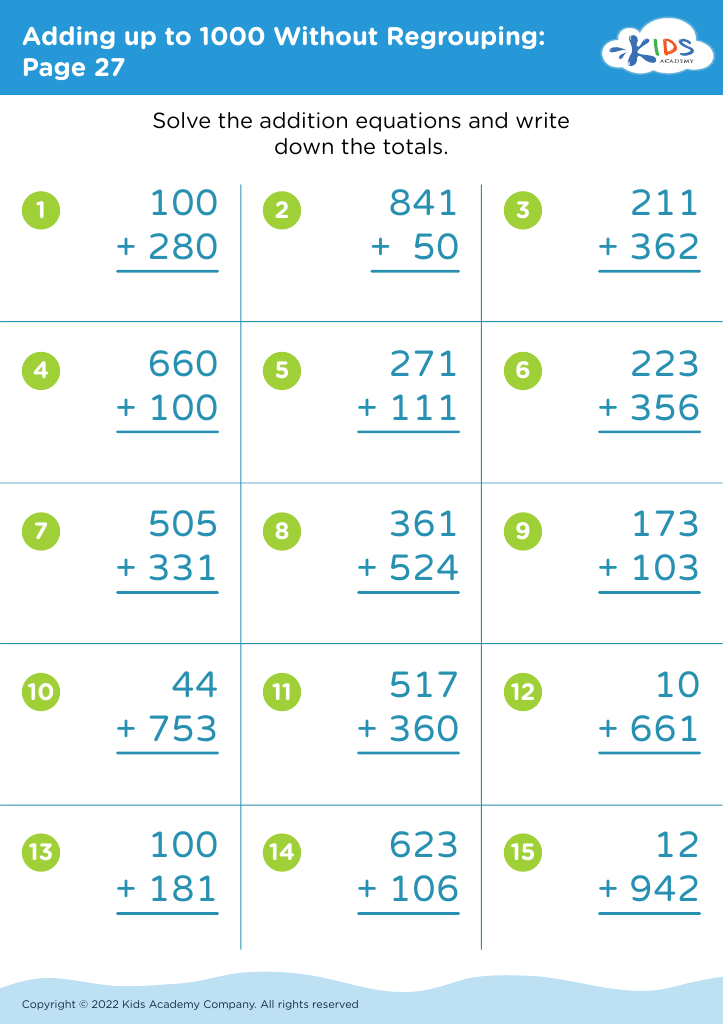
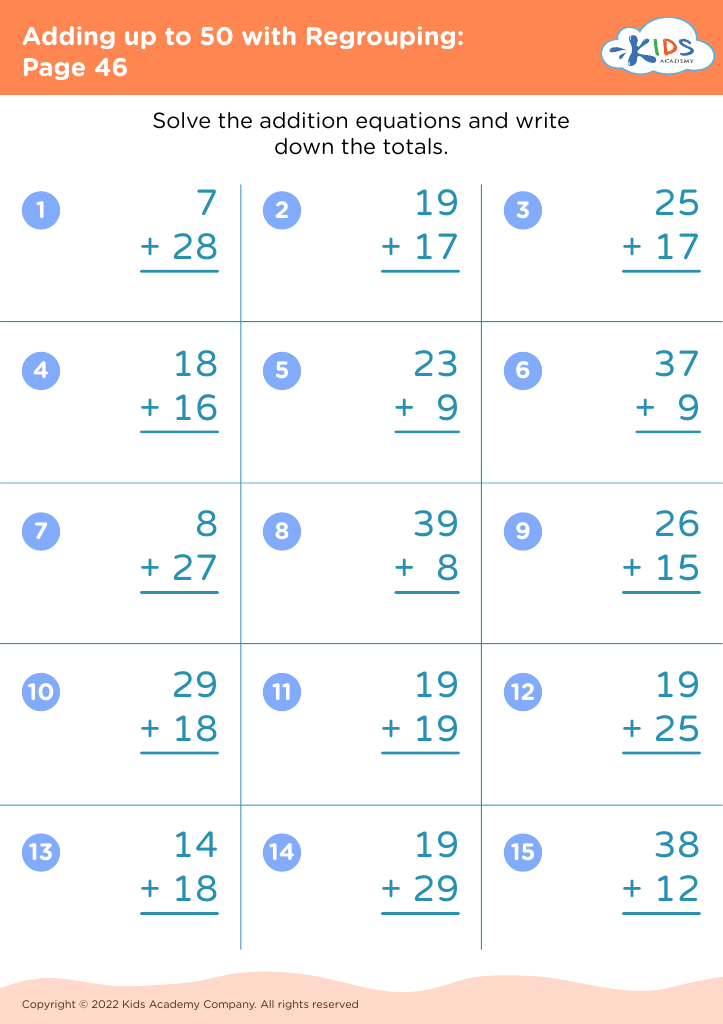
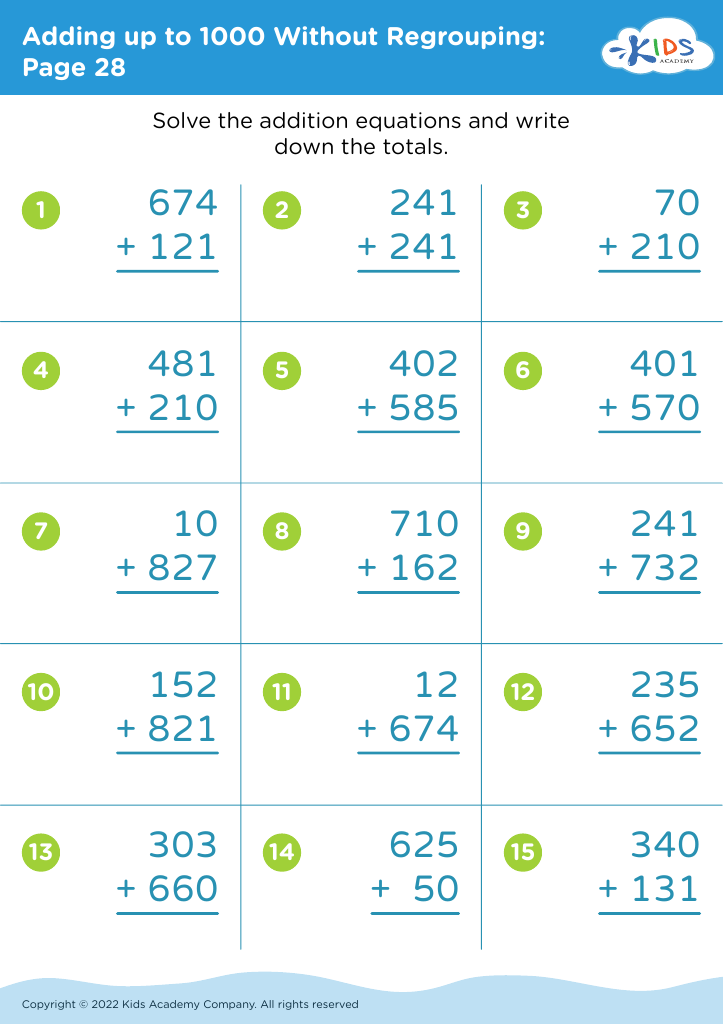
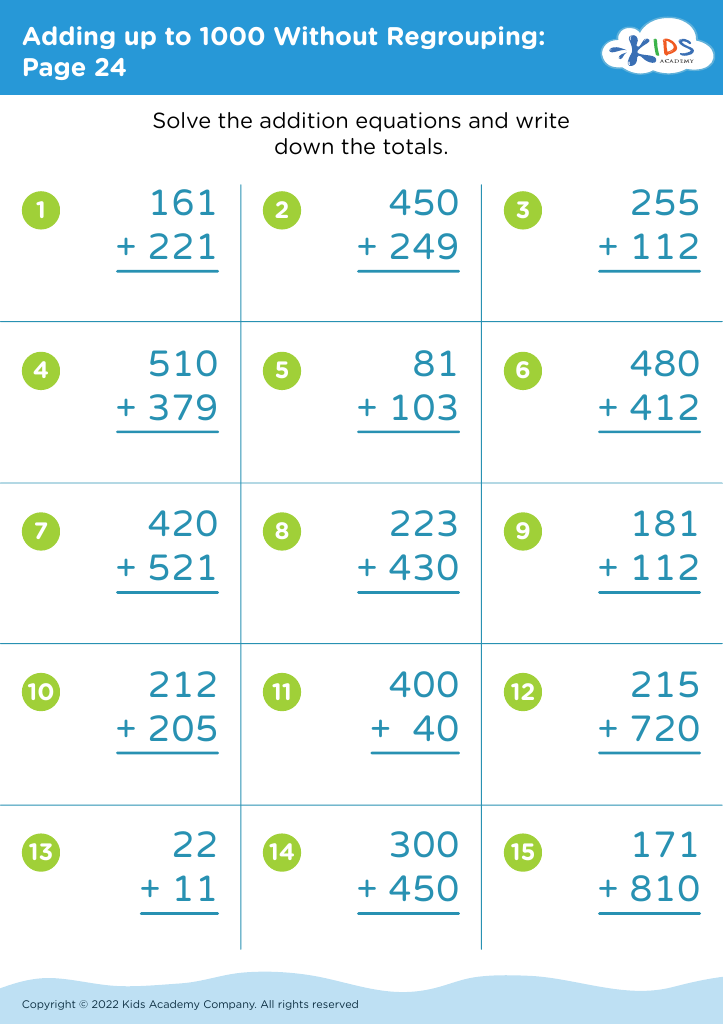



.jpg)




Parents and teachers should pay special attention to simplifying fractions addition for children ages 7-9 because it lays a strong foundation for future mathematical understanding and success. At this age, children are transitioning from basic arithmetic to more complex operations. Mastering fractions is a crucial part of this transition. Simplifying fractions addition helps students grasp the concepts of equivalence and proportionality, which are essential skills in many areas of math, including algebra and geometry.
Moreover, learning to simplify fractions teaches children problem-solving skills and critical thinking. It encourages them to look for common denominators and understand the relationships between different fractions, fostering a deeper comprehension of how numbers work. This skill also helps students develop precision and carefulness in their calculations, preventing errors in more complex math problems down the line.
Another important reason is that it boosts their confidence. When children can successfully add and simplify fractions, they experience a sense of achievement, making them more likely to tackle and persist through challenging problems. This positive experience early on in their education can foster a lifelong interest and competence in mathematics.
Lastly, mathematics is used in everyday life, from following a recipe to dividing a bill. Understanding fractions is therefore a practical skill that benefits students beyond the classroom. Simplifying fractions addition equips them with the tools to handle these real-world situations efficiently and accurately.








