
Word Recognition Addition Worksheets for Ages 7-9
4 filtered results
Difficulty Level
Grade
Age
-
From - To
Subject
Activity
Standards
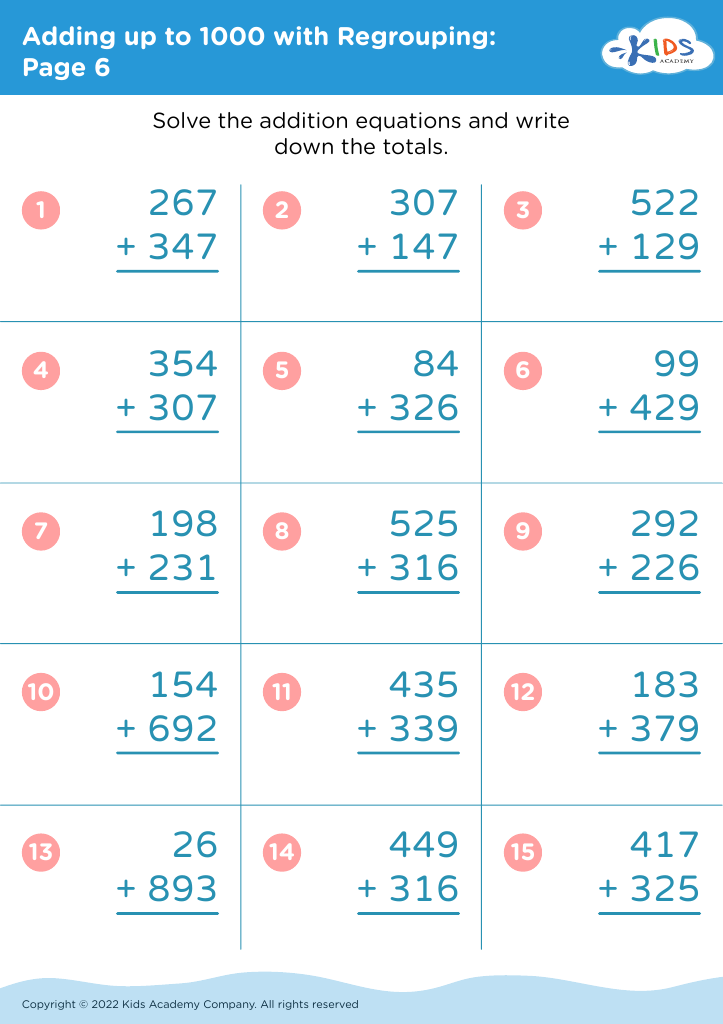
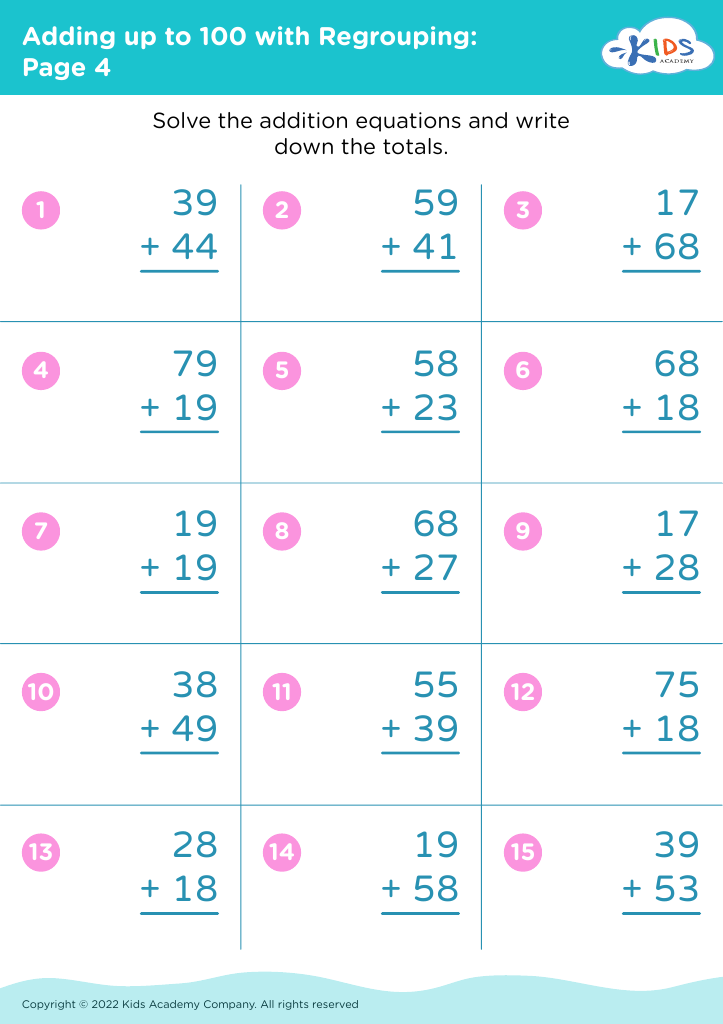
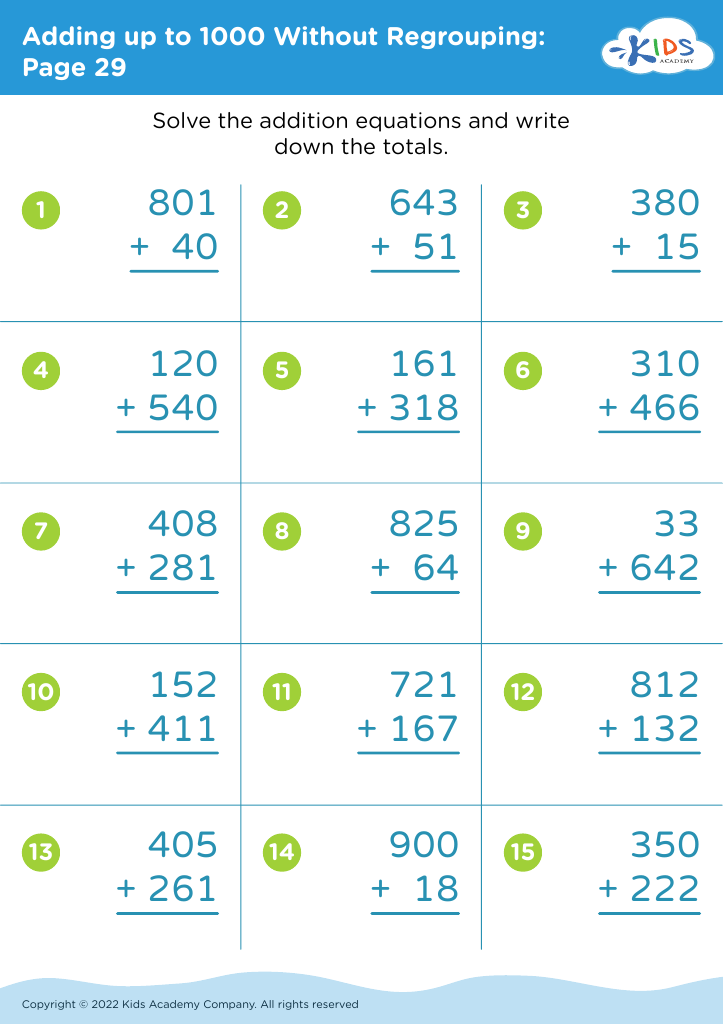
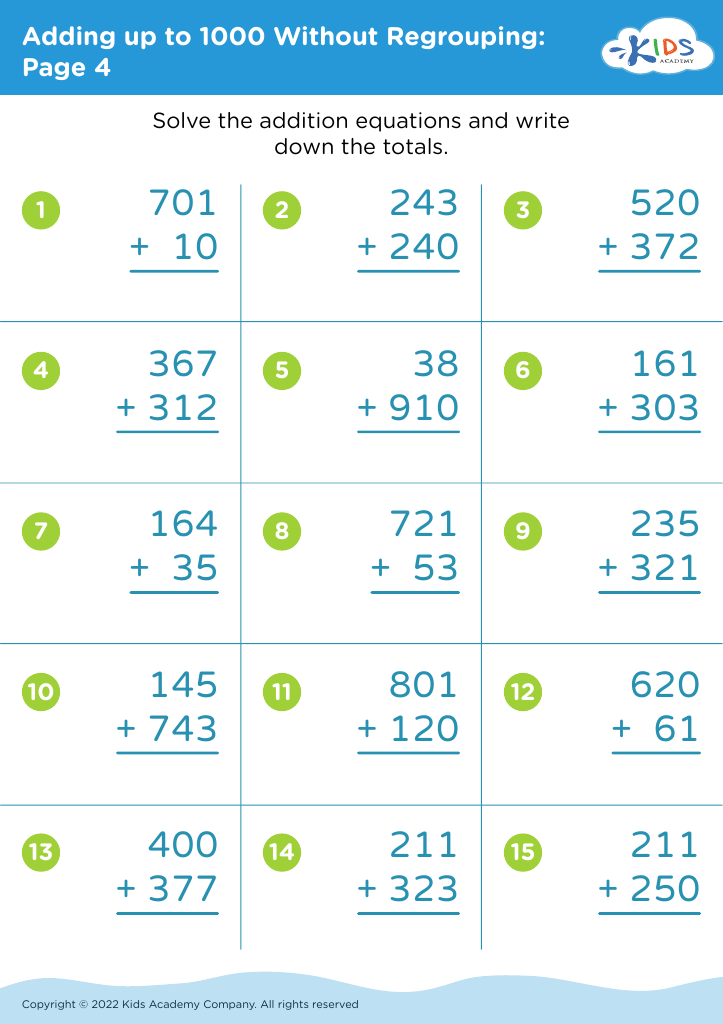
Discover engaging Word Recognition Addition Worksheets tailored for ages 7-9! These expertly designed worksheets blend math and literacy, helping children master addition while improving their word recognition skills. Each colorful worksheet features fun exercises, such as adding the sums to complete words, enhancing both numerical proficiency and vocabulary. By integrating core educational concepts, these printable worksheets foster a love for learning and critical thinking. Perfect for classroom or home use, our resources ensure that students develop fundamental skills in an enjoyable and interactive way. Unlock your child's potential with our Word Recognition Addition Worksheets today!
Favorites
With answer key
Interactive
Join Kids Academy for Free
Who is primarily going to use this learning content?








Word recognition is a critical milestone in the reading development of children ages 7-9. This stage, sometimes referred to as 'sight word' recognition, involves the ability to identify words quickly and accurately without needing to sound them out phonetically. Fostering strong word recognition is essential for several reasons.
Firstly, it substantially enhances reading fluency. When children can instantly recognize common words, they can read text with greater speed and smoothness, allowing them to focus on comprehension rather than decoding each word. This fluency is key for keeping children engaged and interested in reading, reducing frustration during the learning process.
Secondly, strong word recognition skills are the building blocks for vocabulary growth and comprehension. Early readers expand their vocabulary when they encounter and recognize new words in context. This will aid their academic success across various subjects, as reading-based activities become easier and more intuitive.
Moreover, enhanced word recognition supports cognitive development by improving memory and mental processing skills. It encourages children to link phonetic sounds to visual symbols and contexts, which is essential for complex learning tasks later on.
Educators and parents play crucial roles in this development phase. They can support word recognition through activities like interactive reading, word games, and flashcards, ensuring that reading remains a joyful and stress-free experience. By prioritizing word recognition, adults can help lay a solid foundation for lifelong literacy and learning.








