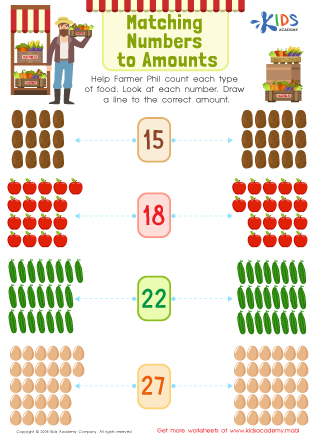
Addition Practice Comparing Numbers Worksheets for Ages 7-9
3 filtered results
-
From - To
Enhance your child’s math skills with our engaging "Addition Practice Comparing Numbers Worksheets for Ages 7-9". These carefully designed worksheets offer a perfect blend of fun and learning, helping young students hone their addition skills while comparing numbers. Each sheet presents exciting challenges that build foundational math capabilities, encouraging critical thinking and boosting confidence. Ideal for classroom use or homeschooling, our worksheets support your child's journey in mastering addition and numerical comparisons. Promote a love of math and equip your child with the essential tools for success. Download now and watch your young learner thrive in their math journey!
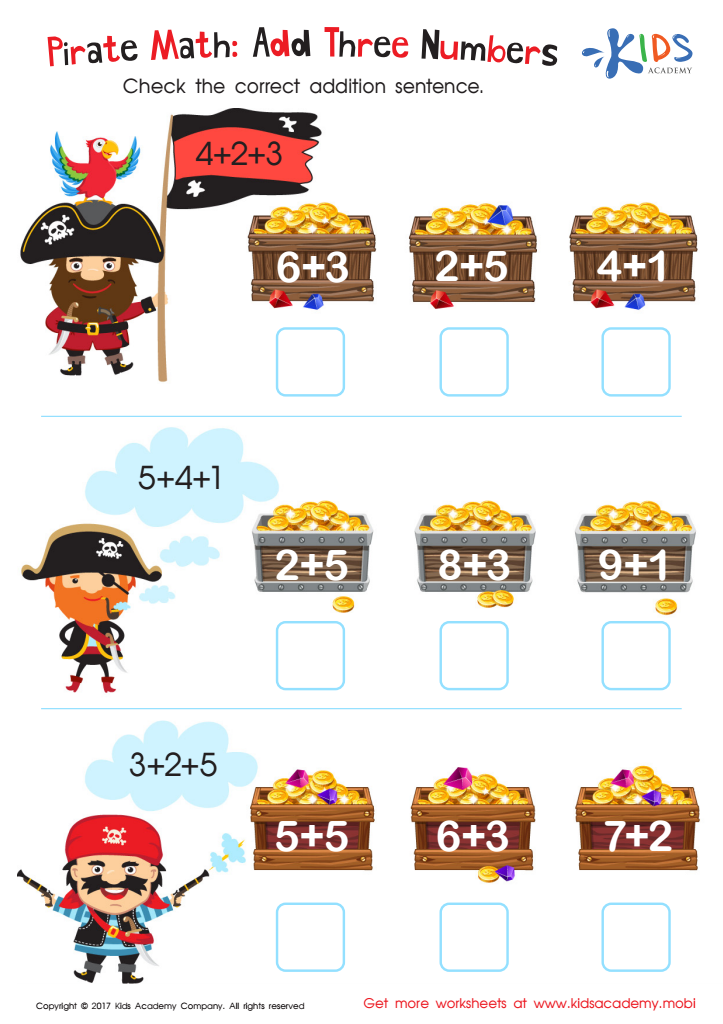
Pirate Math Printable
 Assign to My Students
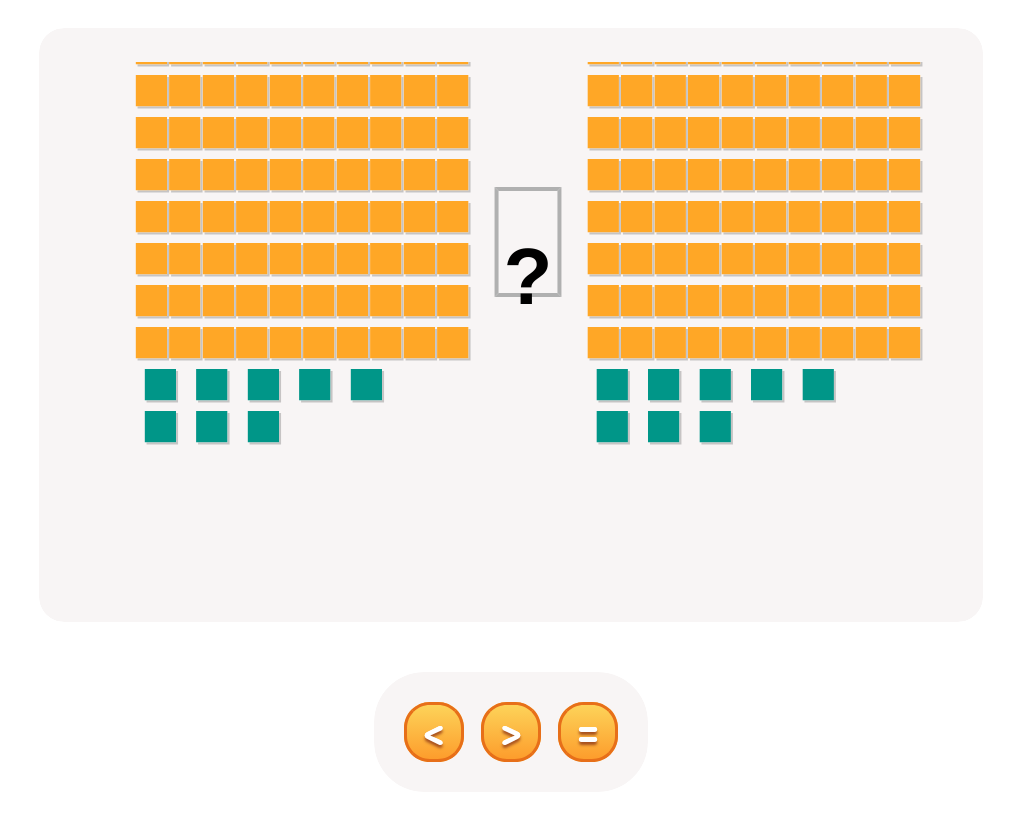

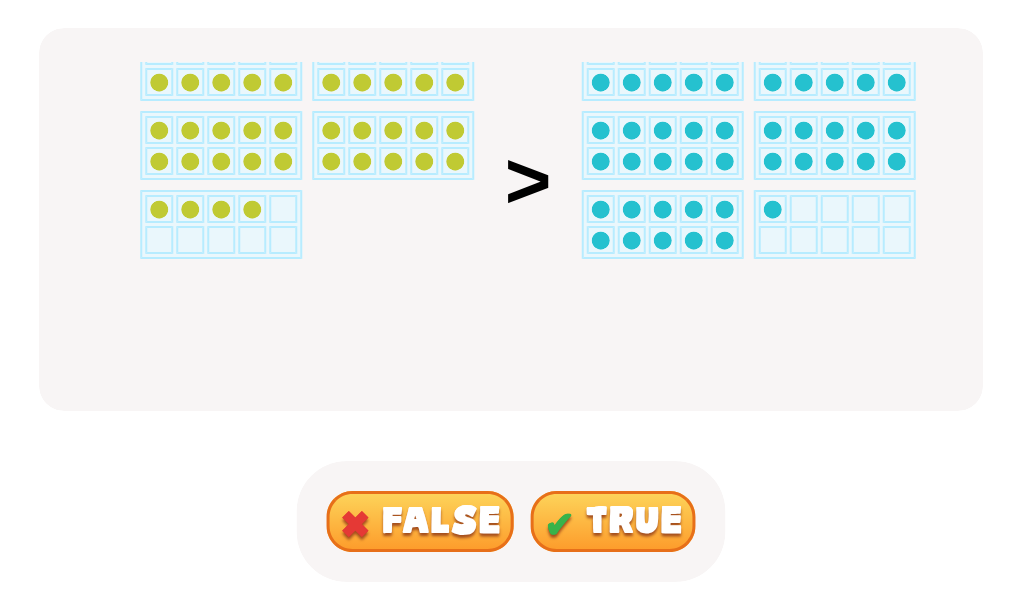


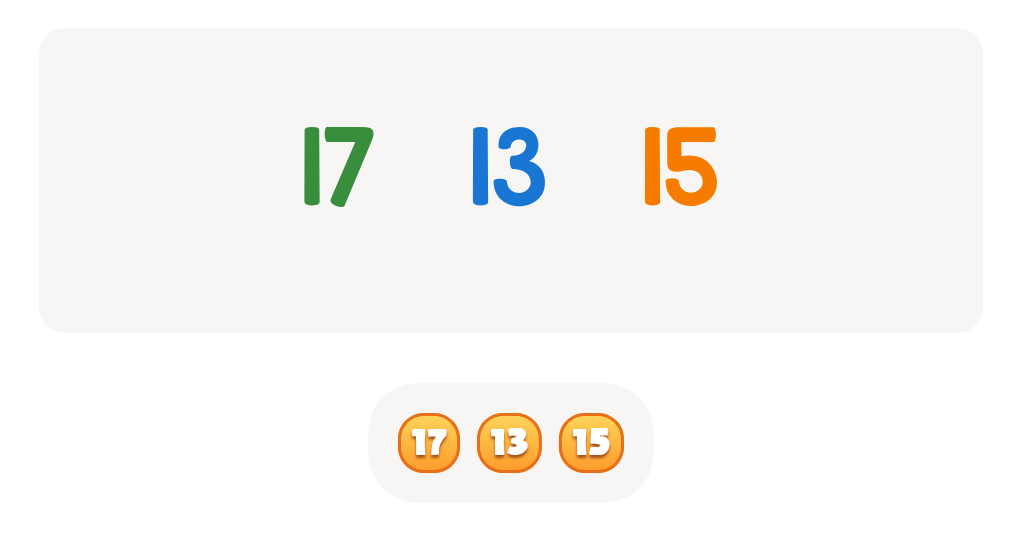
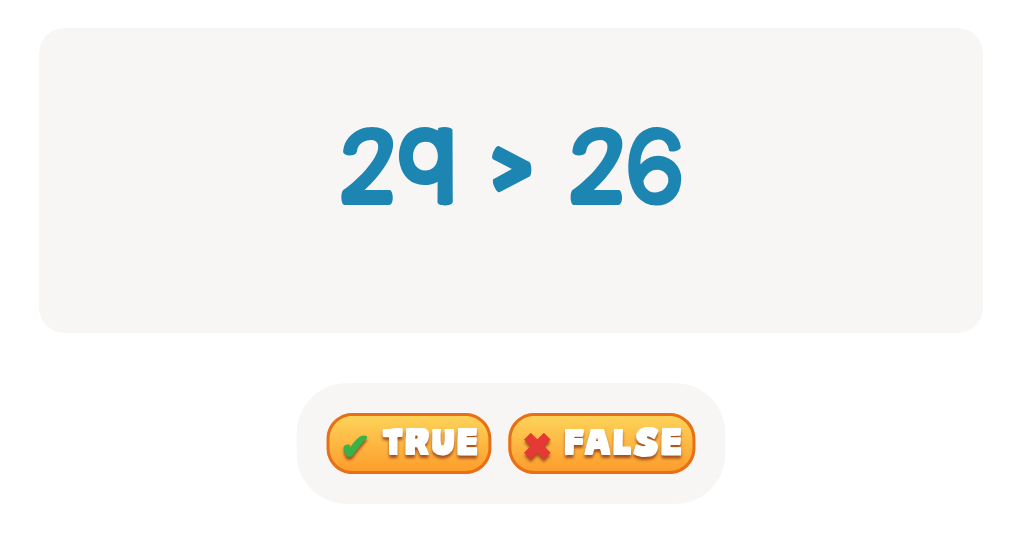
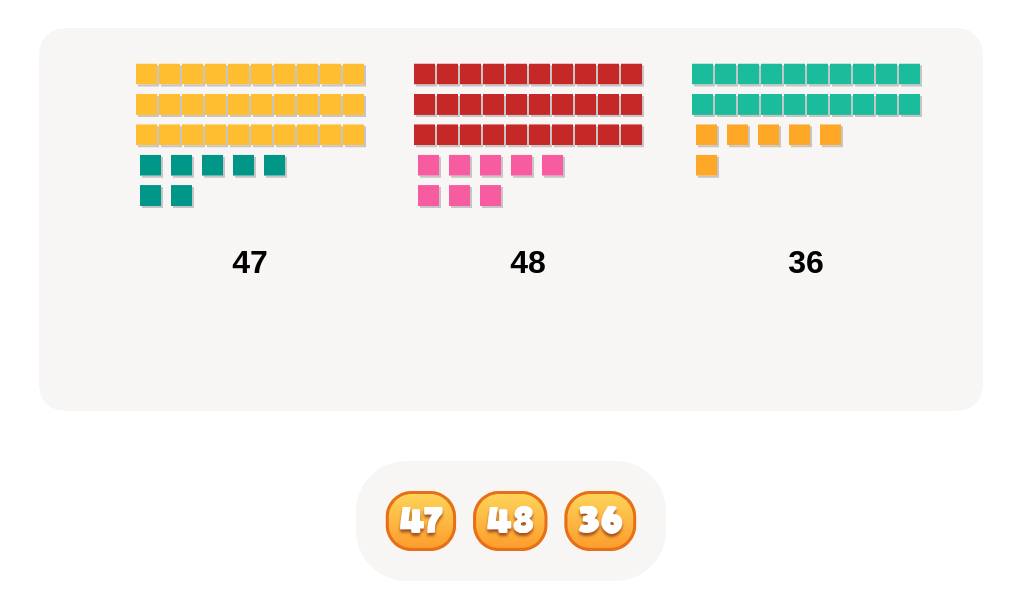
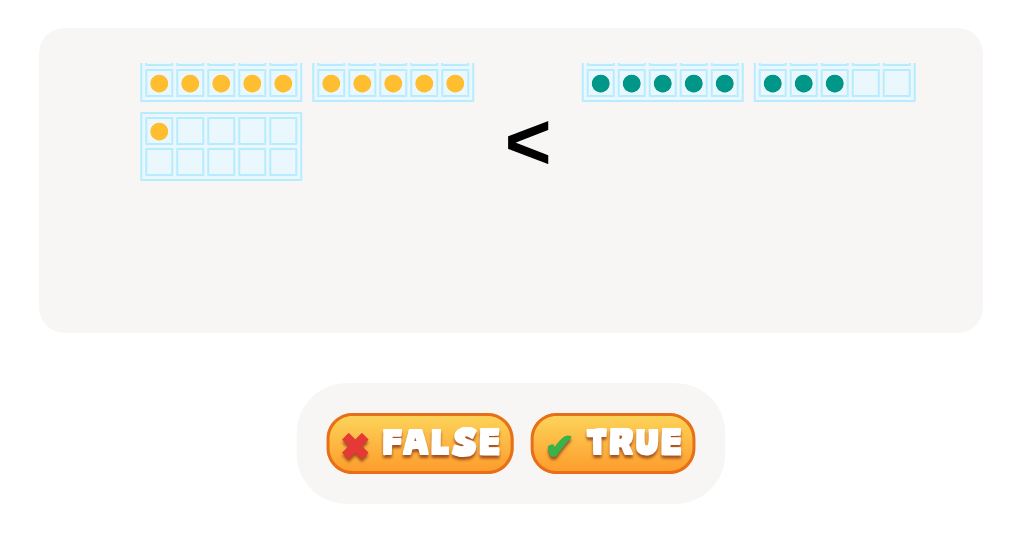
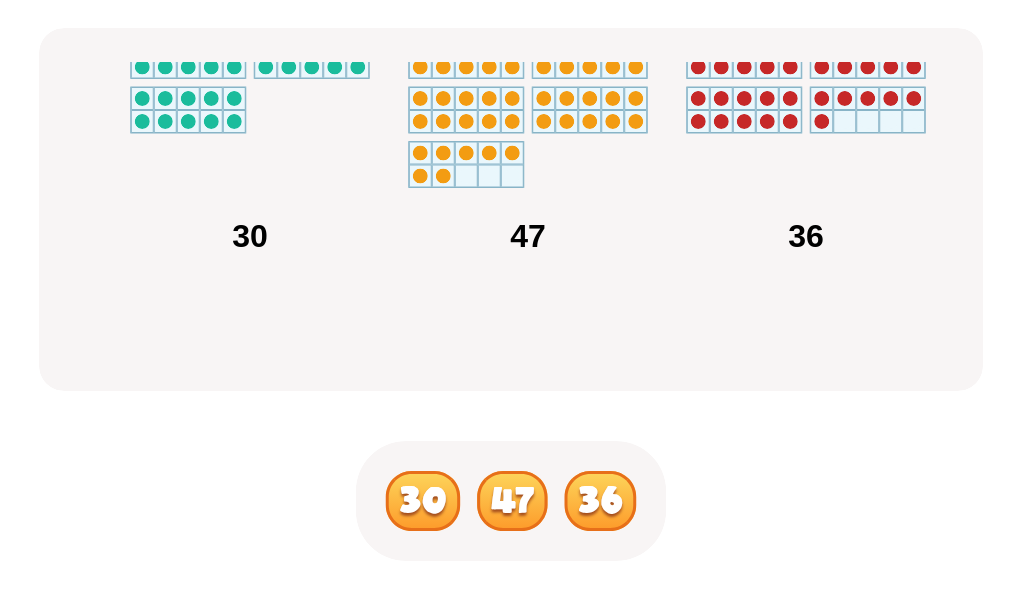
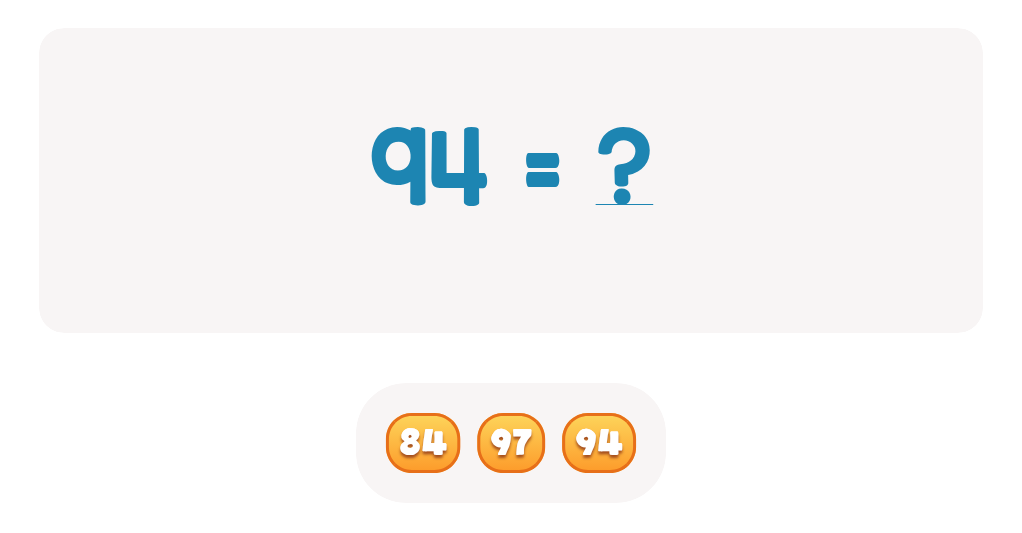
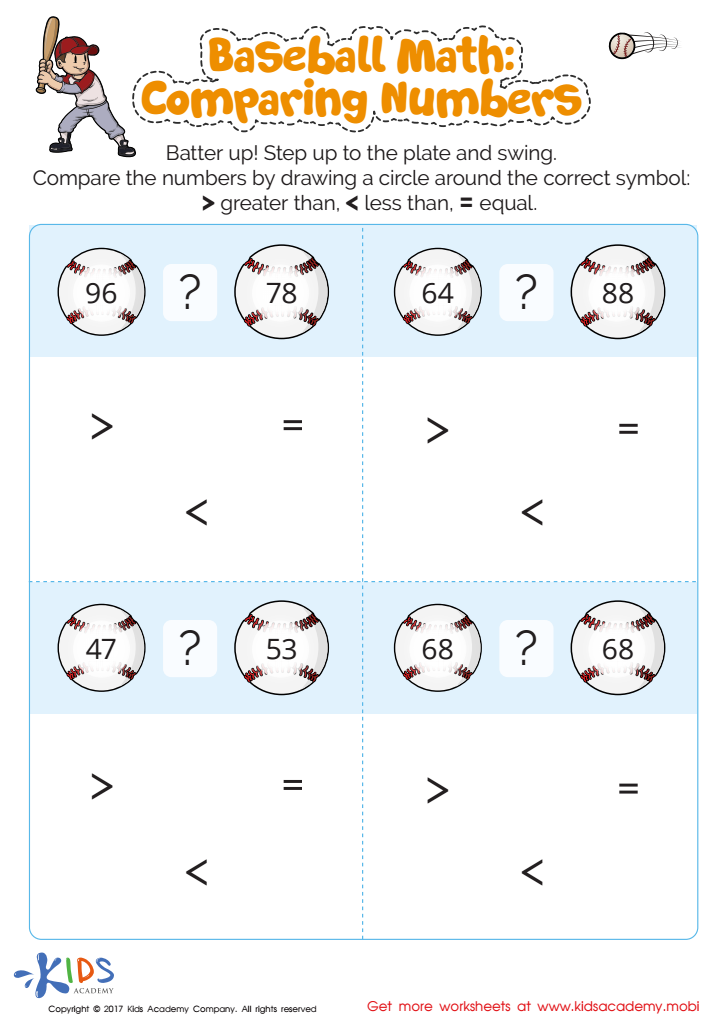
Compare Numbers Printable
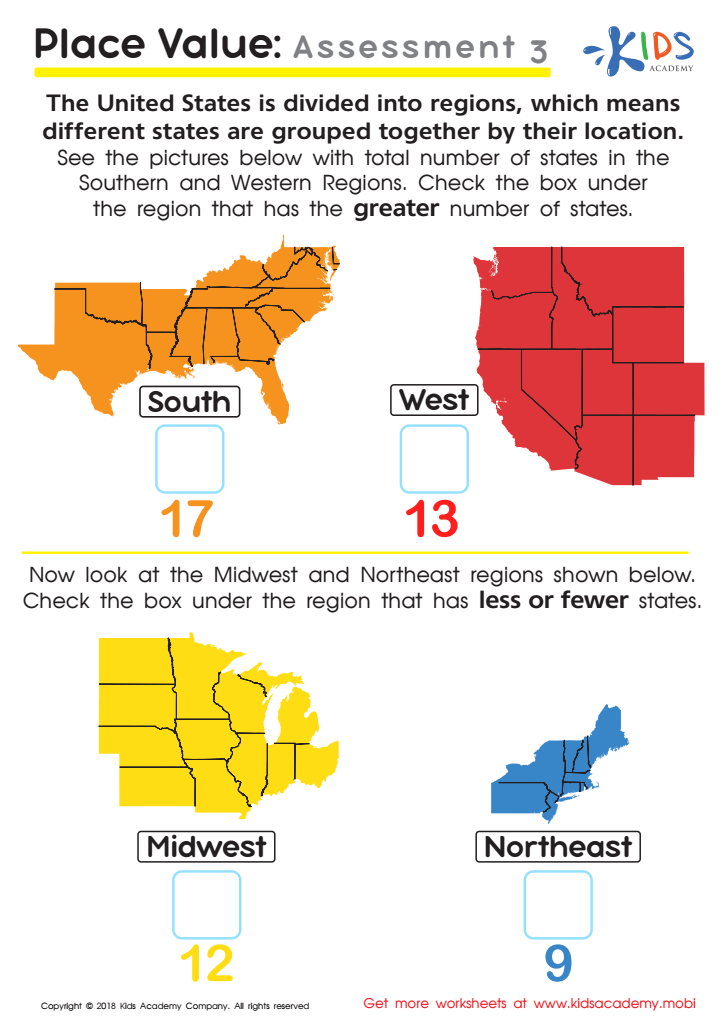
Place Value: Assessment 3 Worksheet








Supporting addition practice and comparing numbers for children aged 7-9 is crucial for developing foundational math skills that are essential for their overall academic success. At this age, kids are in the critical period of building their mathematical fluency, which includes understanding number relationships and basic arithmetic operations.
-
Brain Development: Structured practice helps enhance cognitive abilities like memory, problem-solving, and logical thinking. Regularly working on addition and number comparison engages their brain's neural pathways, reinforcing what they've learned and facilitating smoother math comprehension in future concepts.
-
Confidence Boost: When children grasp these concepts early on, they are more likely to feel capable and confident in their abilities to tackle more challenging math problems. This self-assurance can have a positive ripple effect on other academic areas and increase their general eagerness to learn.
-
Practical Life Skills: Math isn't just a school subject; it's essential for everyday life. Bottom-line tasks such as shopping, cooking, and planning require quick and accurate arithmetic. Developing these practices ensures that children can handle real-world situations smoothly and confidently.
-
Long-term Academic Success: Fundamental understanding of addition and number relationships serves as the cornerstone for more complex mathematical concepts they'll encounter later. Mastery at this stage makes transitions to concepts like multiplication, division, fractions, and algebra far easier. By focusing on these basics now, parents and teachers set children up for sustained academic achievement.