Understanding greater/less than Comparing Numbers Worksheets for Ages 7-9
3 filtered results
-
From - To
Welcome to our "Understanding Greater/Less Than Comparing Numbers Worksheets" for children aged 7-9! This engaging resource is designed to help young learners master the concepts of comparison through interactive worksheets. Students will explore greater than (>) and less than (<) symbols, enhancing their number sense and critical thinking skills. Our worksheets feature a variety of activities, including number comparisons, visual aids, and real-life examples to make learning fun and effective. Whether used in the classroom or at home, these worksheets provide the support kids need to build confidence and proficiency in comparing numbers. Start your journey to math mastery today!
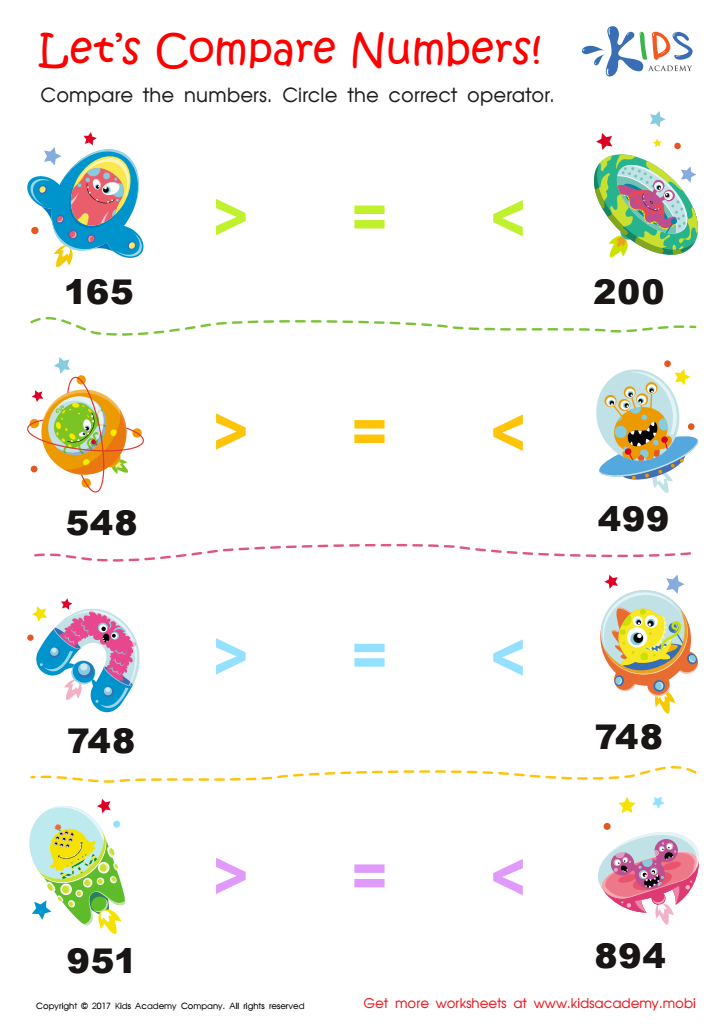
Comparing Numbers Worksheet for 2nd Grade
 Assign to My Students
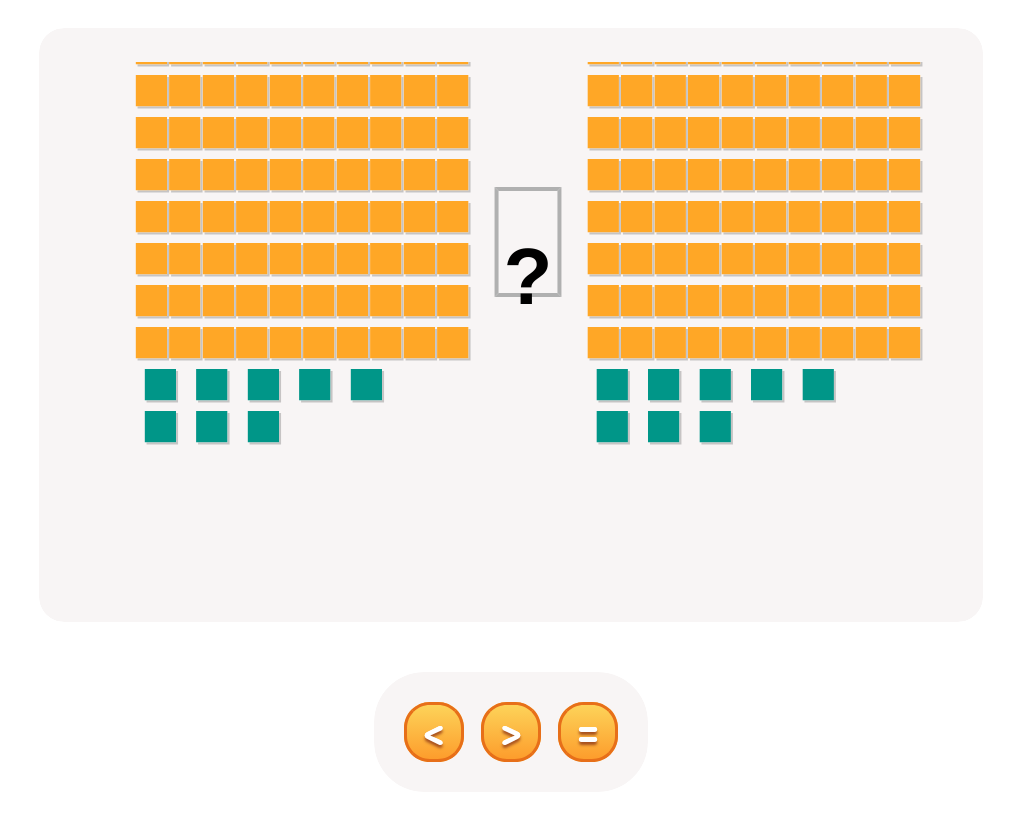

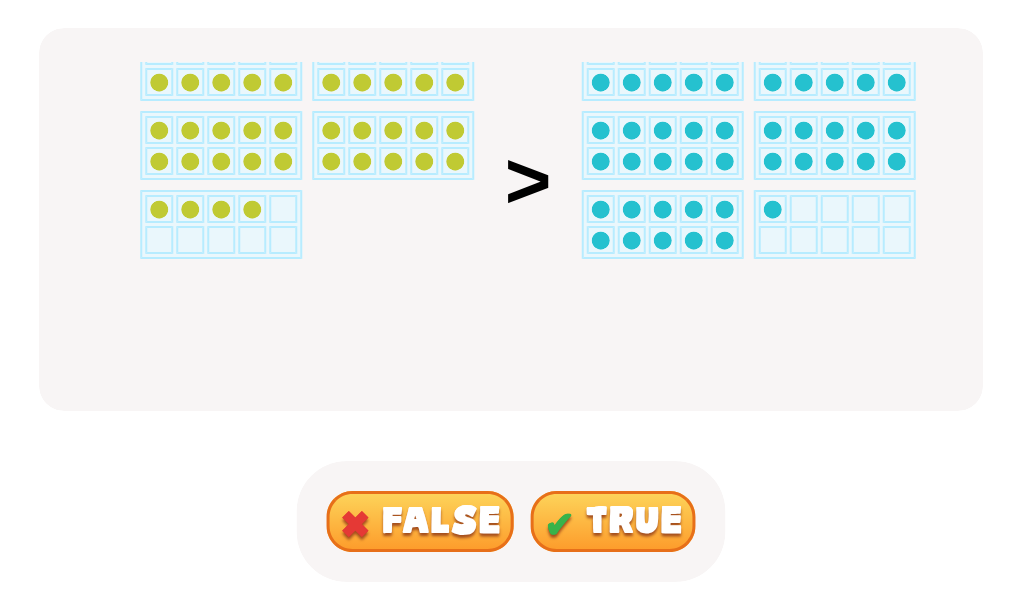
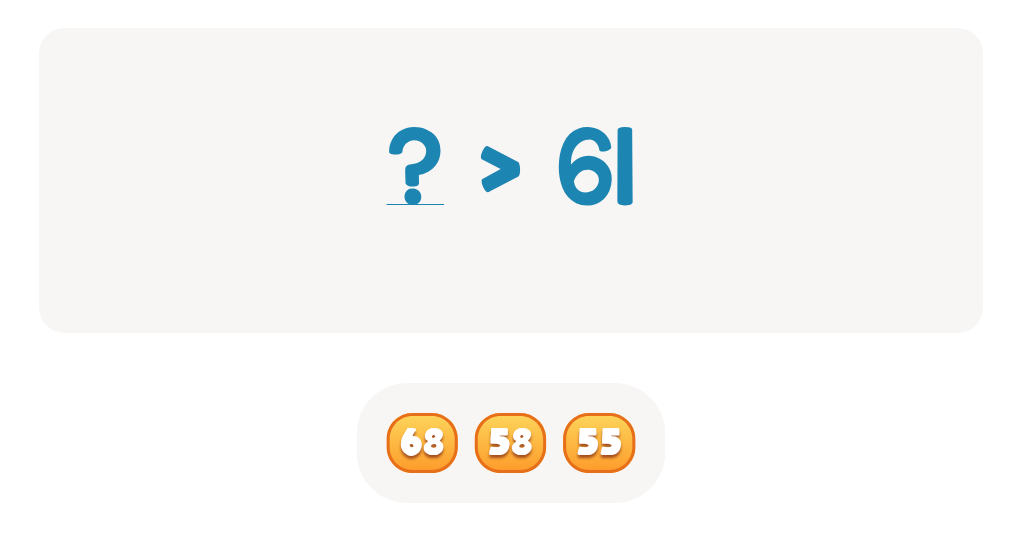
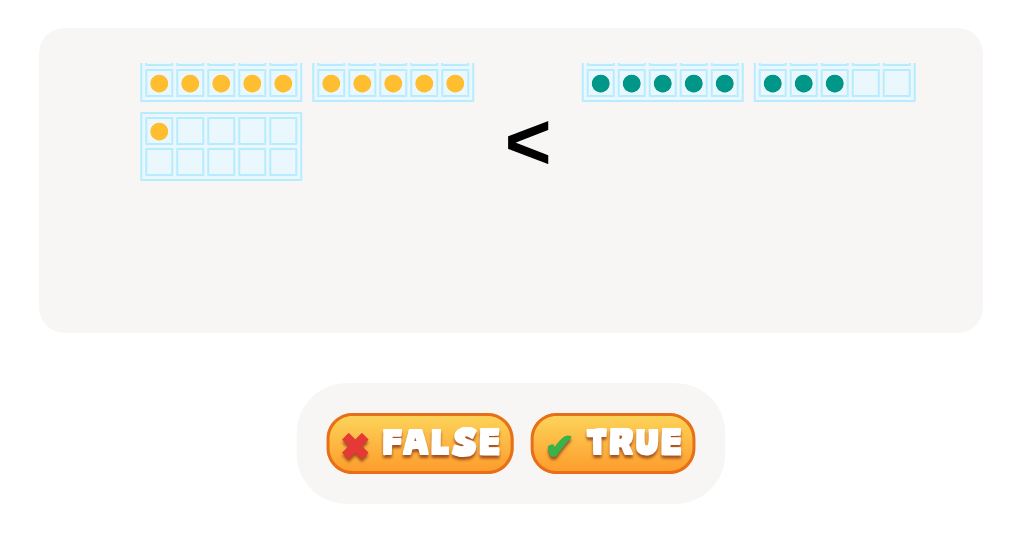
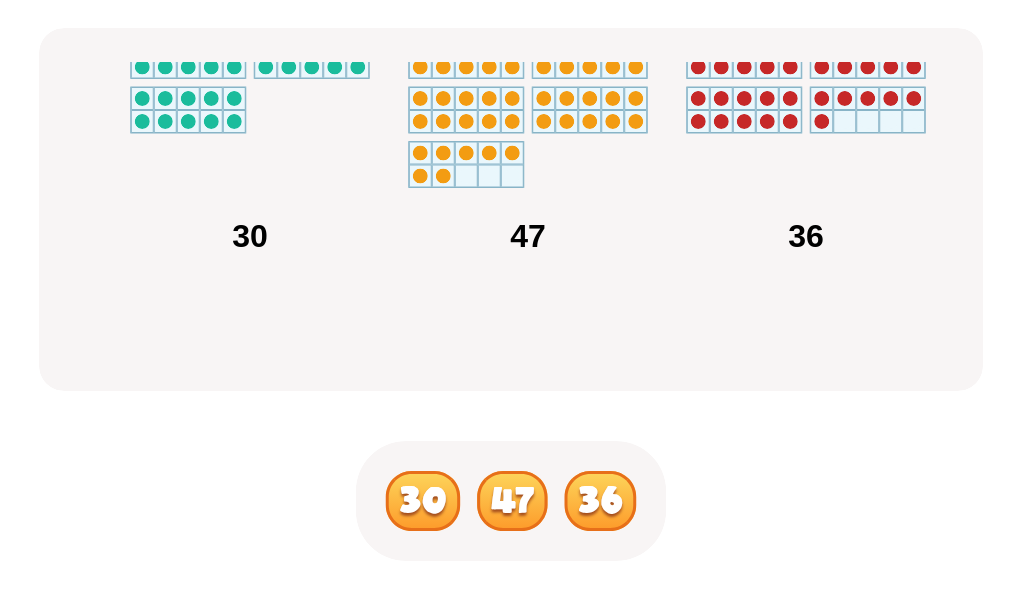
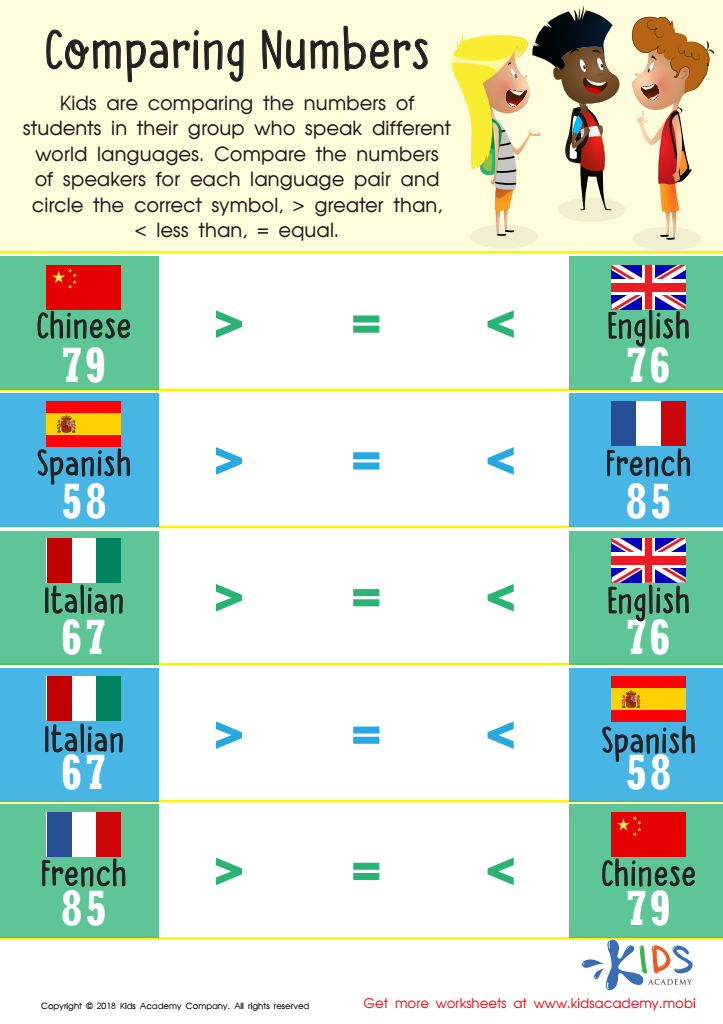
Comparing Numbers Worksheet for 1st Grade
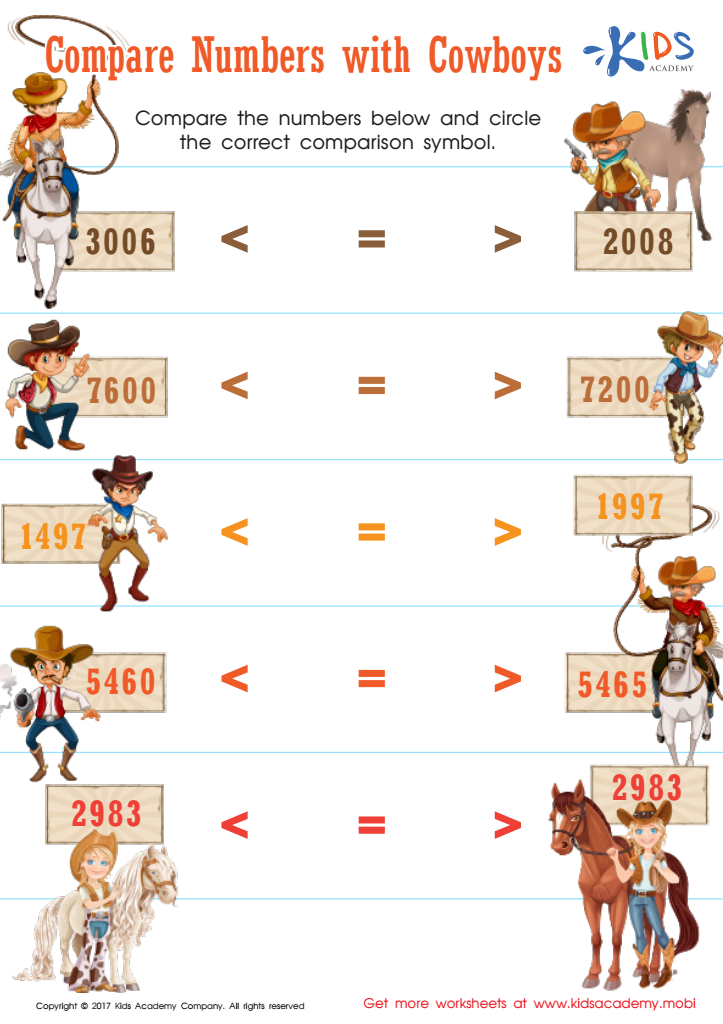
Compare Numbers Worksheet for 3rd Grade








Understanding greater than and less than concepts is crucial for children ages 7-9 as it lays the foundation for essential mathematical skills and critical thinking. At this developmental stage, students are transitioning from basic number recognition to more complex arithmetic, making it vital to grasp these comparison concepts.
Firstly, mastering greater/less than helps students develop number sense—a skill necessary for effectively analyzing numbers and understanding their relationships. This mathematical reasoning aids in various aspects of life, from budgeting and planning to making informed decisions.
Secondly, comparing numbers builds confidence. When children can accurately determine which number is greater or lesser, they can tackle more complex operations with ease, such as addition and subtraction of multi-digit numbers. This understanding fosters problem-solving skills that are useful across all subjects, not just math.
Furthermore, these concepts support the development of logical thinking. Identifying relationships between quantities encourages students to engage with patterns and sequences, paving the way for future success in more advanced concepts like fractions and algebra.
Ultimately, parents and teachers who emphasize greater and less than comparison can instill a love for mathematics in children, preparing them for future learning and real-world applications.








