Understanding subtraction Numbers Worksheets for Ages 7-9
3 filtered results
-
From - To
Unlock the world of numbers with our "Understanding Subtraction Numbers Worksheets for Ages 7-9." Designed to simplify subtraction concepts, these engaging worksheets make learning fun and effective. Perfect for young learners, they feature a variety of exercises that help children grasp the basics of subtracting numbers, sequential steps, and real-life applications. From simple problems to more challenging ones, every worksheet is crafted to build confidence and improve mathematical skills. Let's make subtraction a breeze and nurture a love for math in your child with our expertly designed resources, printable anytime for convenient home learning.
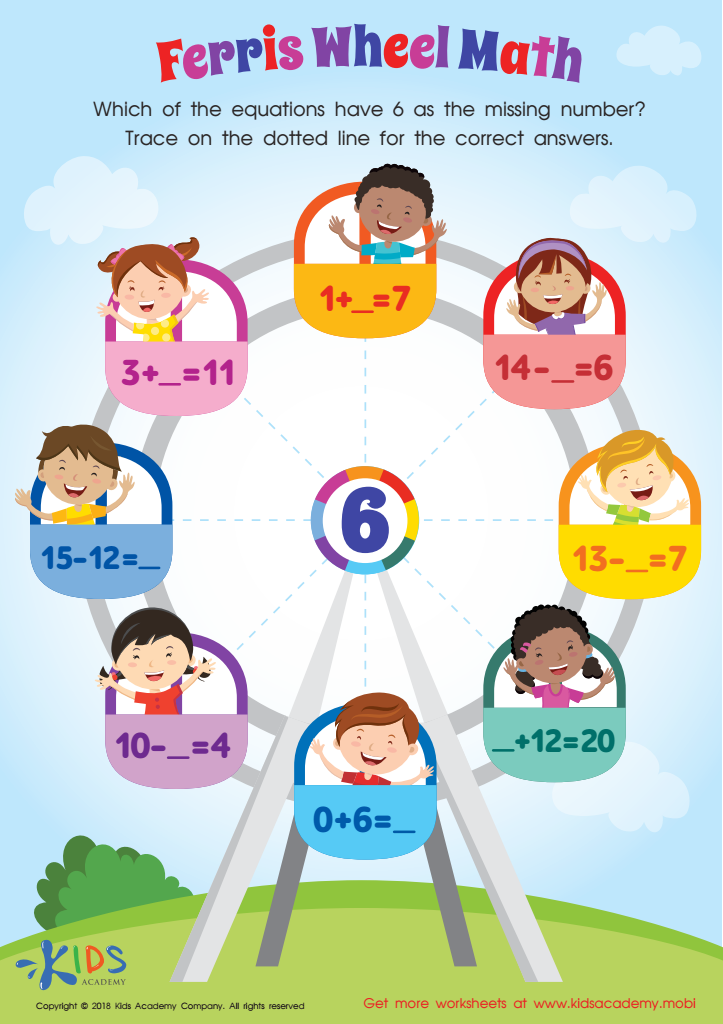
Missing Number: Ferris Wheel Math Worksheet
 Assign to My Students
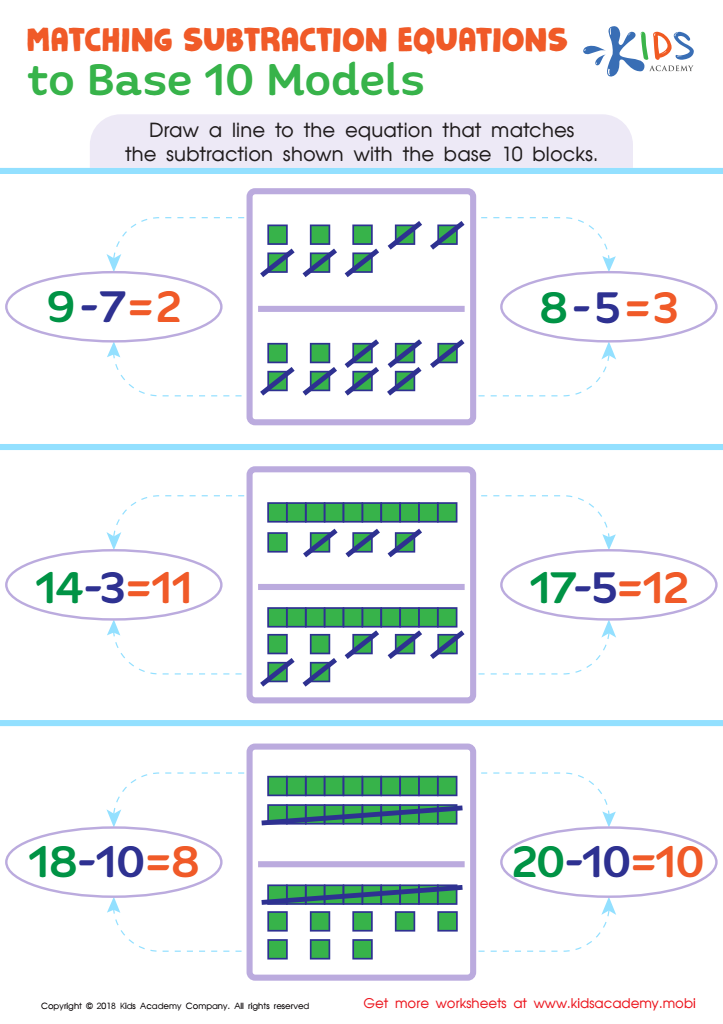
Matching Subtraction Equations To Base 10 Models Worksheet
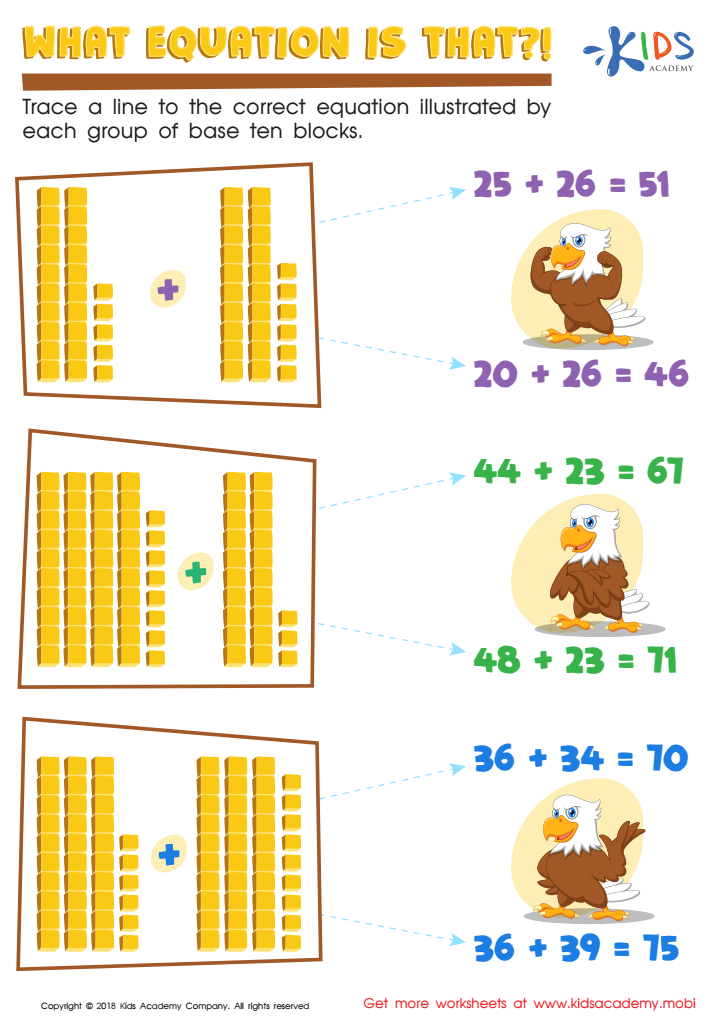
What Equation Is That? Worksheet







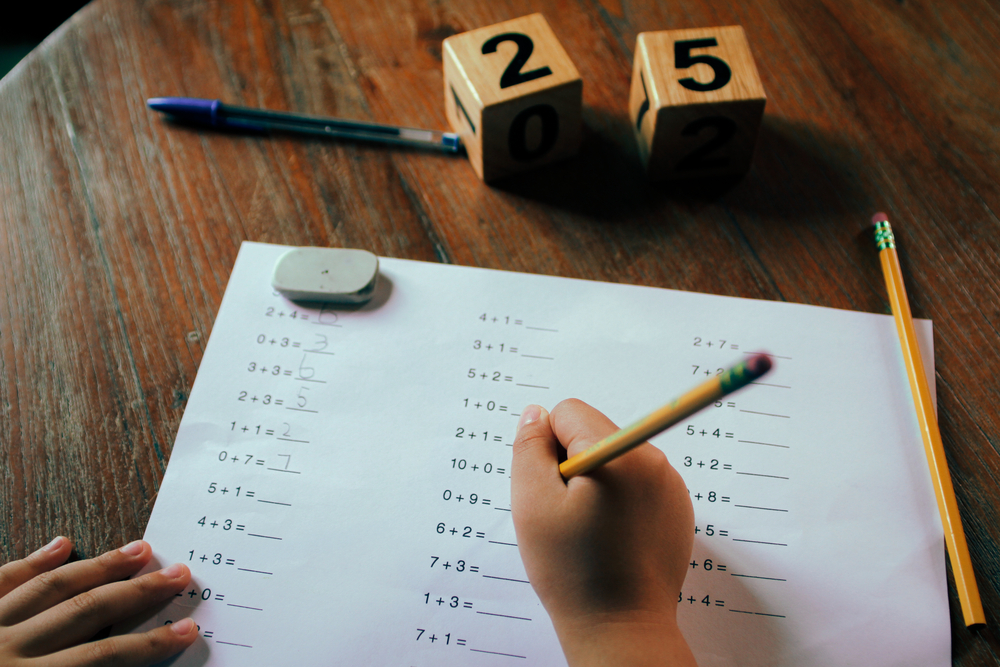
Understanding subtraction for children aged 7-9 is crucial for several reasons. Firstly, subtraction is one of the basic building blocks of mathematics, an integral part of daily life and many future academic pursuits. When parents and teachers invest time in ensuring children grasp this concept, they lay a strong foundation for more complex mathematical operations such as multiplication, division, and algebra.
Secondly, proficiency in subtraction enhances problem-solving and critical-thinking skills. At this age, children are naturally curious and learning to subtract helps them to understand not only how to take numbers away but also how to compare quantities and make decisions based on those comparisons.
Furthermore, mastering subtraction through practical examples, such as counting change or determining the remaining time for an activity, helps children relate more intimately with their environment. It nurtures confidence and independence, as they are able to handle mathematical challenges that arise in daily life.
Lastly, an early understanding of subtraction promotes a positive attitude towards mathematics. When children repeatedly succeed in grasping mathematical concepts, they are more likely to enjoy and excel in the subject, reducing anxiety and fostering a lifelong appreciation.
In summary, understanding subtraction fosters fundamental mathematical skills, enhances problem-solving abilities, supports practical learning, and promotes a positive math attitude, making it vital for children’s overall educational development.








