Alphabet Recognition Math Worksheets for Ages 7-9
5 filtered results
-
From - To
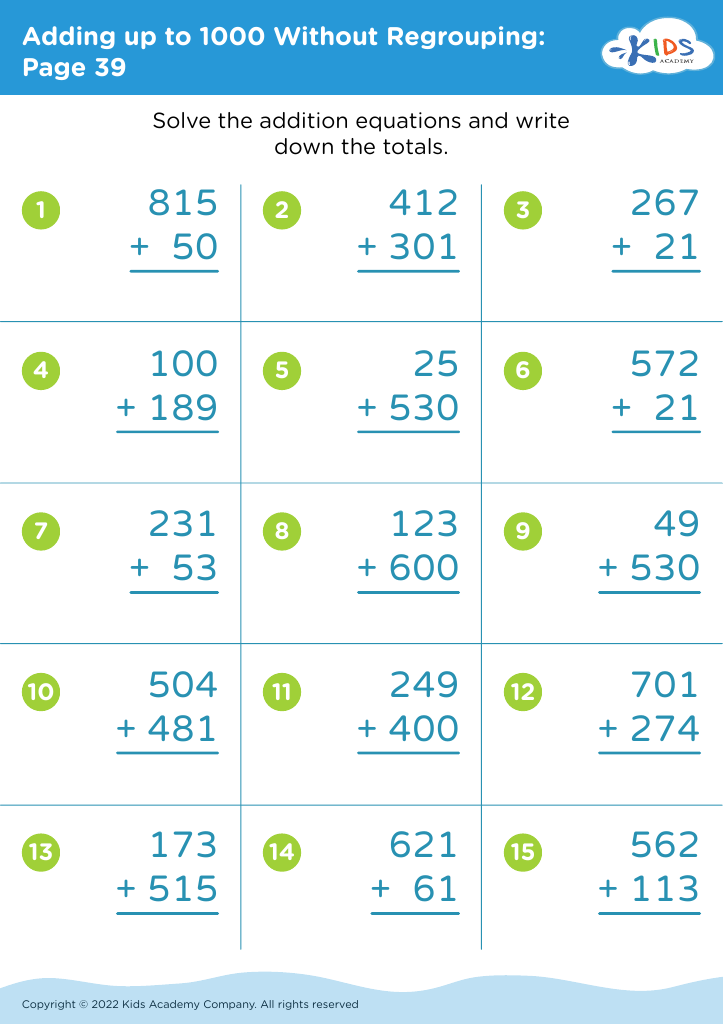
Discover our engaging Alphabet Recognition Math Worksheets designed specifically for ages 7-9! These worksheets blend alphabet familiarity with essential math skills, ensuring a holistic learning experience. Your child will enjoy fun activities that reinforce letter recognition while practicing counting, sorting, and basic arithmetic. Each worksheet promotes critical thinking and enhances cognitive skills through interactive tasks that keep learning exciting. Perfect for both home and classroom settings, our resources cater to various learning styles and needs. Empower your child with a strong foundation in literacy and numeracy—visit our site to explore the variety of worksheets available for download today!
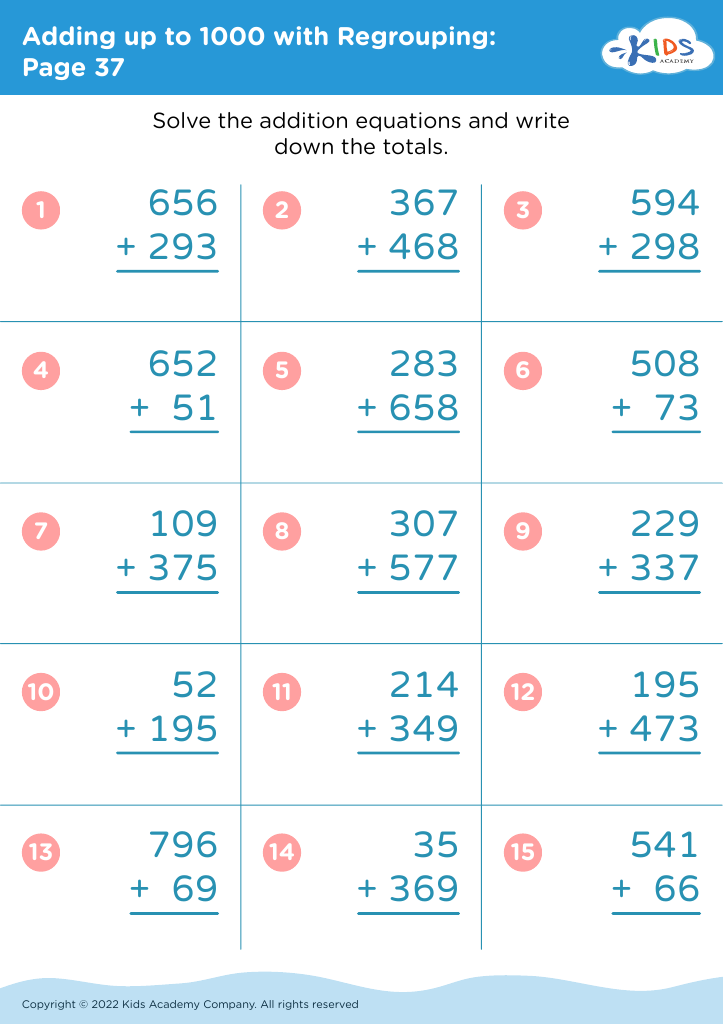
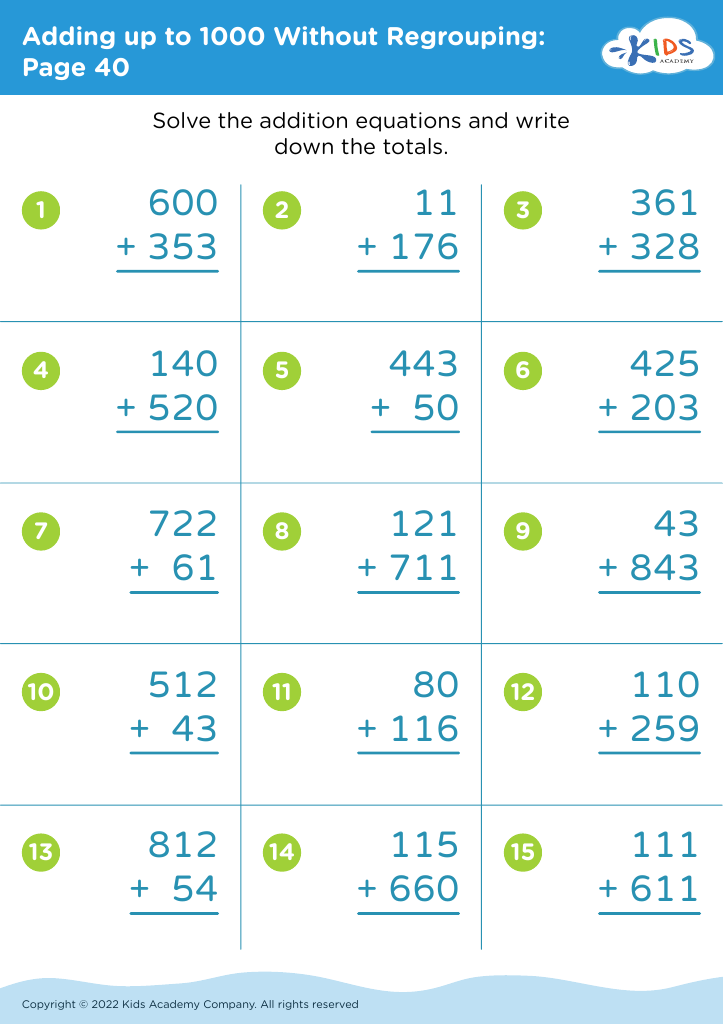
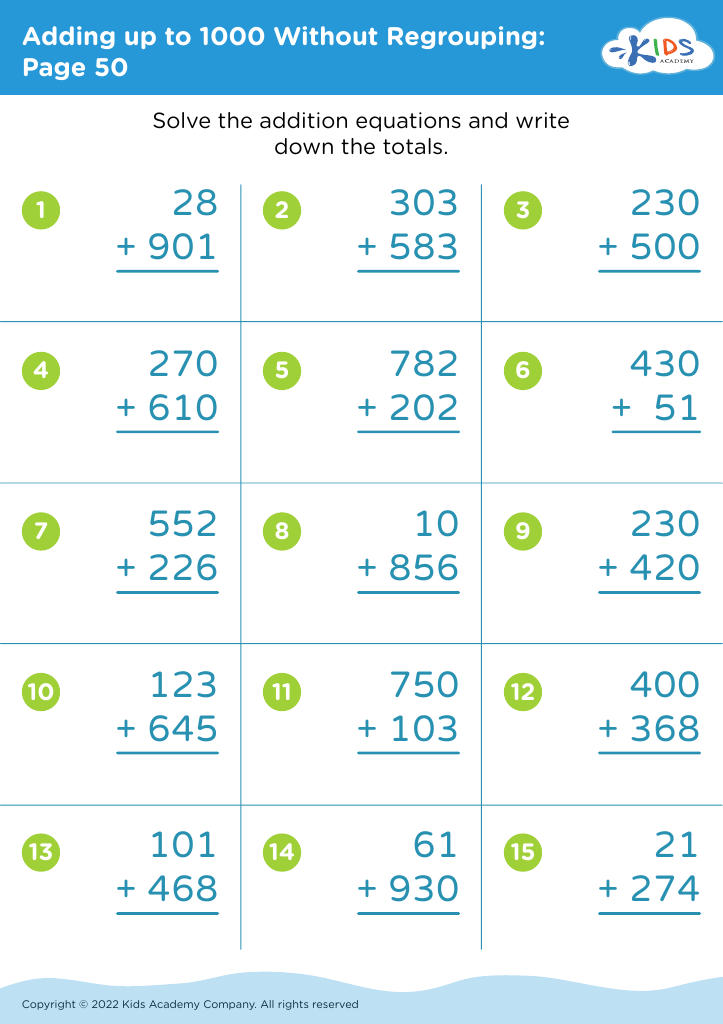
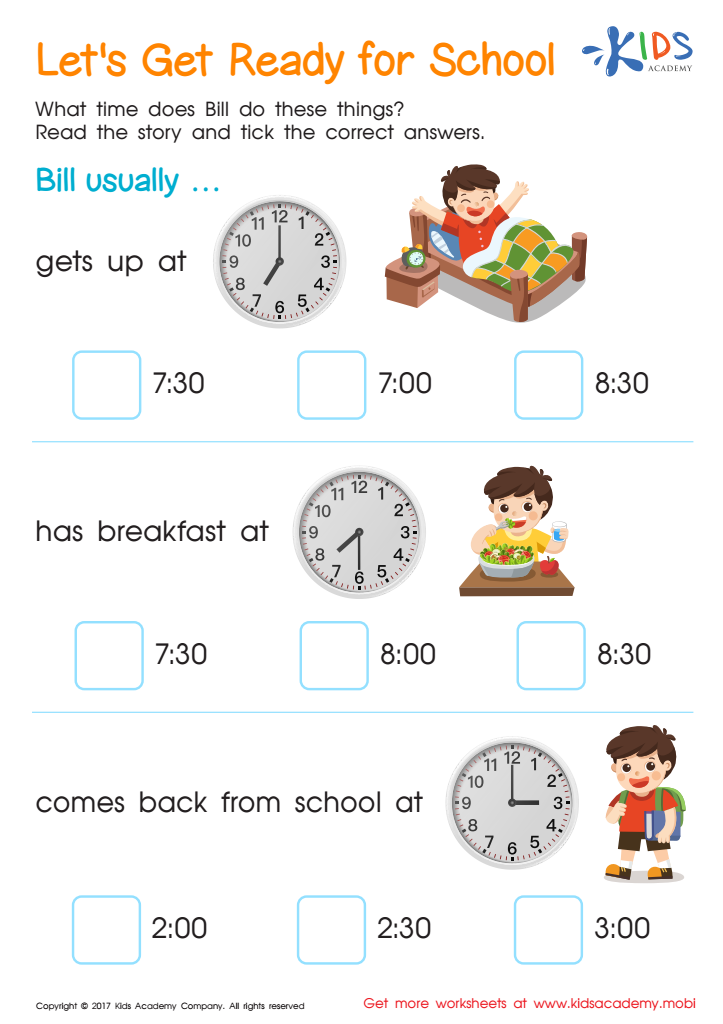
Lets Get Ready For School Time Printable
 Assign to My Students








Alphabet recognition plays a crucial role in the cognitive and academic development of children aged 7 to 9, and it is vital for both parents and teachers to actively support this skill. At this age, children are transitioning from learning to read to reading to learn, making alphabet recognition fundamental for their literacy foundation. When students are proficient in recognizing letters, they can decode words more easily, improving their reading fluency and comprehension.
Furthermore, understanding the alphabet is crucial for their performance in math, particularly in recognizing mathematical terms, symbols, and variables that often use letters. For instance, children encounter variables in equations such as 'x' and 'y'; recognizing these symbols can alleviate confusion and enhance their problem-solving abilities. Additionally, alphabet recognition promotes better writing skills, as children learn to articulate their thoughts clearly through written expression.
By fostering strong alphabet recognition skills, parents and teachers lay the groundwork for lifelong learning and academic success. Furthermore, encouraging these skills through fun and engaging activities can motivate children, making learning a positive experience. Supporting this aspect of literacy and numeracy helps create a well-rounded educational environment, empowering children to thrive in all areas of learning.








