Basic math operations Math Worksheets for Ages 7-9
6 filtered results
-
From - To
Discover our engaging Basic Math Operations Worksheets designed for students aged 7 to 9! These interactive resources focus on enhancing foundational skills in addition, subtraction, multiplication, and division. With a variety of activities that cater to different learning styles, children will enjoy practicing math while building their confidence. Our worksheets provide clear instructions and fun illustrations to make learning enjoyable and effective. Whether at home or in the classroom, these sheets are perfect for reinforcing concepts and improving problem-solving skills. Unlock your child's potential in mathematics today with our thoughtfully crafted worksheets that make basic math operations captivating and fun!
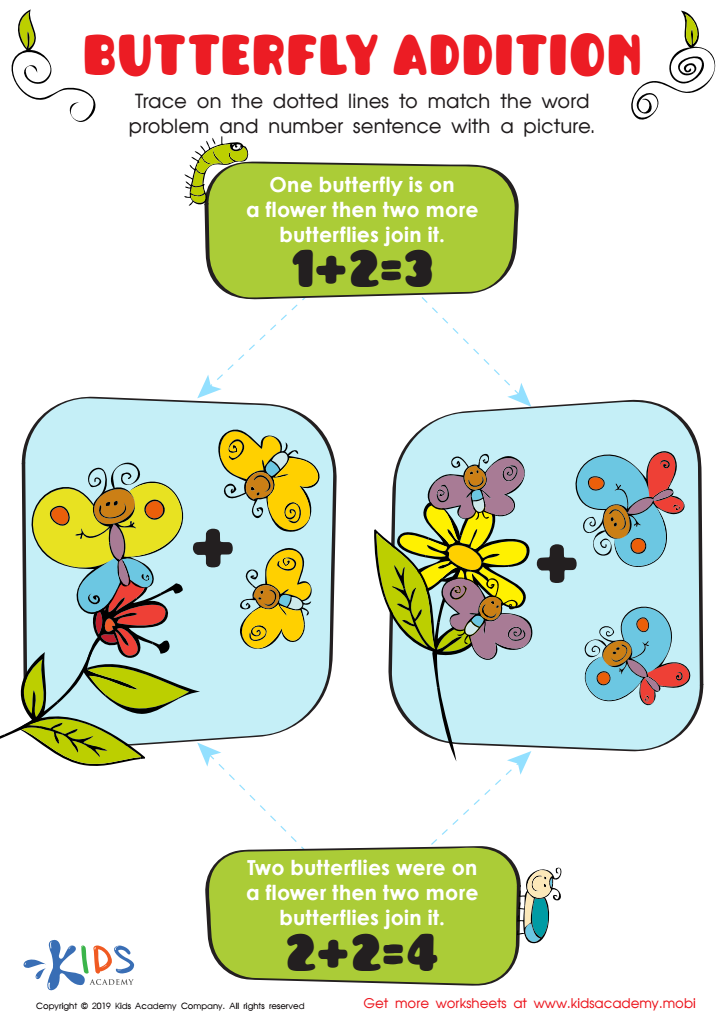
Butterfly Addition Worksheet
 Assign to My Students
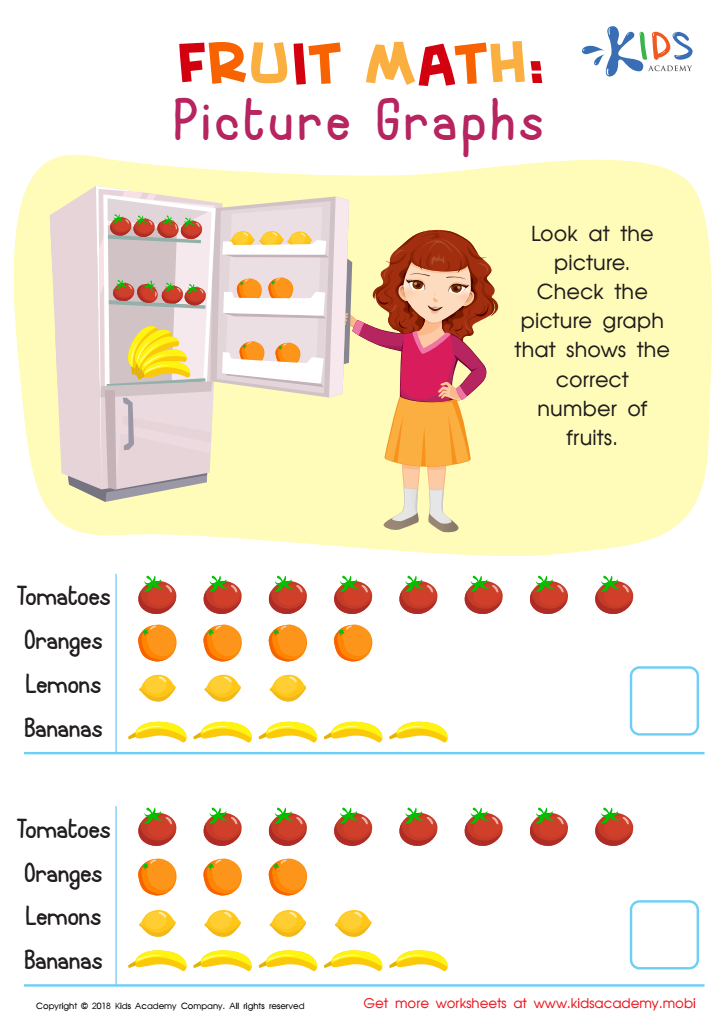
Fruit Math: Picture Graphs Worksheet
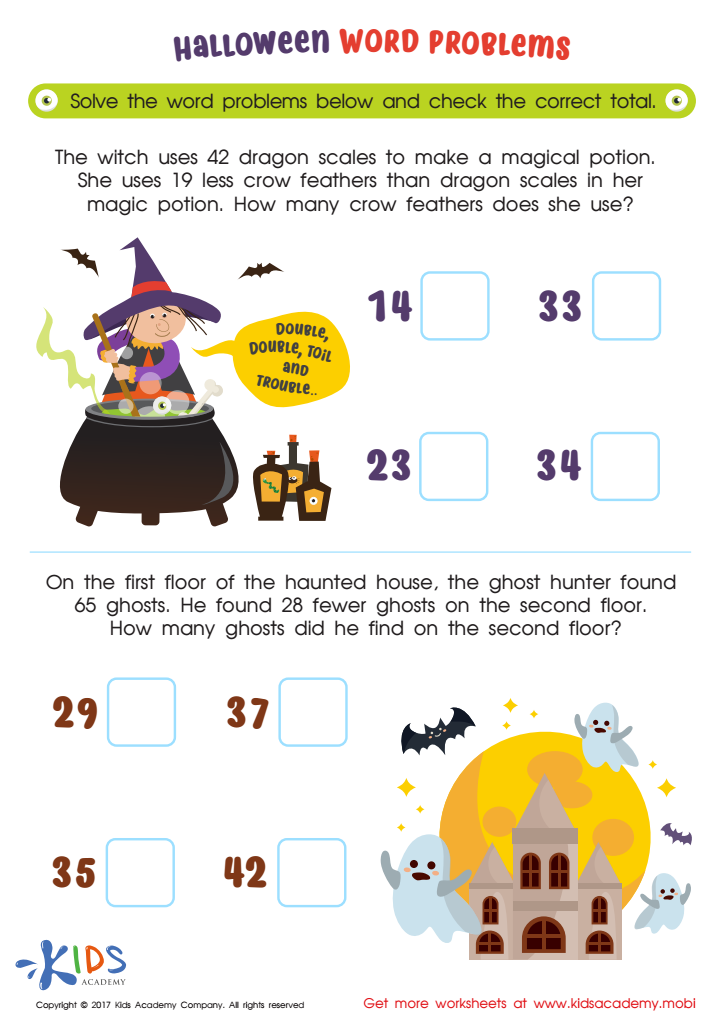
Halloween Word Problems Printable
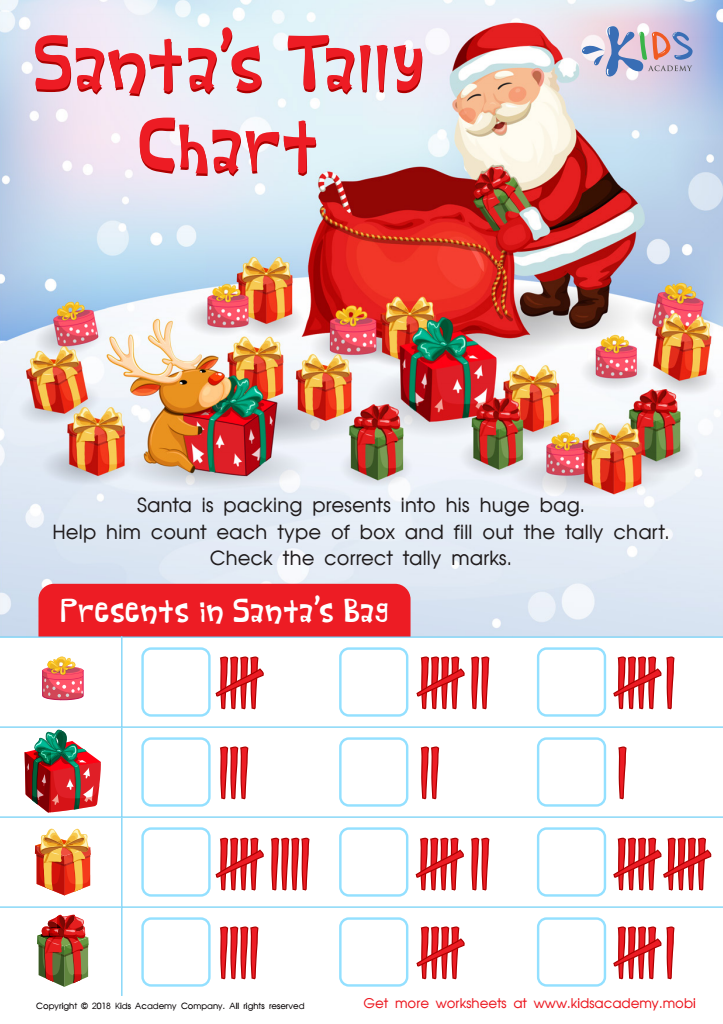
Santa Tally Chart Worksheet
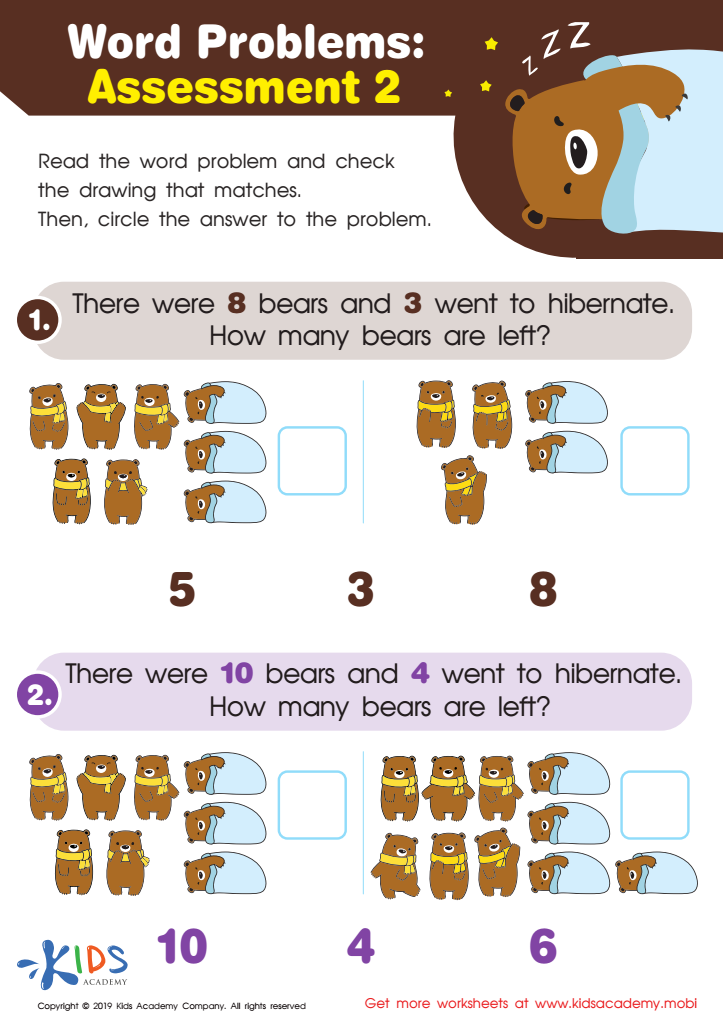
Word Problems: Assessment 2 Worksheet
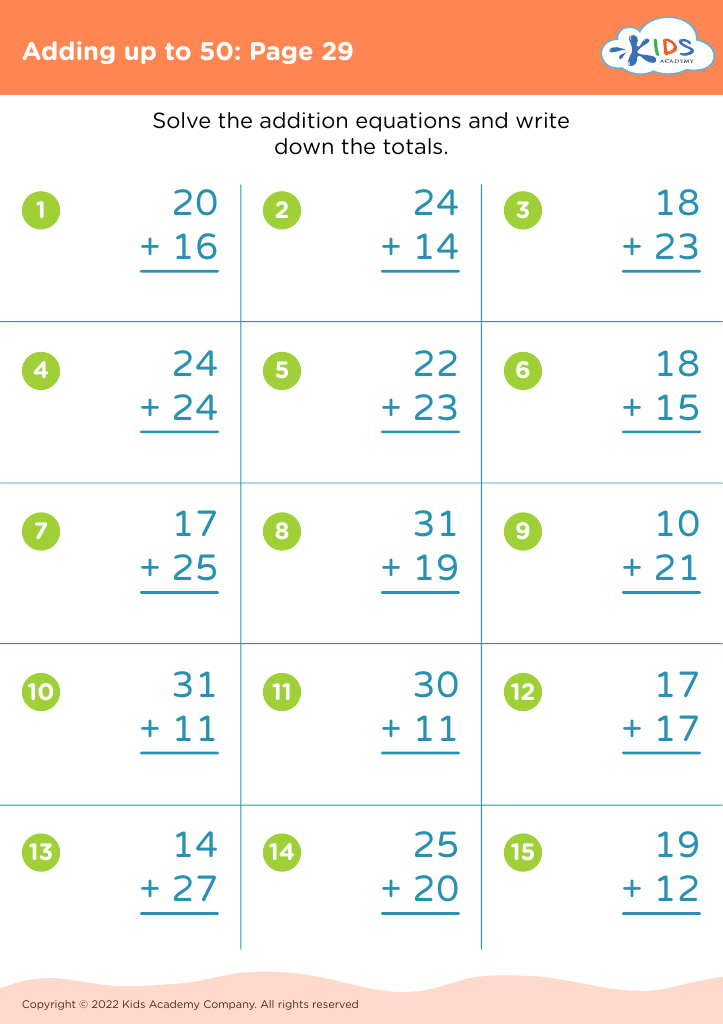


.jpg)

%20(1).jpg)



Basic math operations—addition, subtraction, multiplication, and division—are fundamental building blocks for a child's overall development in mathematics and critical thinking. For children aged 7-9, mastering these skills fosters confidence and lays the groundwork for more complex concepts they will encounter in higher grades.
At this age, children begin to apply math in real-life situations, such as budgeting, measuring, and problem-solving. A solid understanding allows them to develop spatial awareness and logical reasoning, critical for subjects beyond math, like science and engineering. Furthermore, proficiency in basic operations enhances their performance in standardized tests, which are increasingly indicative of academic progression.
Parents and teachers can play a crucial role in reinforcing these skills through games, practical exercises, and everyday scenarios. Encouraging mathematical thinking not only cultivates a positive attitude towards learning but also helps children appreciate the relevance of math in their lives.
In essence, prioritizing basic math operations is essential for fostering critical academic skills, preparing children for future educational challenges, and instilling lifelong learning habits. By nurturing these skills early, parents and teachers can empower children to become independent, thoughtful problem solvers.








