Boost critical thinking Math Worksheets for Ages 7-9
3 filtered results
-
From - To
Enhance your child's mathematical skills with our "Boost Critical Thinking Math Worksheets" designed specifically for ages 7 to 9. These engaging worksheets focus on developing critical thinking and problem-solving abilities through fun and interactive exercises. Children will explore concepts such as patterns, logic, and reasoning, all while sharpening their math skills in a playful environment. Our resources are crafted to stimulate curiosity and promote independent thinking, helping young learners tackle challenges with confidence. Perfect for home or classroom use, these worksheets provide a comprehensive approach to math learning, ensuring your child becomes an astute thinker. Explore them today and watch your child thrive!
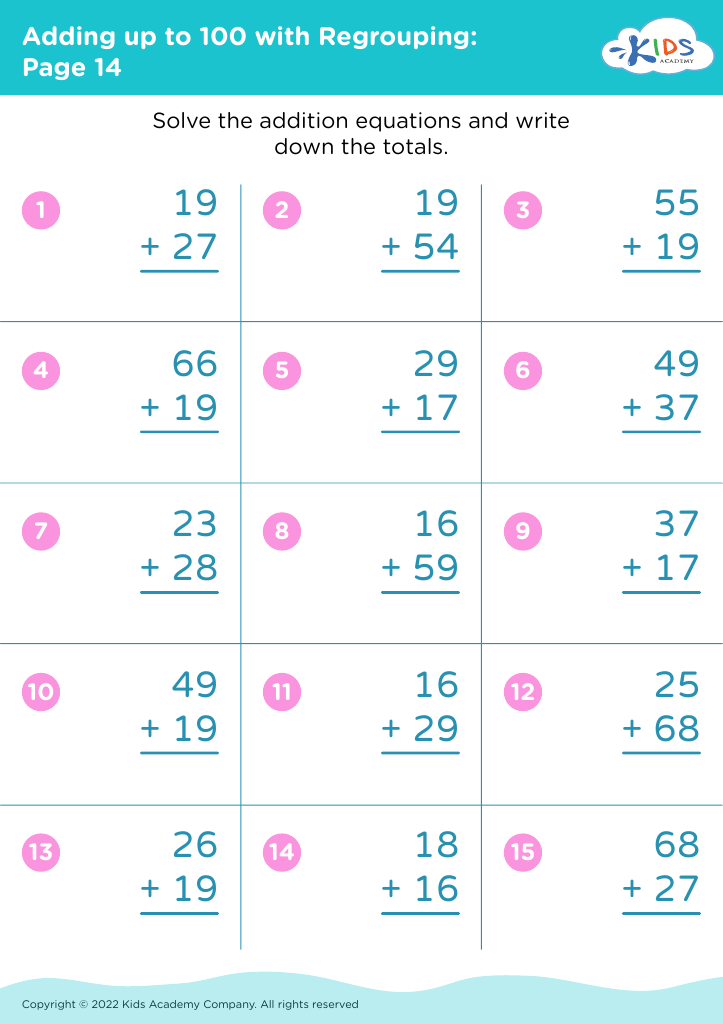
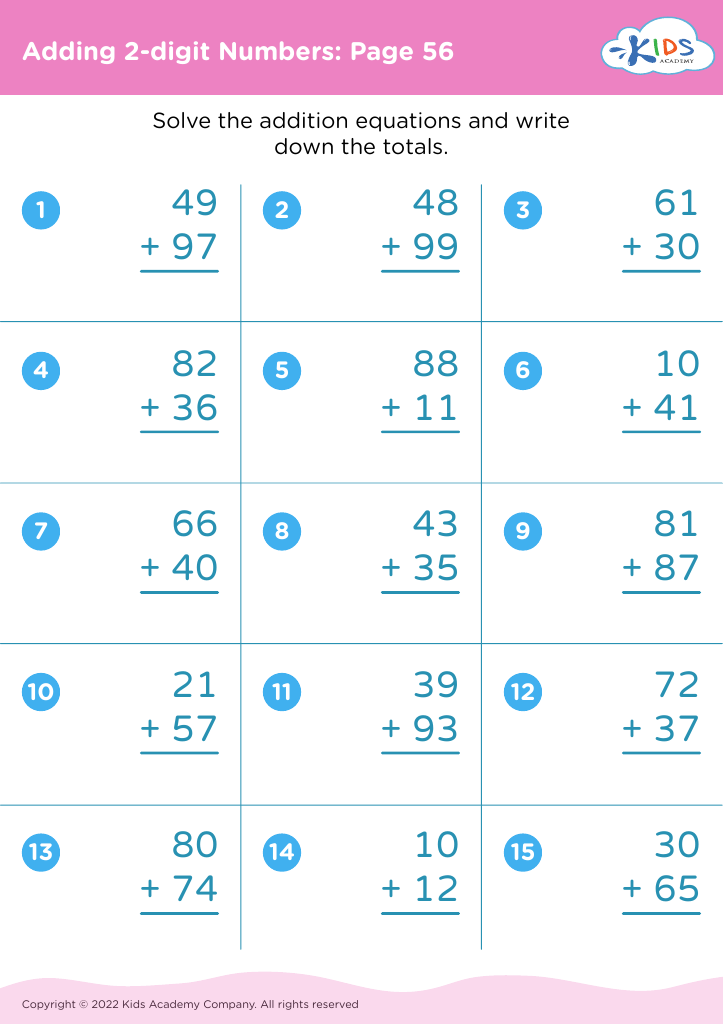
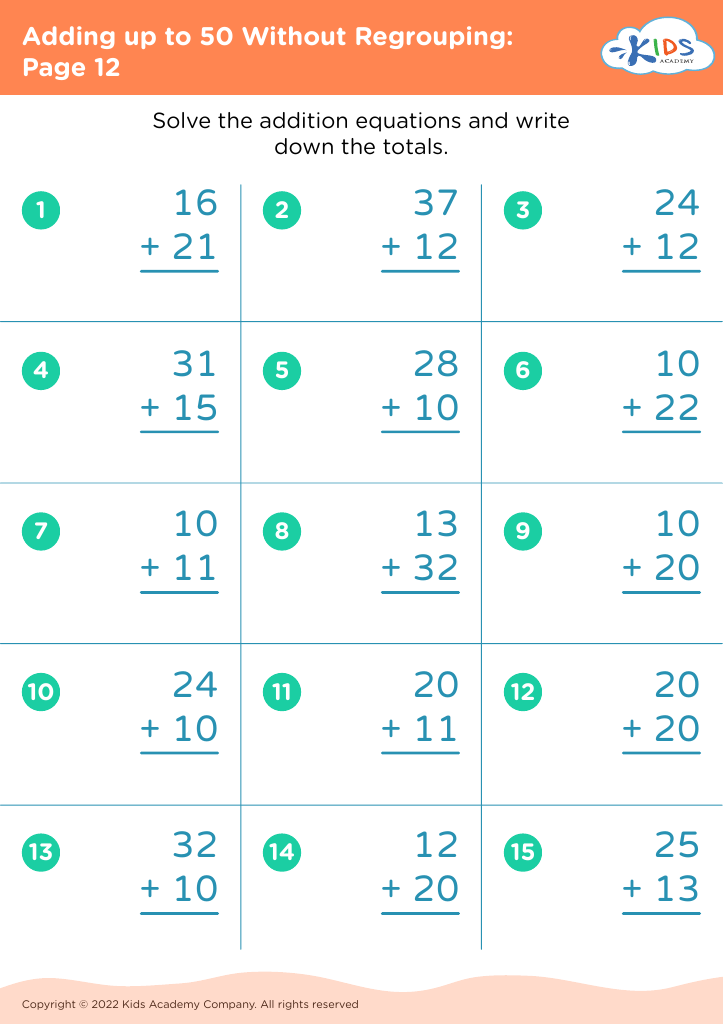








Boosting critical thinking in math for children aged 7-9 is essential as it lays the foundation for their overall cognitive development and problem-solving skills. At this age, children begin to move beyond simple calculations to engage in more complex reasoning. When parents and teachers prioritize critical thinking in mathematics, they encourage students to think deeply, analyze situations, and approach problems with a logical mindset.
Critical thinking fosters self-confidence in children, teaching them that they can tackle challenges independently. This mindset not only benefits their mathematical abilities but also spills over into other subjects and everyday life experiences. By enhancing their critical thinking skills, students learn to evaluate information, recognize patterns, and make informed decisions.
Furthermore, cultivating critical thinking in math helps children become more adept at real-world applications, such as budgeting, measuring, and analyzing data. In a rapidly changing world, the ability to think critically and adapt is paramount. Parents and teachers should view the development of these skills as a vital investment in a child's future, preparing them for higher education, careers, and informed citizenship. Ultimately, fostering critical thinking in math empowers children to thrive in an increasingly complex society.








