Counting objects Math Worksheets for Ages 7-9
10 filtered results
-
From - To
Discover our engaging Counting Objects Math Worksheets designed for children aged 7-9! These worksheets enhance foundational math skills by encouraging kids to identify, count, and compare various objects. Each activity fosters critical thinking through fun exercises that make learning enjoyable. Perfect for home or classroom use, our printables support diverse learning styles, helping students develop confidence in their counting abilities. With vibrant illustrations and interactive tasks, children will get hands-on experience with numbers while improving their observation skills. Explore our collection today and watch your young learners thrive in their math journey! Perfect for educators and parents alike.
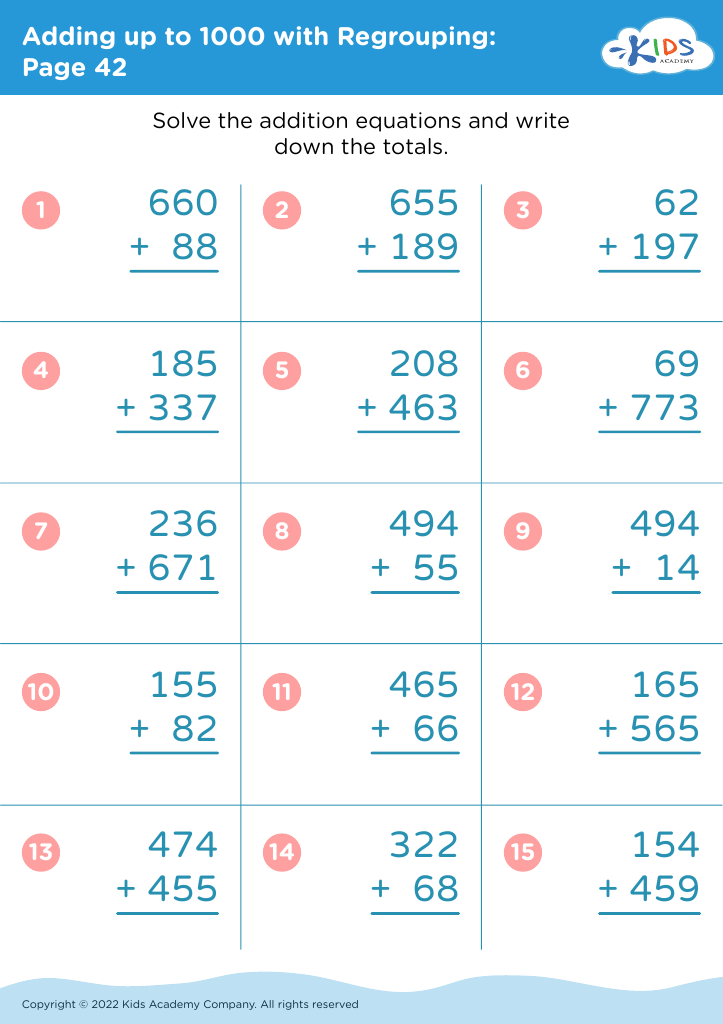
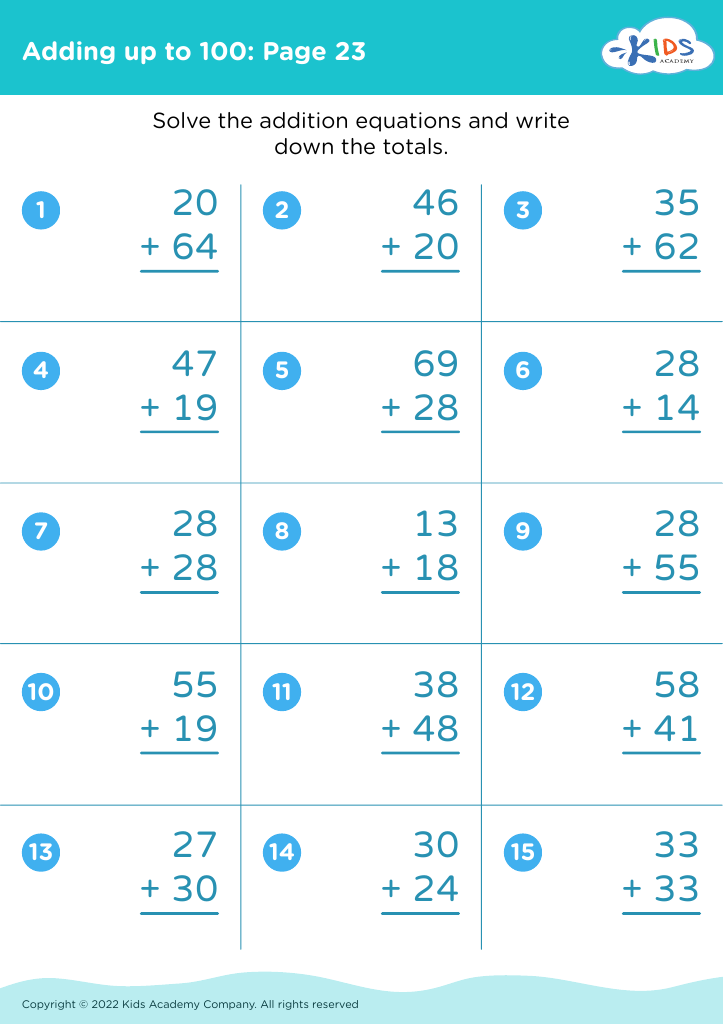
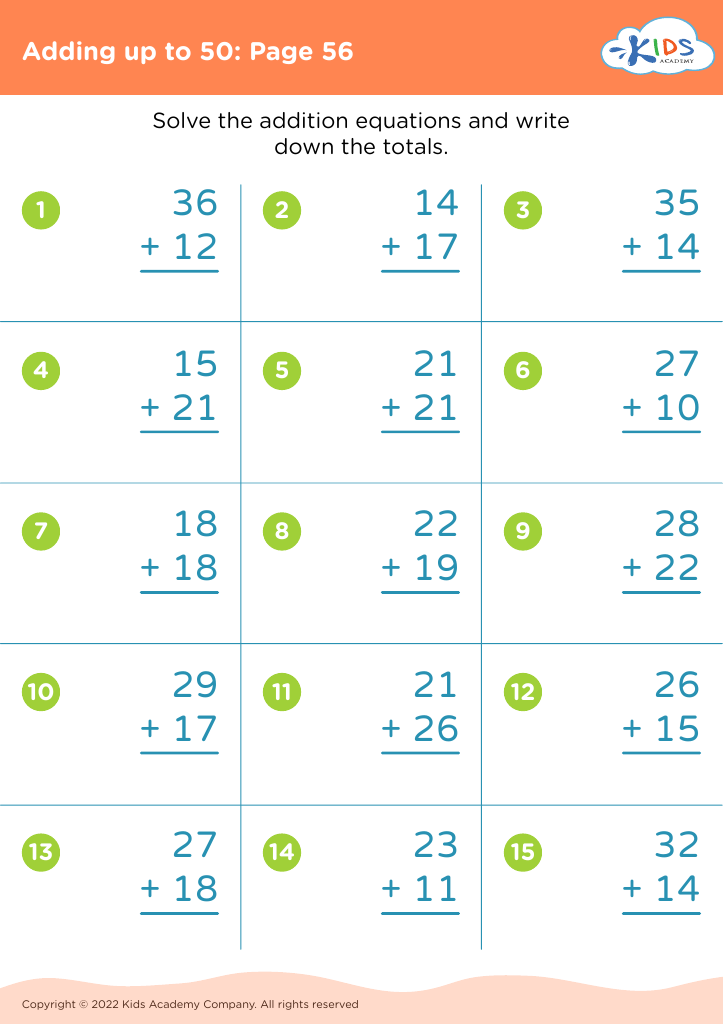
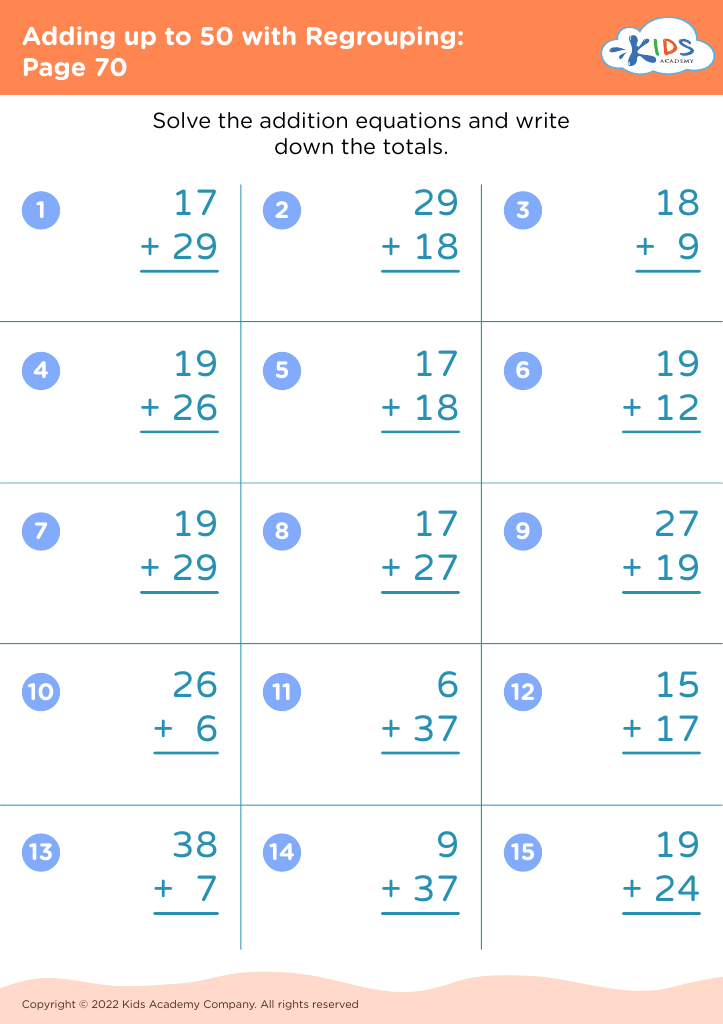
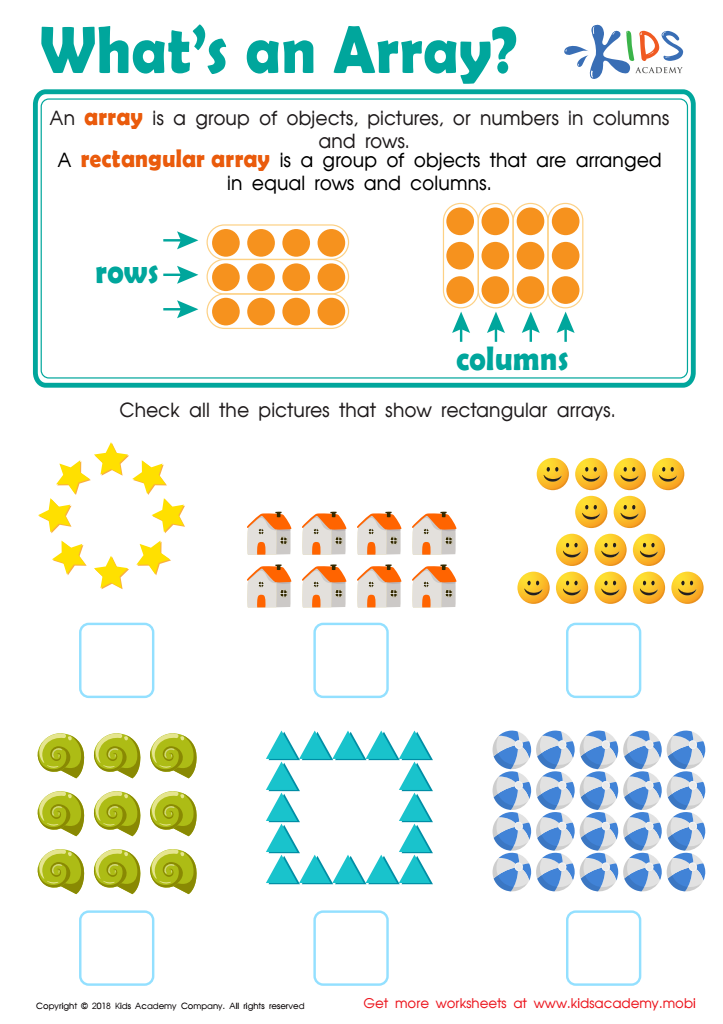
What's an Array? Worksheet
 Assign to My Students
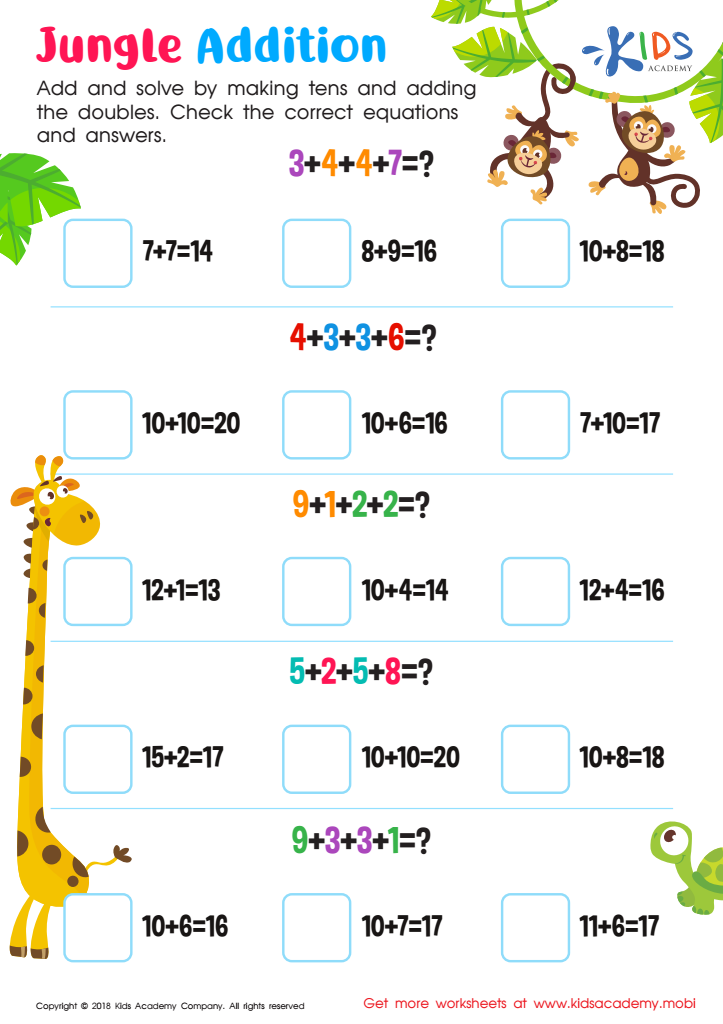
Jungle Addition Worksheet
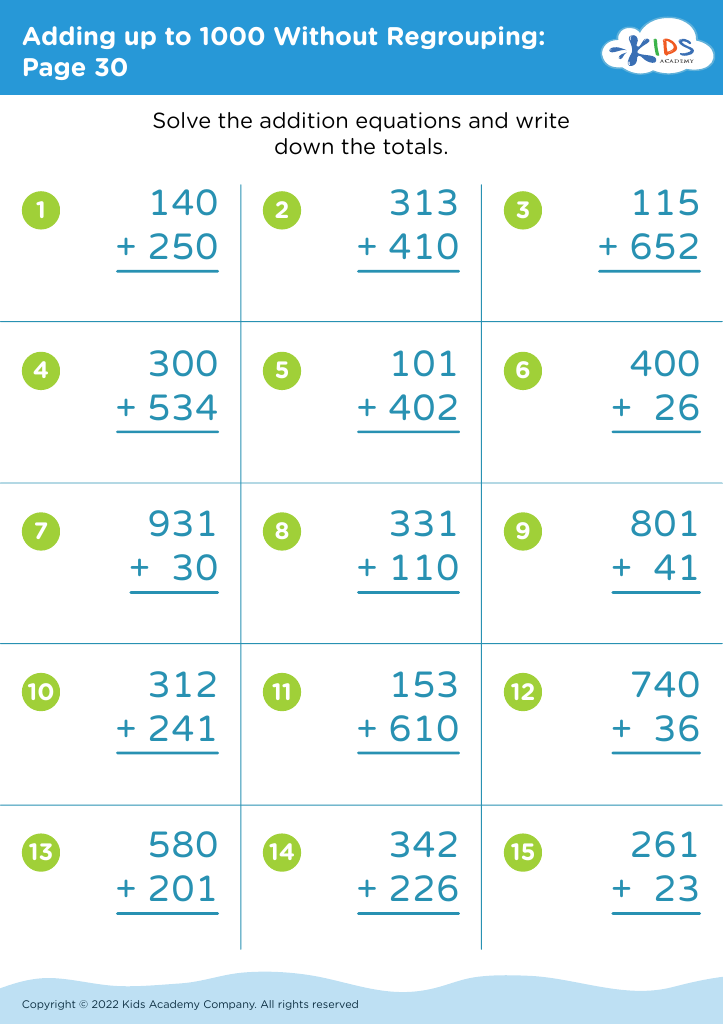
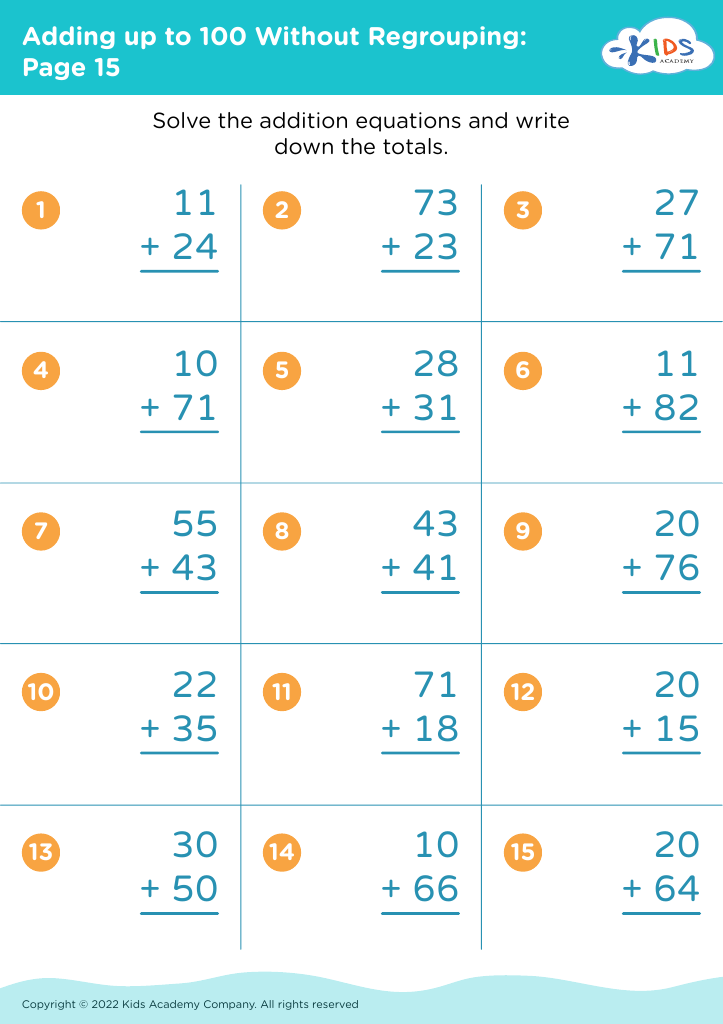





Counting objects is a fundamental math skill that forms the cornerstone of a child's mathematical understanding, and it is particularly important for children aged 7 to 9. At this age, children begin transitioning from concrete to abstract thinking, and counting helps bridge that gap. Mastering counting aids in developing number sense, which is crucial for solving more complex mathematical problems later on.
Parents and teachers should care about this skill because it influences other areas of learning, from basic arithmetic to problem-solving. Children who are proficient in counting can better grasp concepts such as addition, subtraction, multiplication, and even division. Additionally, counting activities can improve fine motor skills, boost confidence, and foster a positive attitude toward math.
Furthermore, counting objects can provide opportunities for meaningful, hands-on learning experiences. Engaging in practical activities, like counting toys or snacks, makes math relatable and enjoyable, encouraging children to explore and manipulate numbers in everyday contexts.
Ultimately, by emphasizing the importance of counting, parents and teachers will help children build a strong mathematical foundation that supports their continued growth and success in math and beyond.








