
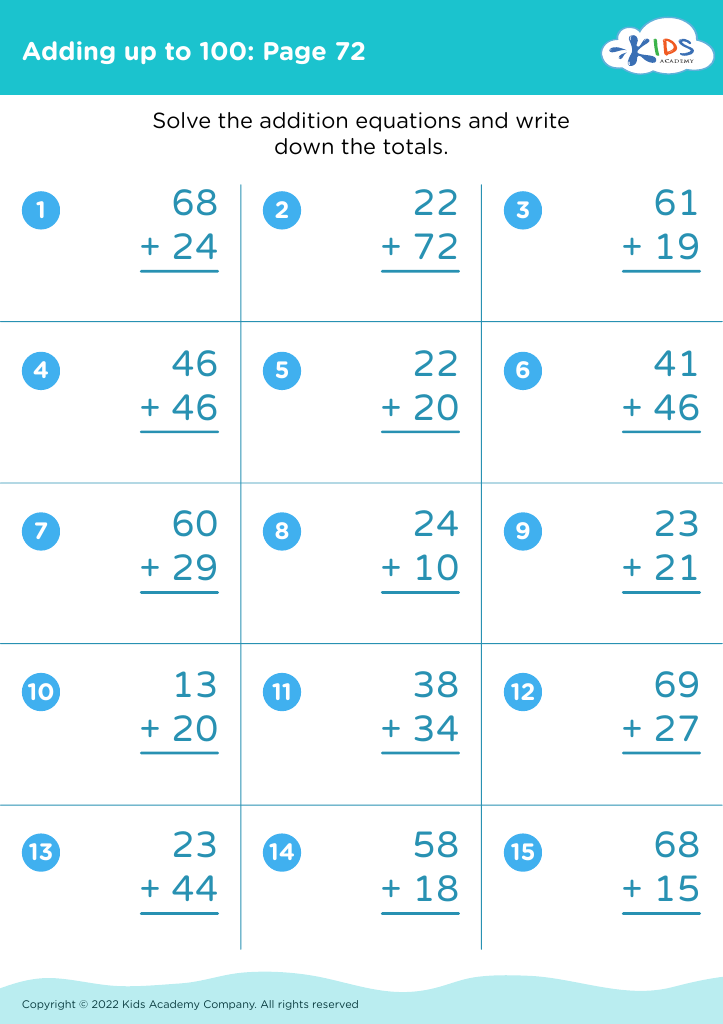
Develop number recognition Math Worksheets for Ages 7-9
5 filtered results
Difficulty Level
Grade
Age
-
From - To
Subject
Activity
Standards
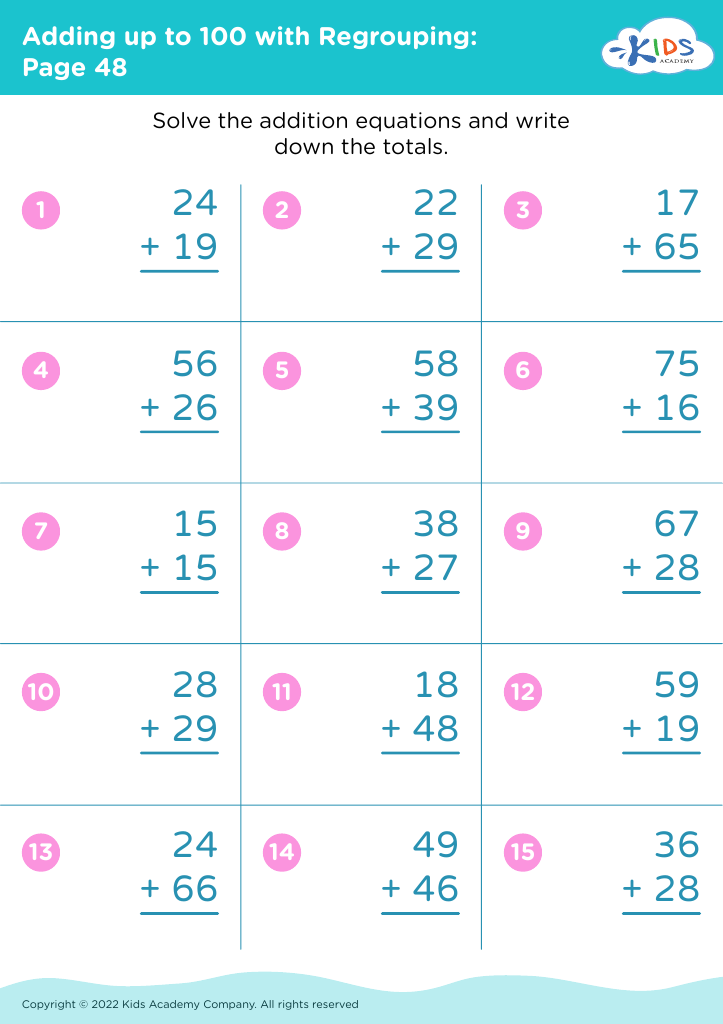
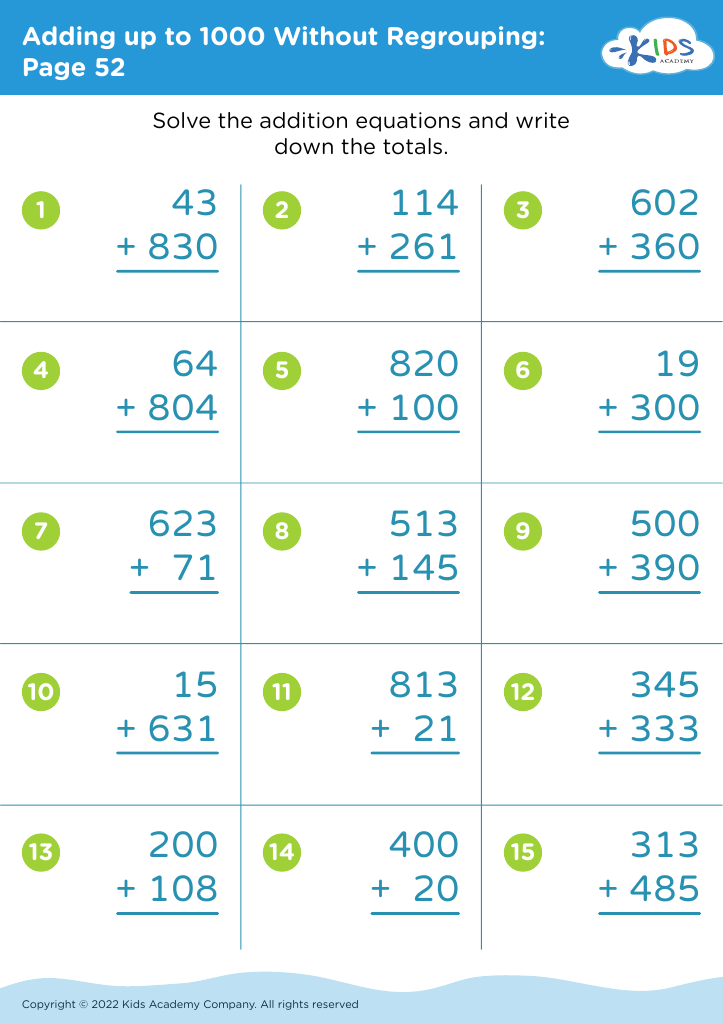
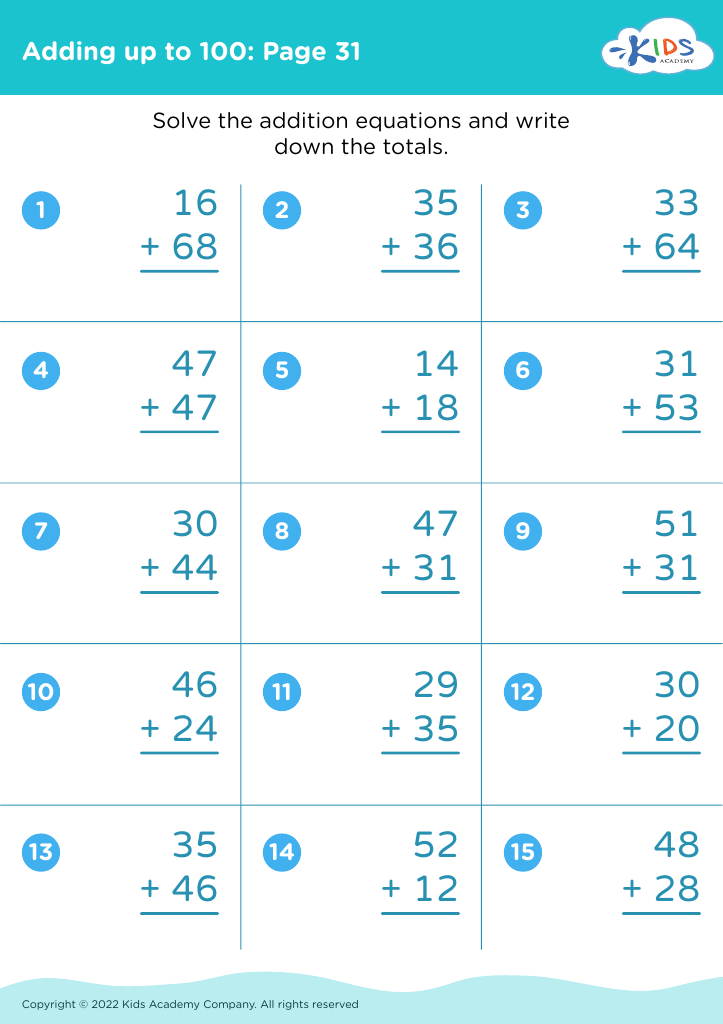
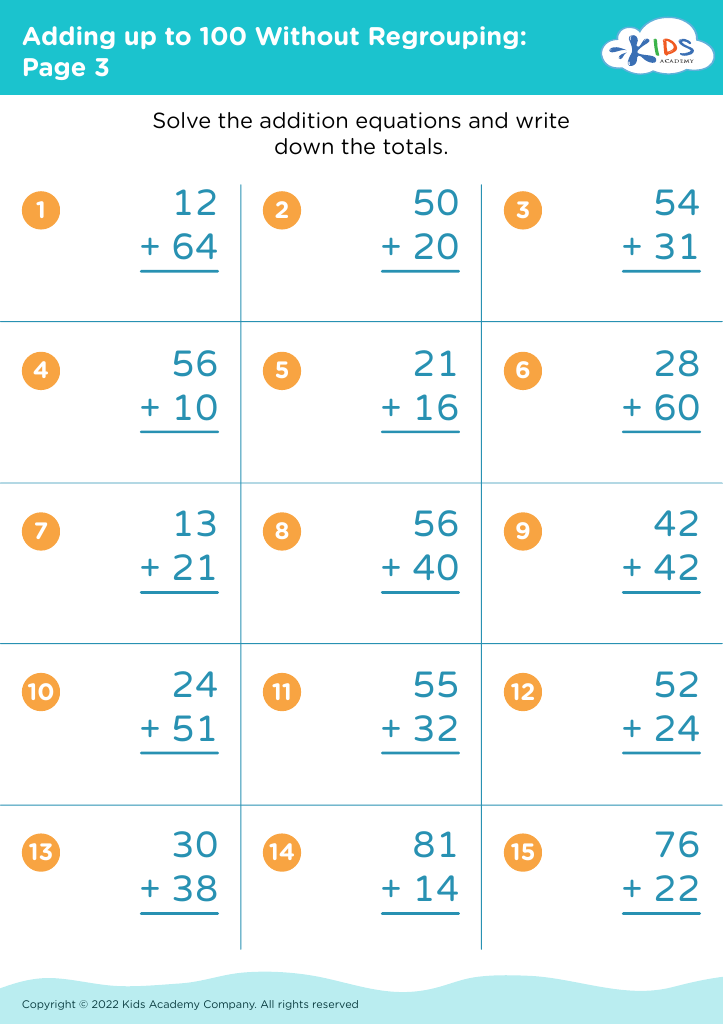
Enhance your child's number recognition skills with our engaging math worksheets designed specifically for ages 7-9! These printable resources help young learners identify and understand numbers through fun activities, including matching, counting, and interactive games. Our worksheets cater to varied learning styles, making math enjoyable while reinforcing essential skills. Perfect for home or classroom use, they provide opportunities for independent practice and guided learning. Foster your child's confidence in math and ensure they master number recognition with our colorful, thoughtfully crafted worksheets. Explore our collection today and turn learning into a fun adventure for your young mathematicians!
Favorites
With answer key
Interactive
Join Kids Academy for Free
Who is primarily going to use this learning content?






Developing number recognition skills in children aged 7-9 is crucial for several reasons. Firstly, this age is a pivotal period where foundational mathematical concepts become more complex. Children in this stage begin to encounter addition, subtraction, and are introduced to multiplication and division. A strong grasp of number recognition aids these concepts, allowing for smoother progression in mathematics.
Additionally, number recognition is linked to overall academic success. Children who excel in math often demonstrate better problem-solving skills and cognitive development, which are essential for future learning. Thus, parents and teachers should prioritize number recognition to equip children with essential skills for academic advancement.
Engagement in number recognition also builds confidence and reduces math anxiety. When children feel comfortable recognizing and manipulating numbers, they are more likely to participate actively in class, tackle challenges, and enjoy learning math.
Furthermore, the digital age often misses fundamental math skills, making hands-on experiences with numbers vital. Encouraging activities such as games, puzzles, and real-life math applications can reinforce these skills. Investing time in developing number recognition not only supports mathematical understanding but also fosters a love for learning, ensuring children are prepared for future challenges.








