Letter Tracing Practice Math Worksheets for Ages 7-9
3 filtered results
-
From - To
Discover our engaging Letter Tracing Practice Math Worksheets tailored for children ages 7-9. These worksheets provide a fun, interactive approach to learning, combining essential letter recognition with foundational math skills. Designed to boost your child's confidence, our resources help enhance fine motor skills while reinforcing the connection between letters and numbers. Each worksheet is thoughtfully crafted to cater to various learning styles, making math practice both enjoyable and effective. Perfect for home or classroom use, our worksheets promote independent learning and critical thinking. Empower your child with the skills they need for a bright academic future while enjoying the process!
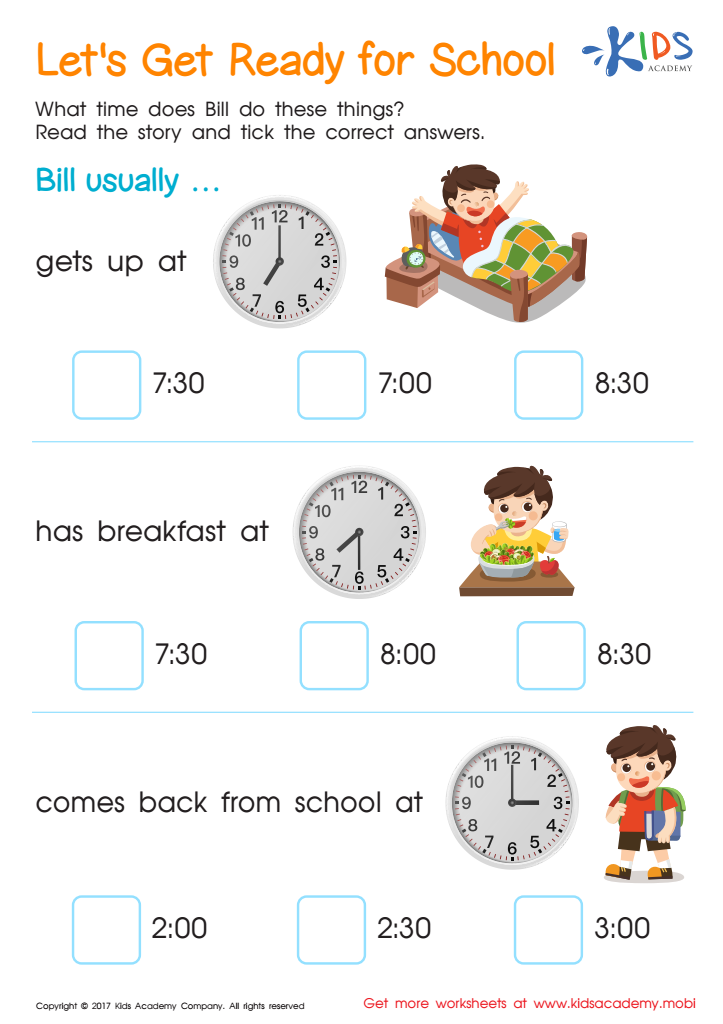
Lets Get Ready For School Time Printable
 Assign to My Students







Parents and teachers should prioritize letter tracing practice for children aged 7-9 due to its multifaceted benefits in fostering foundational skills critical for academic success. At this stage, children are refining their writing skills and developing their ability to express themselves clearly. Letter tracing helps enhance fine motor skills, improve hand-eye coordination, and supports the correct formation of letters—a vital aspect of legible handwriting.
Additionally, tracing can boost literacy by reinforcing letter recognition and phonetic awareness. As children trace each letter, they connect physical writing with its corresponding sounds, facilitating a deeper understanding of language structure and preparing them for reading and spelling “On top of that, engaging in letter tracing provides opportunities for cognitive development. As students practice, they develop focus, patience, and discipline, which are transferable skills benefitting all areas of learning.
Furthermore, repetitive practice caters to different learning styles, accommodating visual and tactile learners, while integrating fun elements like tracing in colorful formats or thematic worksheets. In summary, emphasizing letter tracing is essential for these young learners as it shapes essential skills and builds confidence in their written communication, laying a solid foundation for lifelong learning.








