Logical Reasoning Math Worksheets for Ages 7-9
20 filtered results
-
From - To
Discover our engaging Logical Reasoning Math Worksheets designed specifically for children aged 7-9! Our worksheets help young learners develop essential critical thinking skills through fun and interactive activities. Each worksheet encourages students to analyze patterns, solve puzzles, and approach problems logically. Crafted to align with educational standards, these resources promote cognitive growth while making learning enjoyable. Parents and educators can easily download and print these worksheets for home or classroom use. Explore a variety of exercises that cater to different learning styles, ensuring each child builds confidence in their reasoning abilities. Start fostering a love for logic and math today!
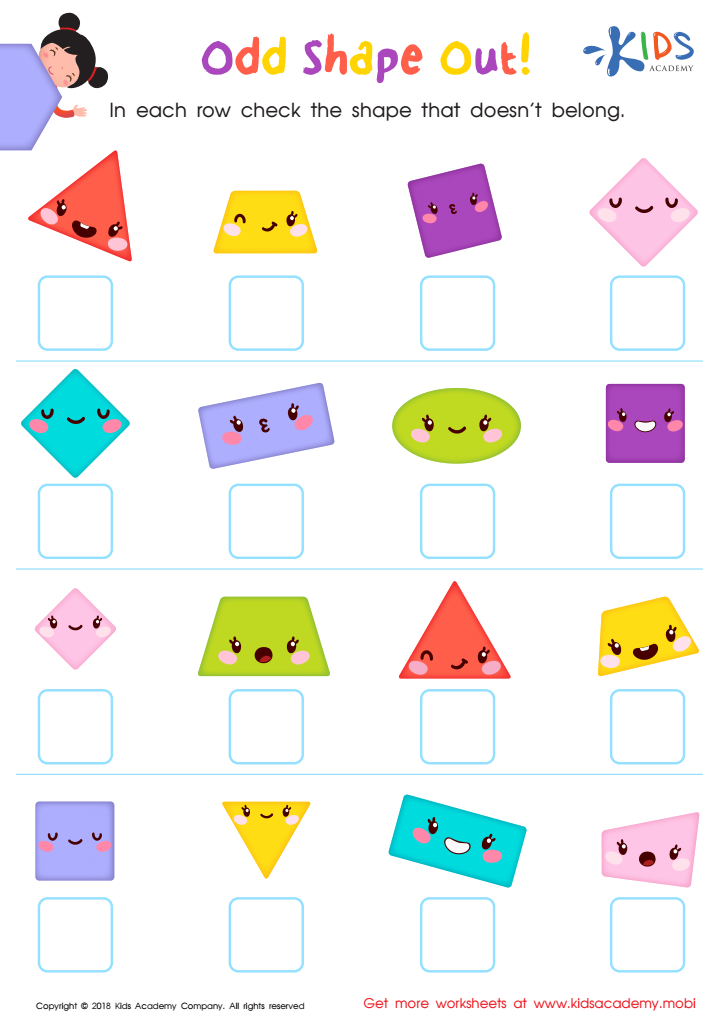
Odd Shape Out Worksheet for Grade 3
 Assign to My Students
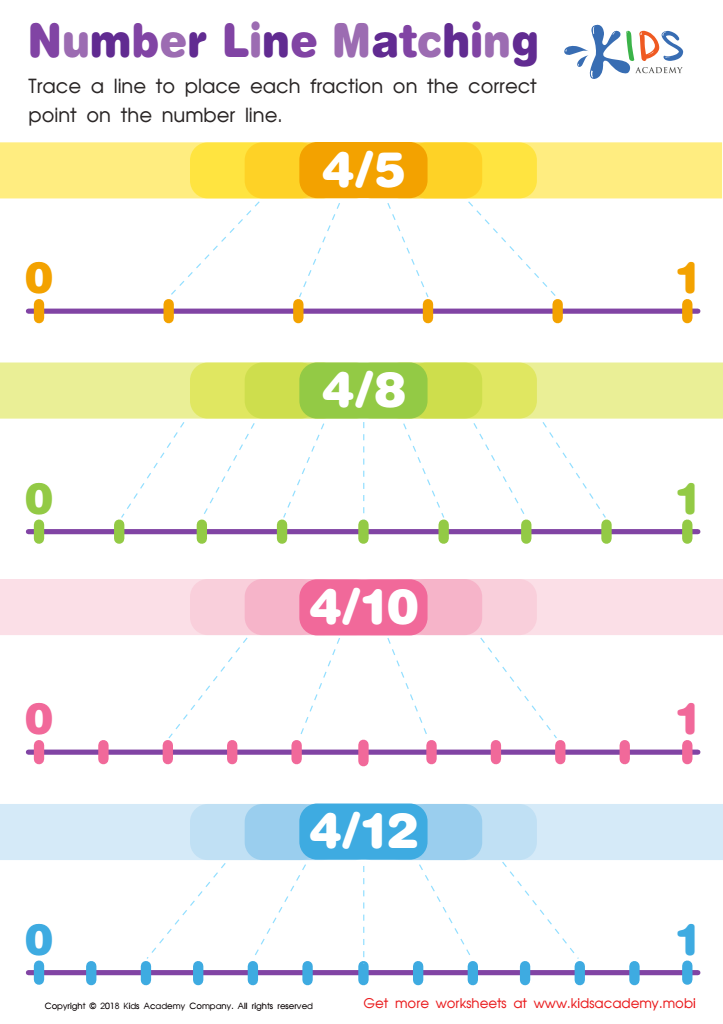
Number Line Matching Worksheet
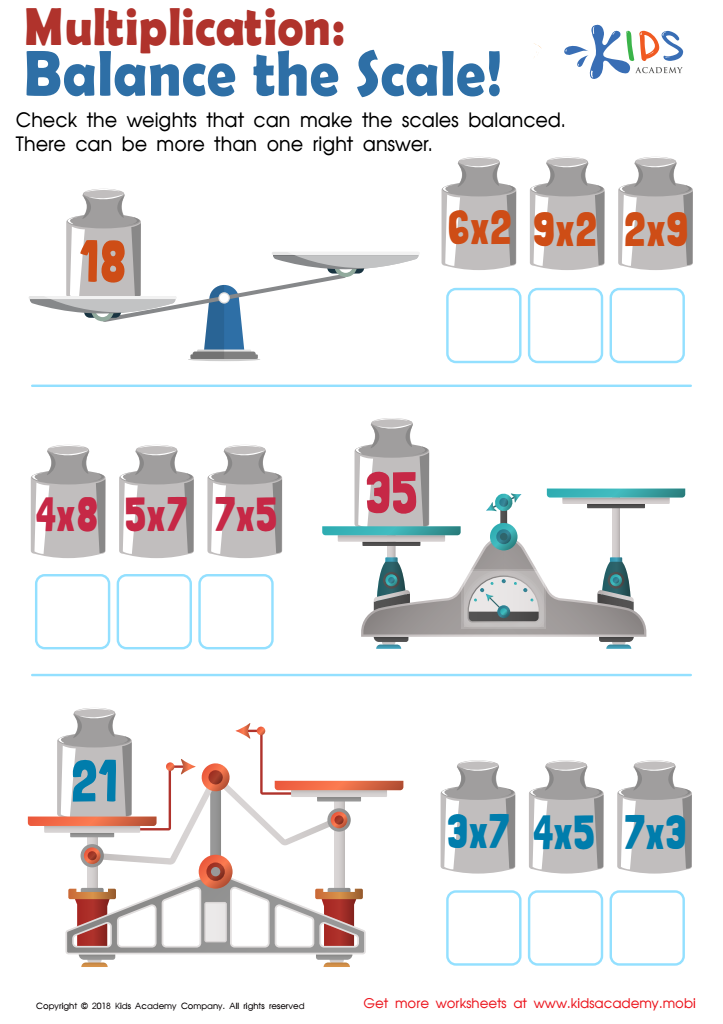
Balance the Scales Multiplication Worksheet
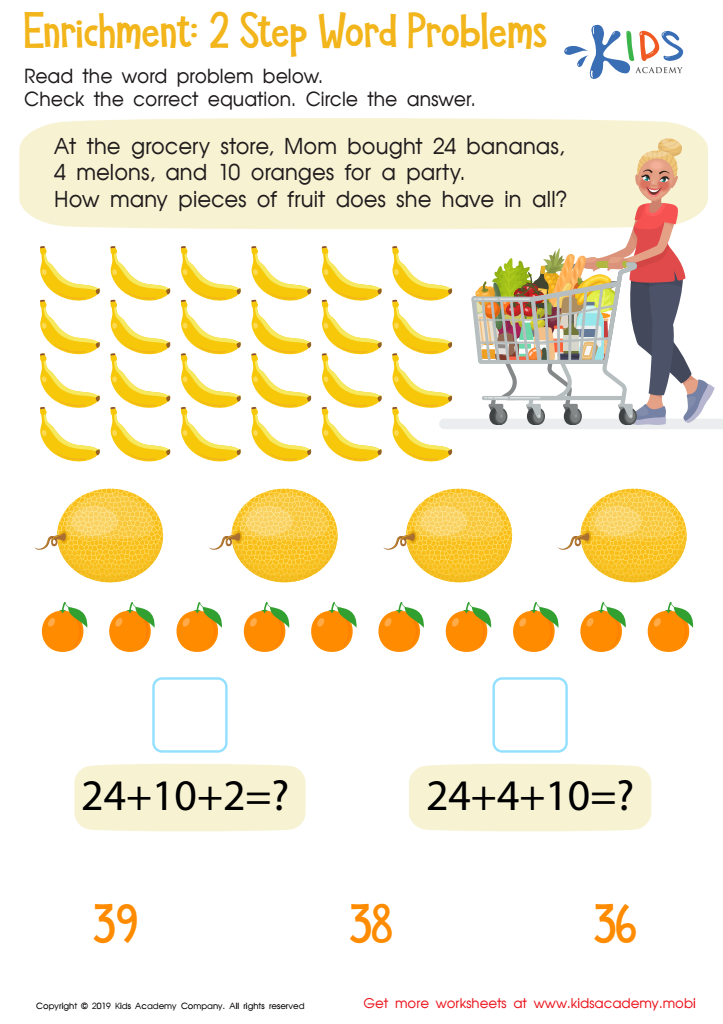
Enrichment -2 Step Word Problems Worksheet
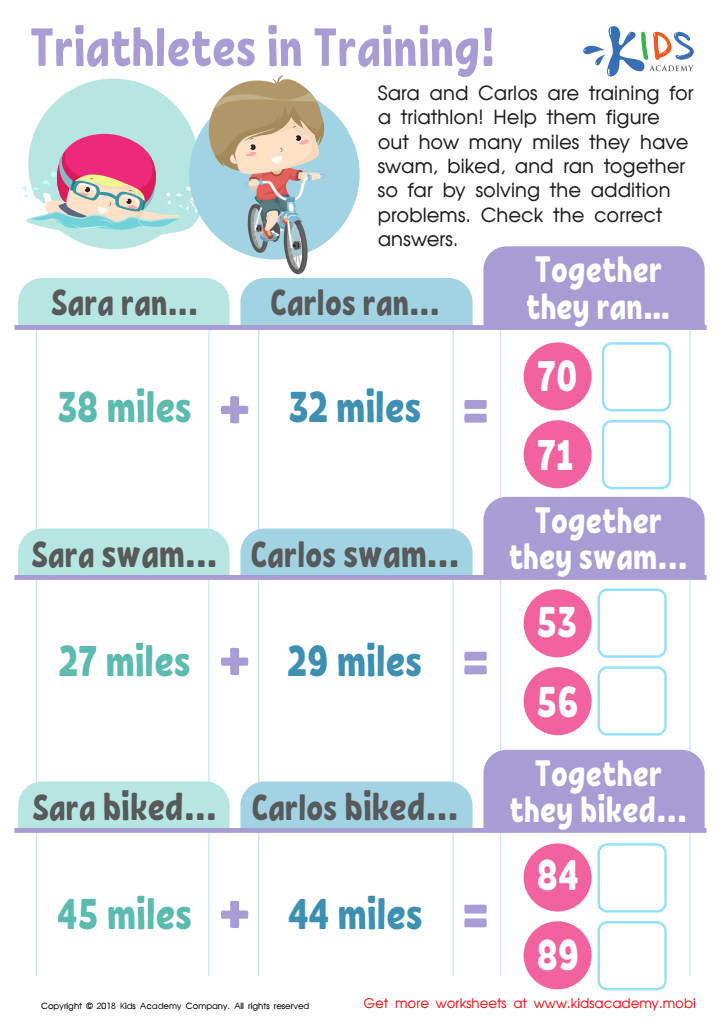
Triathletes in Training Worksheet
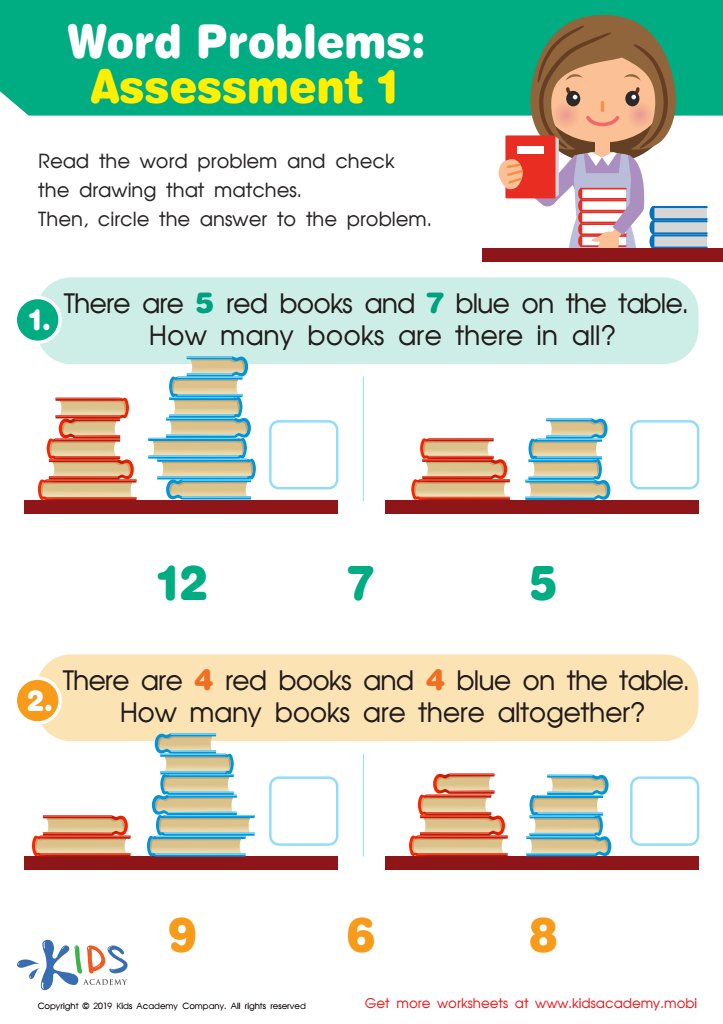
Word Problems: Assessment 1 Worksheet
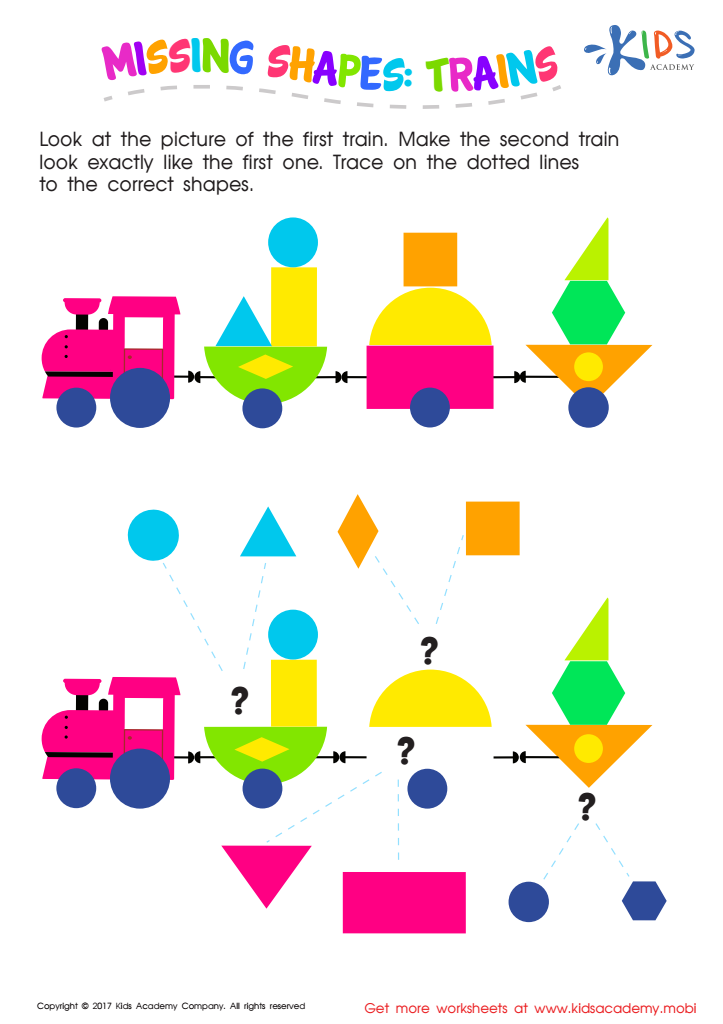
Missing Shapes: Trains Worksheet
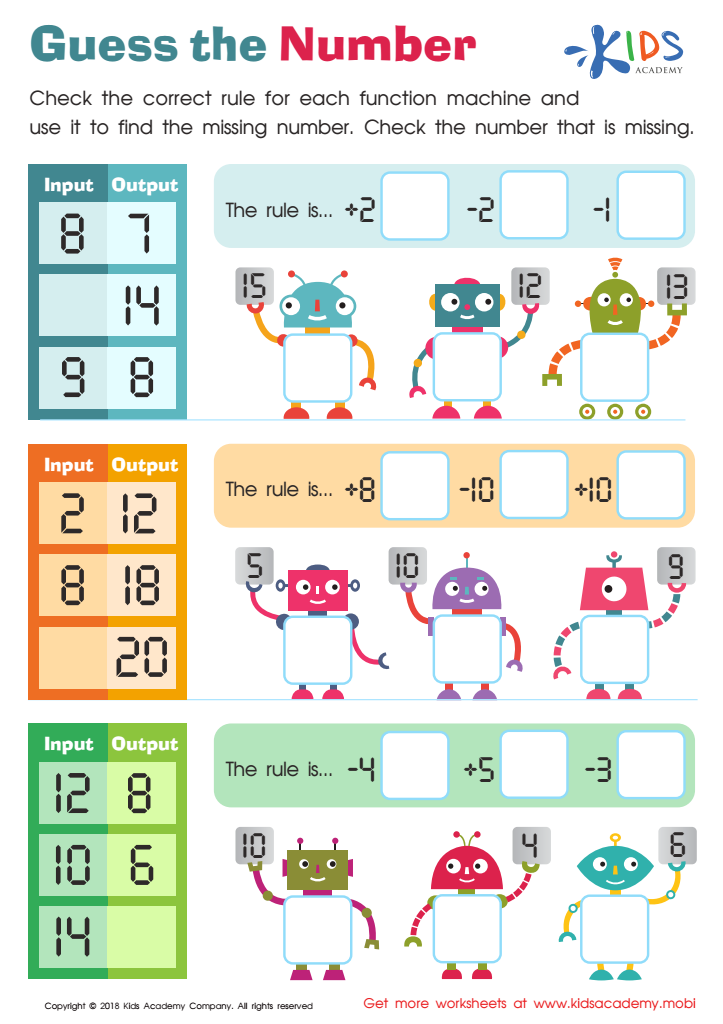
Guess the Number Worksheet
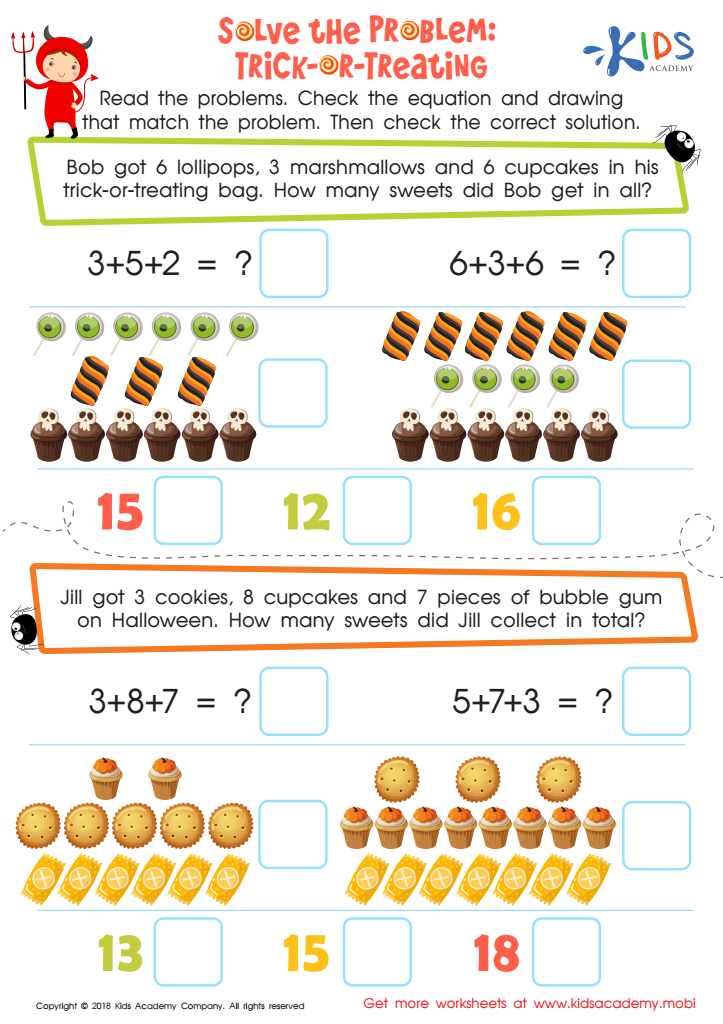
Solve the Problem: Trick–or–treating Worksheet
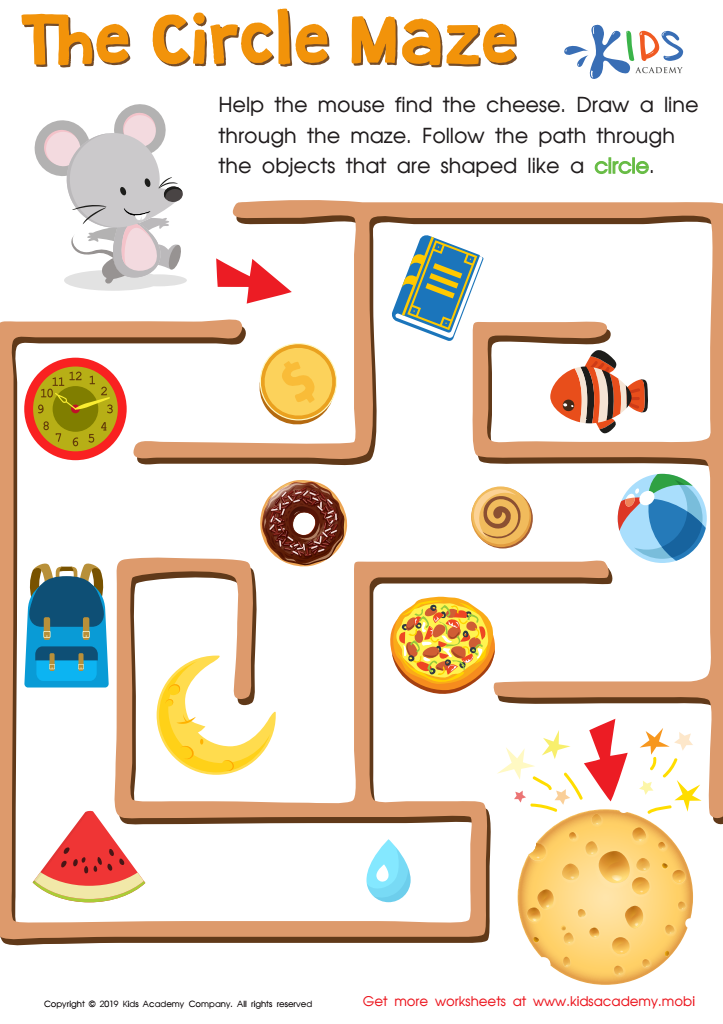
The Circle Maze Worksheet
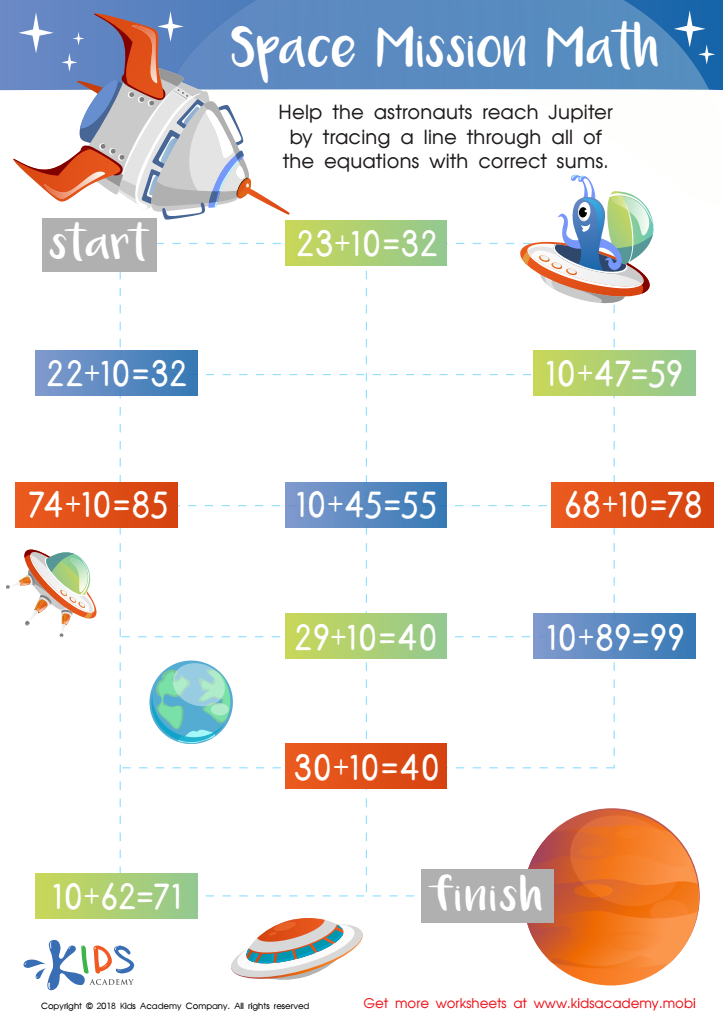
Space Mission Math Worksheet
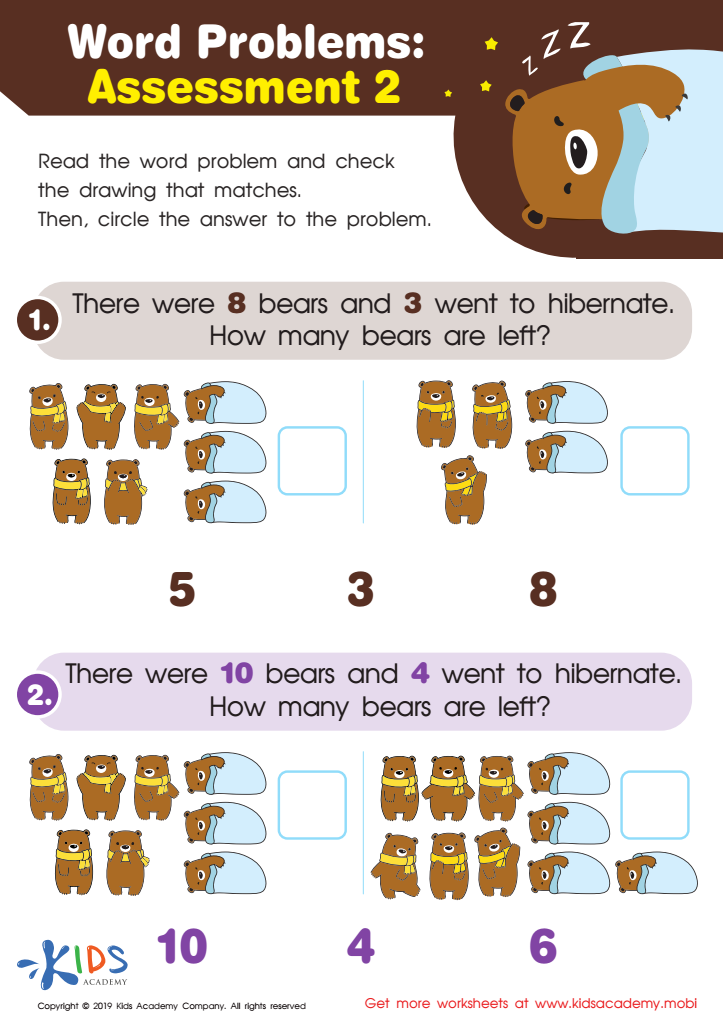
Word Problems: Assessment 2 Worksheet
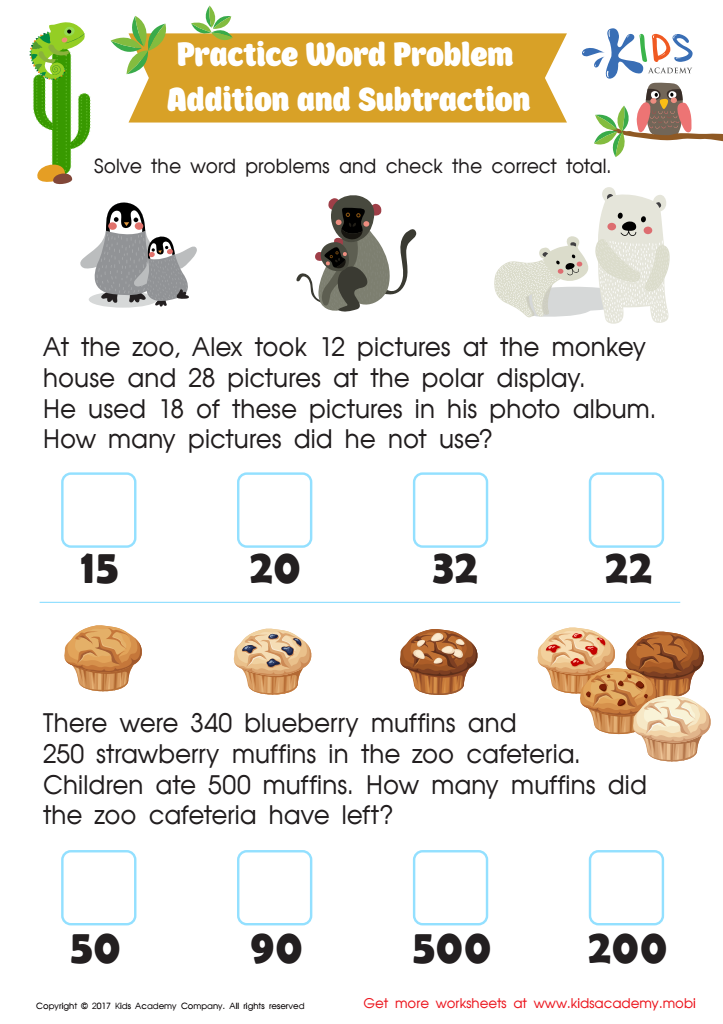
Addition and Subtraction: Word Problems Worksheet
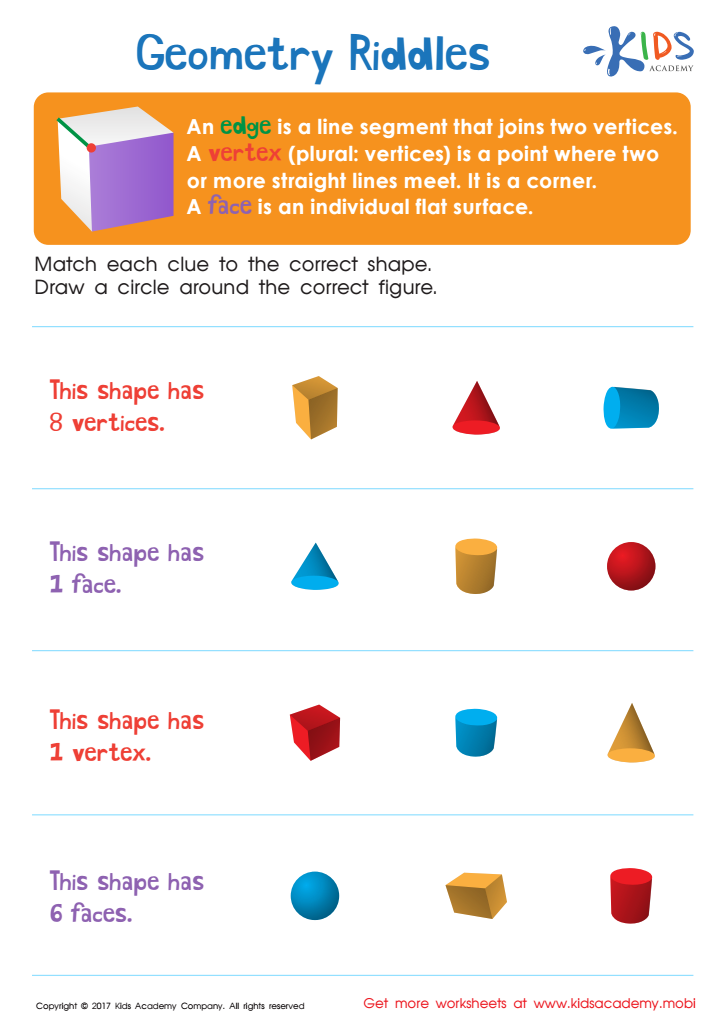
Geometry Riddles Printable
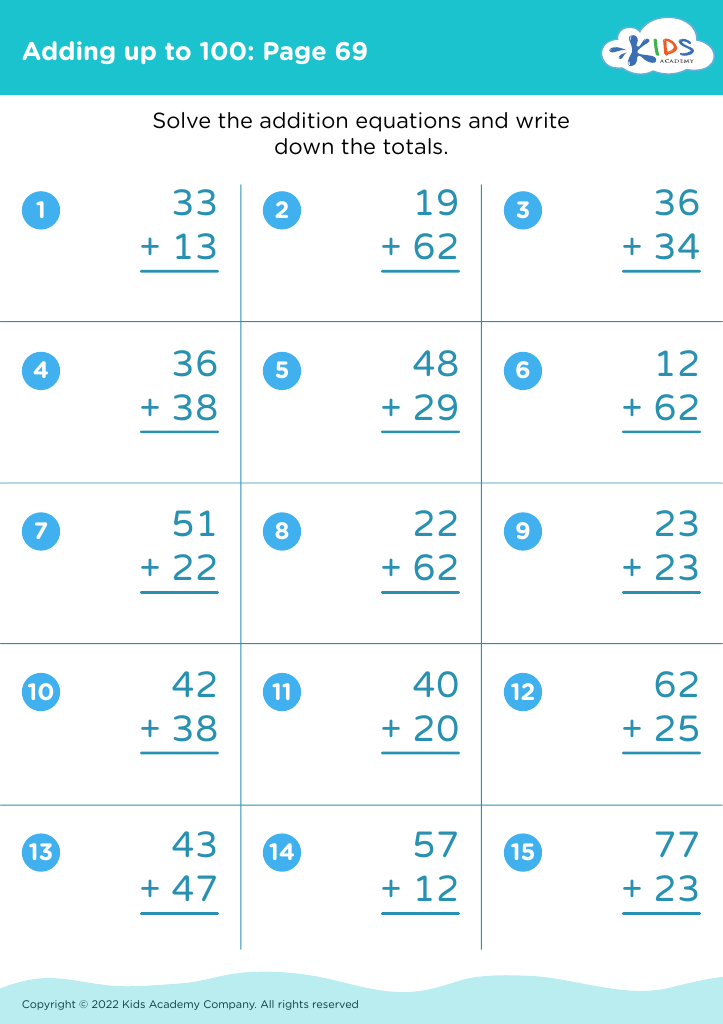
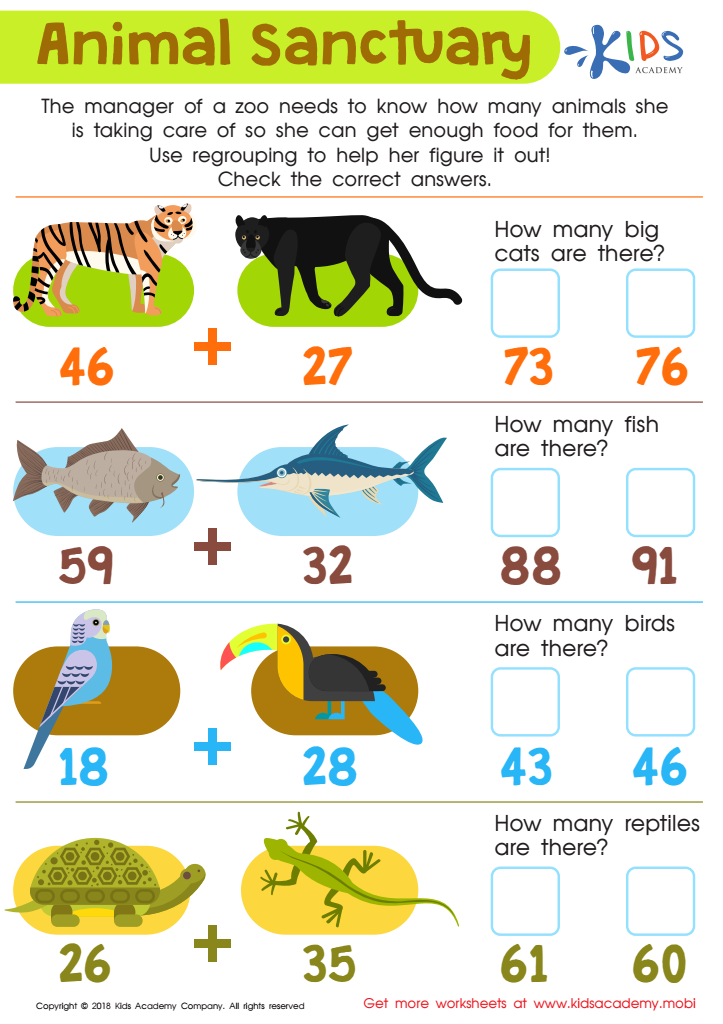
Animal Sanctuary Worksheet








Logical reasoning math for children ages 7-9 is crucial for fostering critical thinking and problem-solving skills that extend beyond the classroom. This stage of development is a pivotal time when young learners begin to make sense of the world around them. By engaging in logical reasoning, children learn to analyze situations, recognize patterns, and make deductions, which are essential skills not only for math but also for understanding science, reading, and everyday decision-making.
Furthermore, mastering logical reasoning helps build a foundation for more complex mathematical concepts, enabling students to approach challenges with confidence. This cognitive foundation encourages a growth mindset, prompting students to tackle problems they might initially find daunting. Additionally, strong logical reasoning skills enhance communication and collaboration skills as children learn to explain their thought processes and solutions to peers.
For parents and teachers, emphasizing logical reasoning in math can lead to long-term academic success and a love for learning. It prepares children for real-world challenges, equipping them to think critically in their future education and careers. Ultimately, investing in logical reasoning is investing in a child's overall intellectual development and lifelong learning potential.








