Pattern identification Math Worksheets for Ages 7-9
6 filtered results
-
From - To
Explore our engaging Pattern Identification Math Worksheets designed specifically for children aged 7-9! These versatile worksheets help young learners recognize and understand patterns, a crucial skill in developing their mathematical reasoning. With colorful illustrations and varied exercises, your child will enjoy identifying, extending, and creating patterns in fun, hands-on activities. Our resources aim to enhance problem-solving abilities while fostering a love for math. You'll find worksheets that cater to different learning styles, ensuring every student can succeed. Ideal for classroom use or at home, these pattern identification worksheets are perfect for reinforcing math concepts in an enjoyable way!
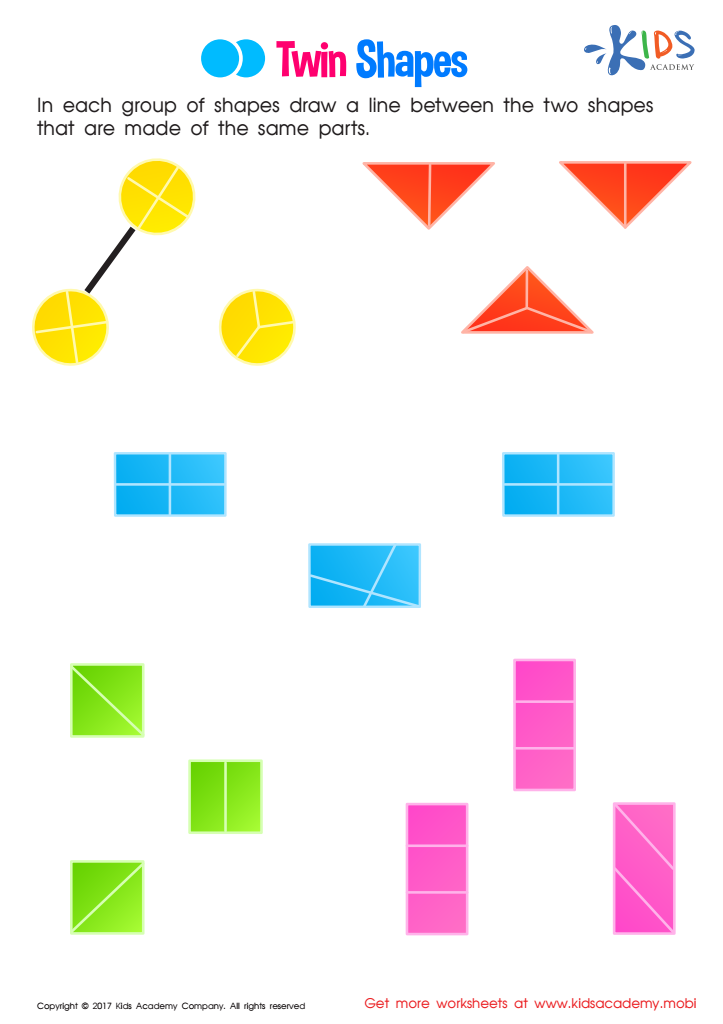
Twin Shapes Worksheet
 Assign to My Students
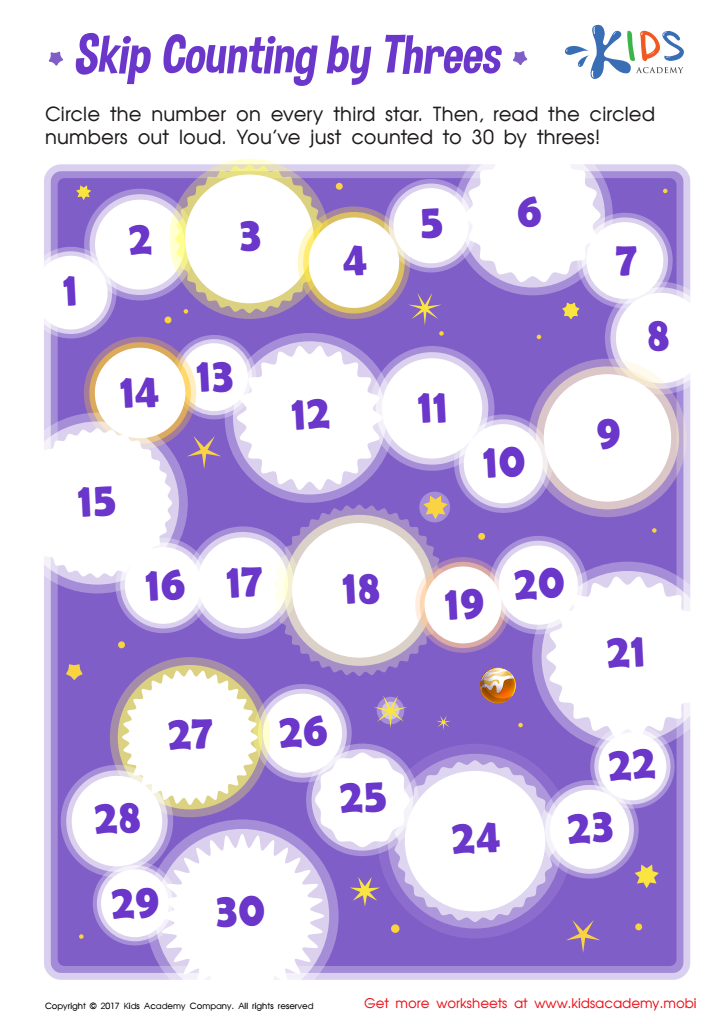
Skip Counting By Three Printable
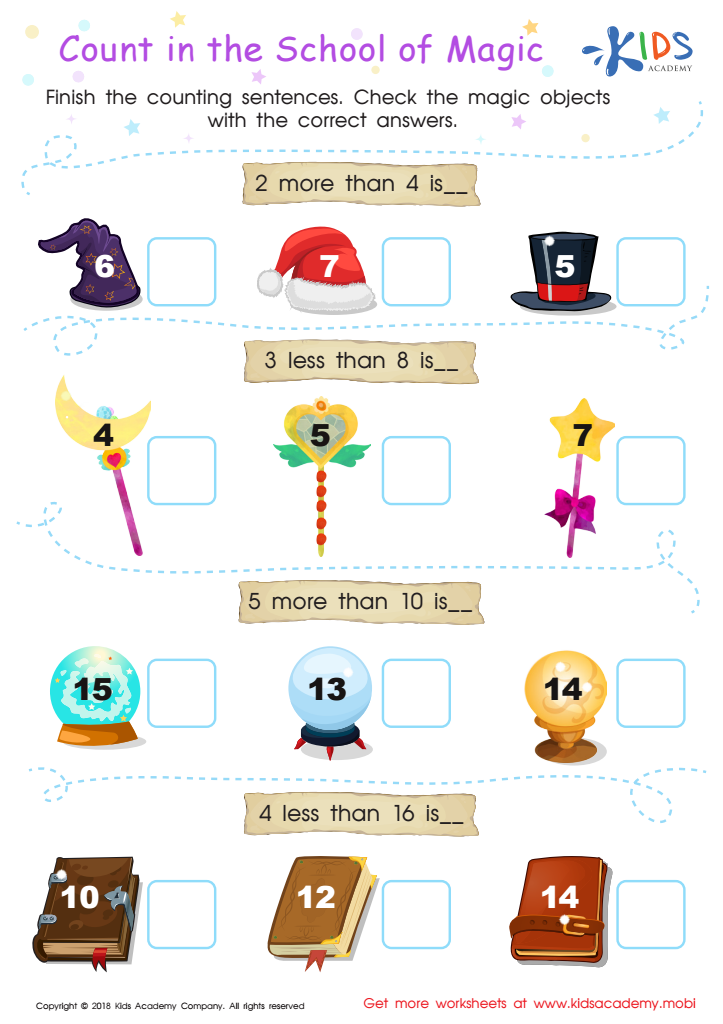
Count in the School of Magic Worksheet
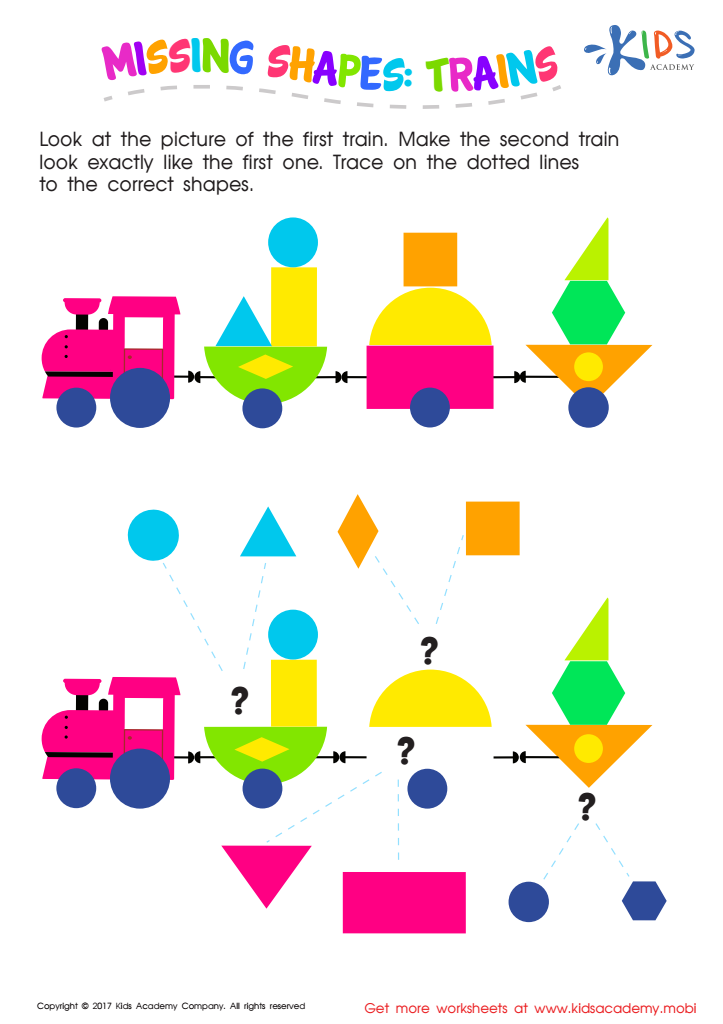
Missing Shapes: Trains Worksheet
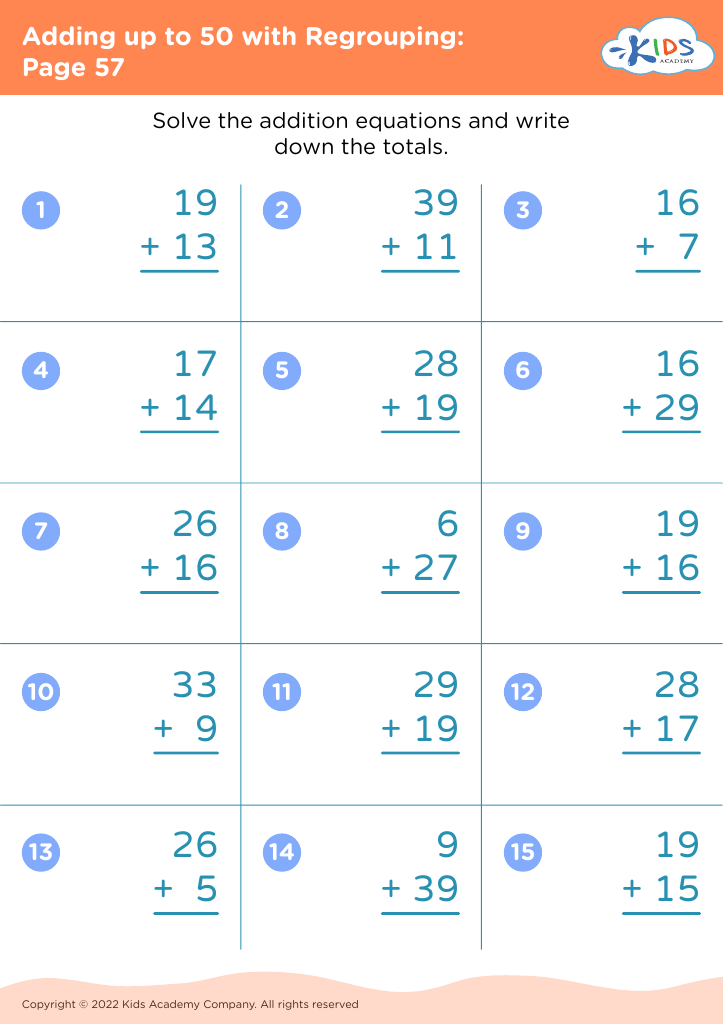







Pattern identification in mathematics is a crucial skill for children aged 7-9 as it forms the foundation for more complex mathematical concepts across their educational journey. When parents and teachers emphasize the importance of recognizing patterns, they help children develop logical thinking, problem-solving abilities, and the capacity to make connections between various mathematical ideas. These skills are not only essential in math but also in everyday life, encouraging critical thinking and analytical reasoning.
Learning to identify patterns enables children to understand relationships between numbers, which can boost their ability to perform operations such as addition and multiplication. Moreover, these skills lay the groundwork for future topics such as algebra, where understanding patterns becomes vital for success.
Encouraging pattern recognition also cultivates confidence and engagement in math, helping children appreciate the subject as more than mere calculations. By integrating pattern identification into lessons, teachers can create a more interactive and enjoyable learning environment, while parents can reinforce these skills at home through games and activities. Ultimately, fostering a strong foundation in pattern identification not only enhances children's mathematical competencies but also equips them with lifelong problem-solving skills. This investment in early mathematical education can have lasting impacts on their academic success.








