
Understand patterns Math Worksheets for Ages 7-9
6 filtered results
Difficulty Level
Grade
Age
-
From - To
Subject
Activity
Standards
Enhance your child's mathematical skills with our "Understand Patterns Math Worksheets" designed specifically for ages 7-9. These engaging worksheets make learning about patterns fun and interactive, helping students grasp essential concepts such as sequences, shapes, and number patterns. Children will develop critical thinking skills as they identify, extend, and create patterns through various exercises. Perfect for home or classroom use, our worksheets offer clear instructions and colorful visuals that appeal to young learners. Empower your child’s confidence in math by fostering a strong foundation in pattern recognition with these carefully crafted resources. Start their journey to math mastery today!
Favorites
With answer key
Interactive
Join Kids Academy for Free
Who is primarily going to use this learning content?


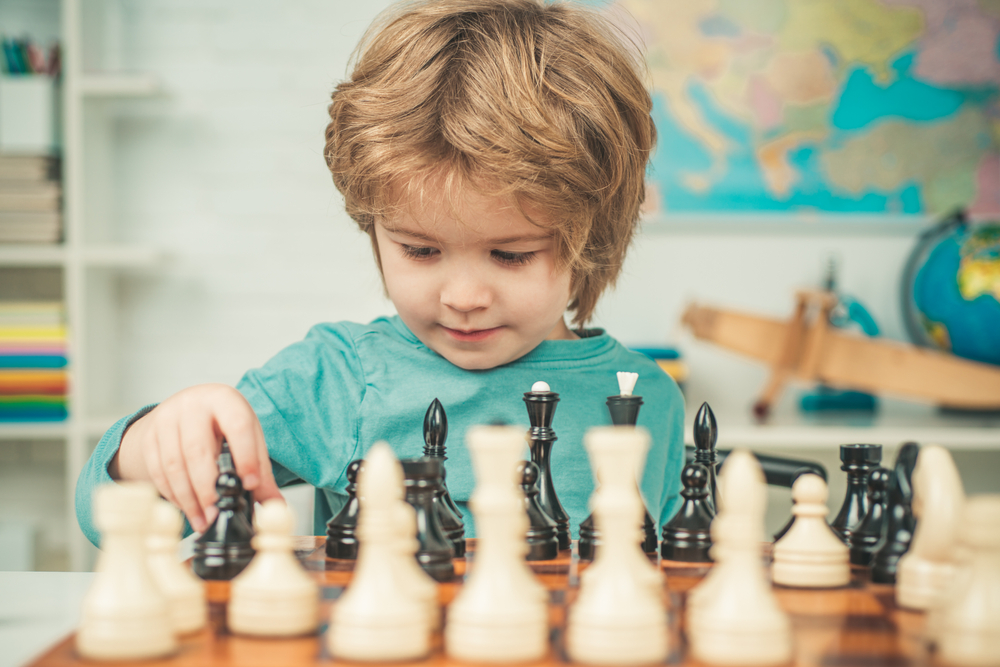





Understanding patterns in math is crucial for children aged 7-9 as it forms the foundation for more advanced mathematical concepts. At this stage, children are developing critical thinking and problem-solving skills essential for their future academic success. Patterns help students recognize relationships between numbers, shapes, and sequences, fostering analytical skills that are vital in math and other subjects.
Learning about patterns also enhances cognitive abilities, such as reasoning and prediction. When children identify and extend patterns, they better understand the underlying structure of mathematics, which makes more complex topics—like algebra and geometry—easier to grasp as they progress in school.
Furthermore, engaging with patterns keeps learning dynamic and enjoyable. It allows for creative exploration and hands-on activities, encouraging a positive attitude toward math. This can establish a lifelong interest in the subject and reduce math anxiety.
By supporting children in this learning area, parents and teachers equip them with essential tools for future success. The skills developed through understanding patterns pave the way for achievement in math, build confidence, and nurture logical thinking skills that are applicable in various life contexts. Prioritizing this fundamental concept is thus imperative in nurturing well-rounded learners.








