Check out this FREE Trial Lesson on Math for age 7-9!

Sorting Objects into 3 Categories

Favorites
With answer key
Interactive
  • 7-9
  • Understanding fractions
  • Math
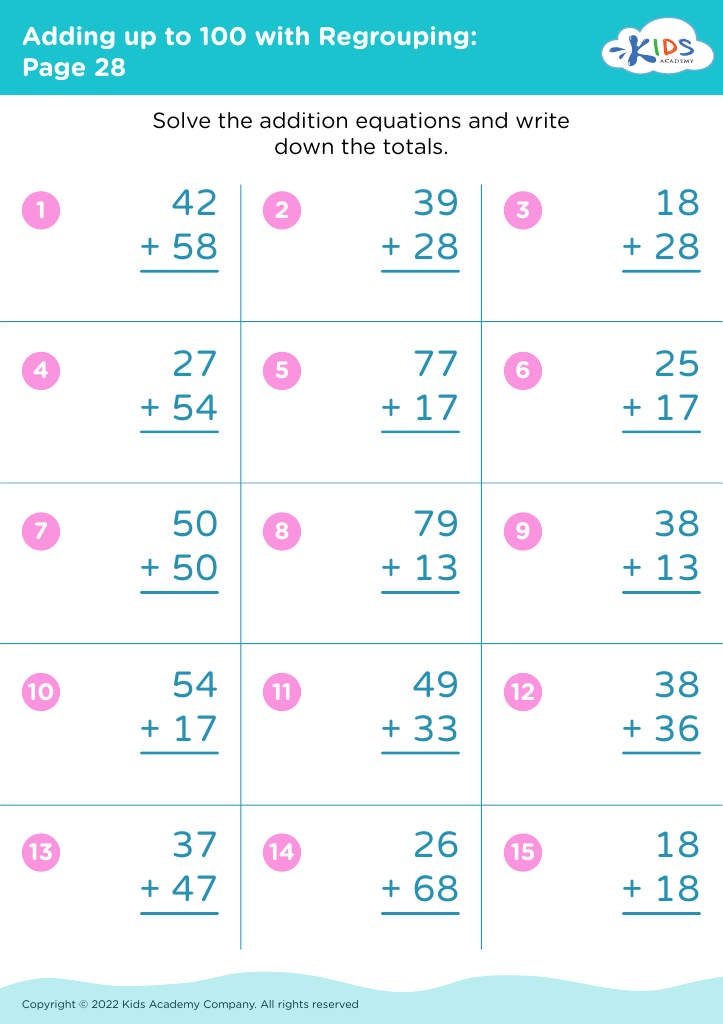
Adding up to 100 with Regrouping: Page 28
Worksheet
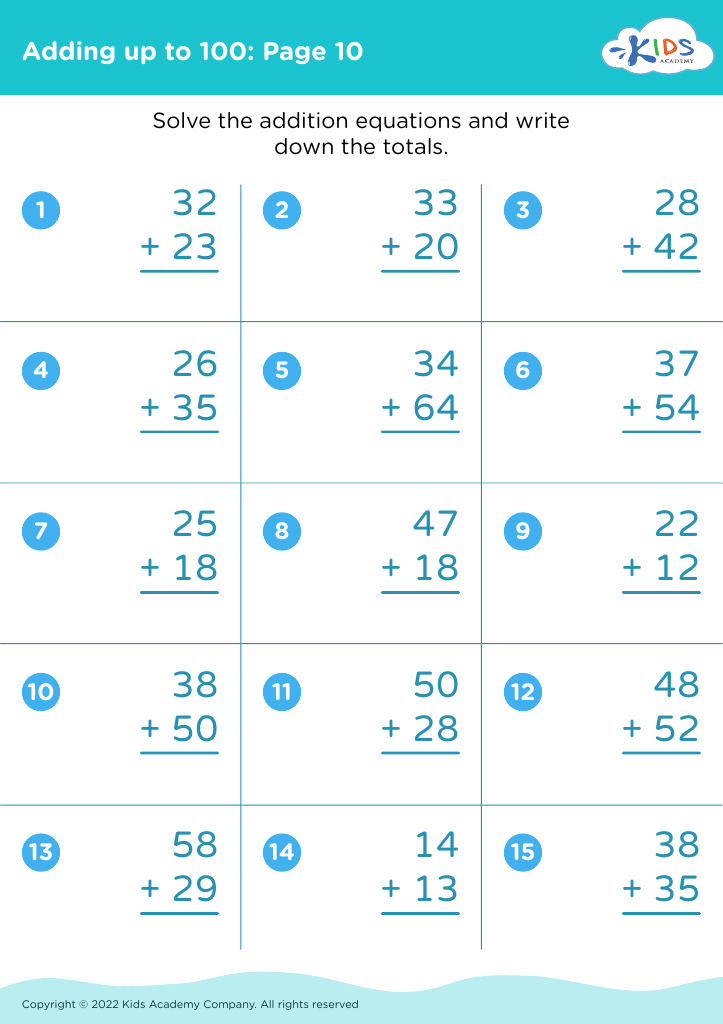
Adding up to 100: Page 10

Adding up to 100: Page 10

Adding up to 100: Page 10
Worksheet
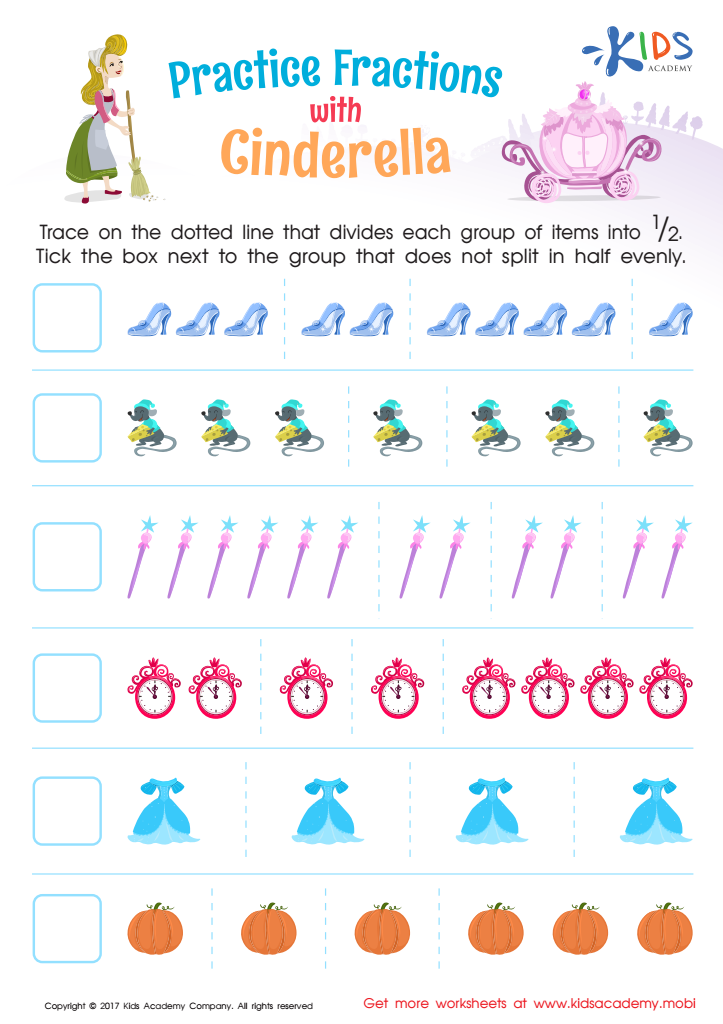
Cinderella Fraction Practice

Fractions: Cinderella Printable

Cinderella and ½ are the perfect pair to excite your child about learning fractions.
Fractions: Cinderella Printable
Worksheet
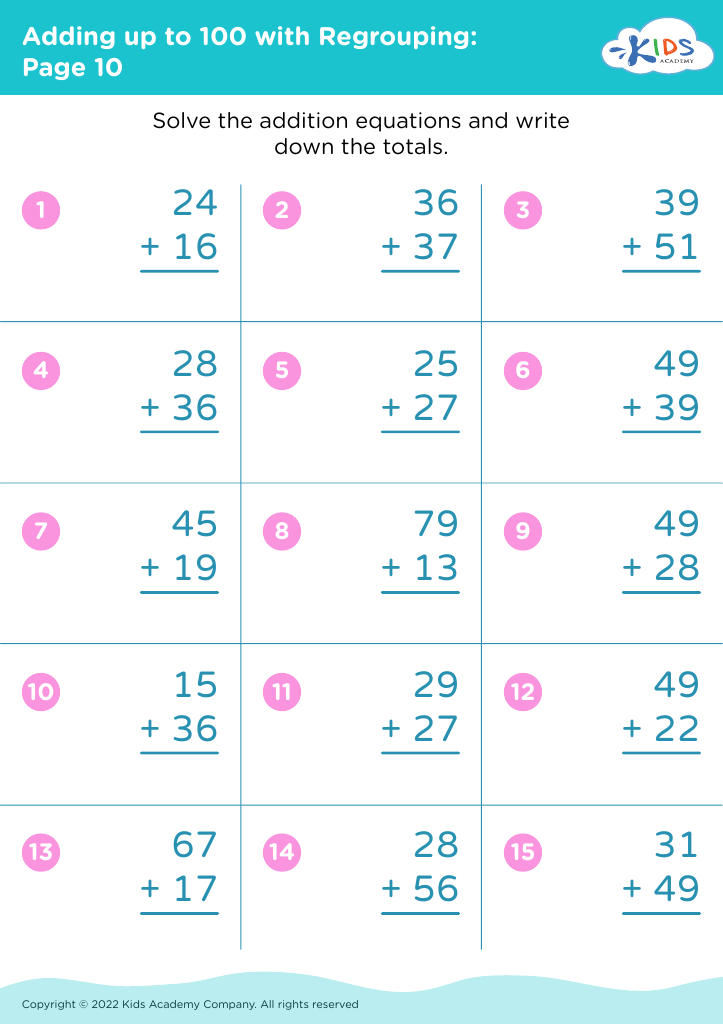
Adding up to 100 with Regrouping: Page 10
Worksheet
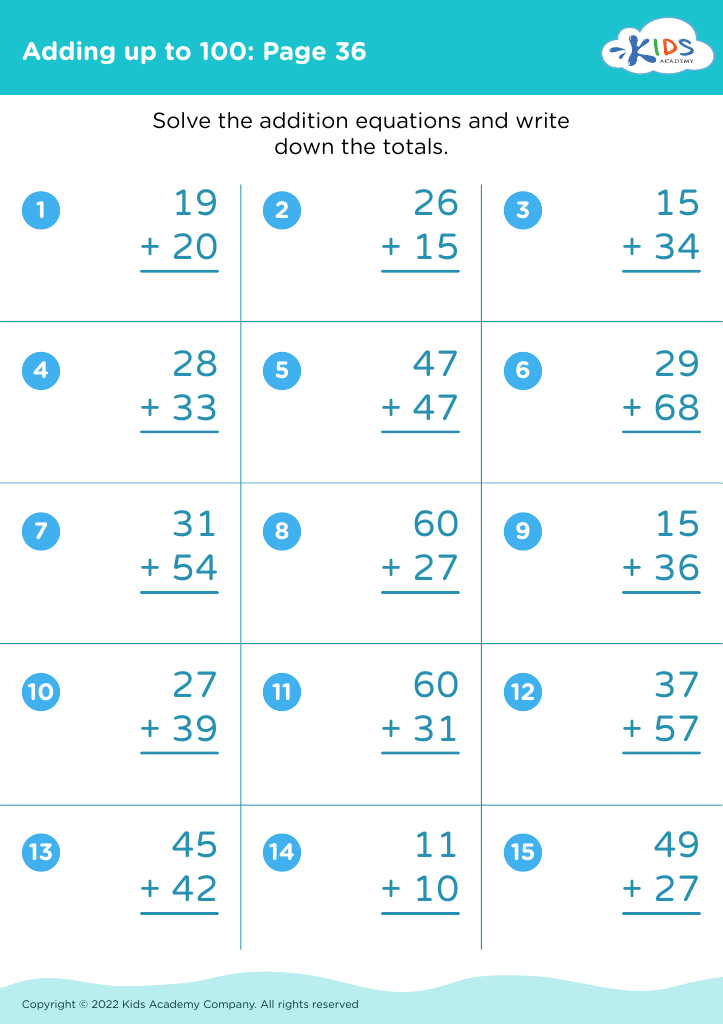
Adding up to 100: Page 36

Adding up to 100: Page 36

Adding up to 100: Page 36
Worksheet
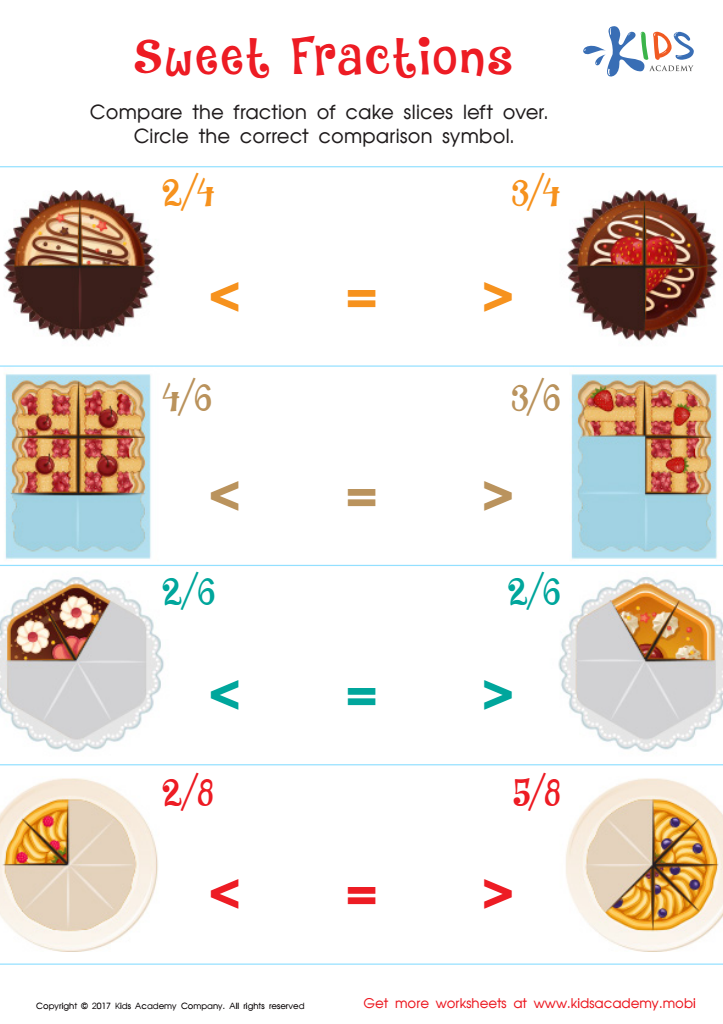
Сompare fractions worksheet for 3rd grade

Compare Fractions Worksheet
This compare fractions worksheet is great for 3rd graders to learn and understand fractions in a fun way. Let them explore fractions visually with the help of sweet treats!
Compare Fractions Worksheet
Worksheet
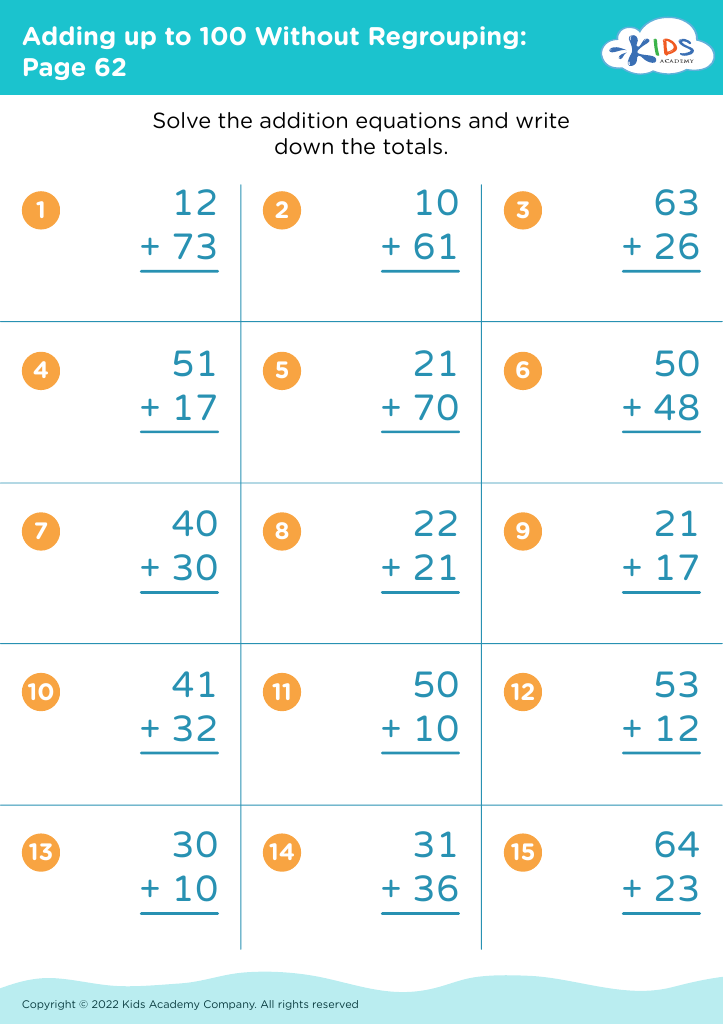
Adding up to 100 Without Regrouping: Page 62
Worksheet
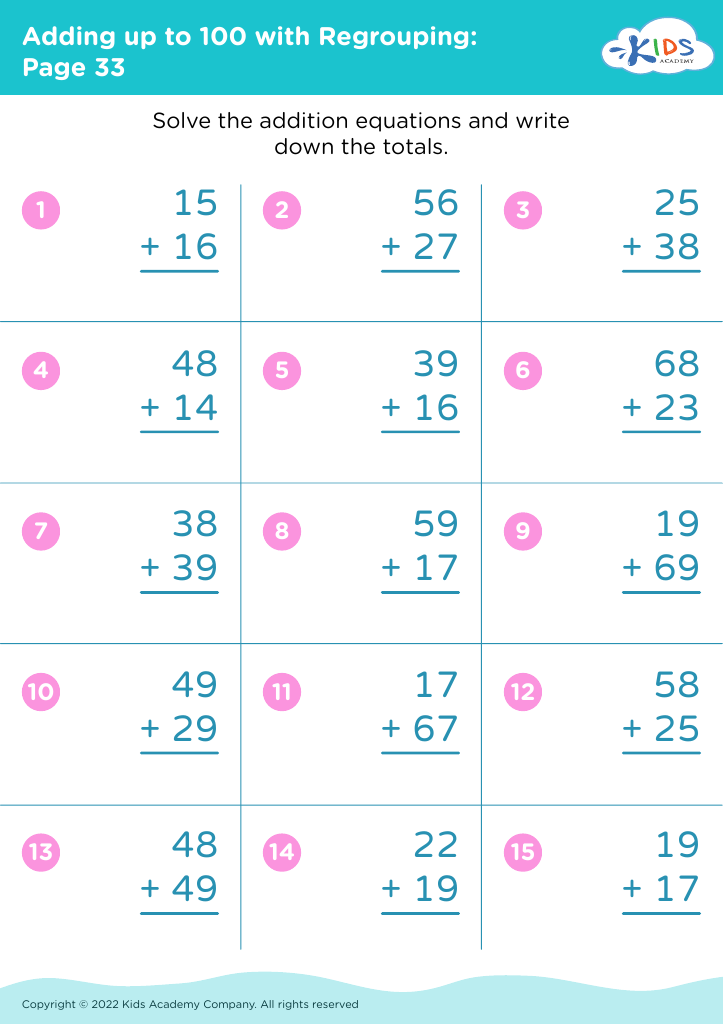
Adding up to 100 with Regrouping: Page 33
Worksheet
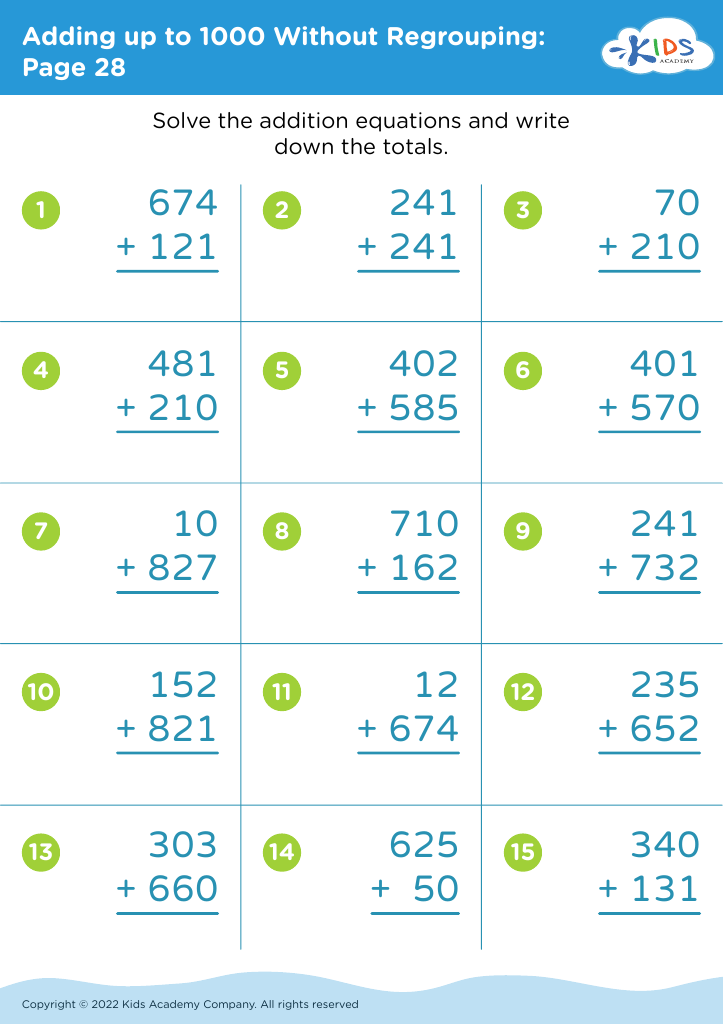
Adding up to 1000 Without Regrouping: Page 28
Worksheet
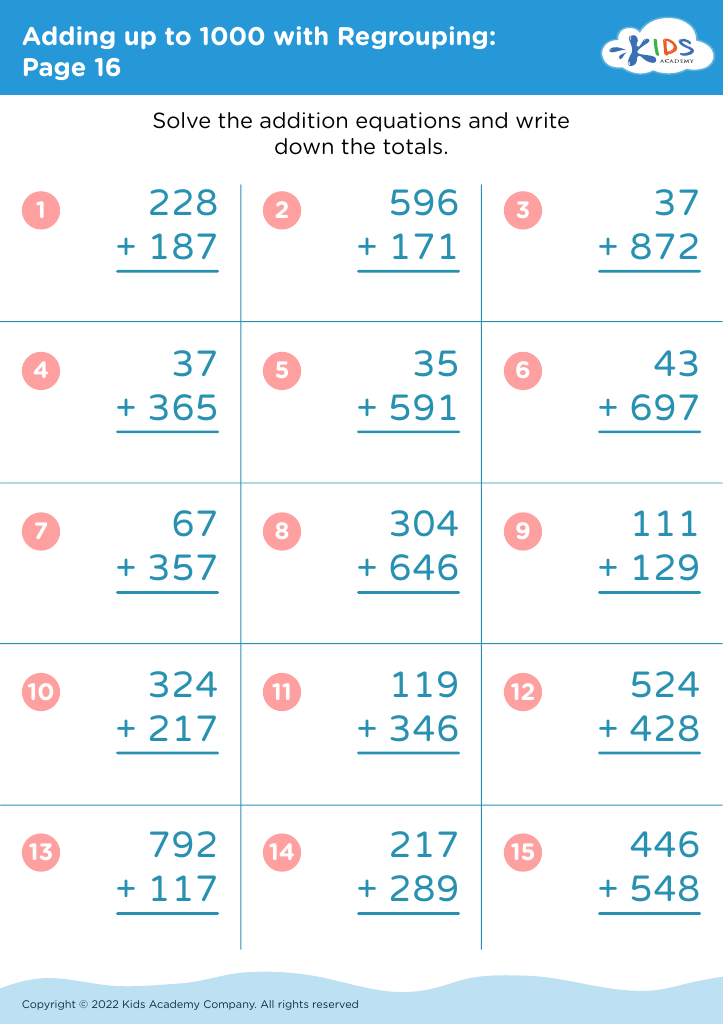
Adding up to 1000 with Regrouping: Page 16
Worksheet
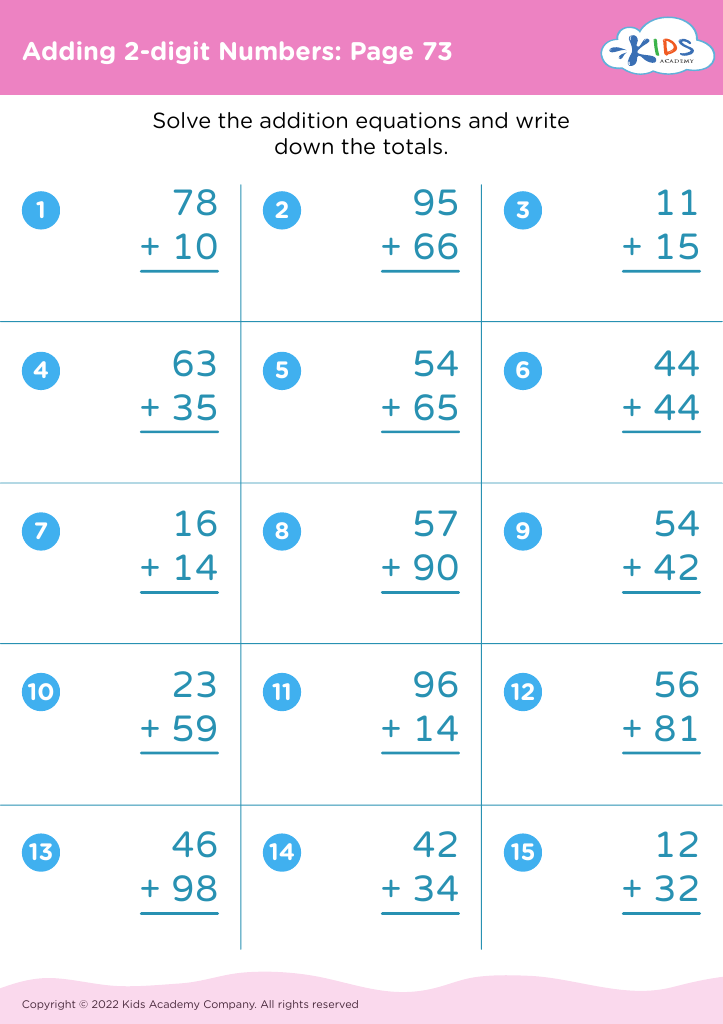
Adding 2-digit Numbers: Page 73

Adding 2-digit Numbers: Page 73

Adding 2-digit Numbers: Page 73
Worksheet
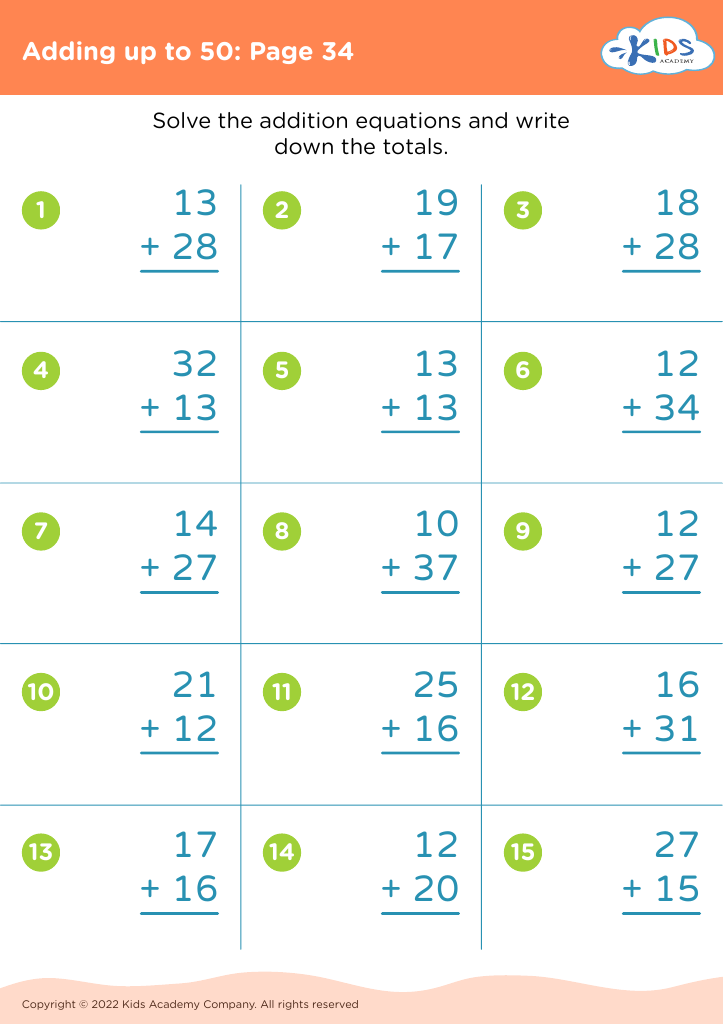
Adding up to 50: Page 34

Adding up to 50: Page 34

Adding up to 50: Page 34
Worksheet
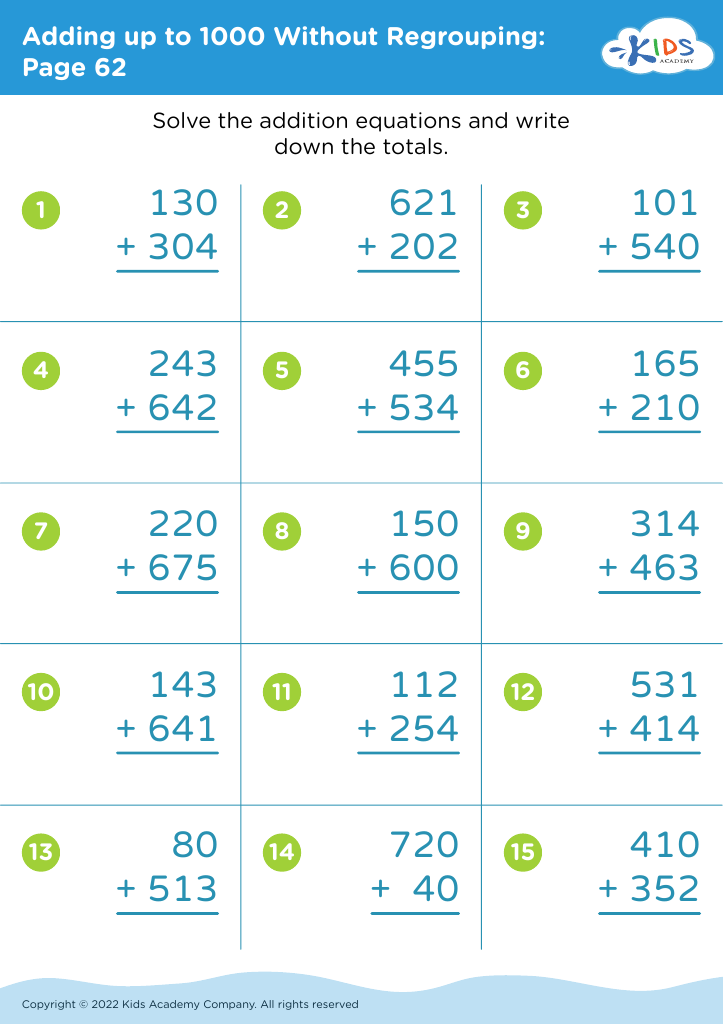
Adding up to 1000 Without Regrouping: Page 62
Worksheet
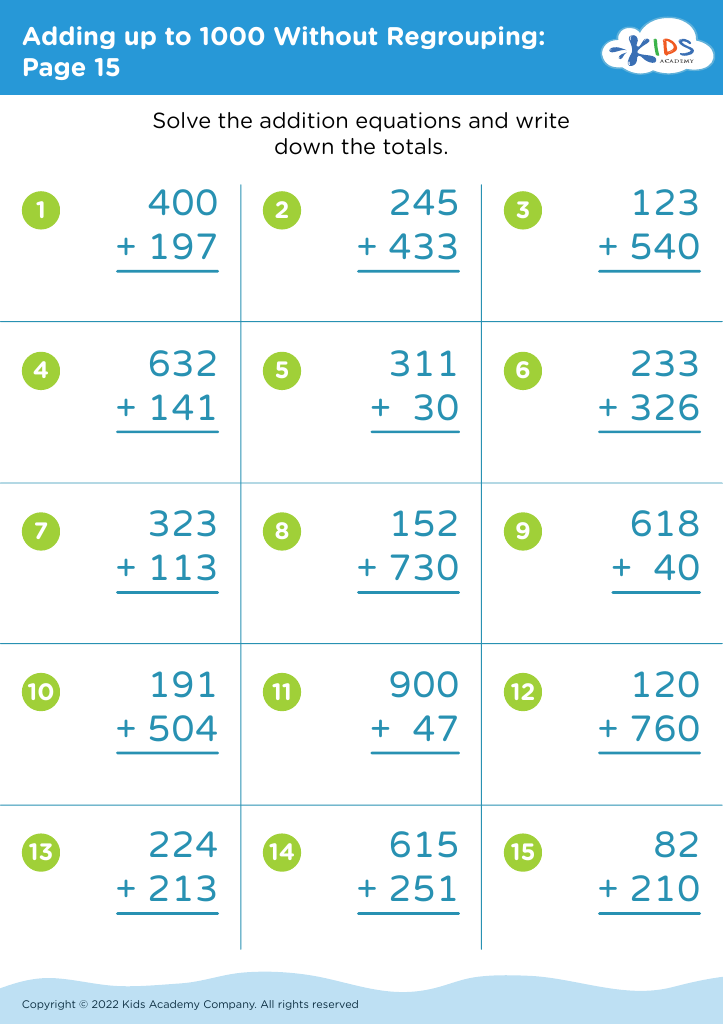
Adding up to 1000 Without Regrouping: Page 15
Worksheet
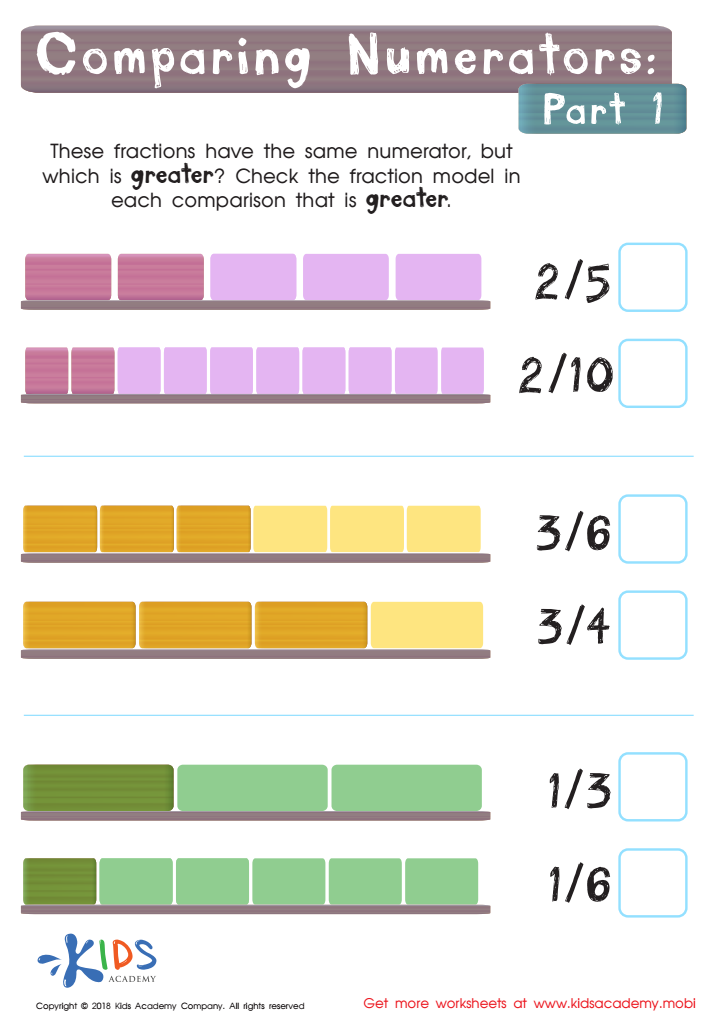
Comparing Numerators Part 1 Worksheet

Comparing Numerators Part 1 Worksheet

This worksheet has 3 fractions groups with the same numerator. Your child must determine which fraction is greater in each comparison. Check the fraction model to see the greater one.
Comparing Numerators Part 1 Worksheet

Worksheet
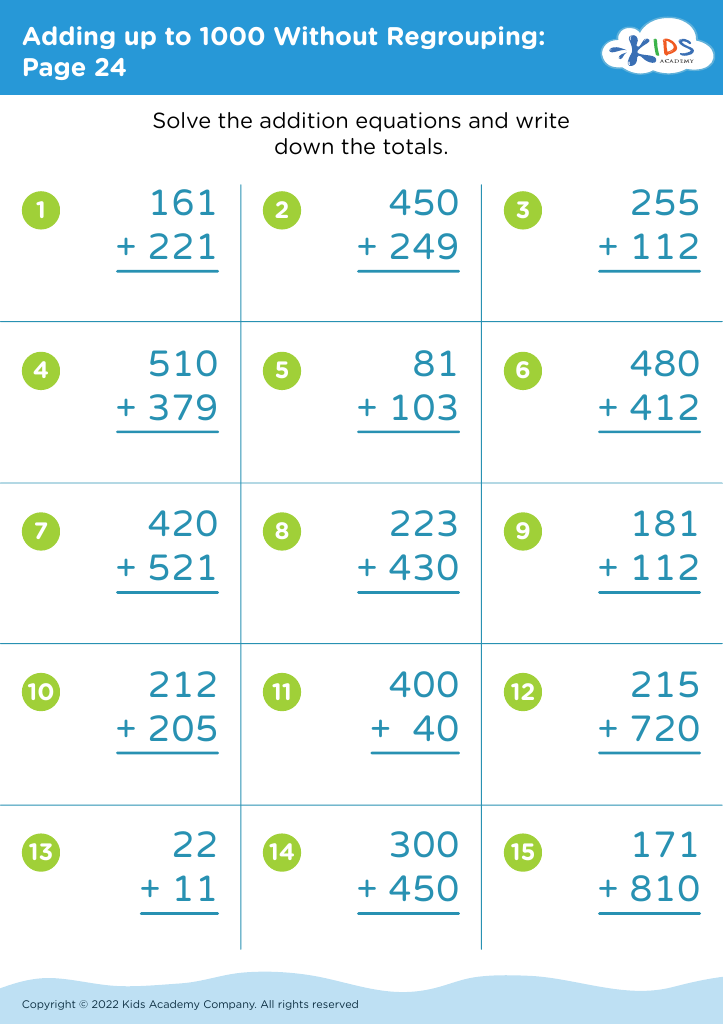
Adding up to 1000 Without Regrouping: Page 24
Worksheet


... 8 9

Understanding fractions at an early age is crucial for children ages 7-9 for several reasons. First, it lays the groundwork for future math concepts. Fractions are essential in more advanced mathematics including algebra, geometry, and calculus. Grasping fractions early makes these subjects more approachable later on.

Second, fractions have real-life applications. From cooking measurements to dividing a pizza among friends, fractions are everywhere. Learning how to handle fractions helps children appreciate the relevance of math in daily life.

Third, understanding fractions boosts problem-solving skills. It involves abstract thinking, comparative analysis, and this lays the foundation for logical reasoning needed in all academic subjects.

Lastly, early success in fractions, a commonly challenging topic, can build a child's confidence. Mastery in this area can create a positive attitude towards math and can diminish math anxiety, fostering a growth mindset.

Therefore, parents and teachers should prioritize teaching fractions effectively and engagingly. Support tools like visual aids, interactive games, and hands-on activities can make learning fractions enjoyable and comprehensible, ensuring that children not only succeed now but are also prepared for future academic challenges. In turn, this strengthens their overall cognitive development and supports lifelong learning.