Vocabulary enhancement Math Worksheets for Ages 7-9 - Page 2
28 filtered results
-
From - To
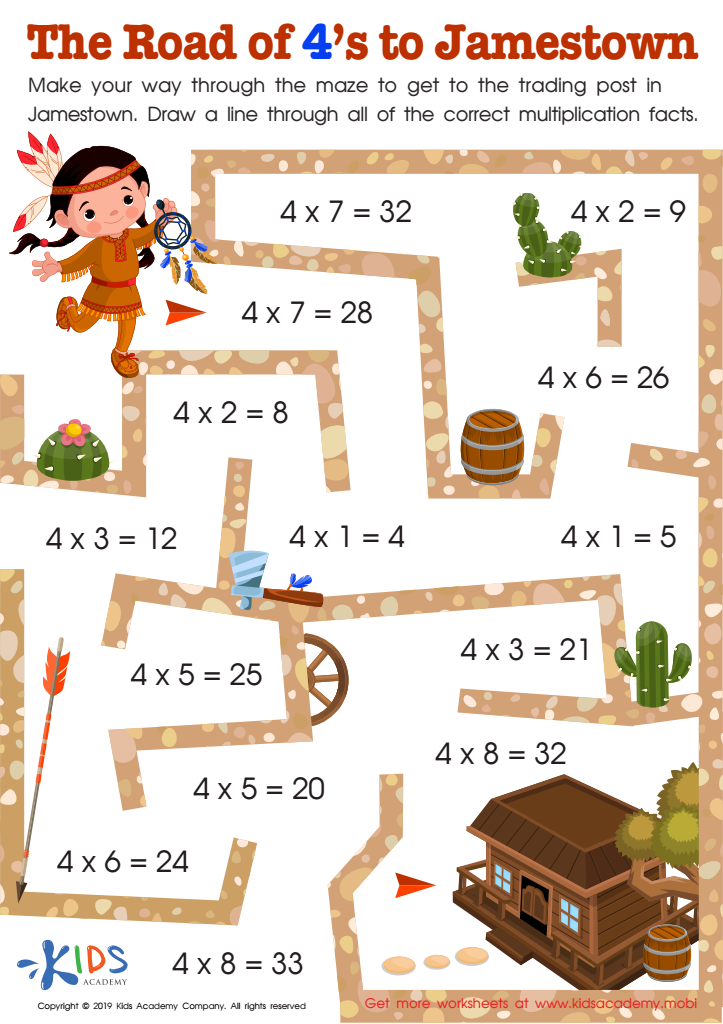
The Road of 4’s to Jamestown Worksheet
 Assign to My Students
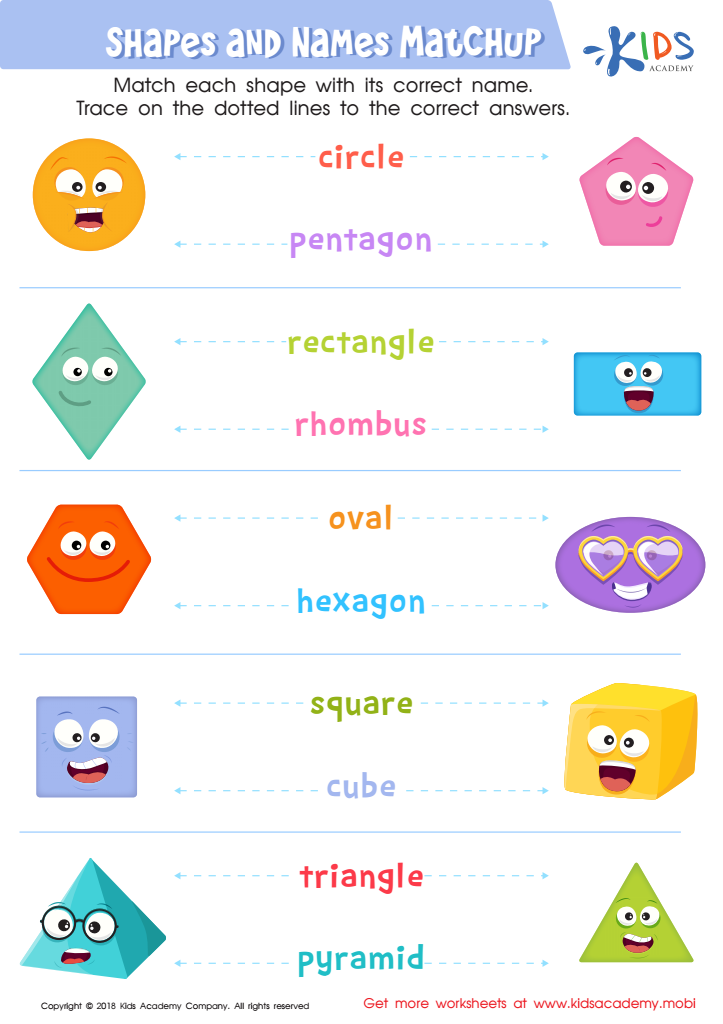
Shapes and Names Matchup Worksheet
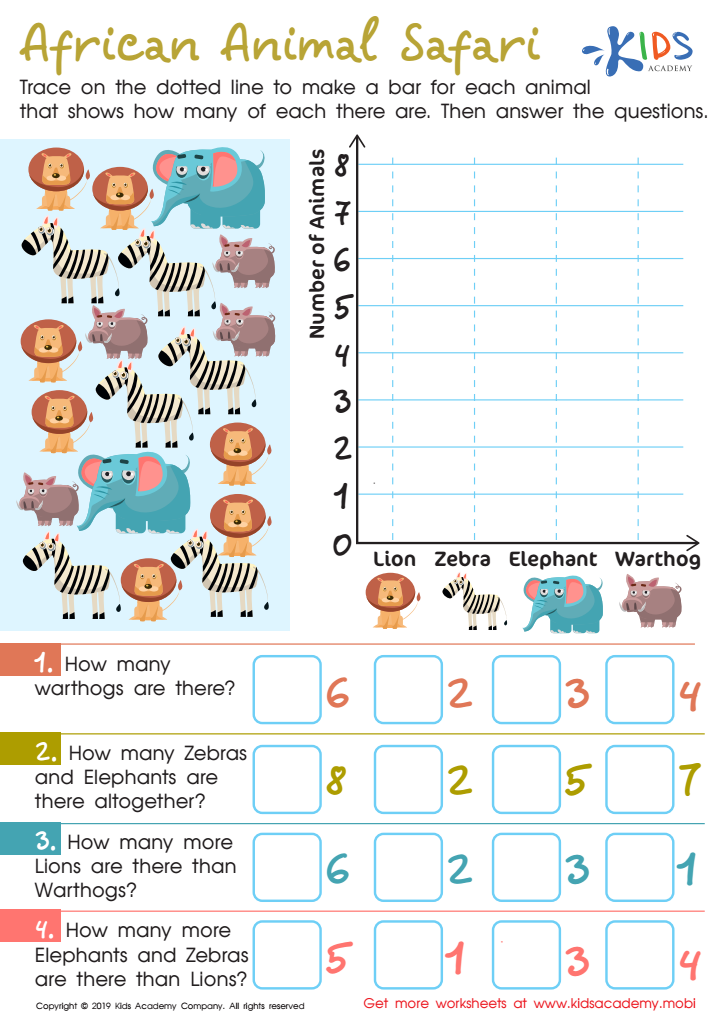
African Animal Safari Worksheet







Parents and teachers should care about vocabulary enhancement in math for children aged 7-9 because it lays the critical foundation for future learning and comprehension. At this early age, students are highly receptive to new concepts, and developing a strong mathematical vocabulary can significantly boost their cognitive and communication skills.
When children understand math vocabulary, they can more easily grasp fundamental concepts like addition, subtraction, multiplication, and division. It helps them interpret word problems accurately, discuss mathematical ideas clearly, and follow instructions without confusion. This skill is essential because mathematical proficiency is not just about calculating numbers but also about understanding and interpreting the language of math.
Furthermore, a robust math vocabulary cultivates confidence. Children who can articulate mathematical ideas are more likely to participate actively in class discussions, which enhances their learning through peer interaction and teacher feedback. Early investment in math vocabulary also paves the way for more advanced topics, making future learning smoother and less intimidating.
For teachers, a focus on vocabulary helps in diagnosing learning issues early on, enabling effective intervention strategies. For parents, supporting math vocabulary growth at home through games, conversations, and practical experiences can turn everyday activities into powerful learning opportunities, strengthening the school-home connection in a child's educational journey.








