
Fine Motor Skills Matching Worksheets for Ages 7-9
3 filtered results
Difficulty Level
Grade
Age
-
From - To
Subject
Activity
Standards
Boost your child's fine motor skills with our engaging Fine Motor Skills Matching Worksheets designed specifically for ages 7-9. These worksheets are crafted to enhance dexterity, coordination, and concentration while making learning fun and interactive. Children will engage in exciting matching activities that require precise movements, helping them develop essential skills needed for writing and other daily tasks. Our carefully structured worksheets encourage independent learning and strengthen hand-eye coordination. Ideal for classroom use or at-home practice, these worksheets provide a wonderful opportunity for kids to explore their creativity while mastering fine motor techniques. Download them today and watch your child thrive!
Favorites
With answer key
Interactive
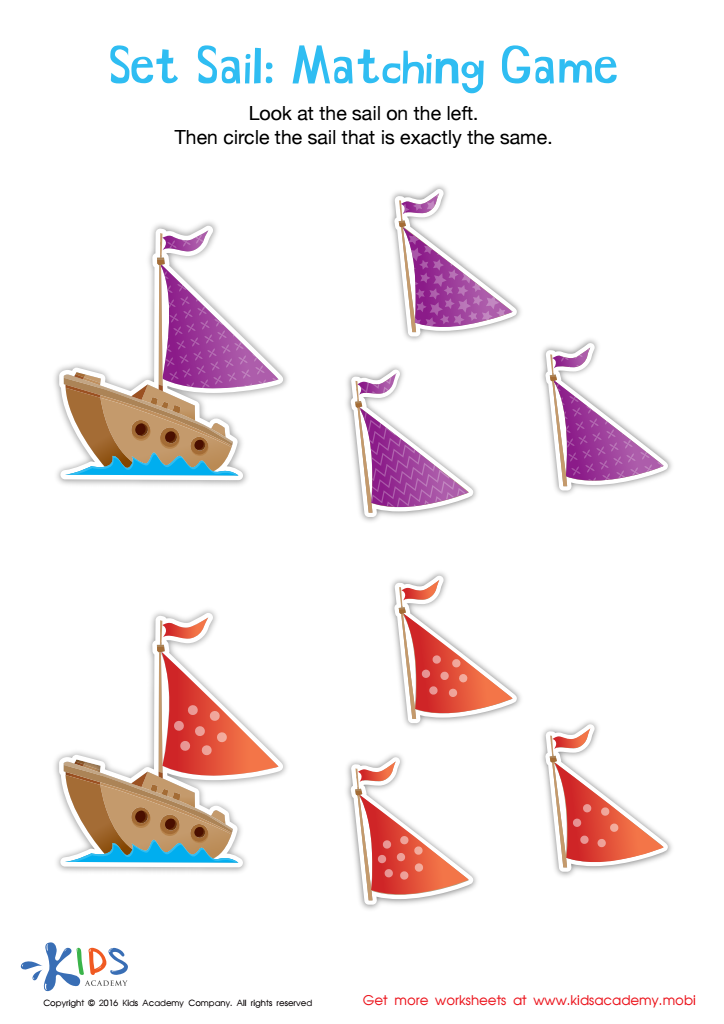
Set Sail Worksheet
Set sail with this fun matching game for toddlers! Kids will love finding the same pattern on the sails, improving their problem-solving and counting skills. Enjoy this bright and engaging worksheet!
 Assign to My Students
Set Sail Worksheet
Worksheet
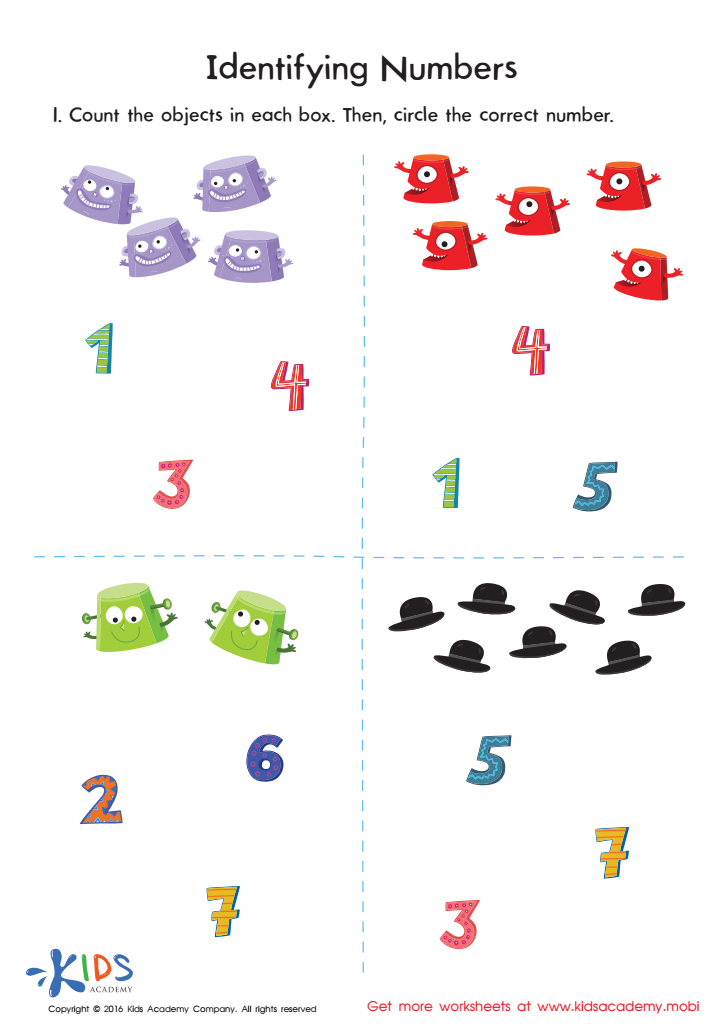
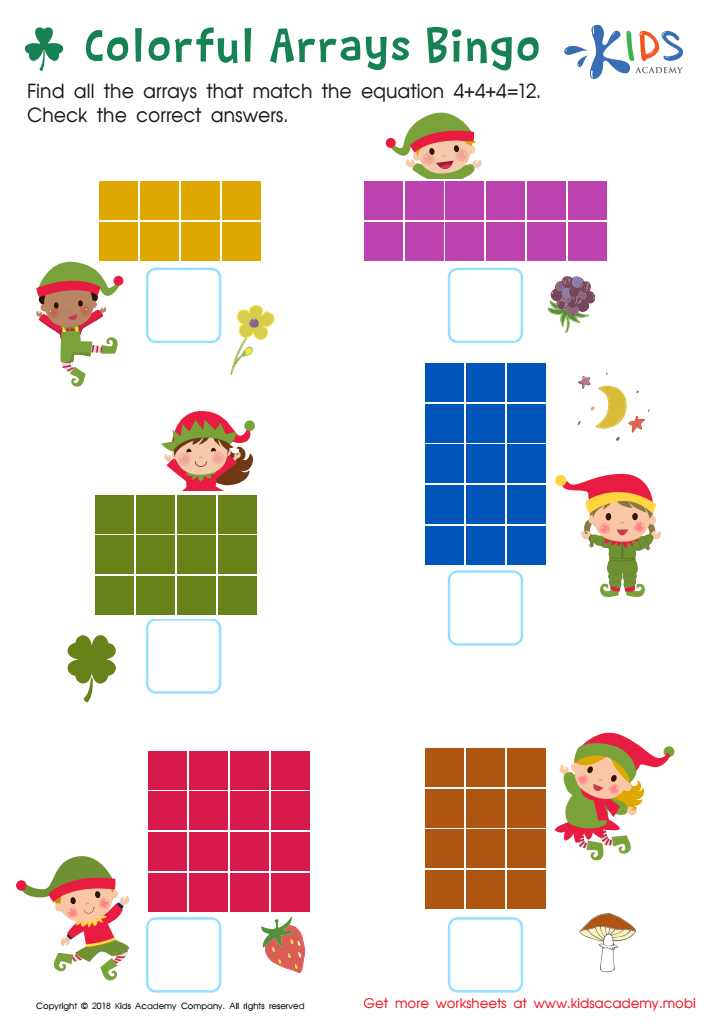
Colorful Arrays Bingo Worksheet
This worksheet stimulates thinking about arrays and how to represent them. Instruct students to count the 6 arrays and find which ones sum up to 12. Ask them to check the answers for accuracy.
Colorful Arrays Bingo Worksheet
Worksheet
Join Kids Academy for Free
Who is primarily going to use this learning content?








Fine motor skills are essential for children aged 7-9 as they significantly impact academic performance, independence, and overall development. At this age, students engage in more complex tasks that require precise hand-eye coordination and dexterity, such as writing, drawing, cutting, and manipulating small objects.
When parents and teachers prioritize fine motor skills, they enable children to improve their ability to perform these tasks effectively, fostering a sense of achievement and confidence. Strong fine motor skills facilitate better handwriting, which is crucial in conveying thoughts and ideas clearly in written assignments.
Additionally, developing these skills often involves engaging activities, such as arts and crafts, which encourage creativity and self-expression. Engaging deeper with fine motor activities also aids in cognitive skill development, enhancing problem-solving abilities and critical thinking.
Moreover, supporting fine motor skill development can influence social interactions. Children with well-developed fine motor skills often participate more eagerly in group activities, enhancing their social skills and peer relationships.
In summary, focusing on fine motor skills for children ages 7-9 not only bolsters their academic and social development but also lays a foundation for lifelong learning and self-confidence, making it a vital consideration for parents and teachers.








