Basic Math Skills Place Value Worksheets for Ages 7-9
5 filtered results
-
From - To
Enhance your child's foundational math skills with our engaging Place Value Worksheets designed for ages 7-9. These interactive printables from Kids Academy make learning place value concepts fun and approachable. Perfect for building confidence in understanding numbers, our worksheets include exercises on tens, hundreds, and thousands, accompanied by vibrant illustrations and step-by-step instructions. Ideal for both classroom and homeschool settings, these resources ensure students master essential math skills while enjoying the process. Empower your young learner today with our expertly crafted place value worksheets available at Kids Academy.
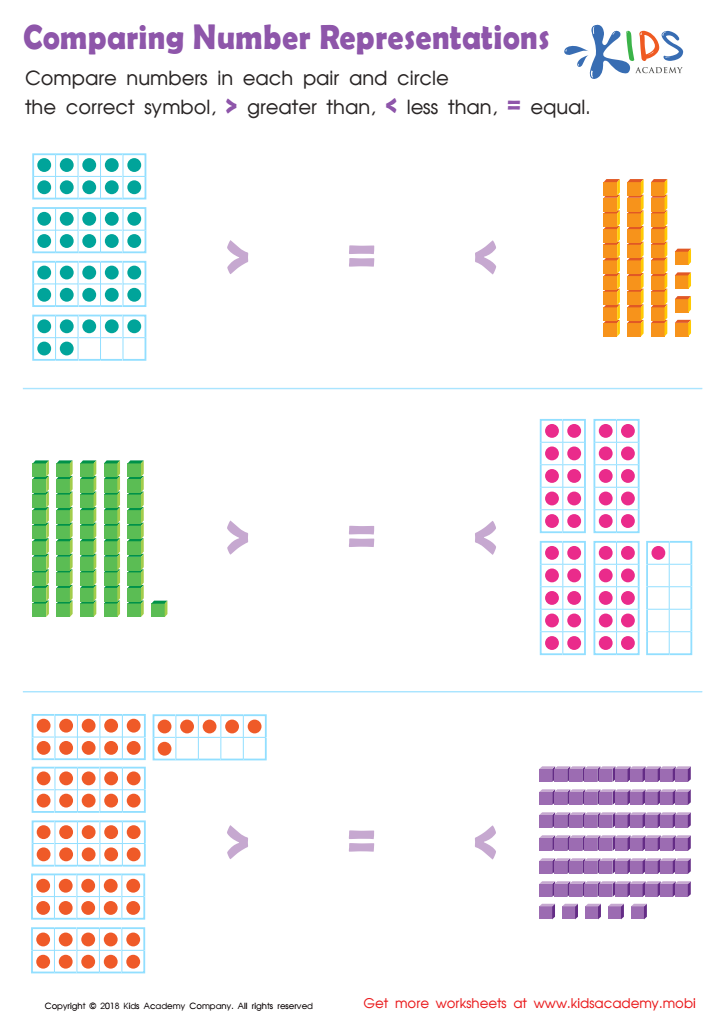
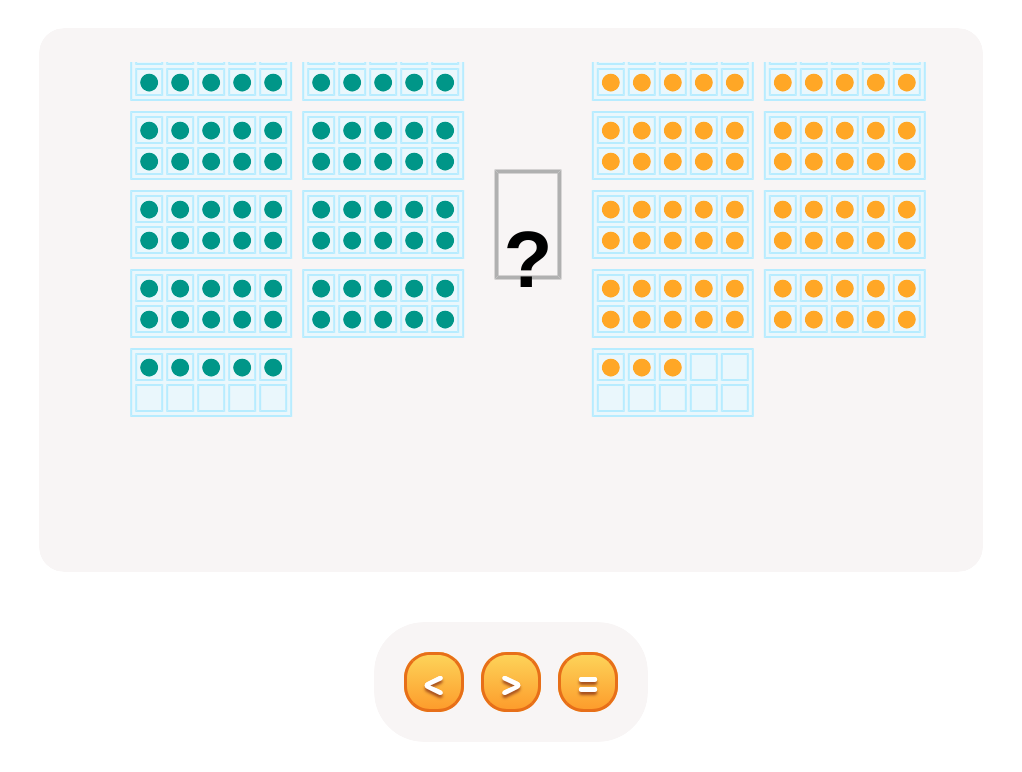
Comparing Number Representations Worksheet
 Assign to My Students
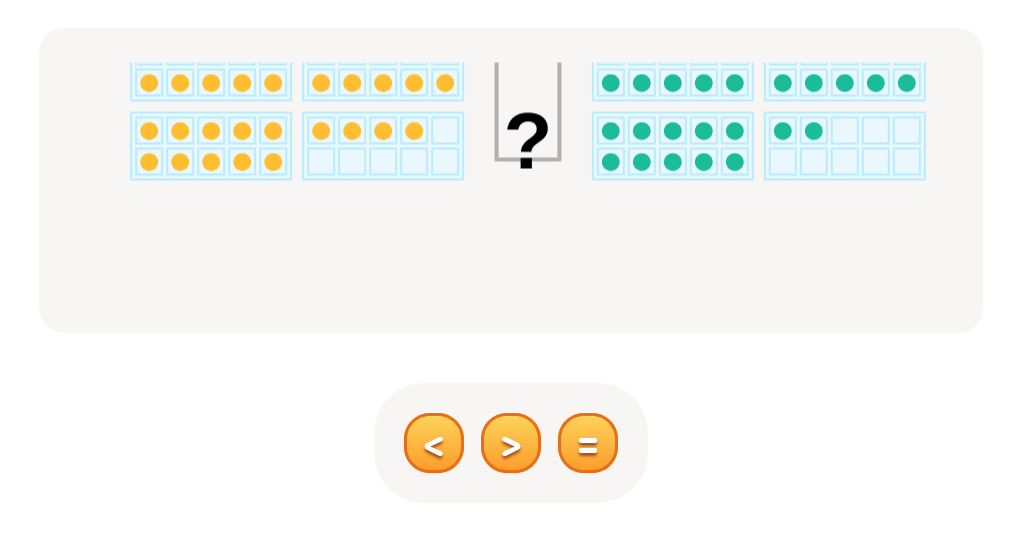

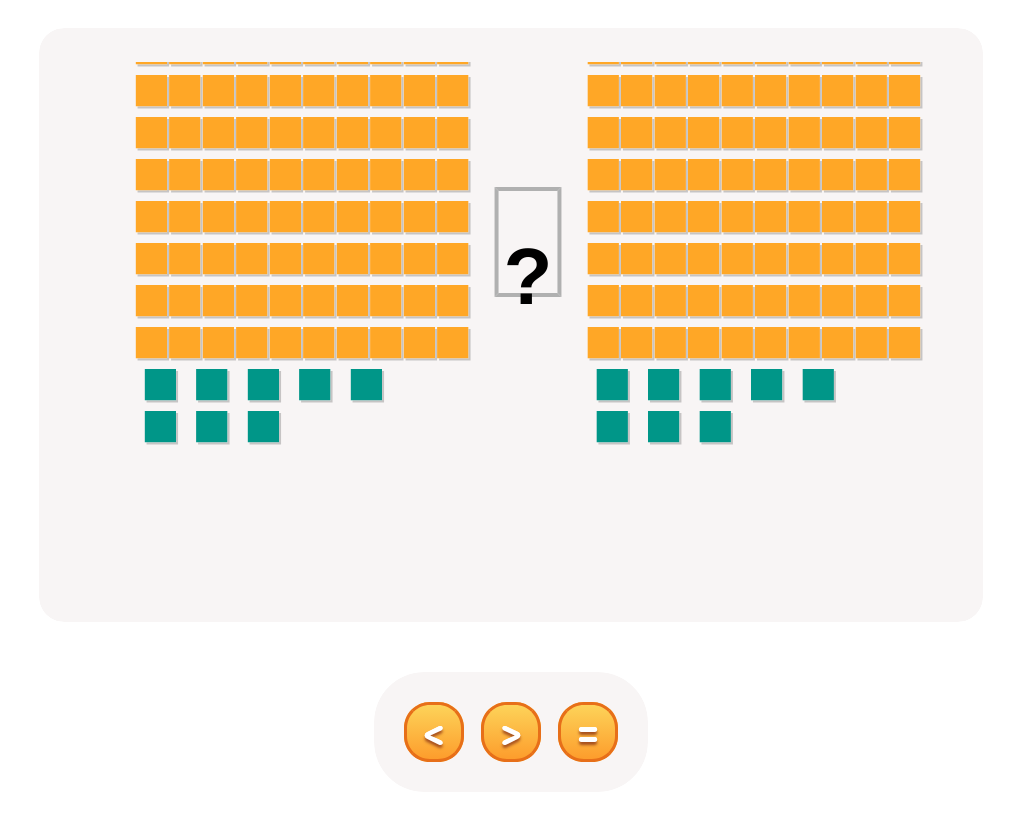
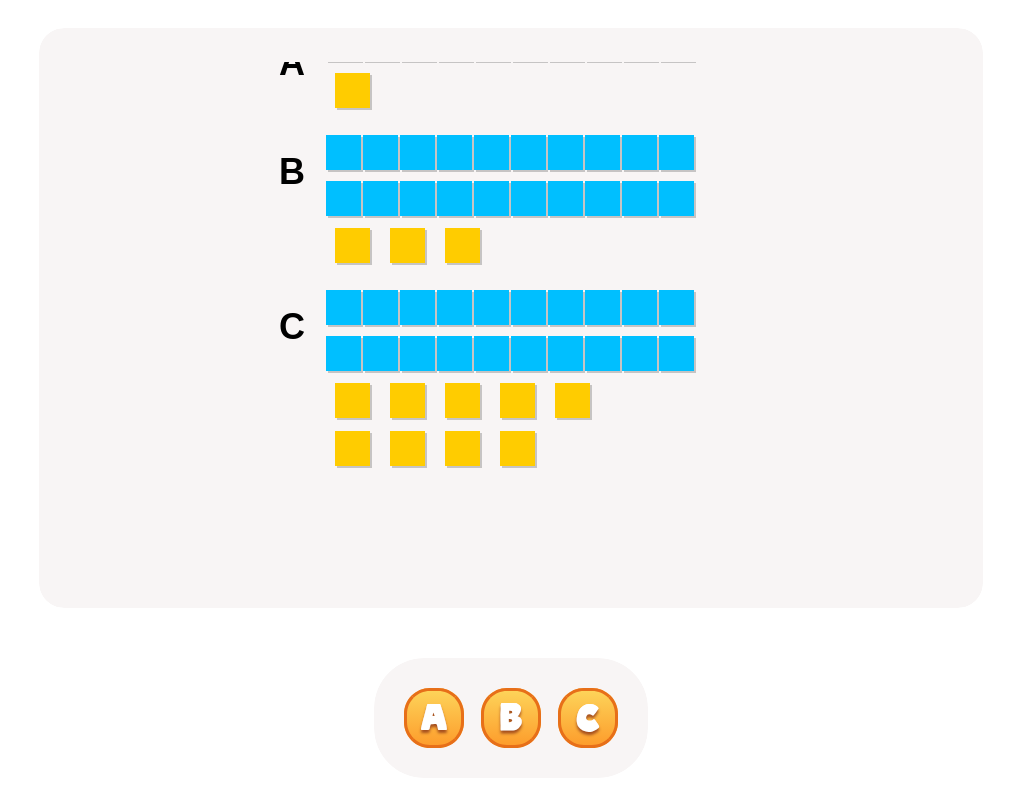
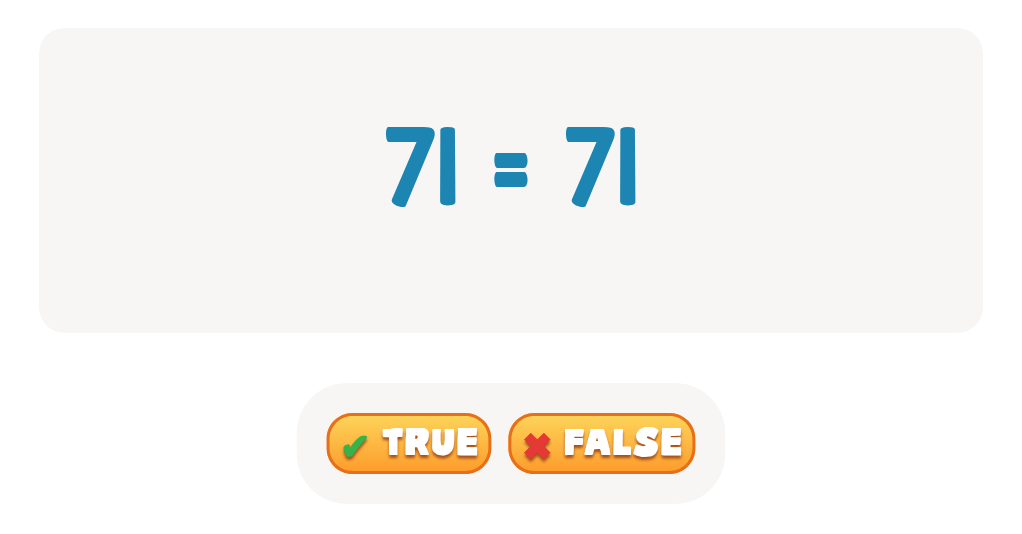
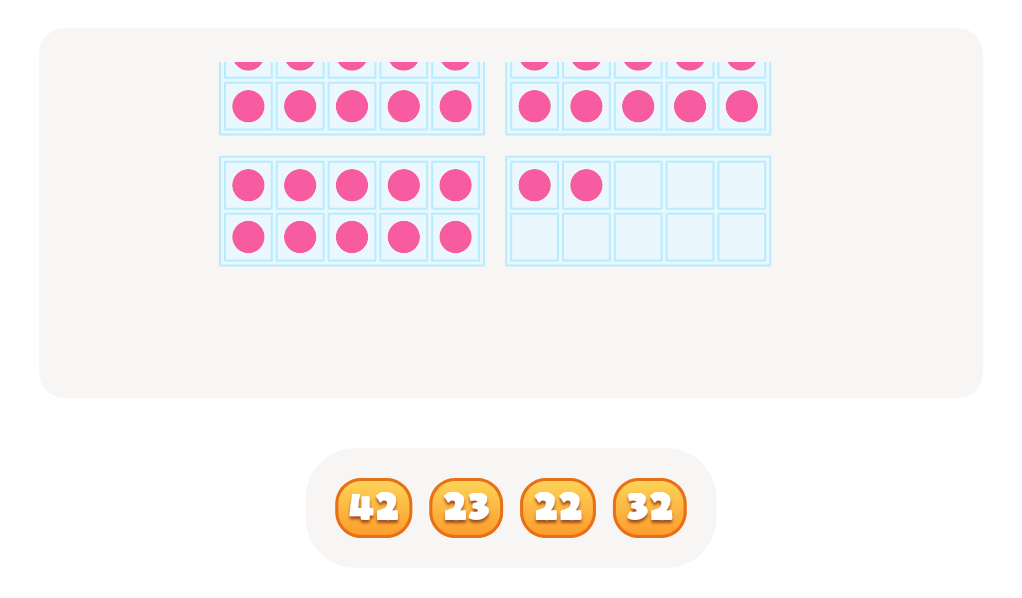
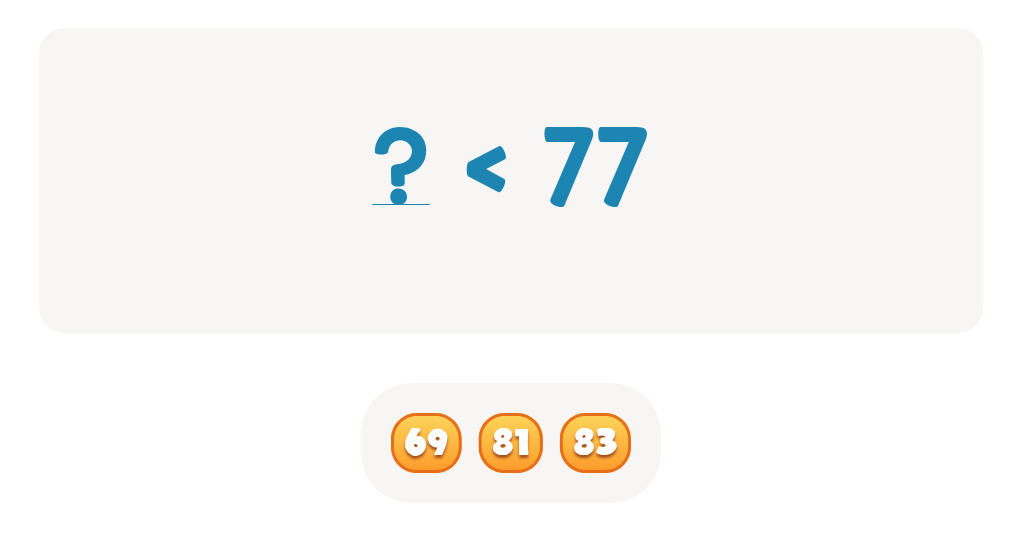
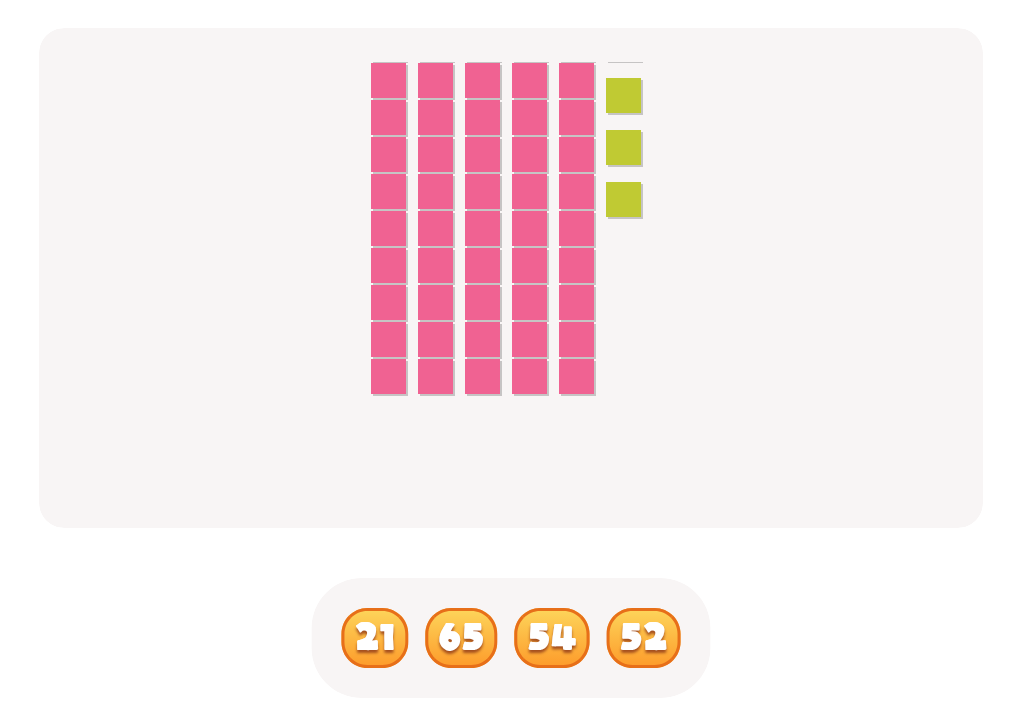
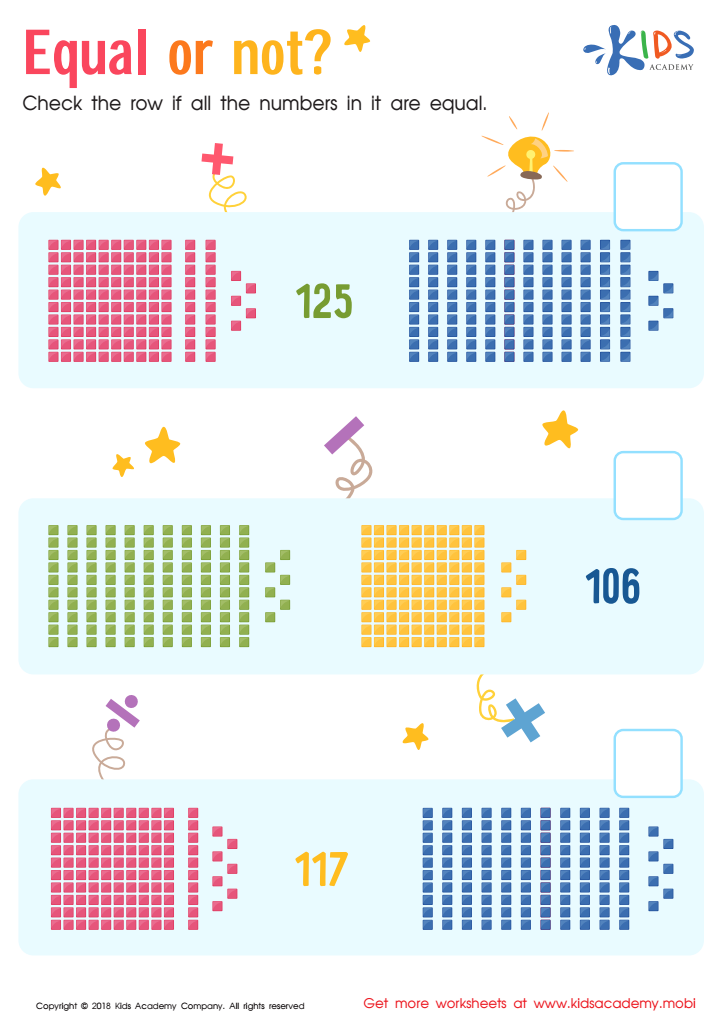
Equal or not Worksheet
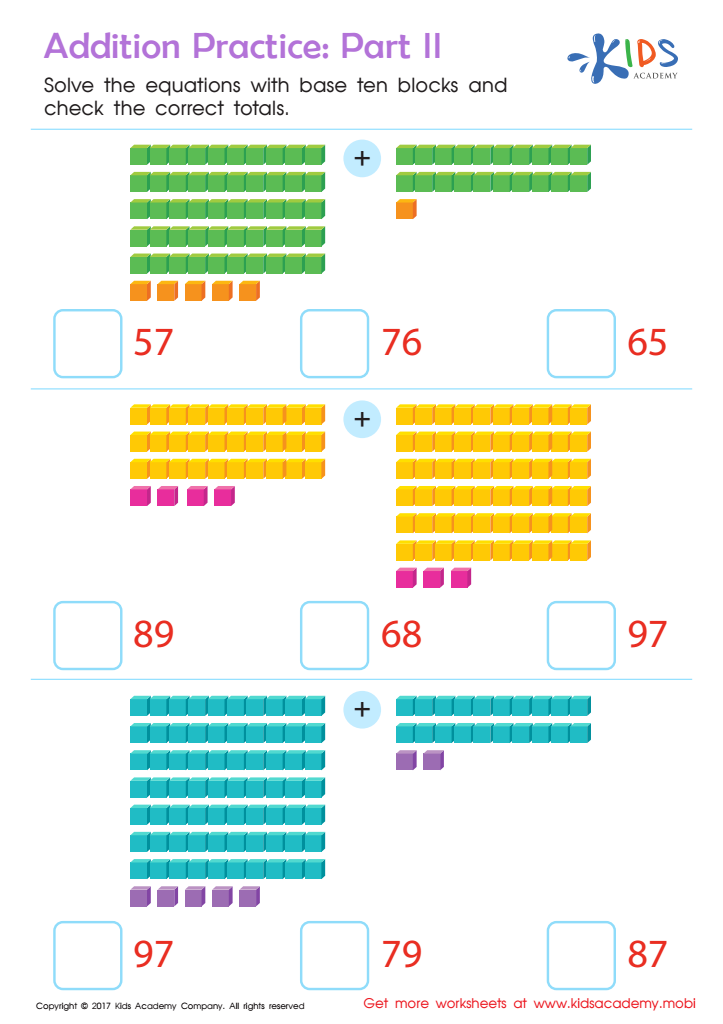
Addition Practice Sheet: Part 2
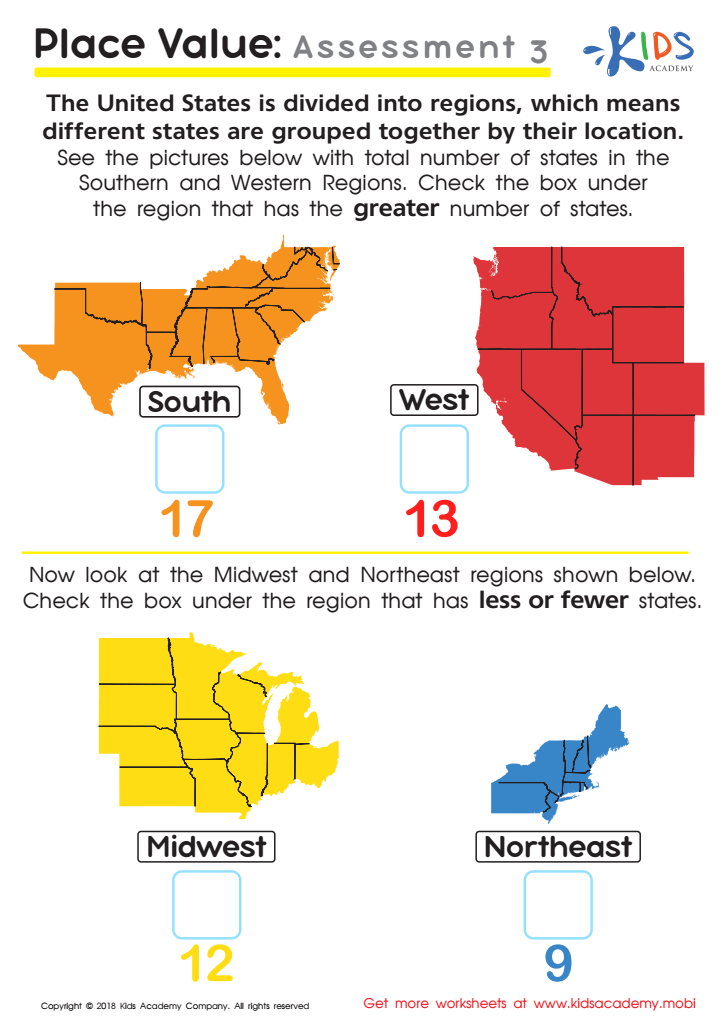
Place Value: Assessment 3 Worksheet
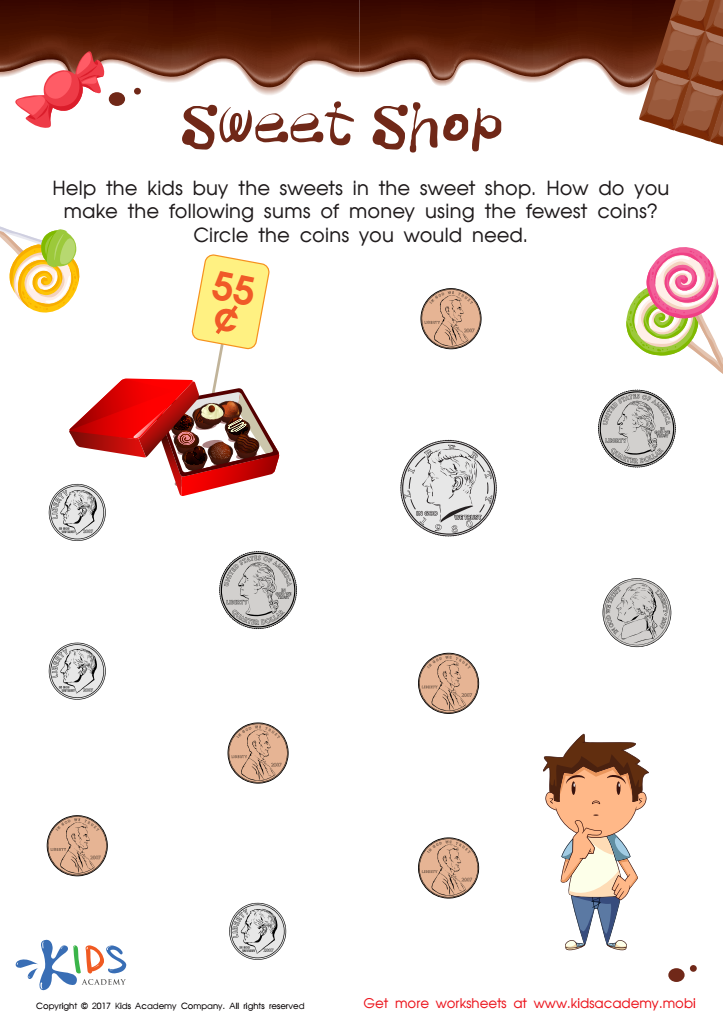
Sweet Shop – Counting Coins Worksheet








Understanding place value is crucial for children aged 7-9 because it forms the foundation for all higher-level math concepts. Place value refers to the value of each digit in a number based on its position. Grasping this concept helps children comprehend that the same digit can represent different values depending on where it is placed within a number, such as in the ones, tens, or hundreds place.
Mastery of place value enables children to perform arithmetic operations more effectively. For example, in addition and subtraction, students must understand how to regroup or borrow correctly. Place value comprehension also facilitates learning multiplication and division by helping students break down complex problems into simpler, more manageable steps.
Furthermore, a good grasp of place value aids in developing number sense, which is the ability to understand, relate, and connect numbers. This foundational skill promotes mental math strategies, enabling children to estimate, compare, and work with numbers flexibly and fluently.
Both parents and teachers play essential roles in nurturing these skills. When they provide robust, consistent practice through engaging and hands-on activities, they empower children to succeed in mathematics. With a solid foundation in place value, students are better prepared to handle more complex mathematical concepts in later grades, making it a critical educational milestone.








