
Following instructions Building Vocabulary Coloring Pages Worksheets for Ages 7-9
4 filtered results
Difficulty Level
Grade
Age
-
From - To
Subject
Activity
Standards
Unlock your child's potential with our "Following Instructions: Building Vocabulary Coloring Pages" worksheets designed specifically for ages 7-9! These engaging worksheets not only foster creativity through coloring but also enhance reading comprehension and vocabulary skills. Each page encourages your child to follow detailed instructions, promoting critical thinking and attention to detail. By combining art and learning, these activities make vocabulary acquisition fun and interactive. Perfect for home or classroom use, these resources provide a valuable foundation for literacy development. Watch as your child's confidence grows while they learn important skills in an enjoyable and colorful way!
Favorites
With answer key
Interactive
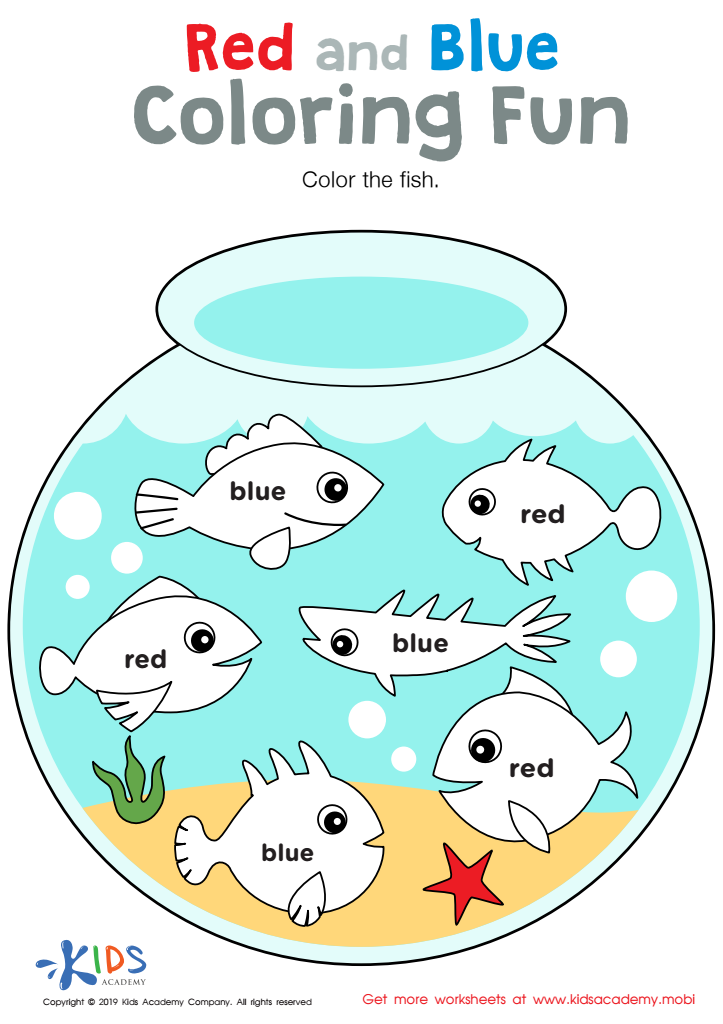
Red and Blue Coloring Fun Worksheet
Kids know colors like red and blue. But can they read these words? Give them practice with this fun fish bowl coloring sheet. They'll look at the fish, then color them the corresponding hue. Home or classroom, they'll be sure to get a kick out of learning colors in this creative way!
Download (PDF)
 Assign to My Students
Assign to My Students
Red and Blue Coloring Fun Worksheet
Worksheet
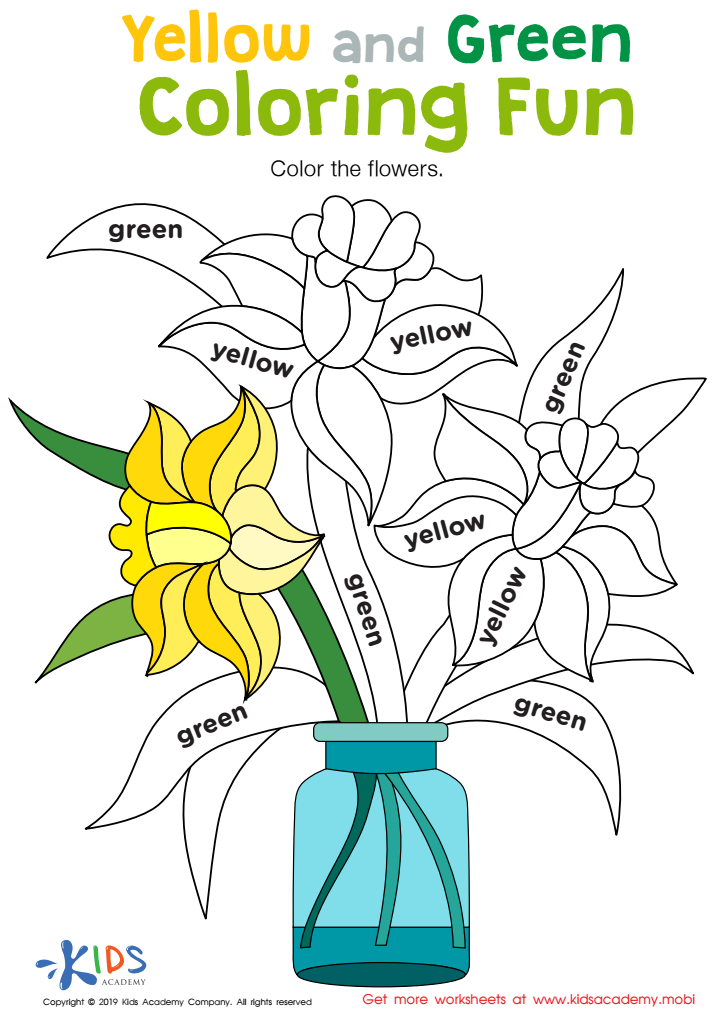
Yellow and Green Coloring Fun Worksheet
Sight words like "yellow" and "green" are easy to teach and fun for kids to learn. This free downloadable worksheet has kids read the color words and color the flower with yellow and green. A great activity for learning to read color words!
Download (PDF)
Assign to My Students
Assign to My Students
Yellow and Green Coloring Fun Worksheet
Worksheet
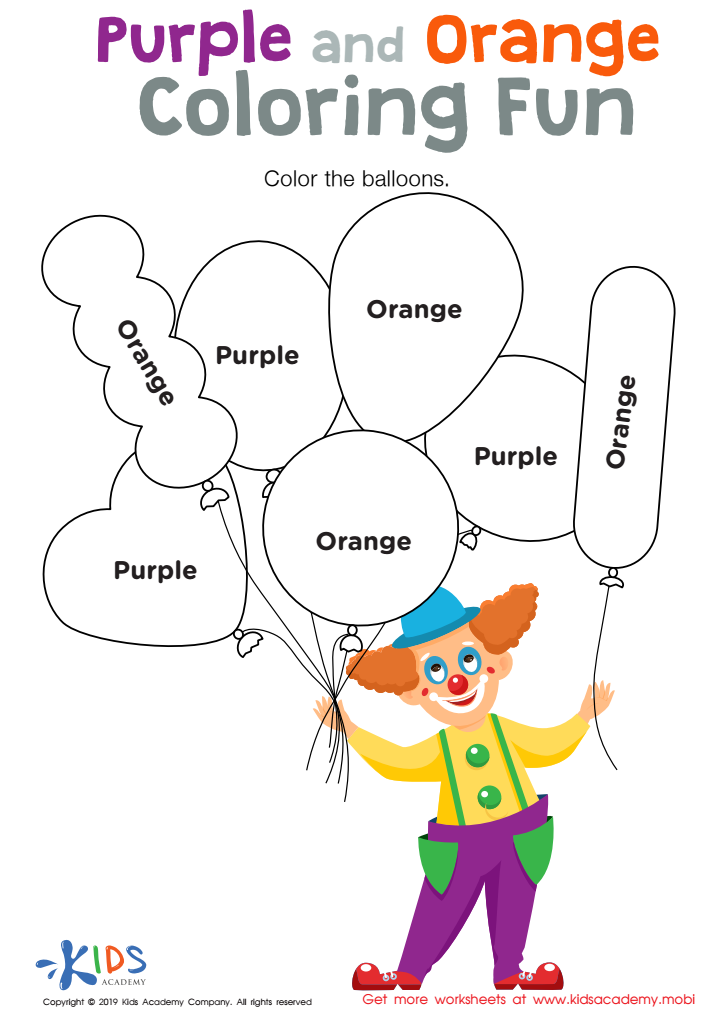
Purple and Orange Coloring Fun Worksheet
Children should learn to read color words early on. This coloring worksheet helps with that! Kids read the words "purple" and "orange" on each balloon and color them accordingly. It's a great activity for boosting literacy and having fun at the same time! Watch your child gain more reading confidence with this cute clown printable.
Download (PDF)
Assign to My Students
Assign to My Students
Purple and Orange Coloring Fun Worksheet
Worksheet
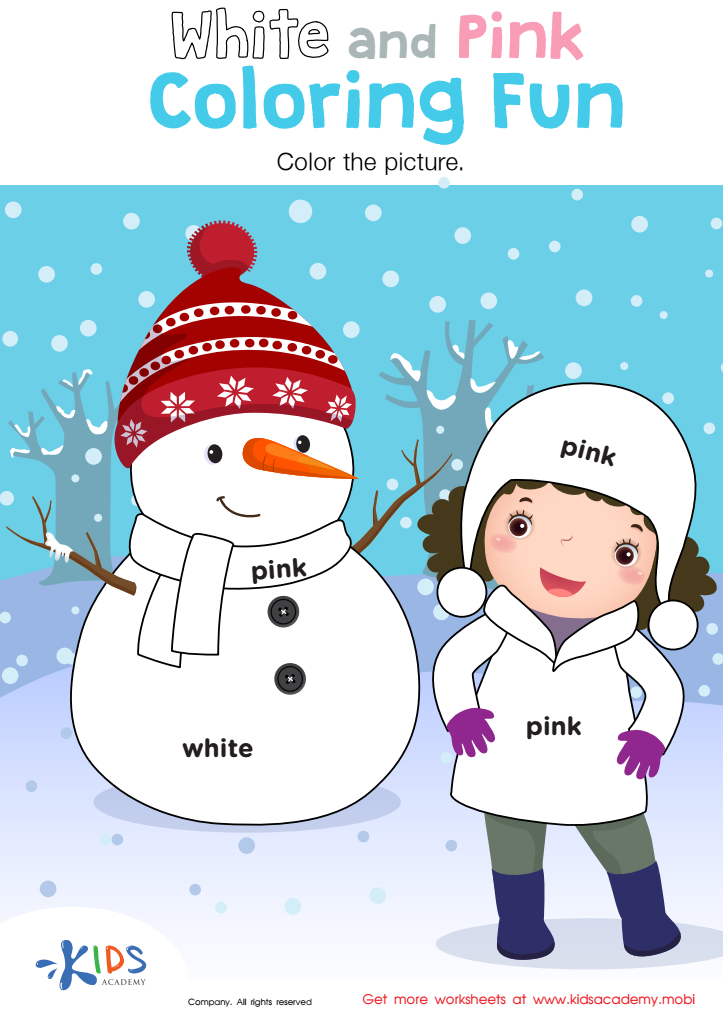
White and Pink Coloring Fun Worksheet
Preschoolers and kindergarten students can practice reading sight words with this fun worksheet, featuring a winter scene. Have them color the snowman white and the clothing pink. This activity is a great way to learn common sight words like white and pink and help them become confident, fluent readers.
Download (PDF)
Assign to My Students
Assign to My Students
White and Pink Coloring Fun Worksheet
Worksheet
Join Kids Academy for Free
Who is primarily going to use this learning content?



Parents and teachers should prioritize following instructions and building vocabulary through activities like coloring pages for ages 7-9, as these skills are foundational for a child's development. Following instructions hones comprehension and attention to detail, essential for academic success and daily tasks. Mastery of this skill fosters independence and boosts a child's confidence, making them more adept learners.
Building vocabulary is equally crucial at this age, as it directly influences reading comprehension and effective communication. A rich vocabulary enhances a child's ability to express thoughts and emotions clearly and fosters a love for reading, opening doors to new knowledge and experiences.
Coloring pages are an engaging tool that supports both of these skills. They often include instructions that help children practice following directions while stimulating their creativity. Moreover, many coloring pages incorporate vocabulary-rich themes, exposing children to new words in a fun context.
By engaging with these activities, children develop critical thinking and problem-solving skills and a deeper appreciation for art and language. Ultimately, fostering these abilities in young learners sets the stage for lifelong learning and positive interactions, benefitting them in school and beyond.








