Reading comprehension Building Vocabulary Coloring Pages Worksheets for Ages 7-9
4 filtered results
-
From - To
Enhance your child's vocabulary and reading comprehension with our engaging Reading Comprehension Building Vocabulary Coloring Pages Worksheets tailored for ages 7-9. These interactive worksheets seamlessly combine fun coloring activities with effective vocabulary-building exercises, ensuring that young learners remain captivated while improving their reading skills. Each worksheet is expertly designed to challenge and inspire students, fostering better understanding of context and nuances of language. Perfect for both classroom settings and home learning, these worksheets provide a delightful way to enrich your child's educational journey, ensuring they develop a robust foundation in vocabulary and comprehension. Boost their confidence and skills with our unique learning resources!
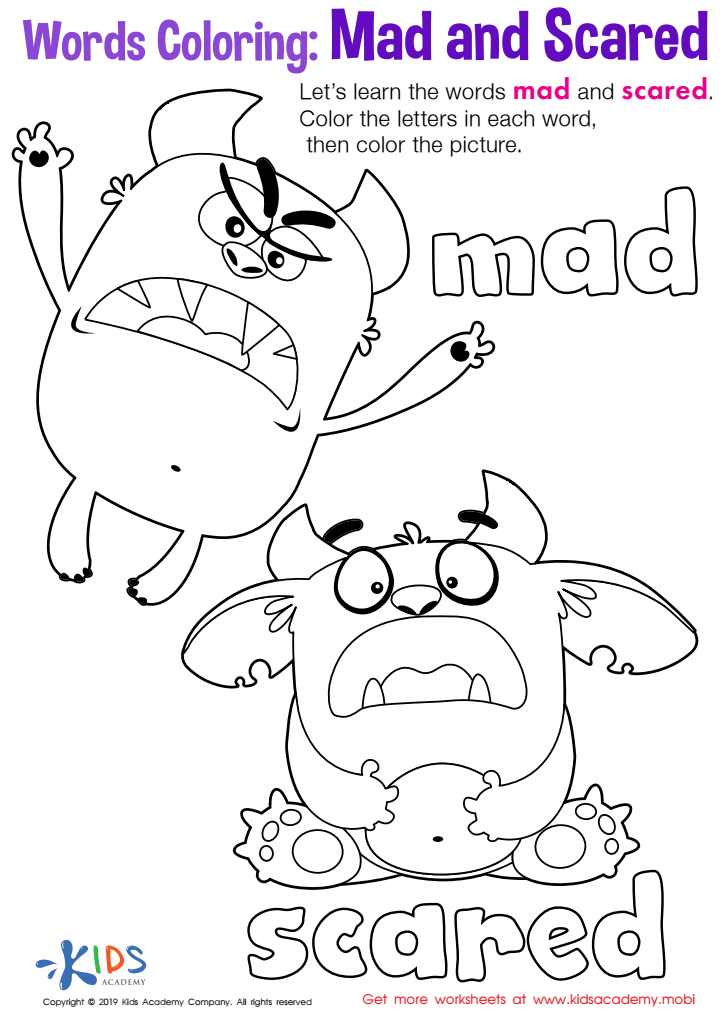
Mad and Scared Words Coloring Worksheet
 Assign to My Students
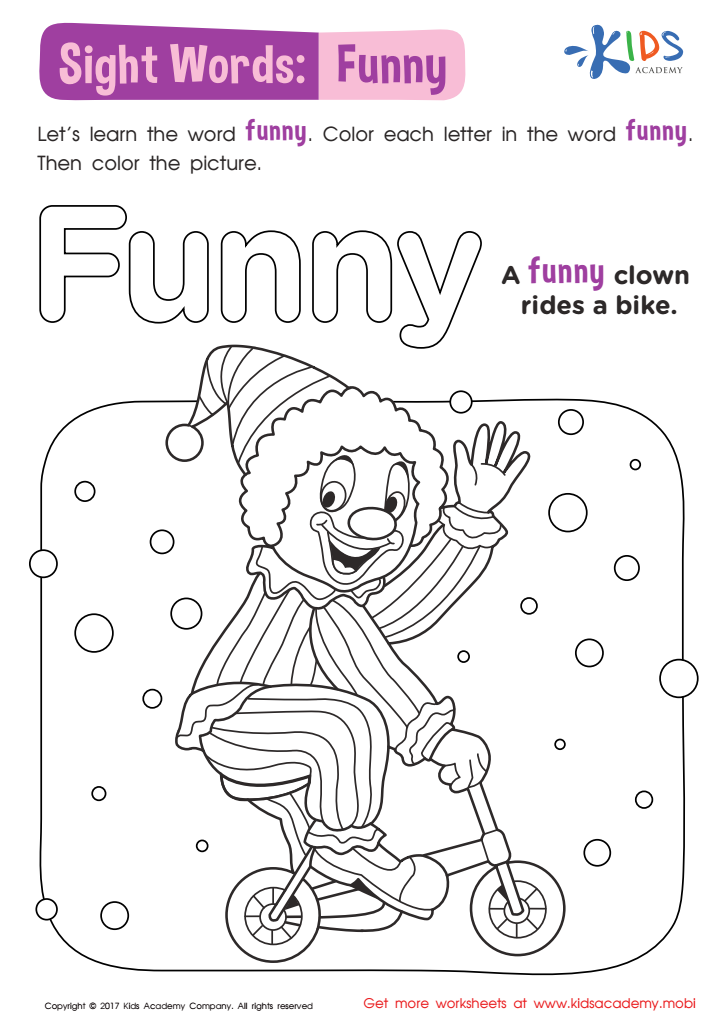
Funny Worksheet Sight Words Worksheet
Assign to My Students

Long and Short E Worksheet
Assign to My Students
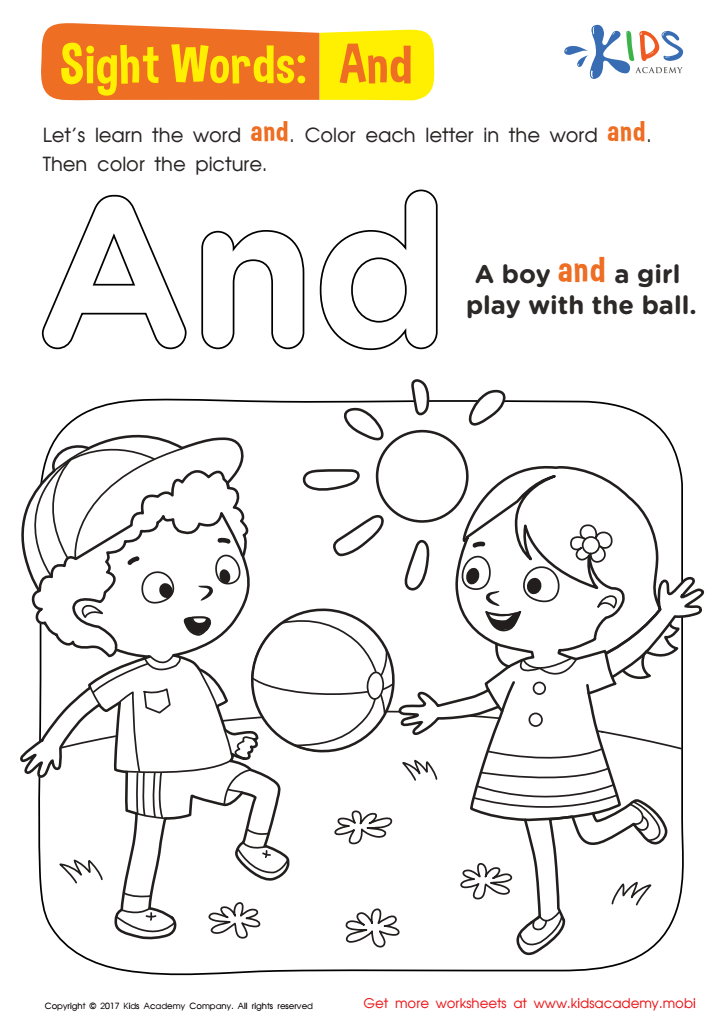
And Worksheet Sight Words Worksheet
Assign to My Students



Parents and teachers should prioritize reading comprehension, building vocabulary, and utilizing coloring pages for ages 7-9 because these activities lay a foundational groundwork for future academic success and cognitive development. At this age, children transition from learning to read to reading to learn. Enhancing reading comprehension ensures they can grasp the information and ideas presented in texts, aiding in other subjects like science and social studies. A robust vocabulary equips them with words needed to express themselves clearly and understand diverse literature.
Coloring pages, often seen as simple and fun, are surprisingly beneficial as well. They help improve fine motor skills, necessary for writing. When integrated with vocabulary words or reading comprehension topics, these activities make learning interactive and enjoyable, fostering a love for reading and learning. Moreover, engaging with such multifaceted tasks stimulates brain regions responsible for creativity and critical thinking. The combination of these practices supports holistic education, blending cognitive, linguistic, and artistic growth. This holistic approach is essential during the early, formative years, setting the stage for lifelong learning skills and a well-rounded education. Thus, incorporating these activities isn't just about immediate benefits—it's a lasting investment in their intellectual and personal development.








