Addition Practice Building Vocabulary Worksheets for Ages 7-9
5 filtered results
-
From - To
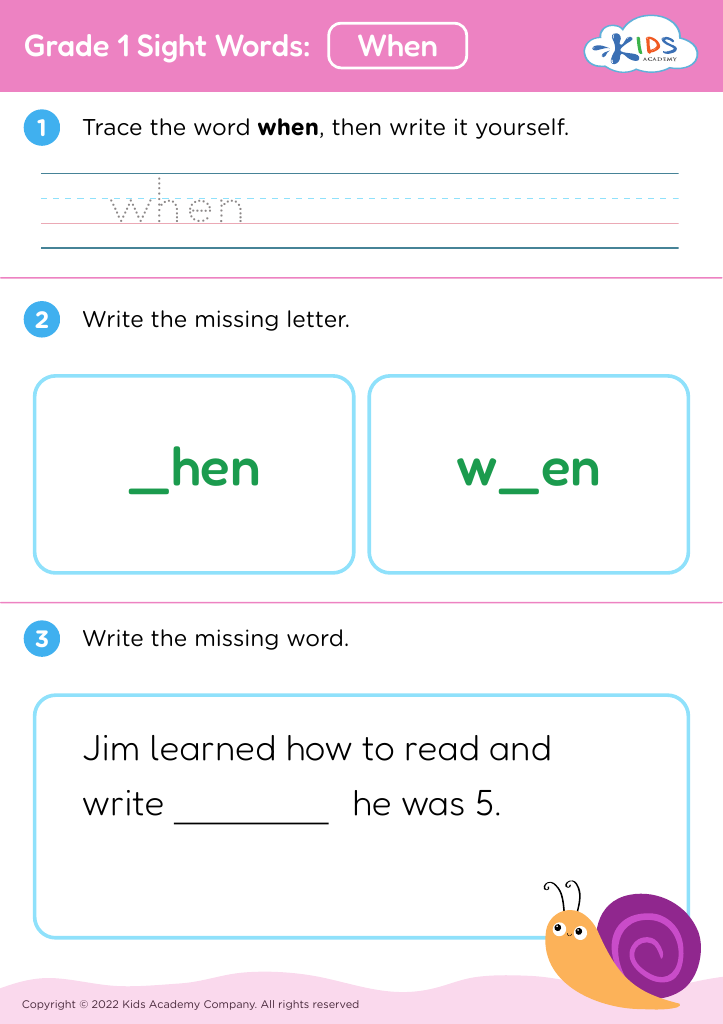
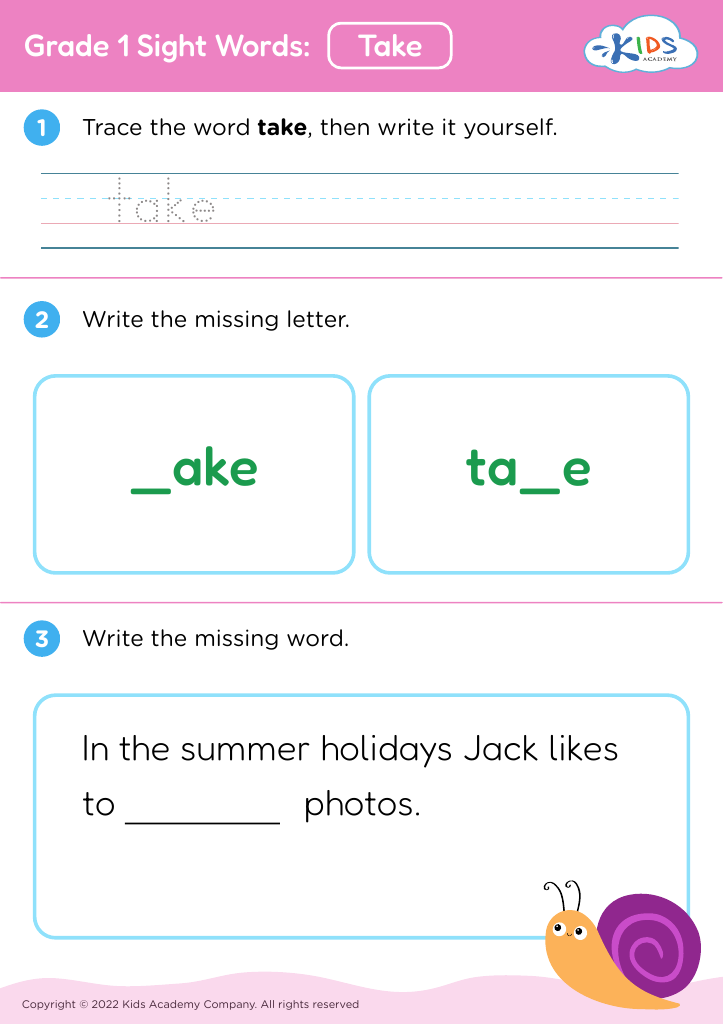
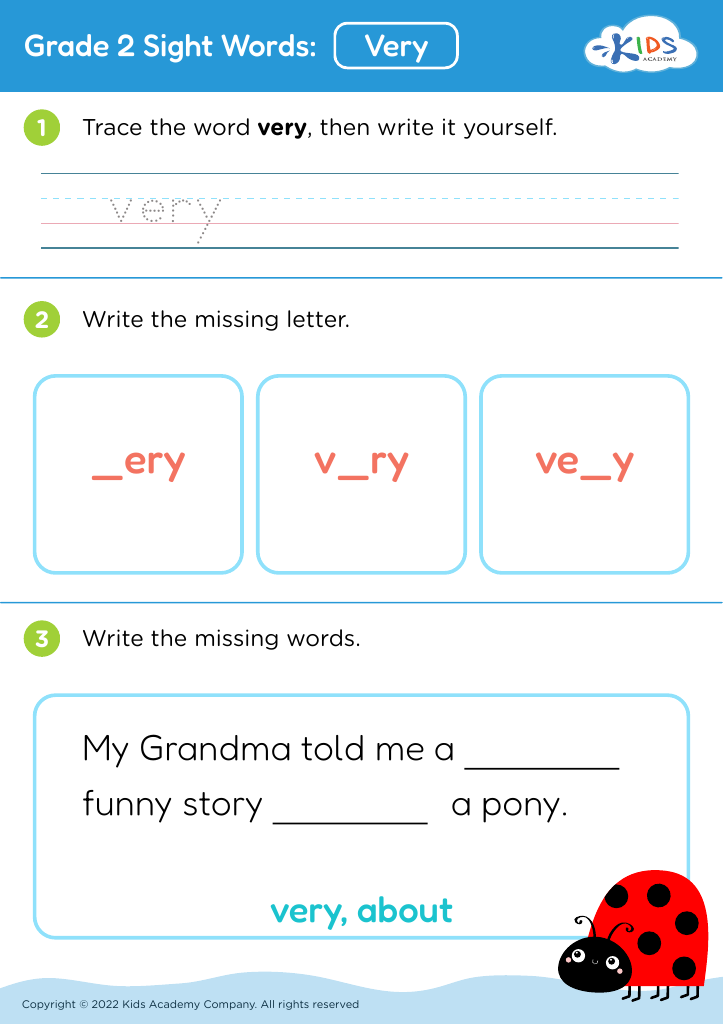
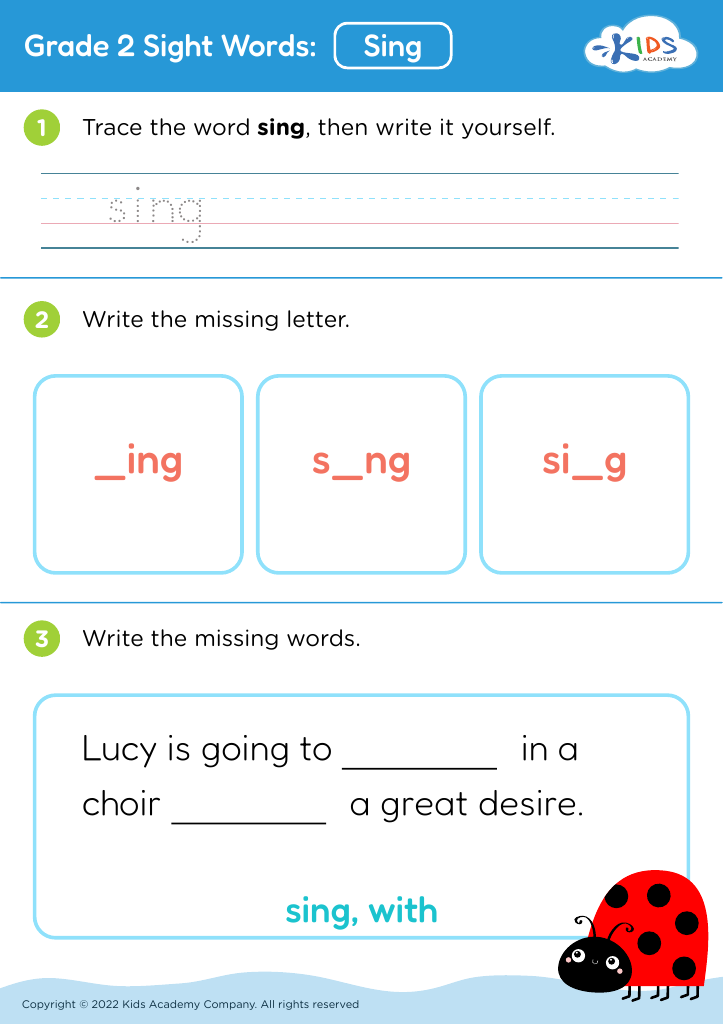
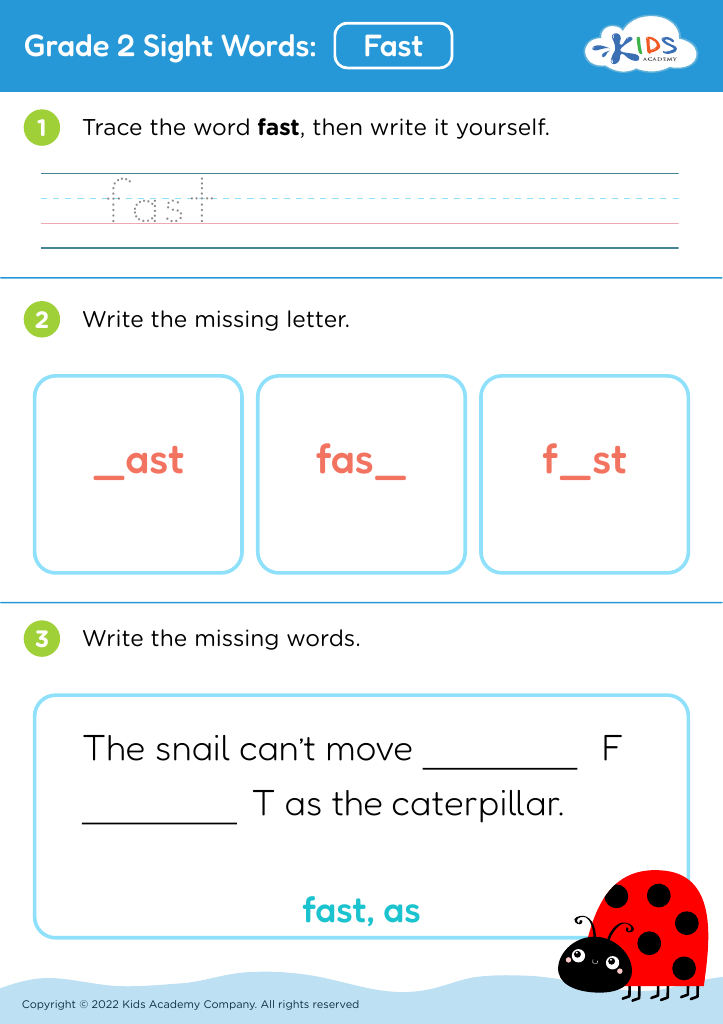
Enhance your child's math skills with our fun and engaging "Addition Practice Building Vocabulary Worksheets" designed specifically for ages 7-9. Our carefully crafted worksheets combine addition practice with vocabulary development, creating a unique learning experience. By solving addition problems, students will encounter new words that reinforce their mathematical understanding and enhance their language skills. These worksheets are perfect for classroom activities or at-home learning. Encourage a love for numbers and words alike, as children improve their problem-solving abilities in a playful and supportive environment. Download and print our worksheets to help your child thrive in both math and vocabulary today!


















.jpg)
Parents and teachers should prioritize Addition Practice Building Vocabulary for children aged 7-9 because both foundational math skills and language development are crucial during these formative years. At this age, children are transitioning from basic arithmetic to more complex problem-solving. Strengthening their addition skills not only enhances mathematical understanding but also builds confidence, which is essential for their overall academic growth.
Moreover, teaching addition alongside vocabulary encourages children to articulate their thought processes, fostering critical thinking and communication skills. Engaging with mathematical vocabulary helps them understand instructions and apply concepts more effectively. For instance, words like "sum," "more," and "total" become integral parts of their math conversations, making it easier for them to approach word problems confidently.
Additionally, incorporating vocabulary building elevates logical reasoning and comprehension. It encourages students to read math problems carefully and extract relevant information, helping them in both math and language subjects. By bridging these skills, parents and educators equip children with tools they will use throughout their education and everyday life. Investing time in building a child's addition skills and vocabulary not only improves their math capability but also enriches their literacy skills, ensuring a well-rounded foundation for future learning.








