Basic Math Skills Building Vocabulary Worksheets for Ages 7-9
10 filtered results
-
From - To
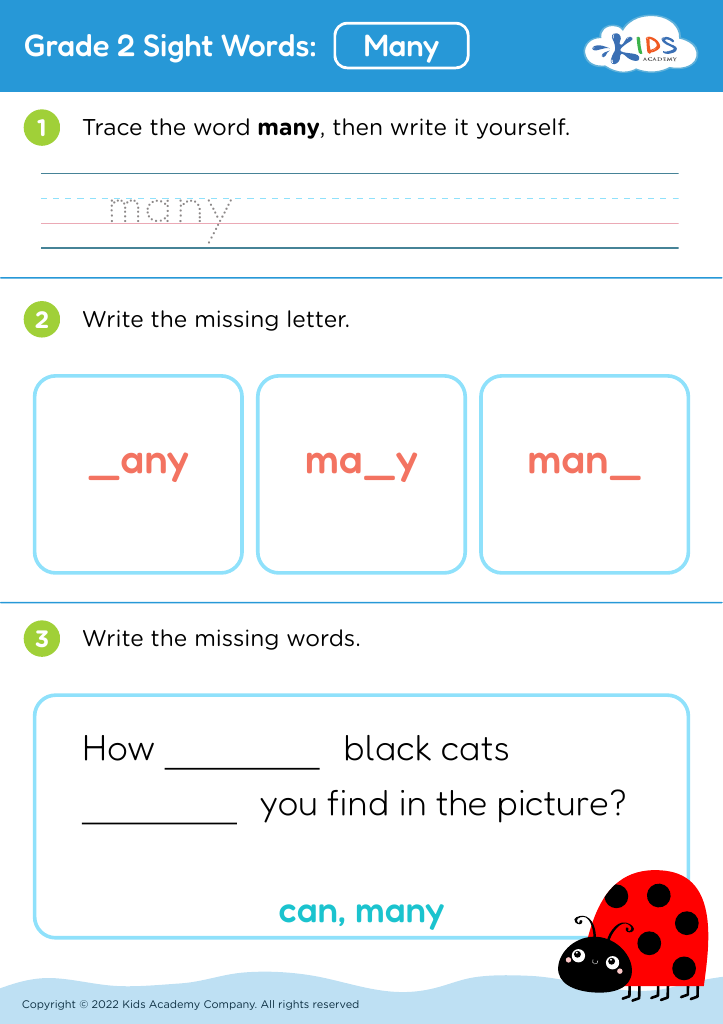
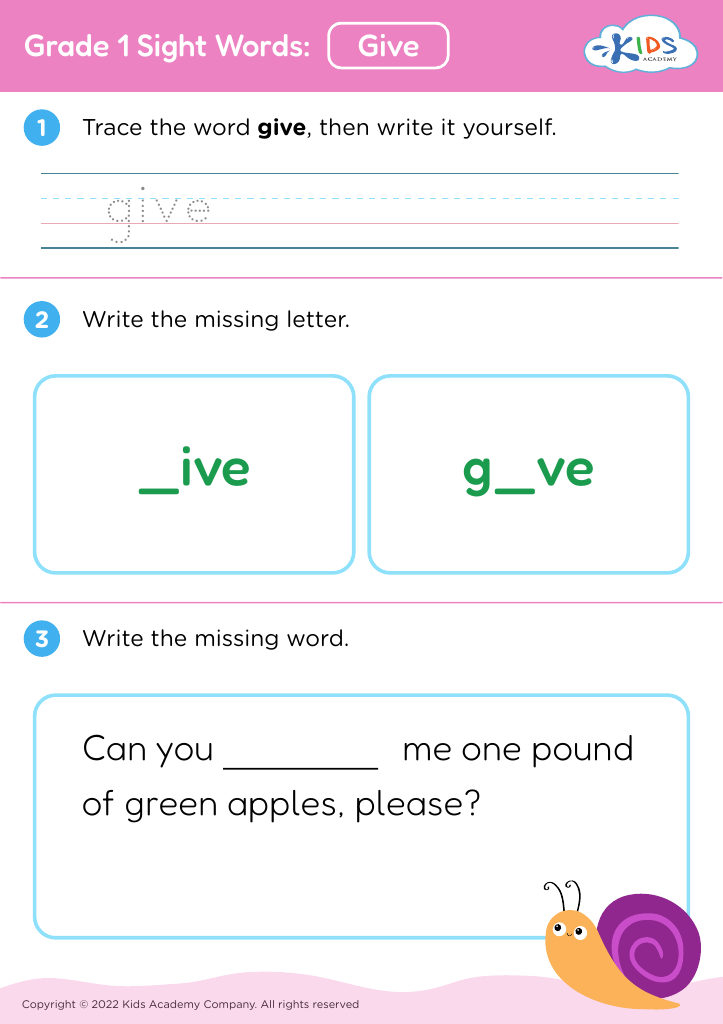
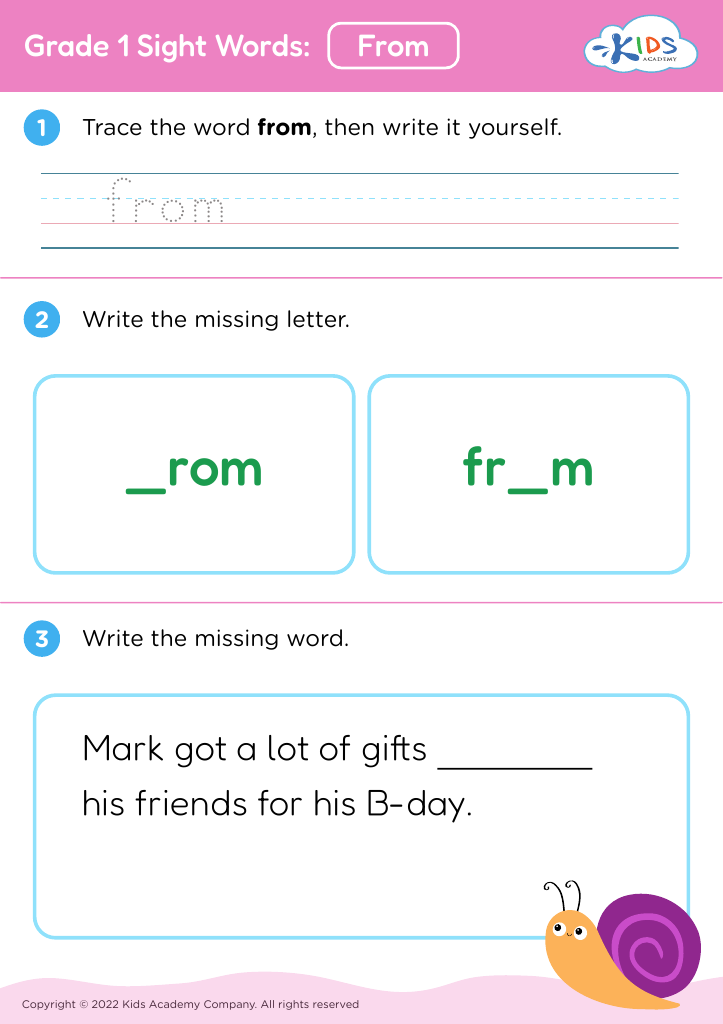
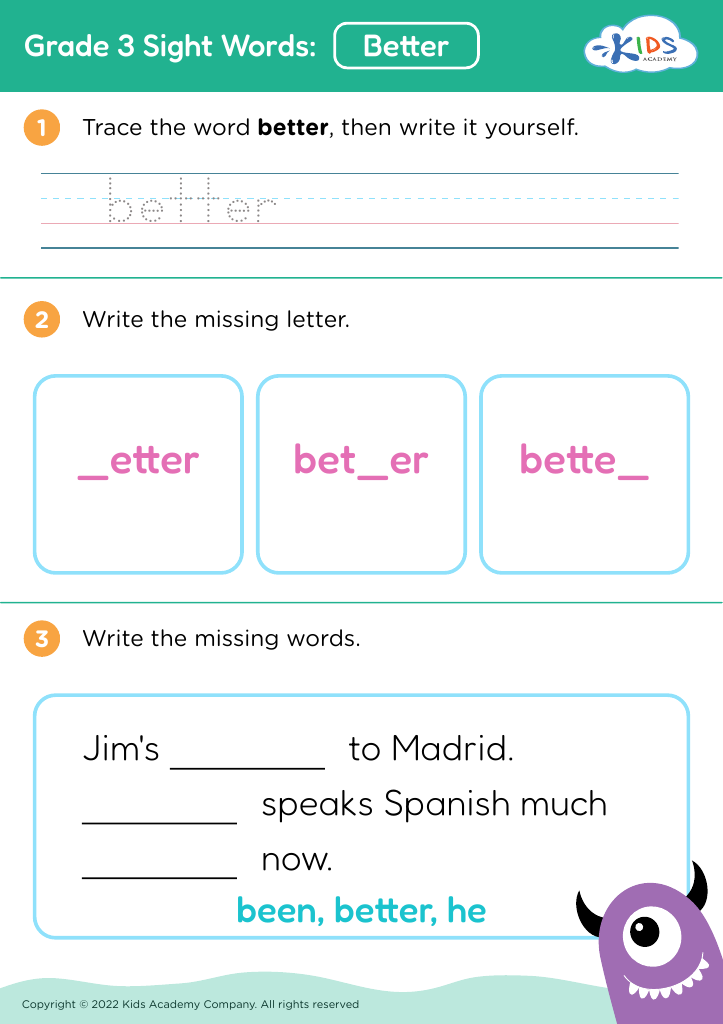
Enhance your child's math abilities with our Basic Math Skills Building Vocabulary Worksheets, designed specifically for ages 7-9. These engaging worksheets provide a fun and interactive way for children to build essential math vocabulary while developing critical thinking skills. From addition and subtraction to basic geometry and measurement, each worksheet promotes understanding and reinforces key concepts. Perfect for home or classroom use, our printable resources foster a love for learning and help children gain confidence in their math skills. Explore our collection and empower your young learners to excel in their mathematical journey! Ideal for teachers and parents alike.
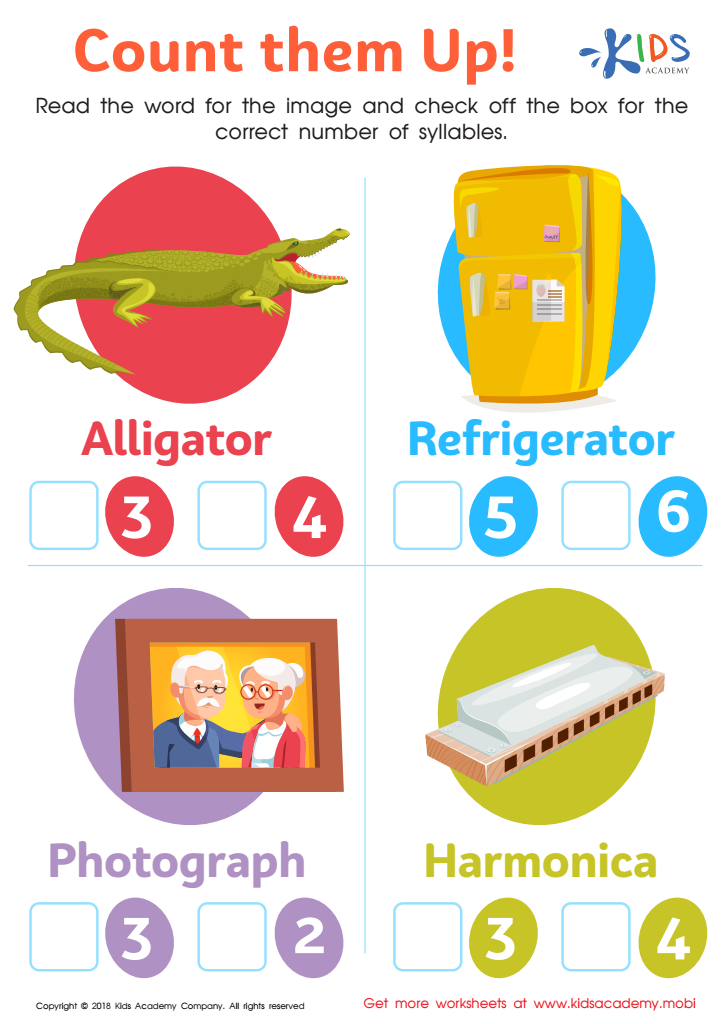
Count Them Up Worksheet
 Assign to My Students













.jpg)


.jpg)

Building a strong foundation in basic math skills for children aged 7-9 is crucial for their overall academic development and future success. At this stage, students are beginning to encounter more complex mathematical concepts, making it essential to develop a robust math vocabulary. A rich mathematical vocabulary enables children to communicate their understanding of ideas effectively and reason through problems confidently.
Parents and teachers should prioritize this vocabulary building because it supports critical thinking and enhances comprehension. When children know the language of math—terms like “sum,” “difference,” “symmetric," and “equivalent”—they can better grasp concepts, understand instructions, and articulate their thought processes. This clarity not only aids in problem-solving but also helps alleviate frustration when facing new challenges.
Moreover, a solid math vocabulary contributes to a child's enjoyment of math. It allows for greater engagement during discussions and collaborative work. Children who can express themselves using the appropriate terminology are more likely to feel competent and motivated. Consequently, fostering basic math skills and vocabulary is foundational in turning potentially negative experiences with math into positive ones, setting the stage for successful lifelong learning in mathematics and related fields. Overall, investing time and resources in this area greatly benefits both students and their educational environments.








