Enhance your child's mathematical and linguistic skills with our "Comparing Fractions Building Vocabulary Worksheets for Ages 7-9." These engaging worksheets combine fraction comparison exercises with vocabulary building activities to support holistic learning. Designed for young learners, the tasks ensure that students grasp fundamental fraction concepts while expanding their vocabulary in a fun and interactive way. Ideal for grades 2-4, our resources feature colorful illustrations, clear instructions, and practical examples that make learning enjoyable and effective. Perfect for both classroom and home use, these worksheets are an excellent tool for fostering a deeper understanding of mathematics and language arts.

Check out this FREE Trial Lesson on Building Vocabulary for age 7-9!

Match Exactly the Same

Favorites
With answer key
Interactive
  • 7-9
  • Comparing Fractions
  • Building Vocabulary
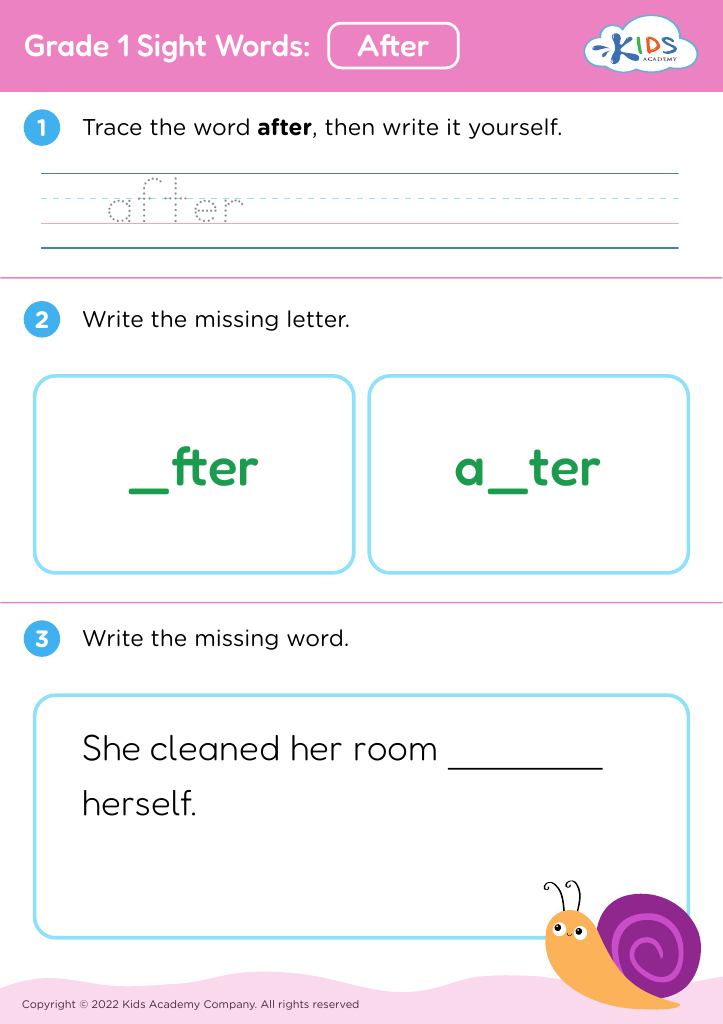
Grade 1 Sight Words: After

Grade 1 Sight Words: After

Grade 1 Sight Words: After
Worksheet
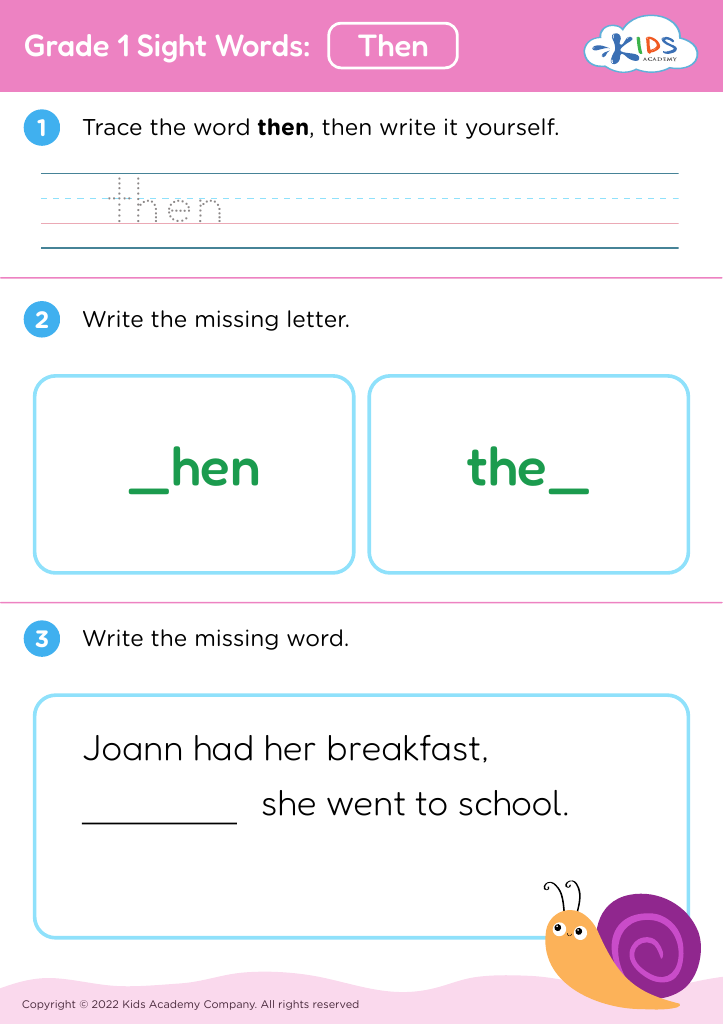
Grade 1 Sight Words: Then

Grade 1 Sight Words: Then

Grade 1 Sight Words: Then
Worksheet
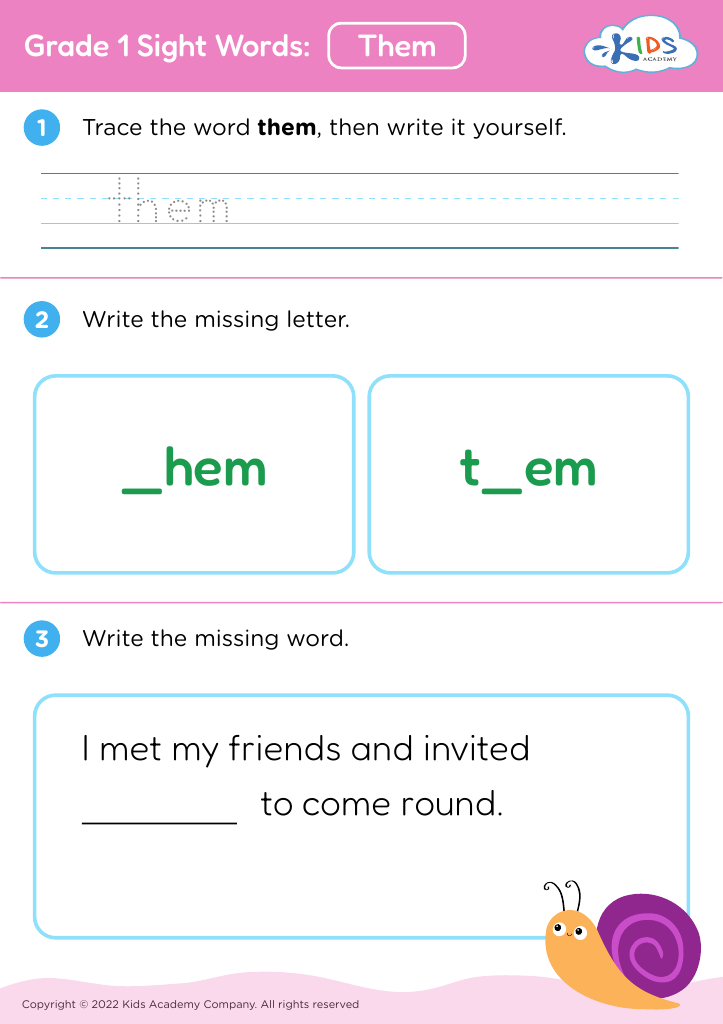
Grade 1 Sight Words: Them

Grade 1 Sight Words: Them

Grade 1 Sight Words: Them
Worksheet
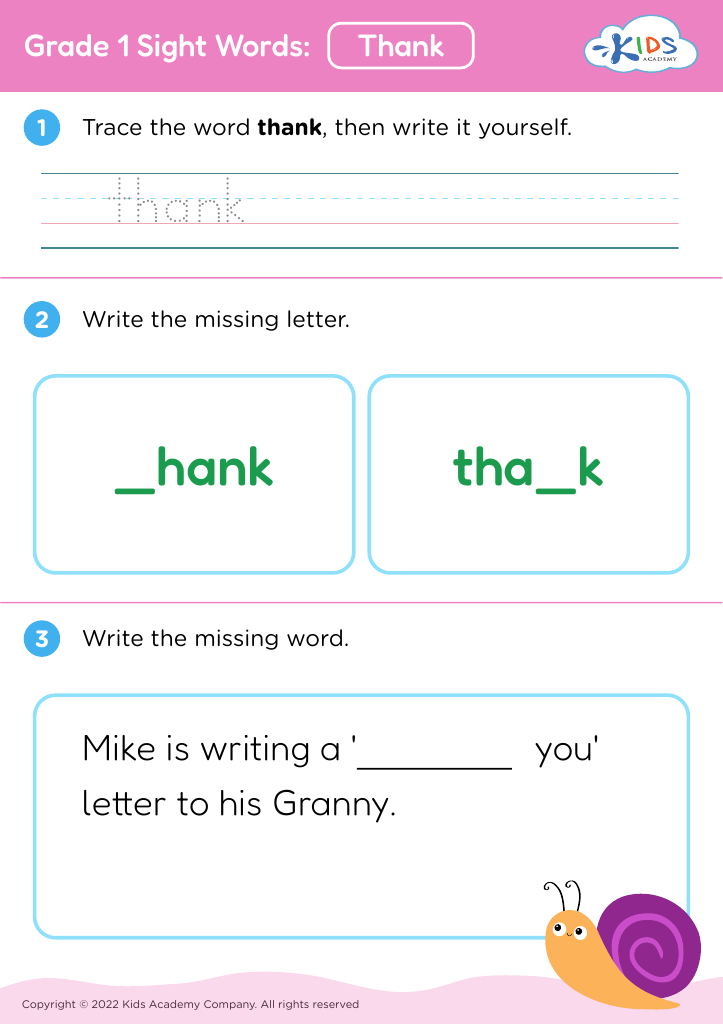
Grade 1 Sight Words: Thank

Grade 1 Sight Words: Thank

Grade 1 Sight Words: Thank
Worksheet
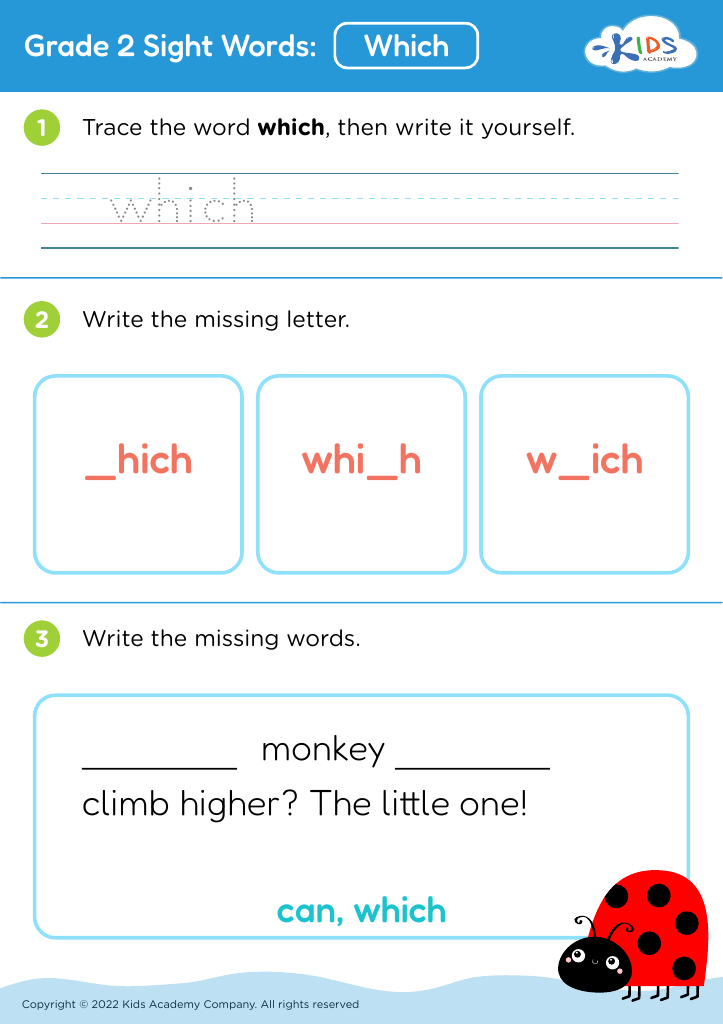
Grade 2 Sight Words: Which

Grade 2 Sight Words: Which

Grade 2 Sight Words: Which
Worksheet
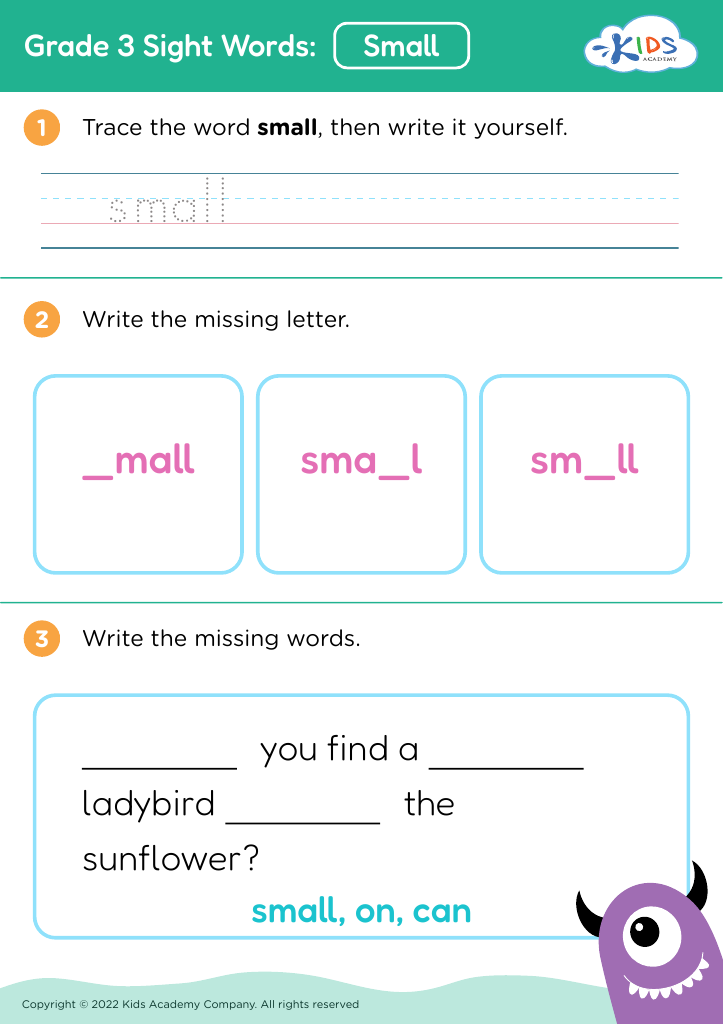
Grade 3 Sight Words: Small

Grade 3 Sight Words: Small

Grade 3 Sight Words: Small
Worksheet
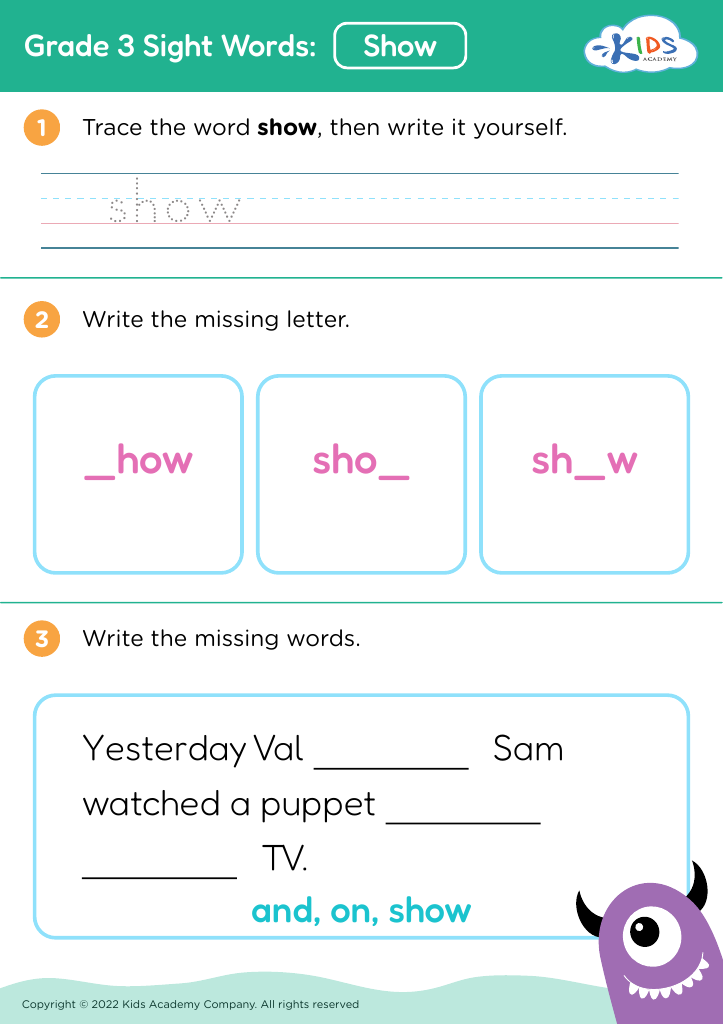
Grade 3 Sight Words: Show

Grade 3 Sight Words: Show

Grade 3 Sight Words: Show
Worksheet
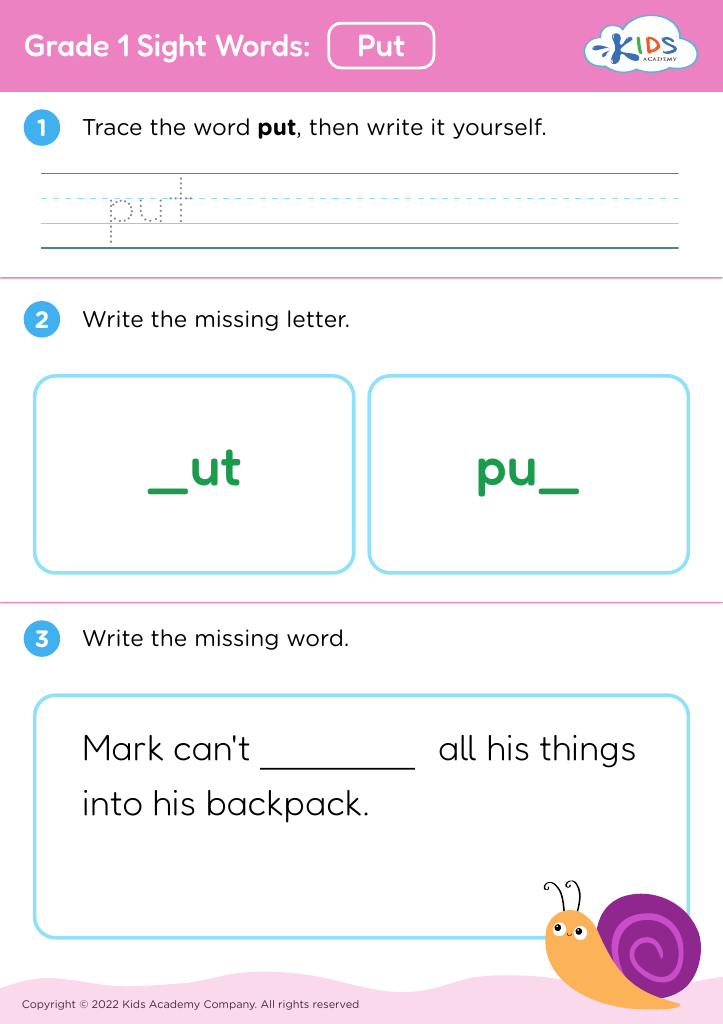
Grade 1 Sight Words: Put

Grade 1 Sight Words: Put

Grade 1 Sight Words: Put
Worksheet
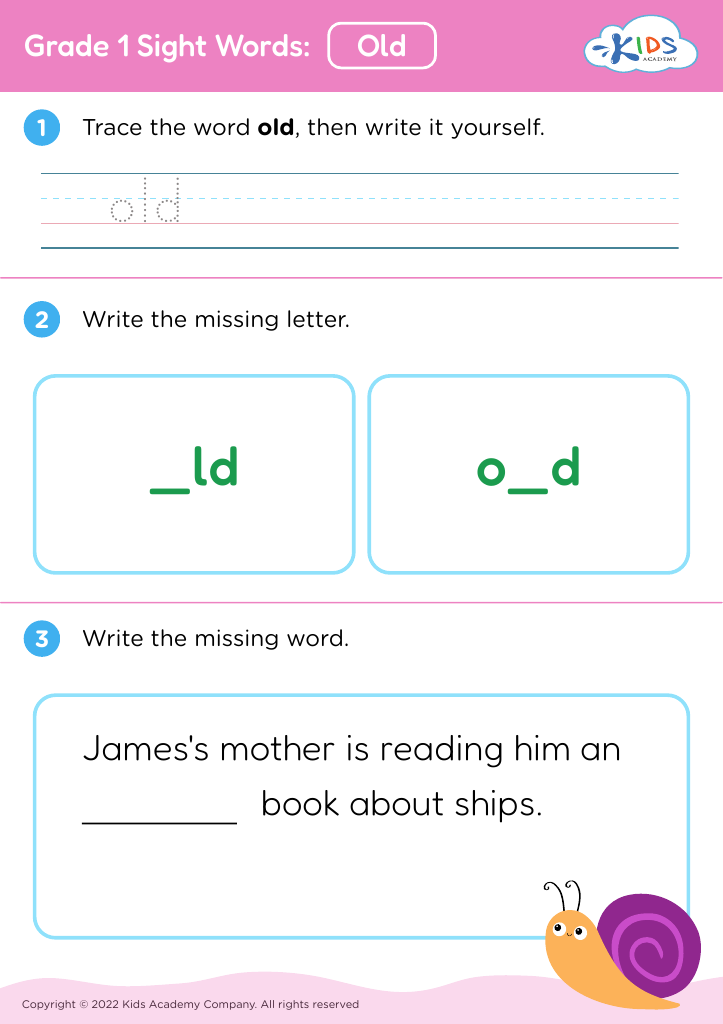
Grade 1 Sight Words: Old

Grade 1 Sight Words: Old

Grade 1 Sight Words: Old
Worksheet
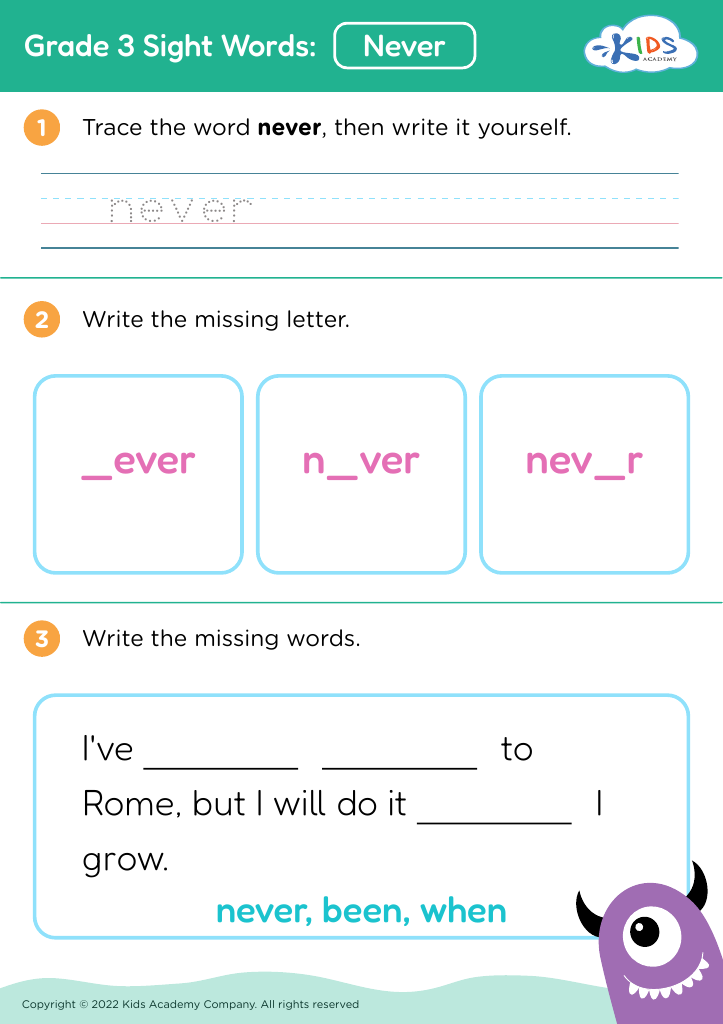
Grade 3 Sight Words: Never

Grade 3 Sight Words: Never

Grade 3 Sight Words: Never
Worksheet
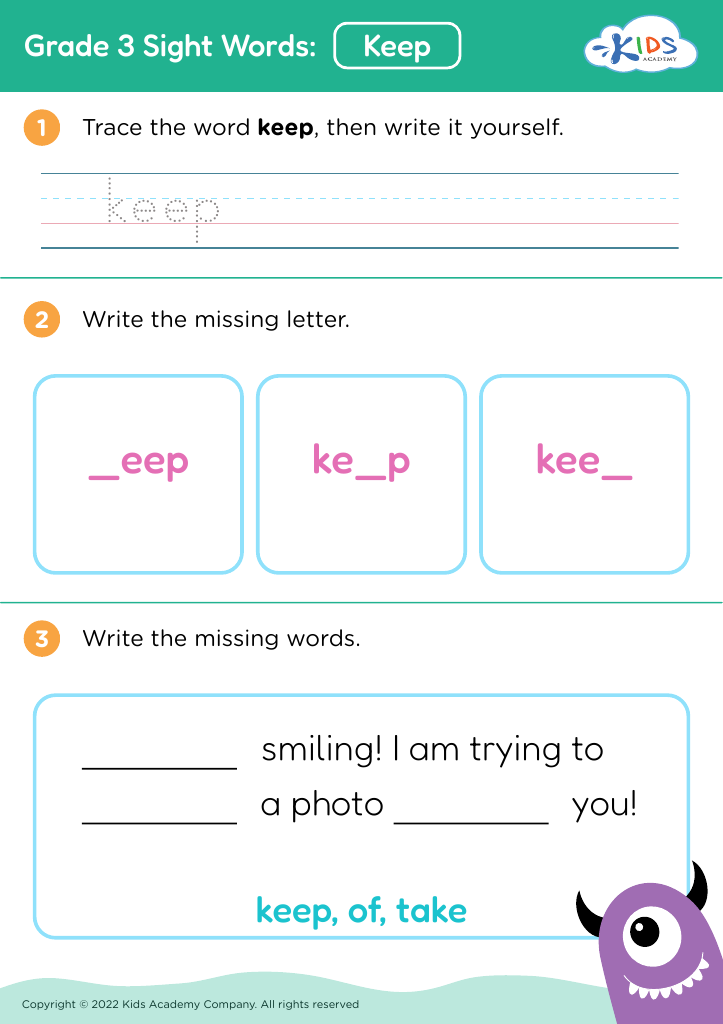
Grade 3 Sight Words: Keep

Grade 3 Sight Words: Keep

Grade 3 Sight Words: Keep
Worksheet
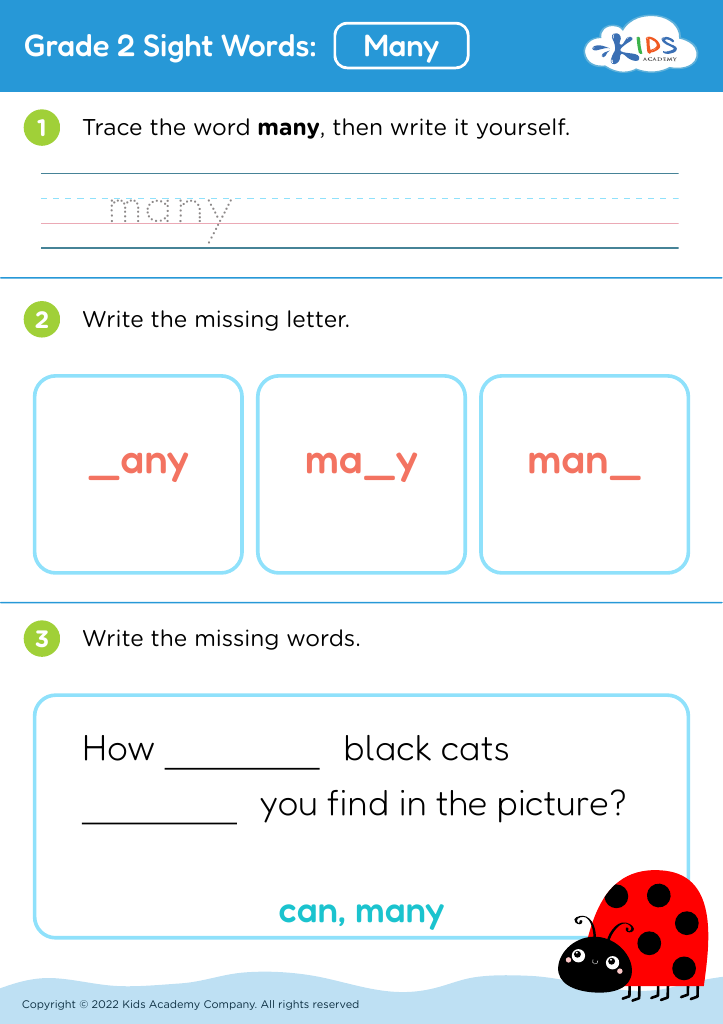
Grade 2 Sight Words: Many

Grade 2 Sight Words: Many

Grade 2 Sight Words: Many
Worksheet
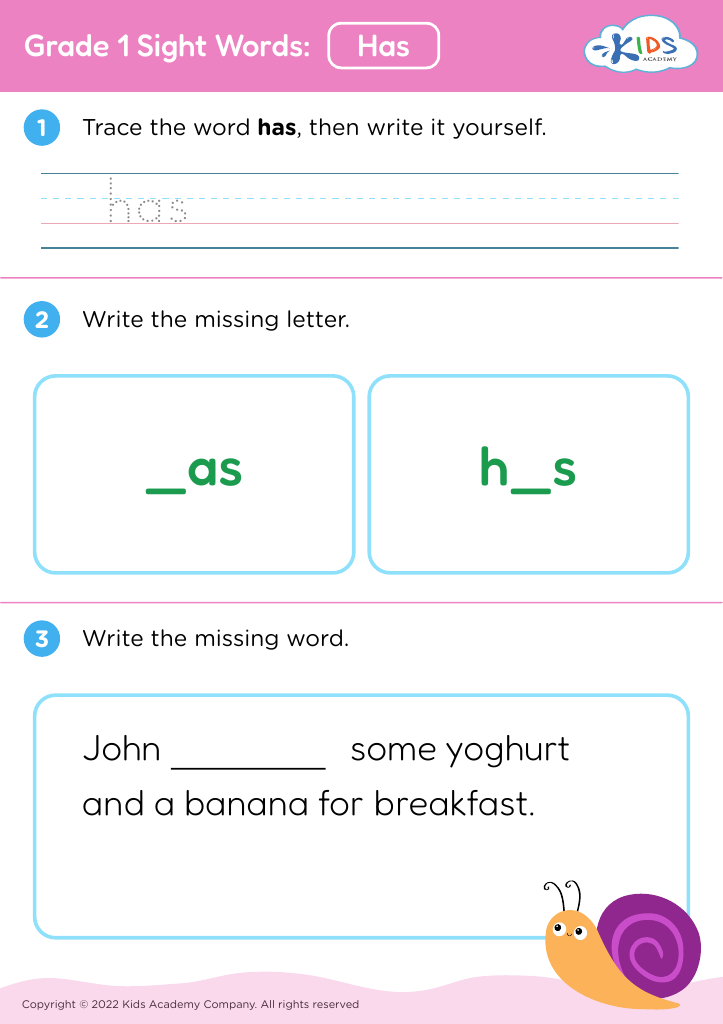
Grade 1 Sight Words: Has

Grade 1 Sight Words: Has

Grade 1 Sight Words: Has
Worksheet
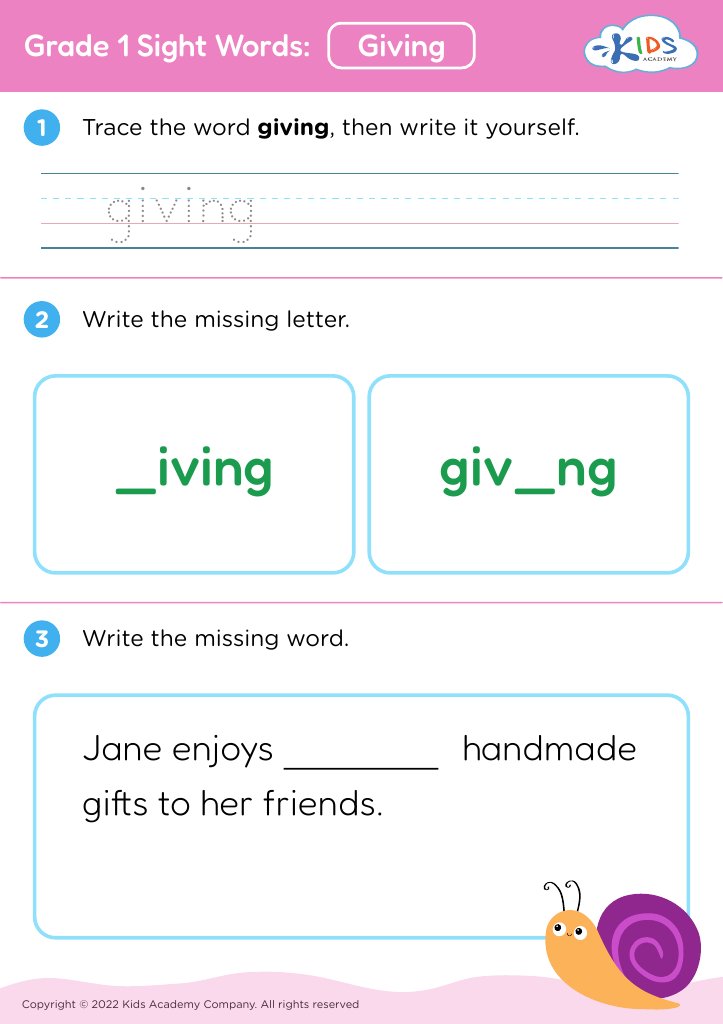
Grade 1 Sight Words: Giving

Grade 1 Sight Words: Giving

Grade 1 Sight Words: Giving
Worksheet
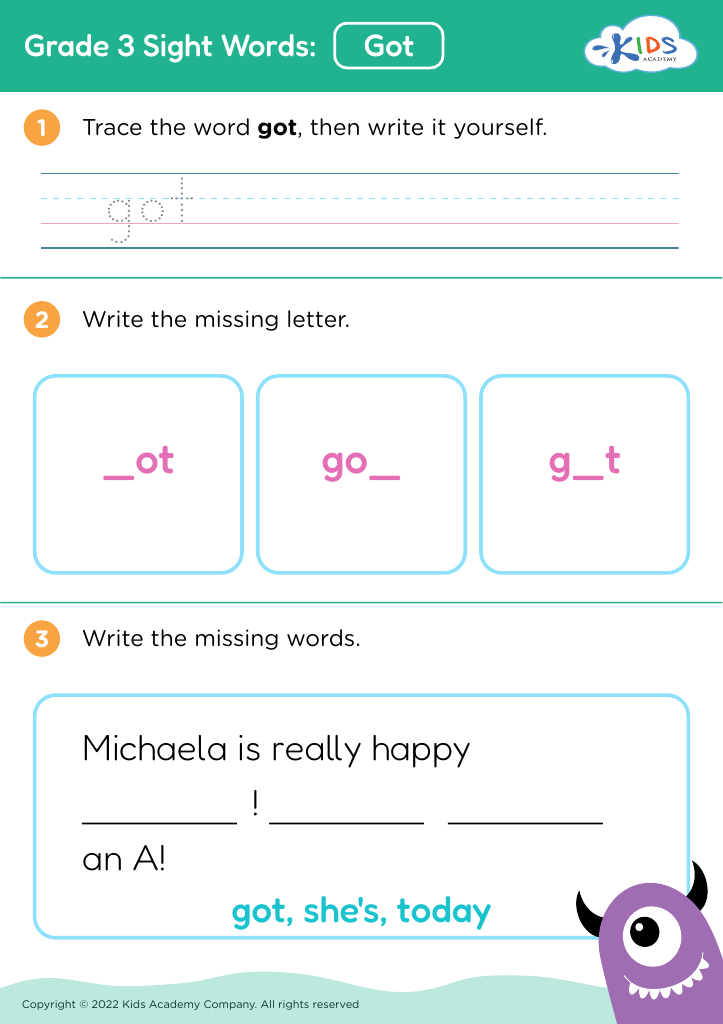
Grade 3 Sight Words: Got

Grade 3 Sight Words: Got

Grade 3 Sight Words: Got
Worksheet
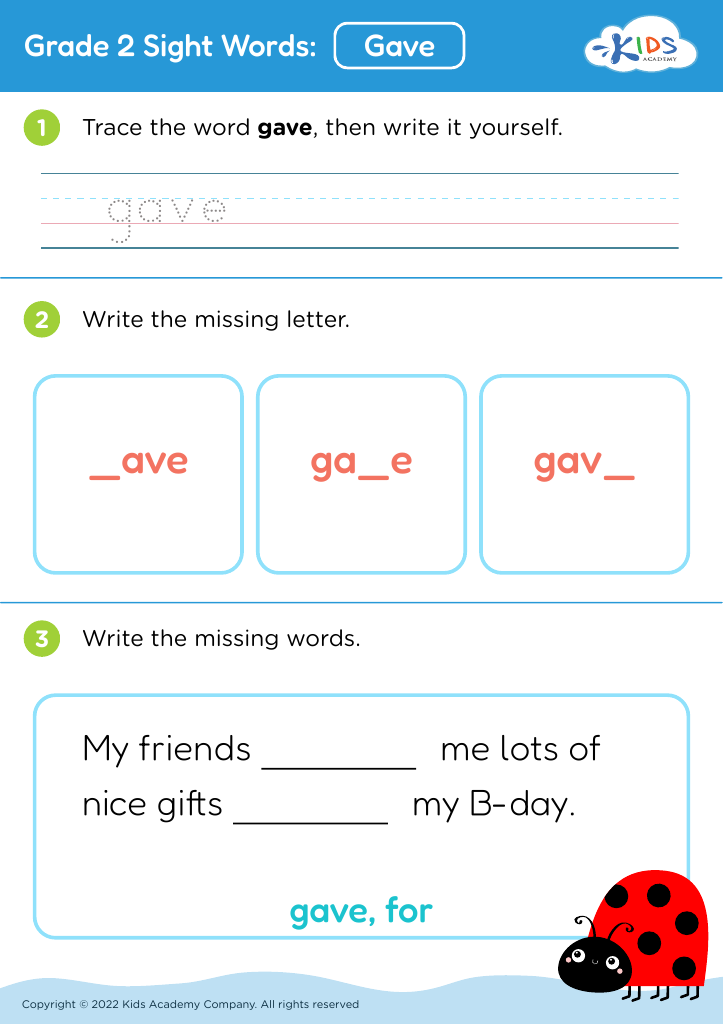
Grade 2 Sight Words: Gave

Grade 2 Sight Words: Gave

Grade 2 Sight Words: Gave
Worksheet
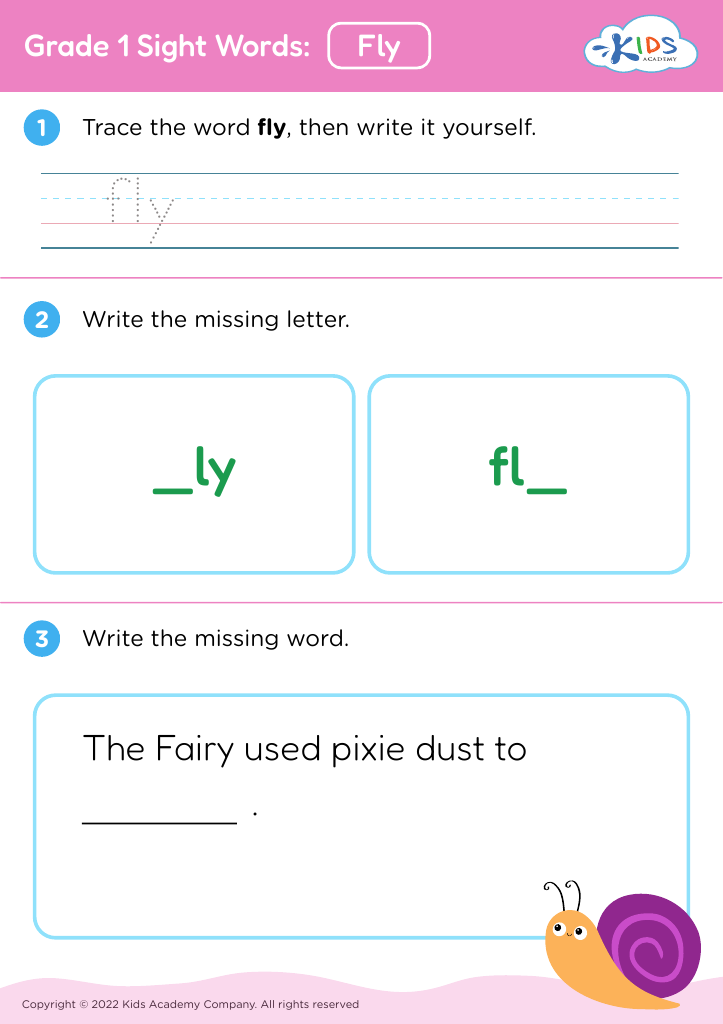
Grade 1 Sight Words: Fly

Grade 1 Sight Words: Fly

Grade 1 Sight Words: Fly
Worksheet
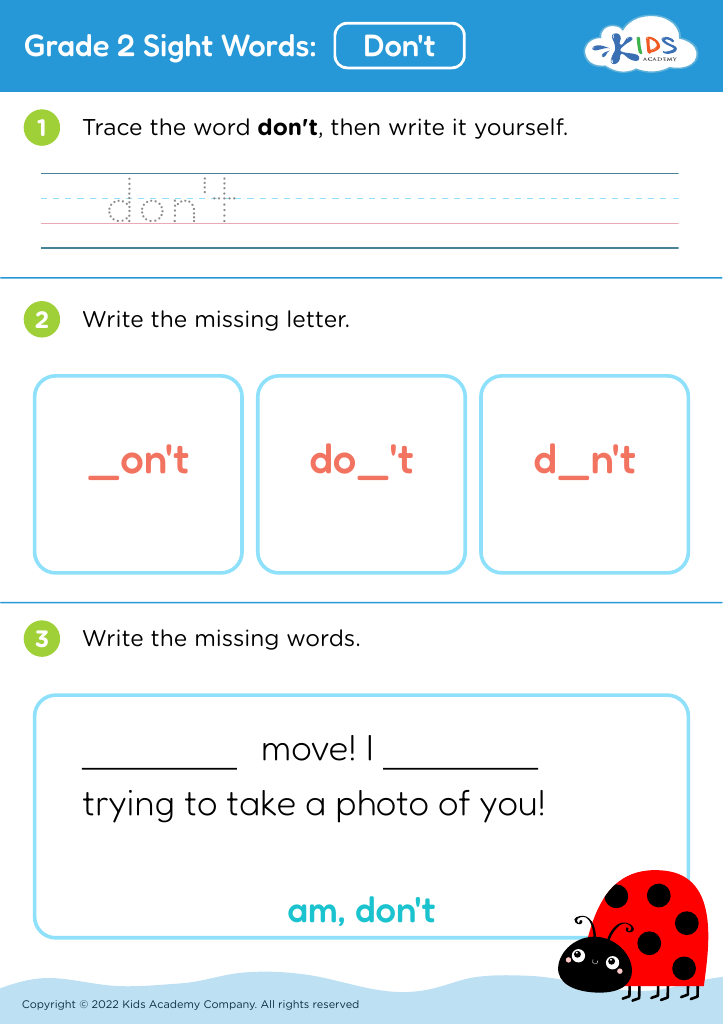
Grade 2 Sight Words: Don'T

Grade 2 Sight Words: Don'T

Grade 2 Sight Words: Don'T
Worksheet
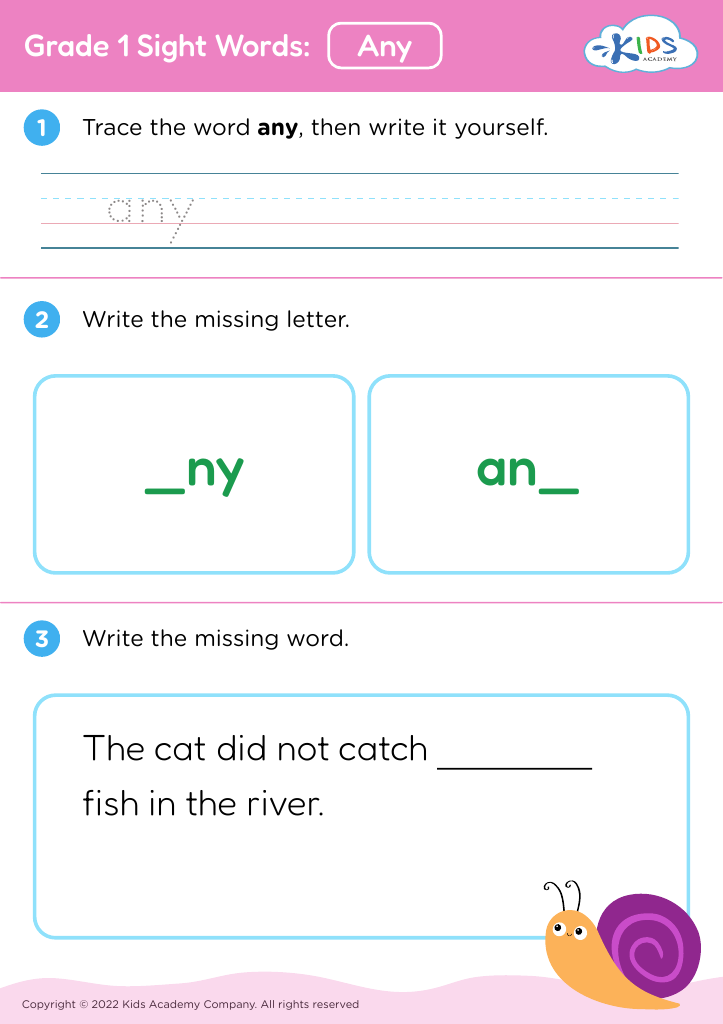
Grade 1 Sight Words: Any

Grade 1 Sight Words: Any

Grade 1 Sight Words: Any
Worksheet
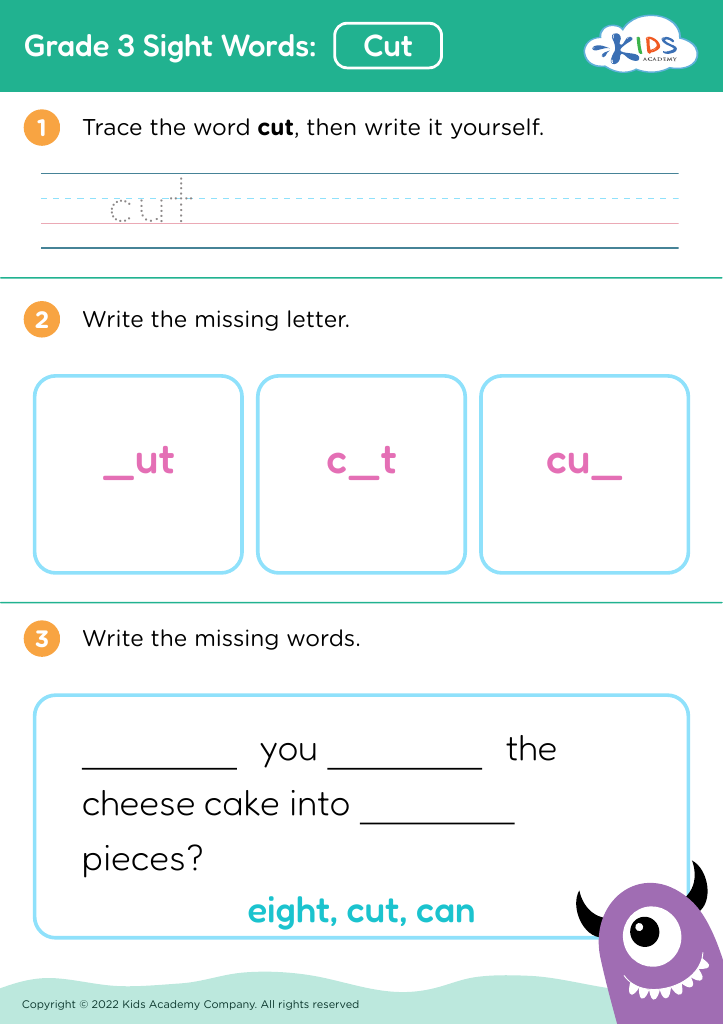
Grade 3 Sight Words: Cut

Grade 3 Sight Words: Cut

Grade 3 Sight Words: Cut
Worksheet
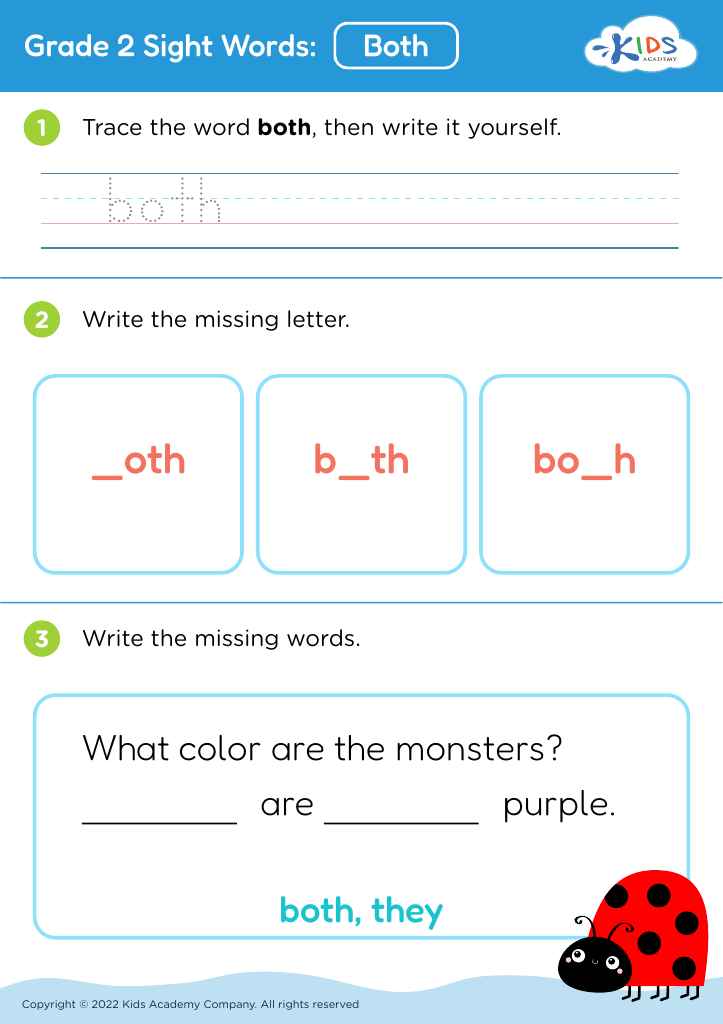
Grade 2 Sight Words: Both

Grade 2 Sight Words: Both

Grade 2 Sight Words: Both
Worksheet
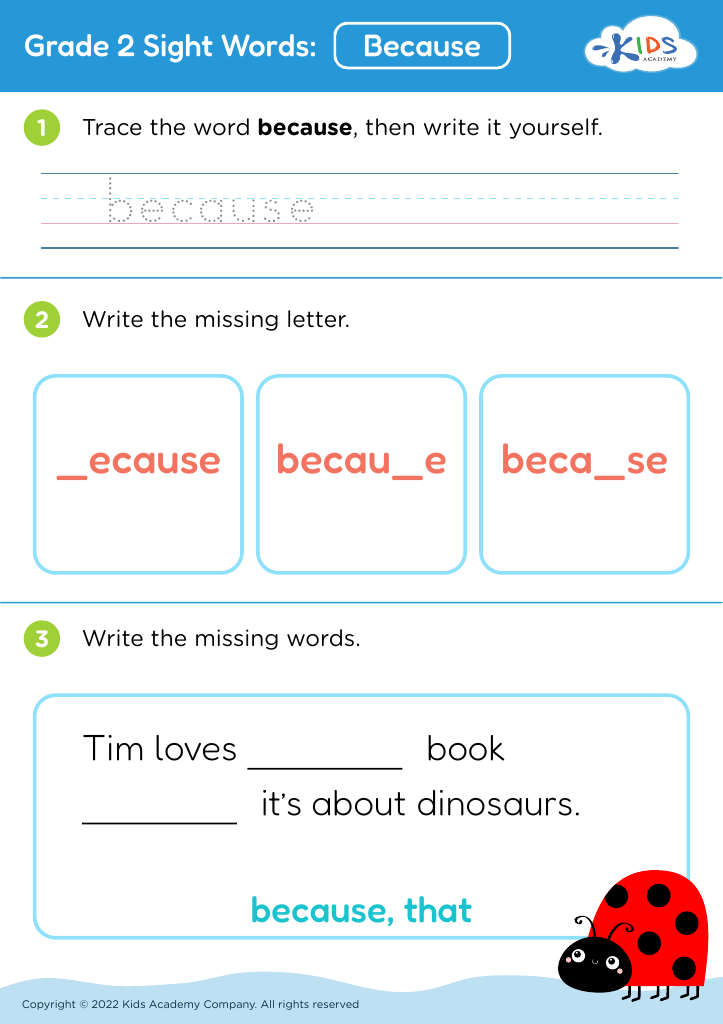
Grade 2 Sight Words: Because

Grade 2 Sight Words: Because

Grade 2 Sight Words: Because
Worksheet
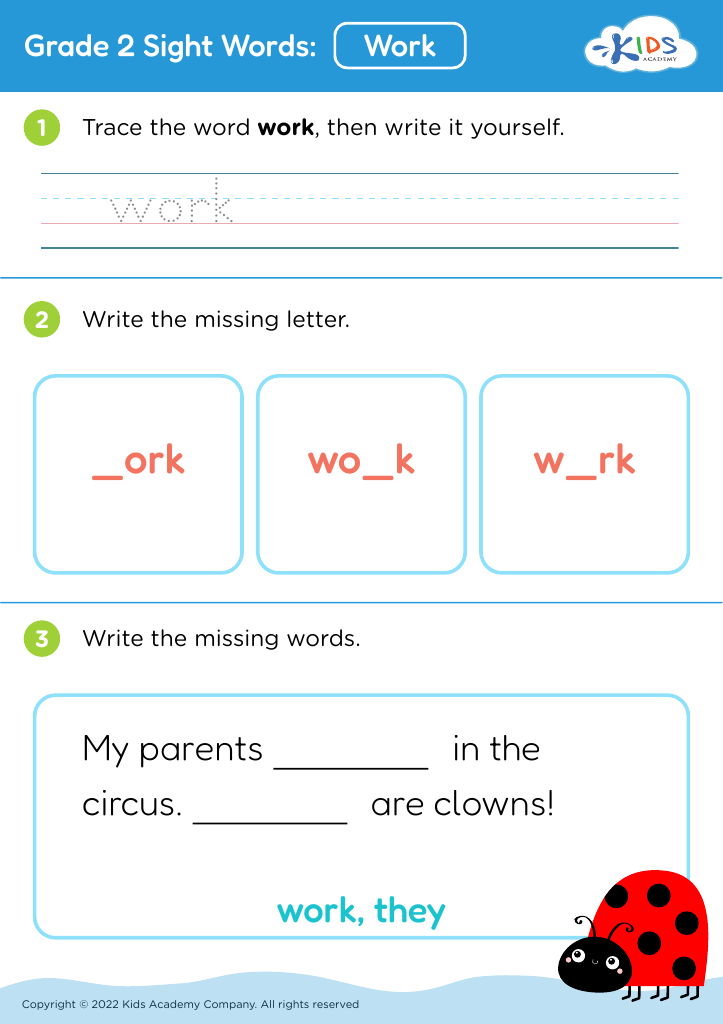
Grade 2 Sight Words: Work

Grade 2 Sight Words: Work

Grade 2 Sight Words: Work
Worksheet
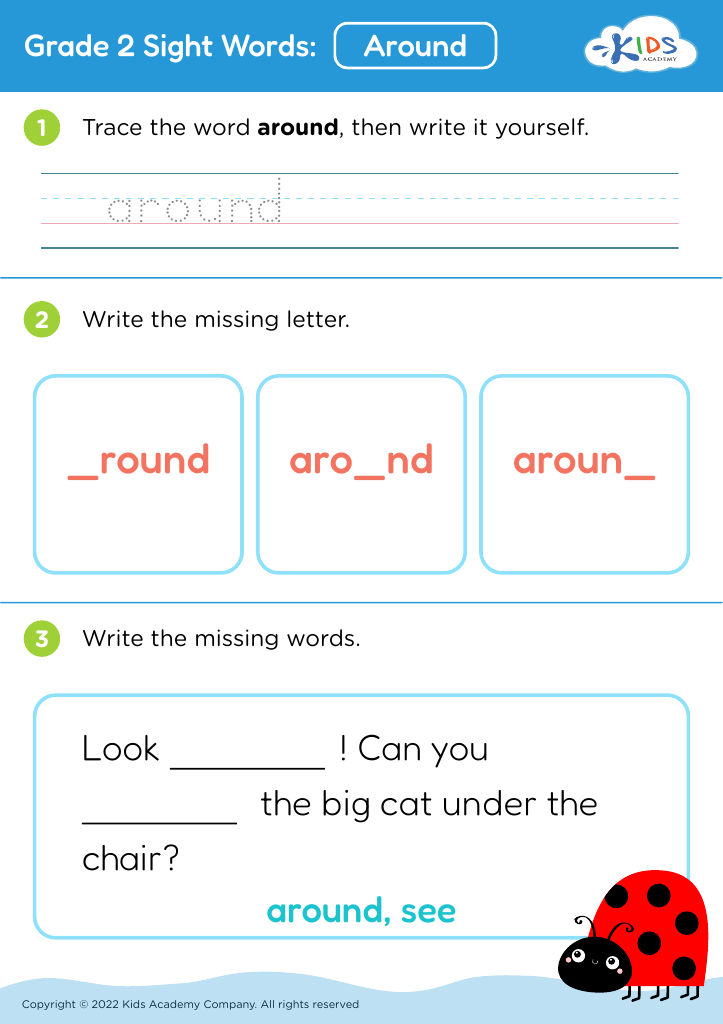
Grade 2 Sight Words: Around

Grade 2 Sight Words: Around

Grade 2 Sight Words: Around
Worksheet


Parents and teachers should care about comparing fractions and building vocabulary for ages 7-9 because it lays a crucial foundation for mathematical fluency and comprehension, which are fundamental skills for future learning. At this age, students' cognitive abilities are transitioning from concrete to more abstract thinking, making it an ideal time to introduce the concept of fractions in a way they can grasp and build upon. Understanding fractions helps students comprehend division and ratios, which are essential for higher-level math topics such as algebra and calculus.

Building vocabulary around fractions—words like numerator, denominator, equivalent, and common denominator—empowers students to articulate their mathematical thinking clearly and accurately. It also enables them to follow instructions, engage in discussions, and ask pertinent questions, thereby deepening their understanding.

Moreover, learning to compare fractions stimulates critical thinking and problem-solving skills. When children learn to identify which fractions are larger or smaller, they practice logical reasoning and analytical thinking. This not only enhances their numerical proficiency but also benefits their overall academic performance.

In essence, focusing on comparing fractions and building a strong mathematical vocabulary gives children the tools they need to succeed in mathematics and beyond, setting the stage for lifelong learning and a better understanding of the world.