Recognizing shapes Building Vocabulary Worksheets for Ages 7-9
7 filtered results
-
From - To
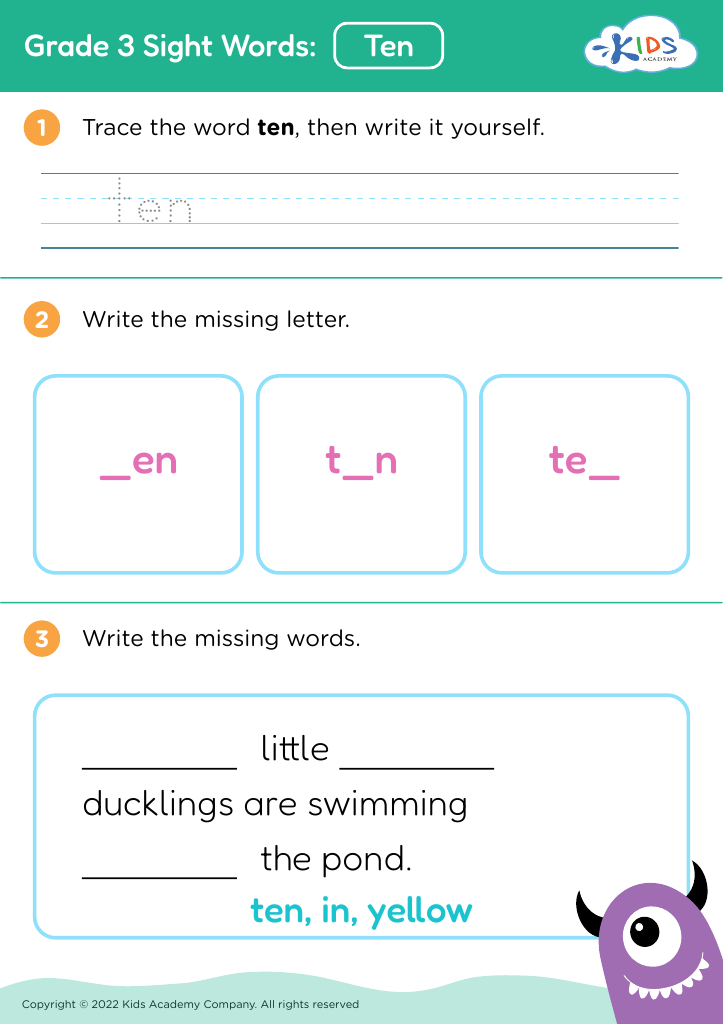
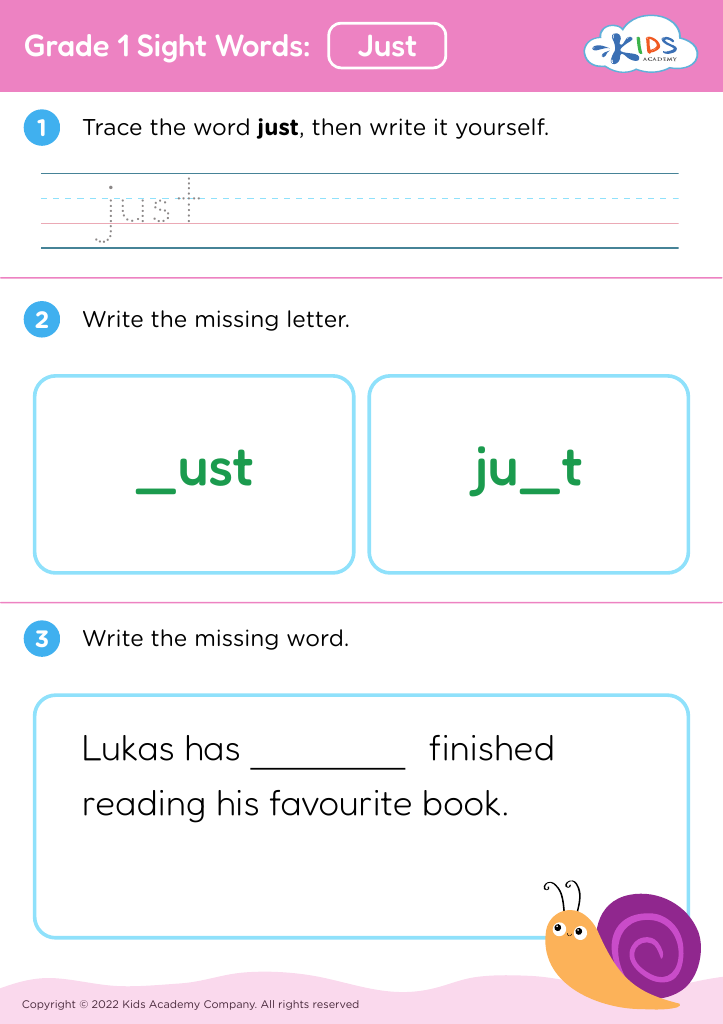
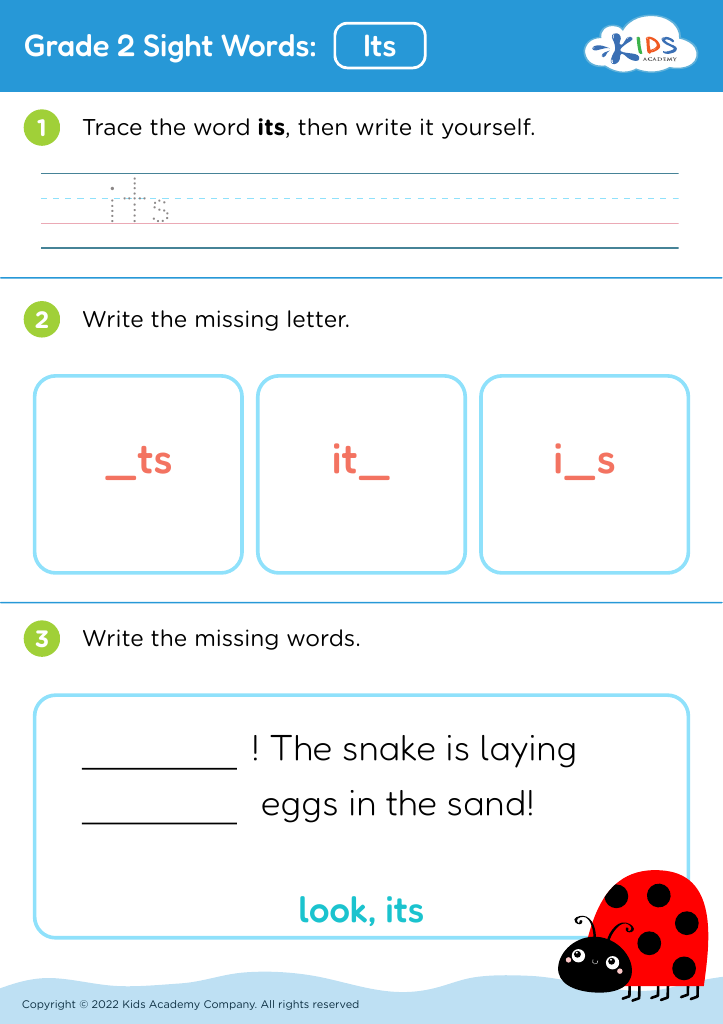
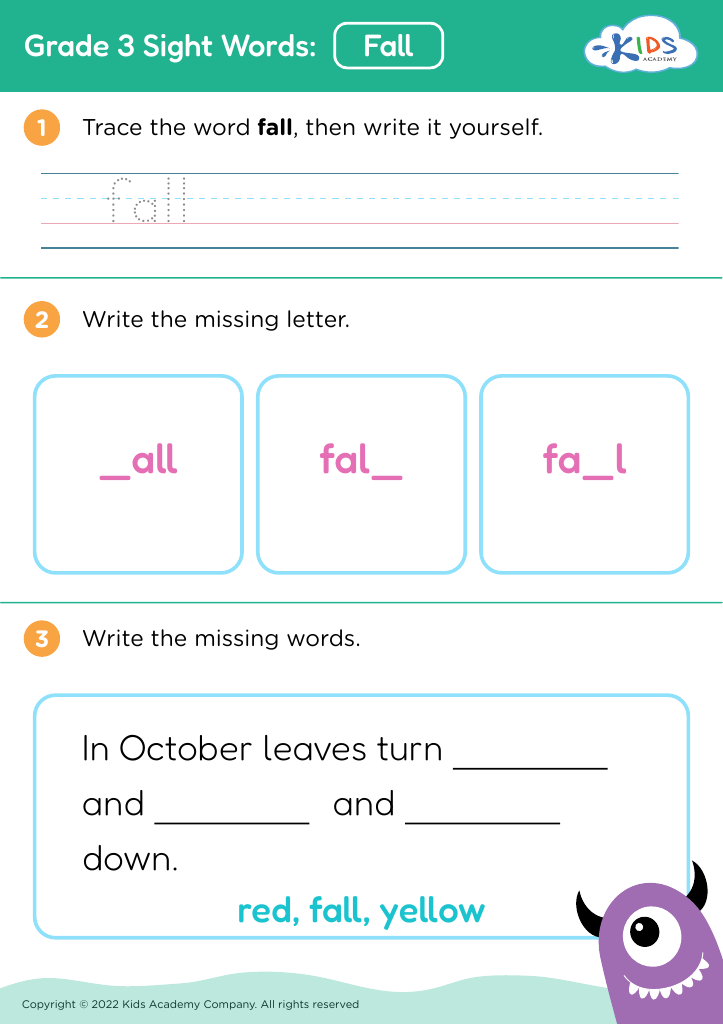
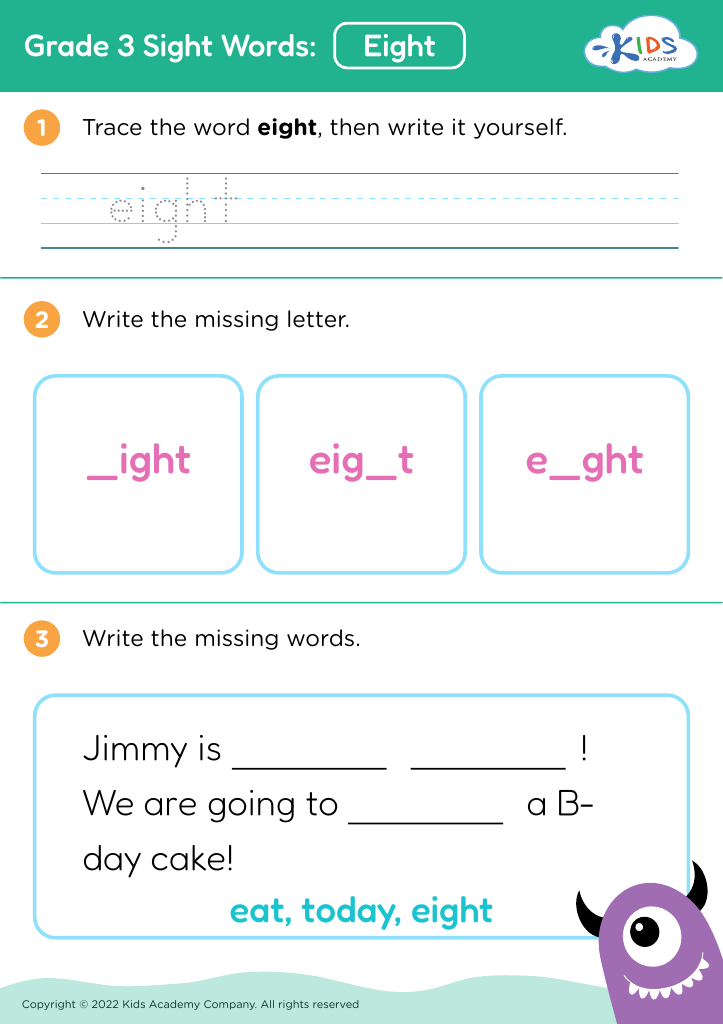
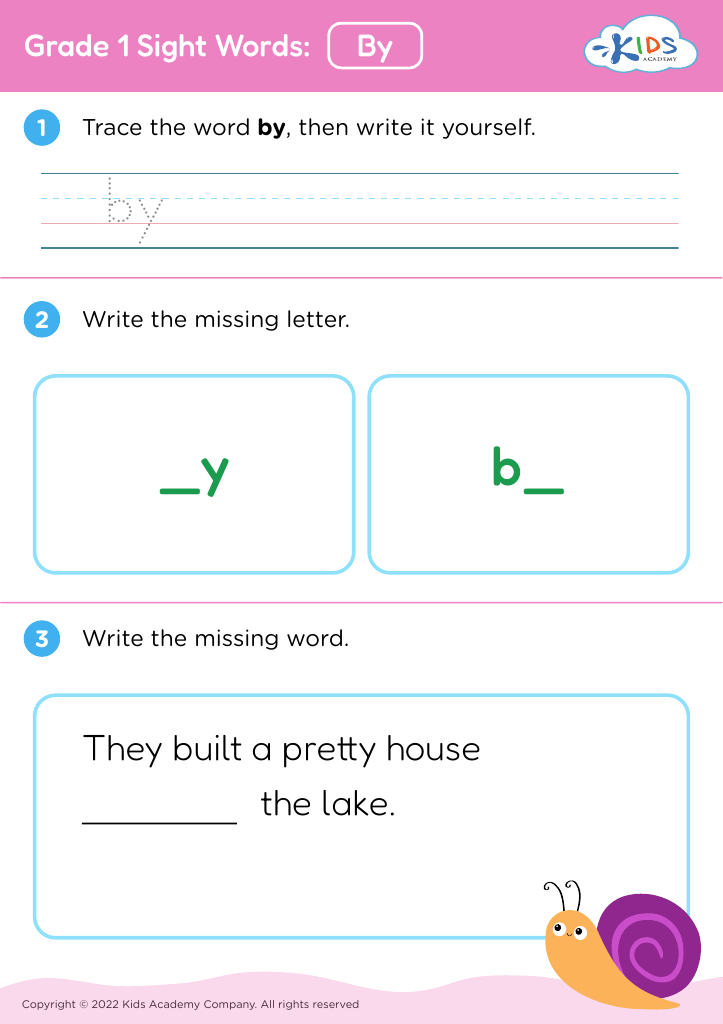
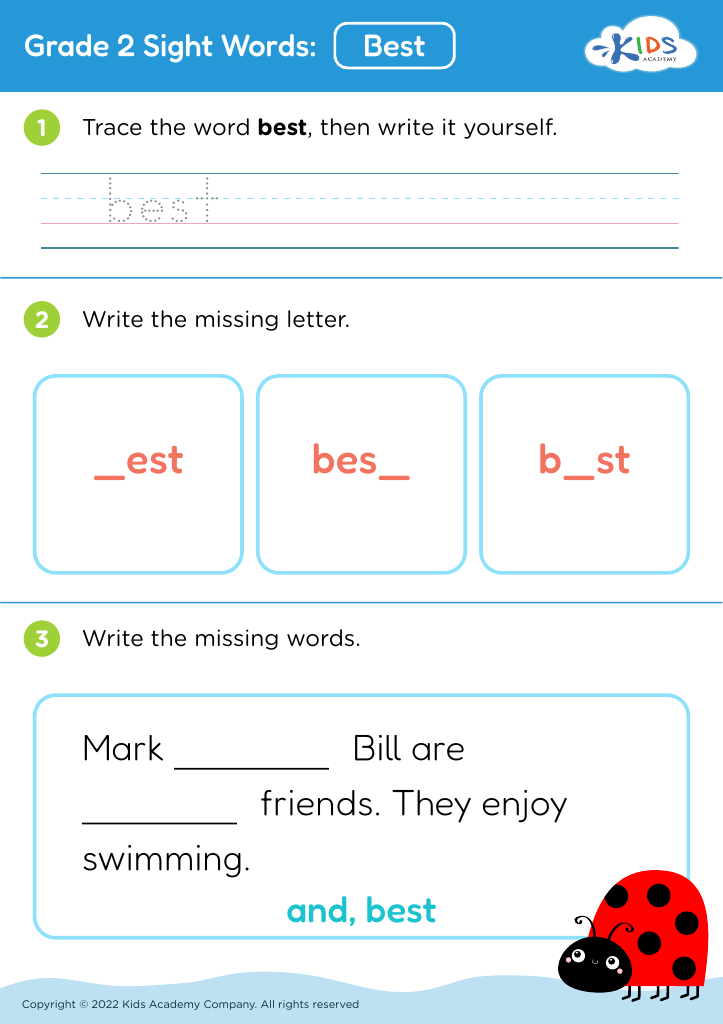
Enhance your child's vocabulary and shape recognition with our "Recognizing Shapes Building Vocabulary Worksheets" tailored for ages 7-9. These engaging worksheets from Kids Academy provide a fun and educational way for children to learn new terms while identifying various shapes. Boost reading, critical thinking, and grammar skills with each activity. With vibrant visuals and thoughtfully designed exercises, kids will enjoy the learning process. Ideal for classroom use or at-home practice, these printable worksheets ensure your child masters essential vocabulary through interactive shape recognition. Set a solid foundation for their academic success today!















.jpg)



Recognizing shapes and building vocabulary are crucial skills for children aged 7-9, as they lay the groundwork for future academic success and cognitive development.
Shapes recognition is foundational in mathematics and spatial reasoning. This skill enhances children's ability to understand geometry, an essential aspect of everyday life that aids in problem-solving and logical thinking. When children identify and differentiate between shapes, they develop visual discrimination skills, which are critical for reading and writing. Recognizing patterns in shapes also teaches early algebraic thinking and data analysis.
Building vocabulary at this age is equally essential as it directly influences reading comprehension and effective communication. A rich vocabulary empowers children to express themselves clearly and accurately, which bolsters their confidence and ability to engage with complex texts and concepts. Expanding their vocabulary aids in understanding the descriptions, instructions, and questions they encounter in various subjects, promoting interdisciplinary learning.
Both recognizing shapes and building vocabulary foster higher-order thinking skills—comparing, categorizing, analyzing, synthesizing, and reasoning. Teachers and parents play a pivotal role in creating engaging and interactive learning environments that encourage curiosity, exploration, and dialogue, all crucial for cognitive and social development. Prioritizing these skills helps children build a strong foundation for lifelong learning and problem-solving.








