Understanding fractions Building Vocabulary Worksheets for Ages 7-9 - Page 2
34 filtered results
-
From - To











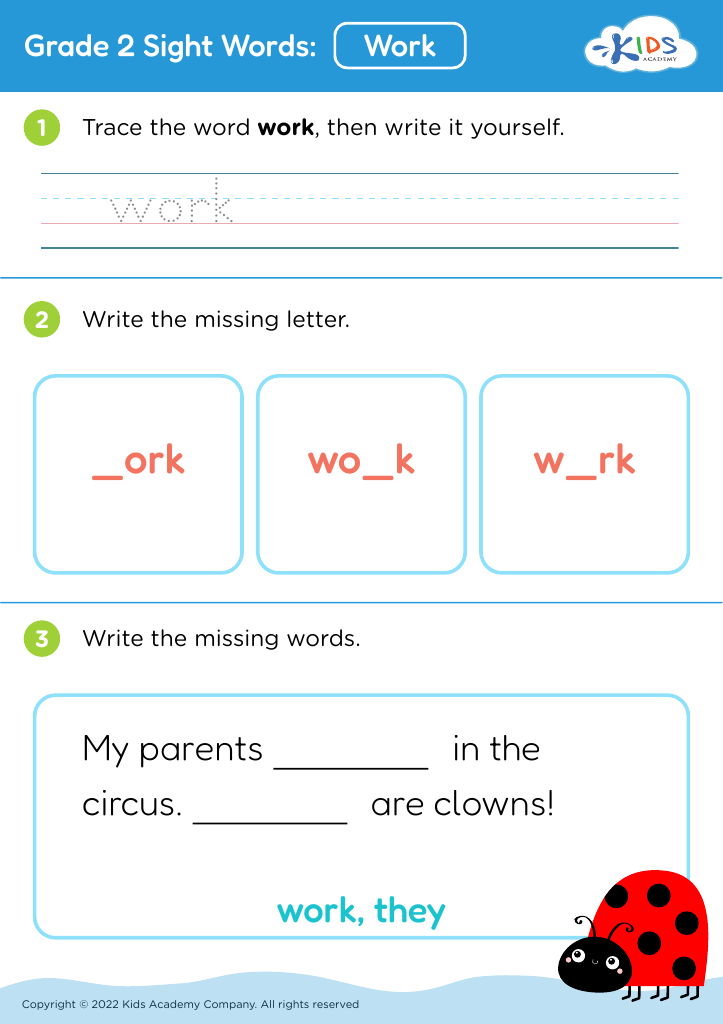
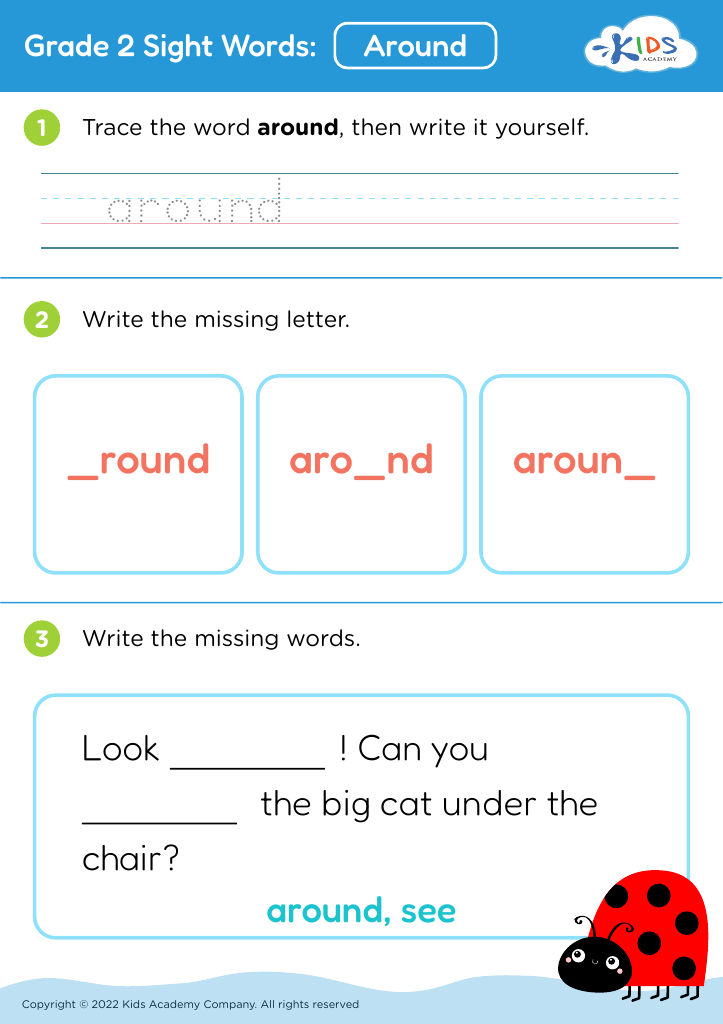








Understanding fractions and building vocabulary are critical elements in early childhood education, specifically for children aged 7-9. These foundational skills play a significant role in a child's academic and everyday life.
Understanding fractions at an early age helps children grasp the concepts of parts, wholes, and the relationship between them. This understanding is essential for future mathematical concepts such as decimals, percentages, and ratios. Mastery of fractions builds logical thinking and problem-solving skills, which are crucial not only in math but across all areas of learning and in real-world applications like cooking, time-management, and sharing.
Additionally, vocabulary development is vital for effective communication and reading comprehension. At ages 7-9, children's brains are particularly receptive to learning new words and concepts. A robust vocabulary helps children express themselves clearly and fosters a deeper understanding of texts, enhancing both their speaking and listening skills. By expanding their vocabulary, children also improve fluency in reading and writing, which are critical for academic success across all subjects.
Parents and teachers should prioritize these skills to ensure that children build a strong educational foundation, setting them up for further academic achievements and life-long learning. Effective engagement in these areas at home and in the classroom can significantly enhance a child’s confidence and ability to tackle more complex subjects in the future.








