
Understanding patterns Building Vocabulary Worksheets for Ages 7-9
4 filtered results
Difficulty Level
Grade
Age
-
From - To
Subject
Activity
Standards
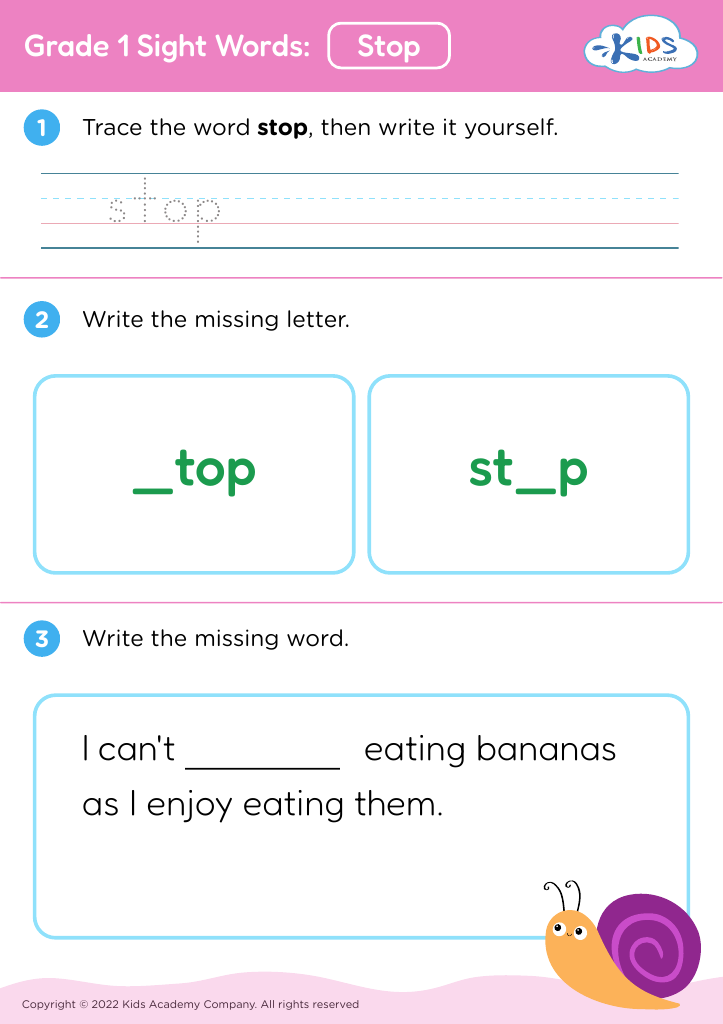
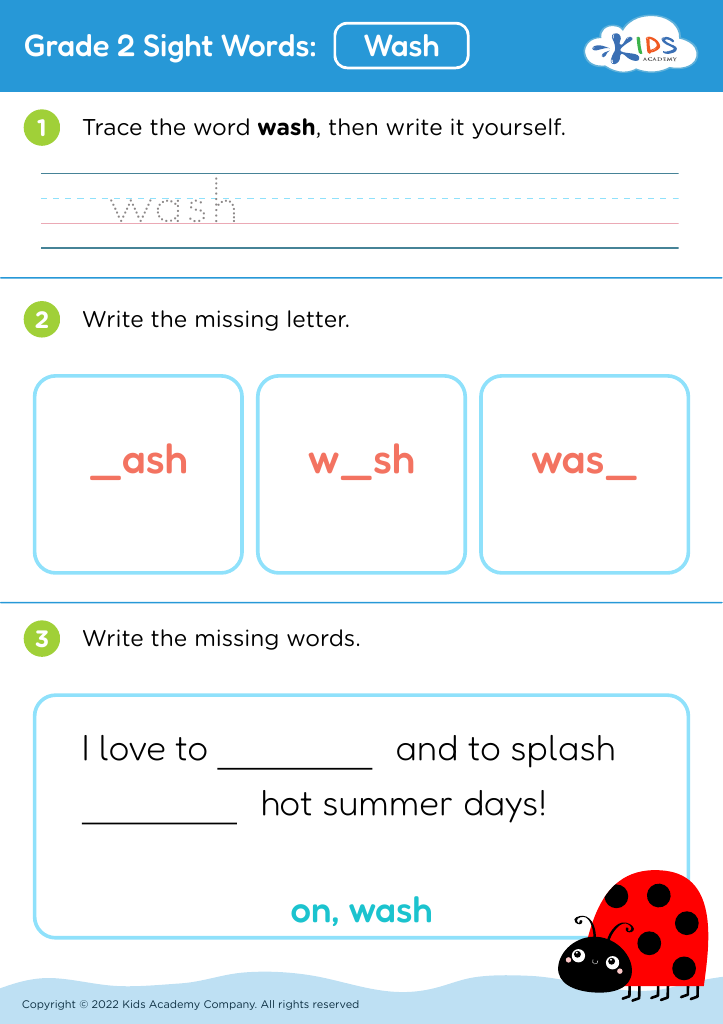
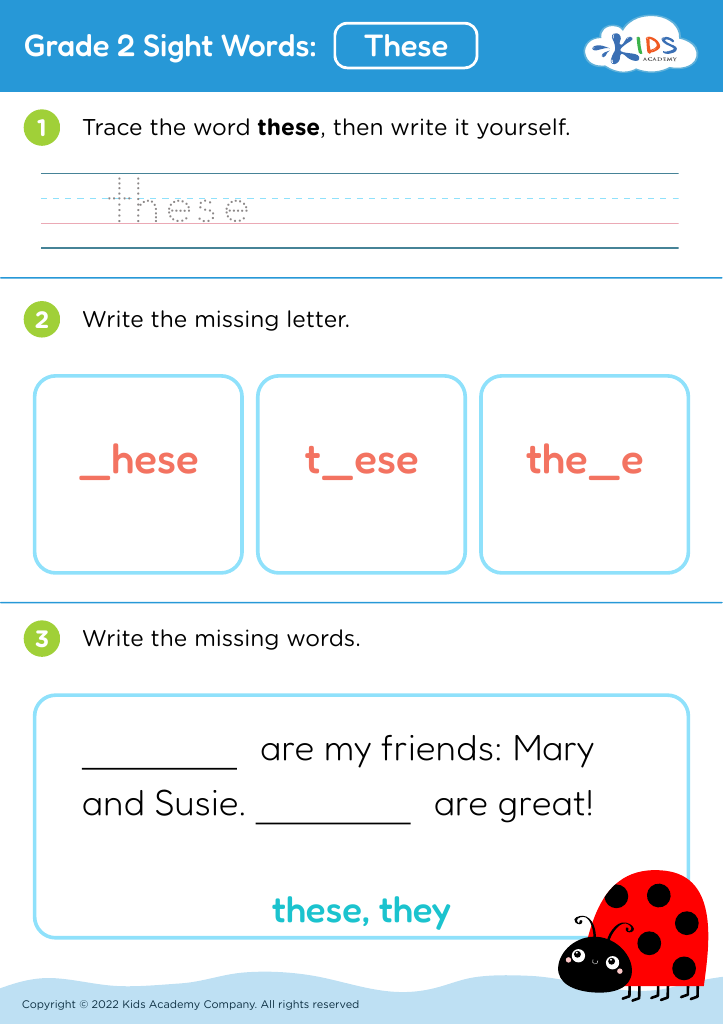
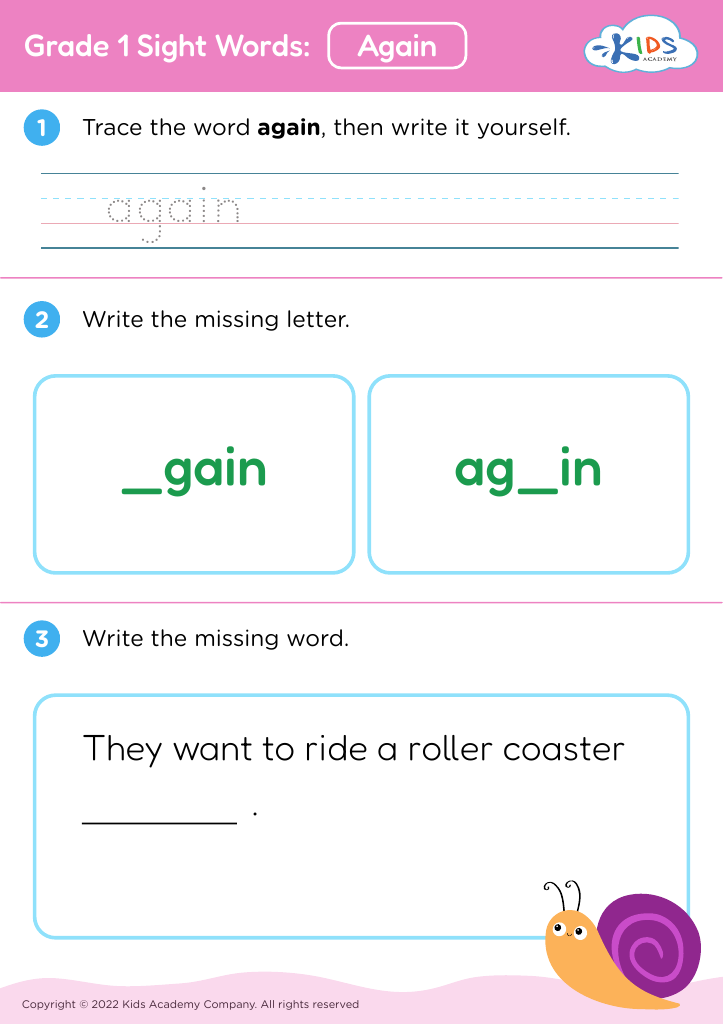
Unlock your child's vocabulary potential with our "Understanding Patterns: Building Vocabulary Worksheets for Ages 7-9." Designed specifically for young learners, these worksheets provide engaging activities that help recognize and understand language patterns. By exploring different word relationships and context clues, children develop critical thinking and enhance their vocabulary skills. Our expertly crafted exercises are perfect for both classroom use and at-home learning. Watch your child gain confidence and excel in reading comprehension. Spark a love for language with these interactive and educational resources tailored for curious minds ages 7-9. Start your vocabulary-building adventure today!
Favorites
With answer key
Interactive











Join Kids Academy for Free
Who is primarily going to use this learning content?






.jpg)

Understanding patterns and building vocabulary are crucial aspects of early education for children aged 7-9, and both parents and teachers should prioritize these areas for several compelling reasons.
Patterns are fundamental to cognitive development. Recognizing and interpreting patterns enhance a child's math skills, as patterns are the foundation of number sense, arithmetic, and problem-solving. Studies show that students who grasp patterns early excel in higher-level math. Patterns also boost logical thinking and pave the way for coding skills and scientific reasoning, given that many scientific concepts revolve around understanding patterns in nature and data.
Meanwhile, building vocabulary is key to language acquisition and literacy. A rich vocabulary improves a child’s reading comprehension, enabling them to access and understand increasingly complex texts. This is essential not just for English but across all subjects, including science, social studies, and even math. A well-developed vocabulary also enhances a child’s ability to express themselves clearly and confidently, aiding both academic success and social interaction.
By focusing on these areas, parents and teachers equip children with critical thinking skills and communication abilities that lay a strong foundation for lifelong learning and success. Through games, reading, and interactive activities, both vocabulary and pattern recognition can be seamlessly integrated into a child-friendly, enriching educational experience.








