Understanding symmetry Building Vocabulary Worksheets for Ages 7-9
4 filtered results
-
From - To
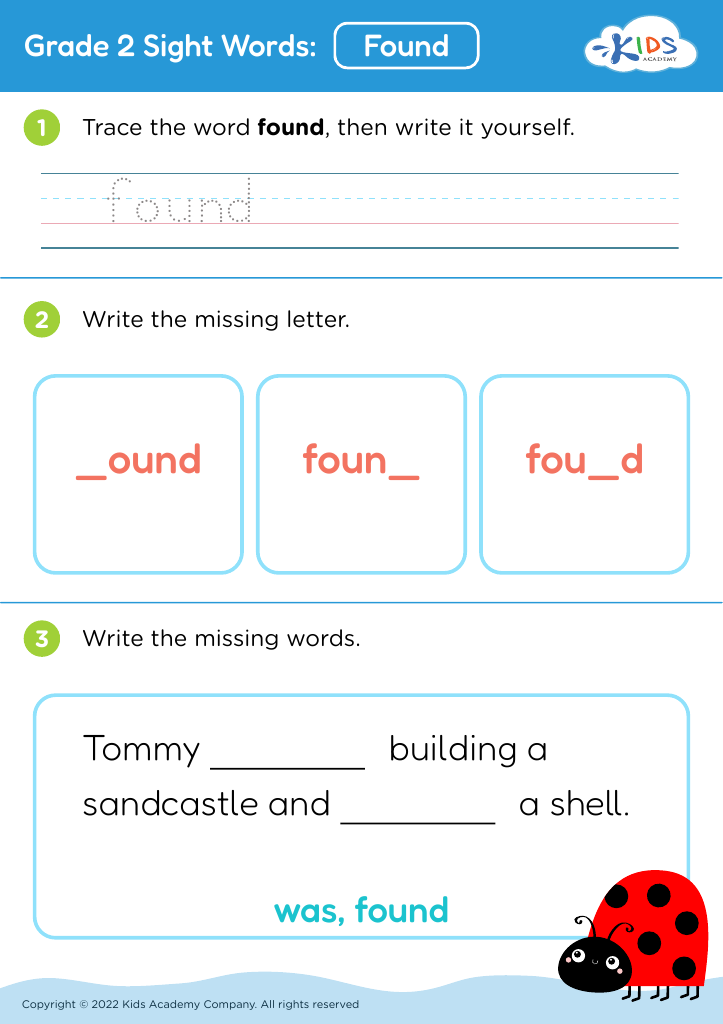
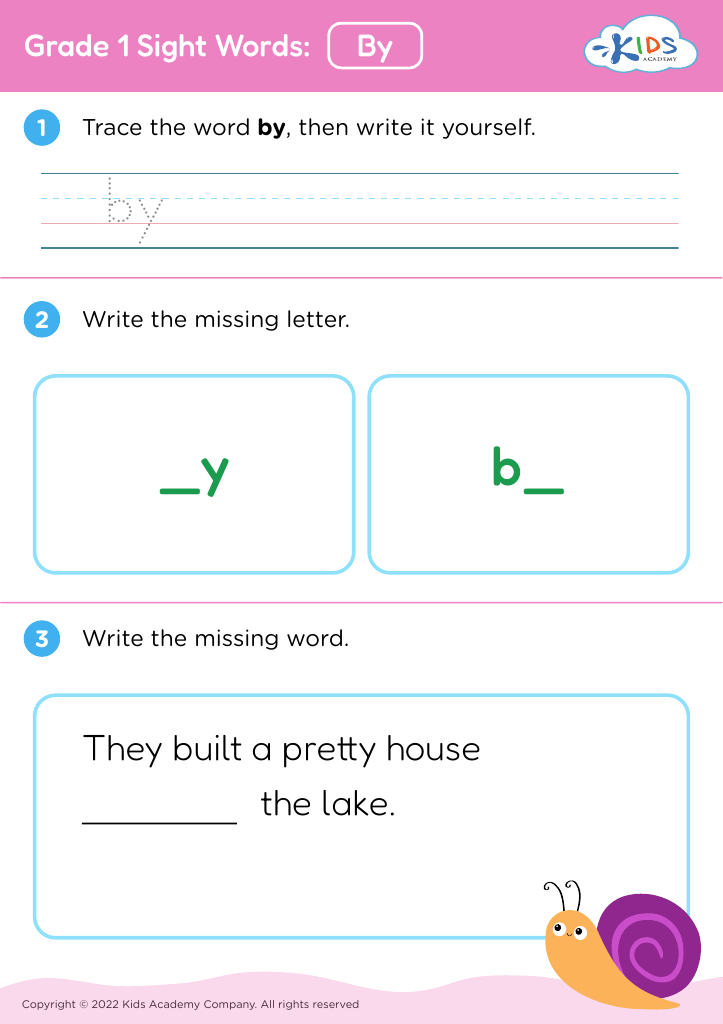
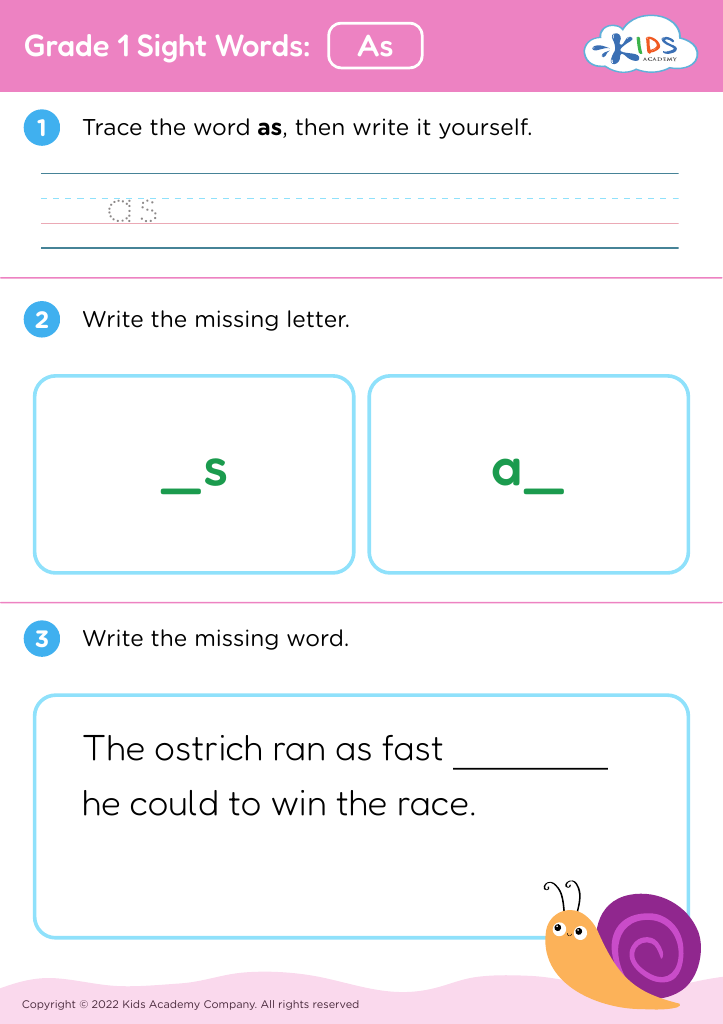
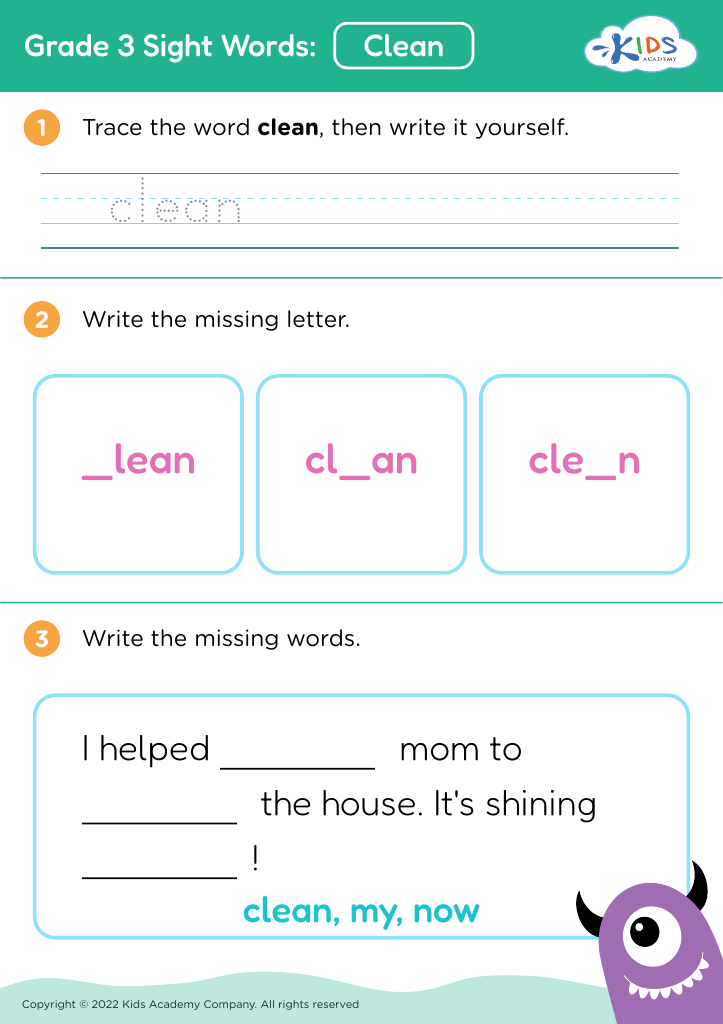
Explore the captivating world of symmetry with our "Understanding Symmetry Building Vocabulary Worksheets" for ages 7-9! These engaging resources are designed to enhance vocabulary while promoting critical thinking skills. Each worksheet incorporates fun activities that teach children to identify and describe symmetrical shapes in their environment. With clear, age-appropriate prompts, students will strengthen their understanding of symmetry as they practice essential vocabulary words. Perfect for classroom use or home study, these worksheets will fascinate young learners and seamlessly integrate geometry with language development. Foster creativity and analytical skills while building a robust vocabulary—all through the lens of symmetry!
















.jpg)
.jpg)

Understanding symmetry and building vocabulary are crucial for children aged 7-9 for several reasons. First, symmetry enhances spatial awareness and critical thinking, important skills that are foundational for math and science learning. Recognizing symmetrical patterns helps children appreciate art, nature, and the world around them, fostering creativity and logical reasoning.
Additionally, this age is pivotal for vocabulary development. A rich vocabulary supports reading comprehension and enhances communication skills. When children learn new words related to symmetry, such as "mirror image" or "reflection," they not only expand their language but also reinforce their understanding of geometric concepts. Engaging in discussions about symmetry encourages expression and builds confidence in articulation.
Furthermore, developing these skills together creates interdisciplinary learning opportunities. Connecting math with language arts promotes a holistic educational experience, igniting curiosity and sparking interest in exploring connections across subjects.
Parents and teachers play a critical role by incorporating activities that build on symmetry and vocabulary. This includes creative projects, games, and discussions that highlight real-life examples. By prioritizing symmetry and vocabulary growth, caregivers equip children with essential tools for academic success and lifelong learning, laying a strong foundation for future challenges.








