Fine Motor Skills Reading Fiction Worksheets for Ages 7-9
7 filtered results
-
From - To
Enhance your child's learning experience with our Fine Motor Skills Reading Fiction Worksheets designed for ages 7-9. These engaging worksheets combine the joy of reading with essential fine motor skill development. Children will enjoy various activities, including tracing, cutting, and coloring, all while exploring captivating fictional stories. Our resourceful worksheets not only boost reading comprehension but also strengthen hand-eye coordination and dexterity. Perfect for home or classroom use, these activities ignite creativity and imagination in young readers, making learning both fun and productive. Give your child the tools they need to succeed, one worksheet at a time! Explore our collection today!
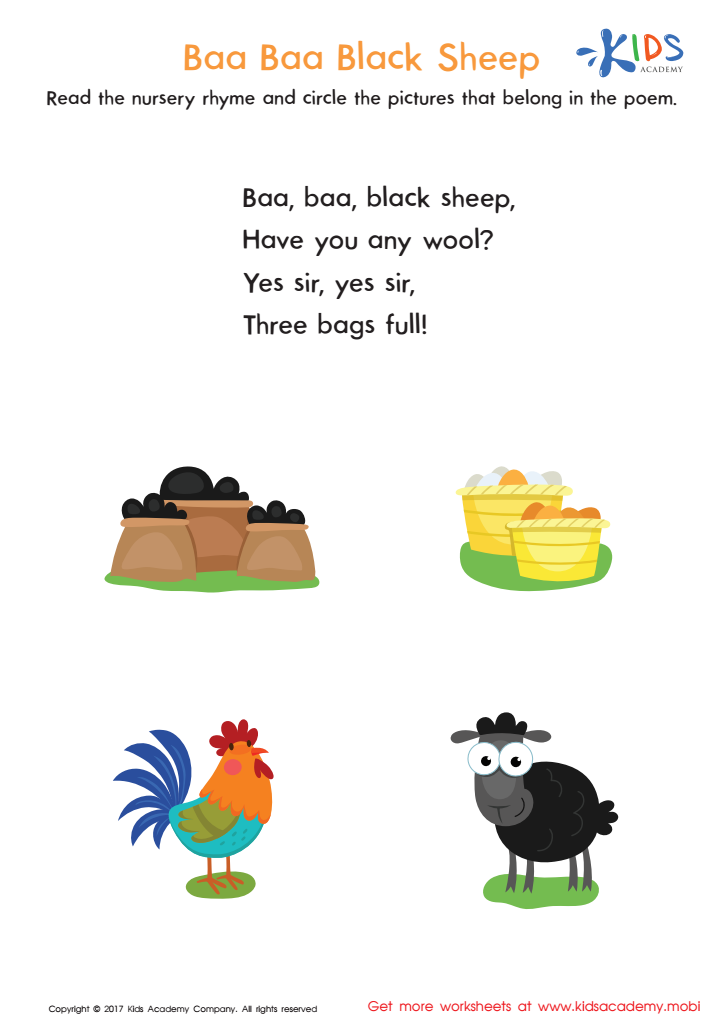
Baa Baa Black Sheep Printable
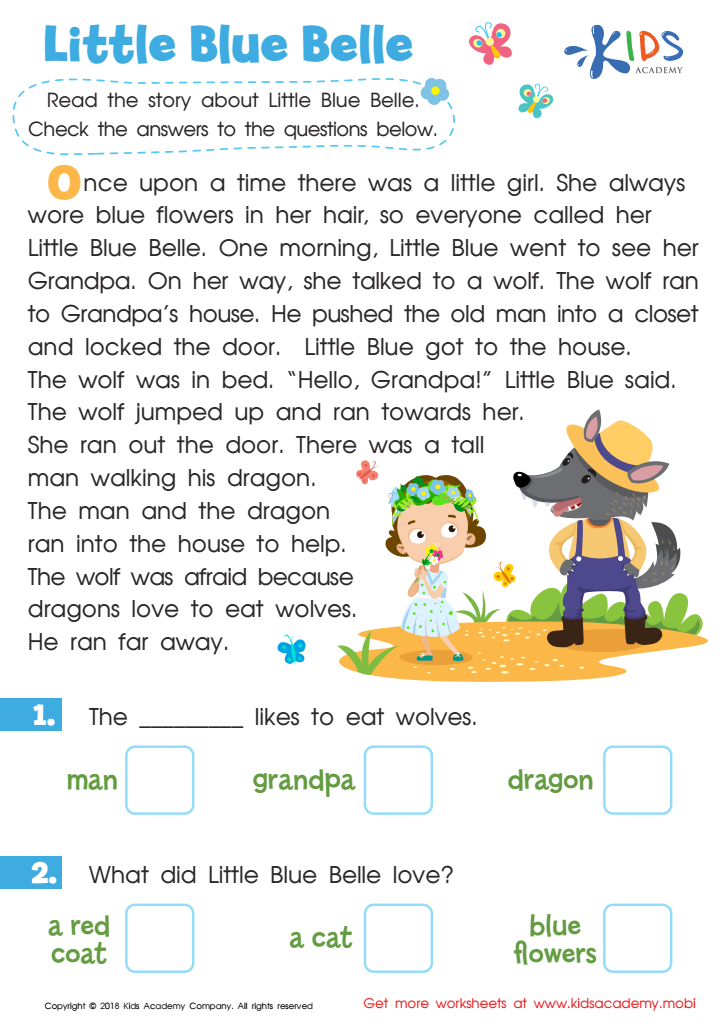
Little Blue Belle Worksheet

Twinkle Twinkle Little Star Coloring Page
 Assign to My Students
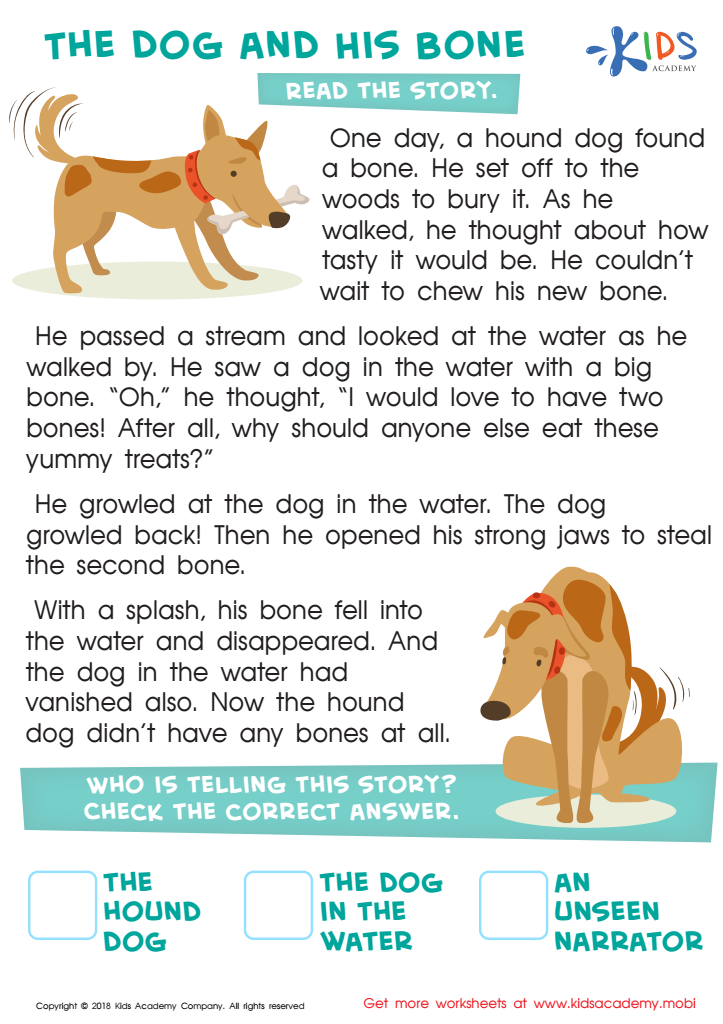
The Dog and His Bone Worksheet
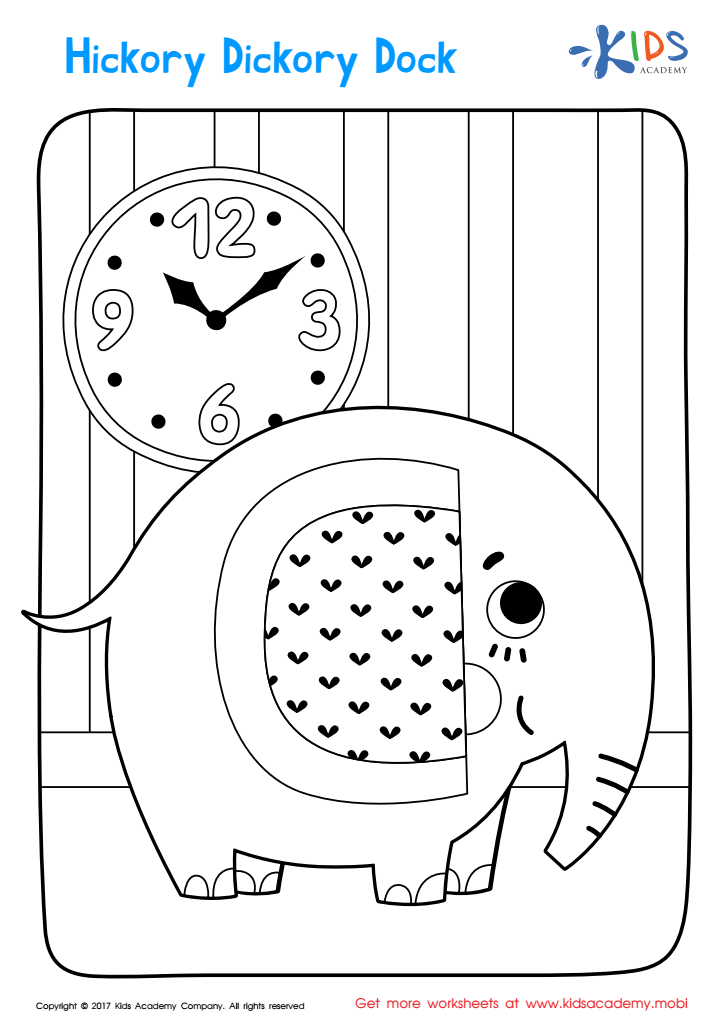
Hickory Dickory Dock Coloring Page
Assign to My Students
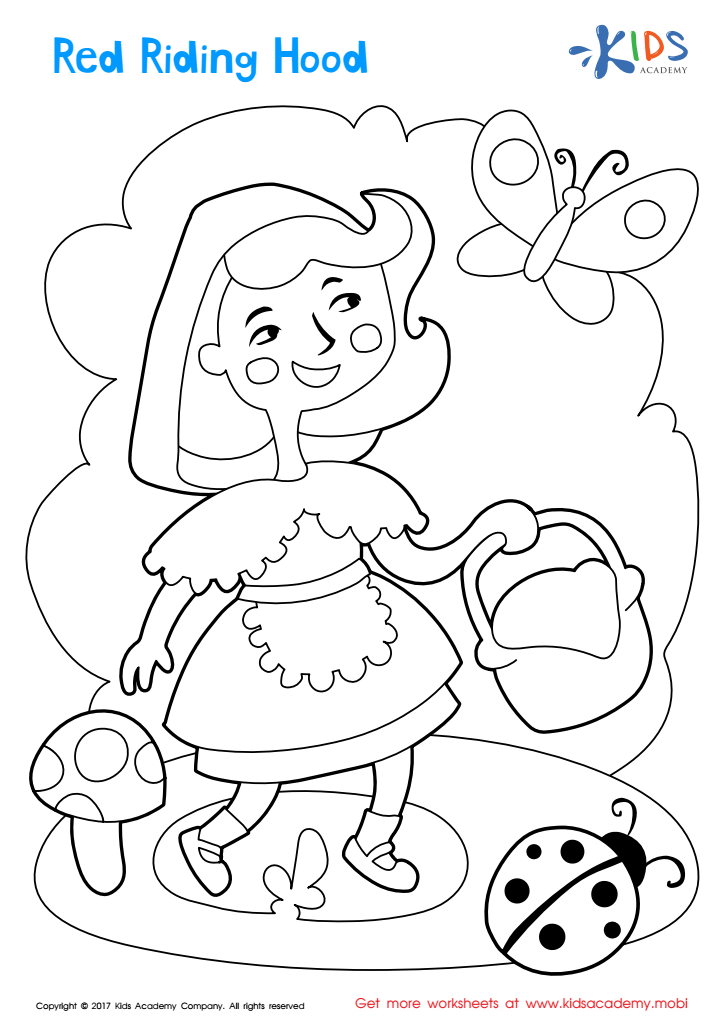
Red Riding Hood Coloring Page
Assign to My Students
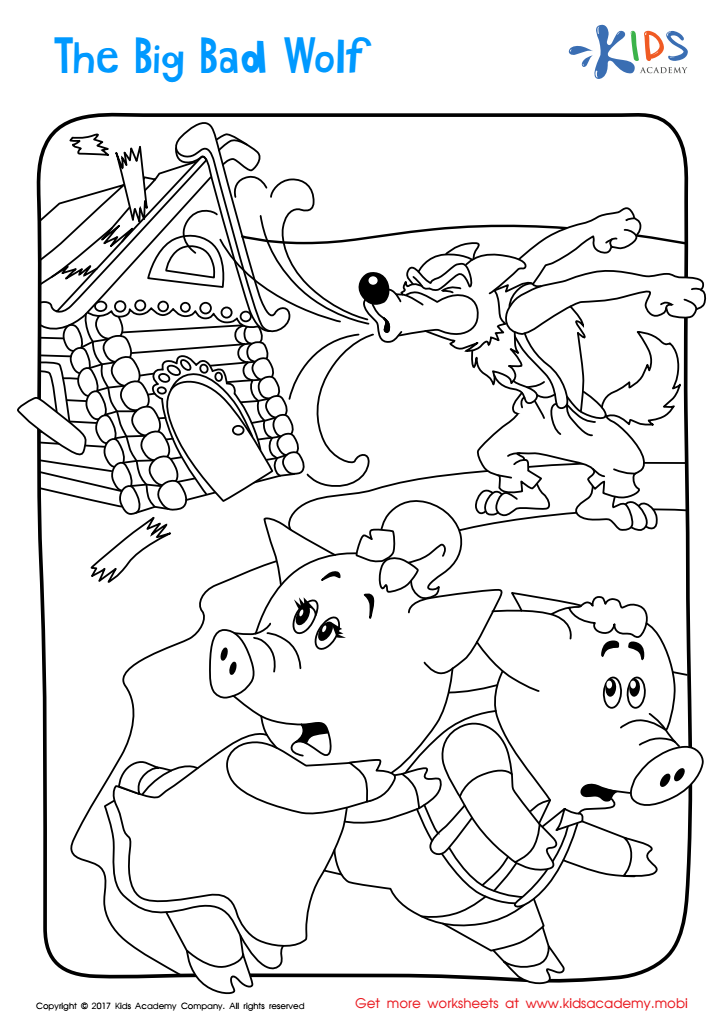
Big Bad Wolf Printable Coloring Page
Assign to My Students








Parents and teachers should prioritize fine motor skills development in children aged 7-9 as these skills are integral to their overall growth and academic performance. Fine motor skills, the coordination of small muscles in the hands and fingers, enable children to perform tasks such as writing, cutting, and manipulating objects. Mastery of these skills supports the act of reading, especially when engaging with fiction that requires critical thinking and comprehension.
As children delve into fictional texts, they often engage in activities like writing summaries or creating illustrations. These tasks necessitate proficient fine motor capabilities, which can affect their confidence and willingness to participate in literacy activities. Strong fine motor skills assist in holding pencils correctly, which promotes better handwriting and enables effective written expression of their thoughts about the stories they read.
Moreover, reading fiction fosters creativity and imagination; when combined with fine motor skill activities like crafting or drawing related to the story, it enriches the child's learning experience. By developing fine motor skills, students can better express their understanding, enhance their enjoyment of reading, and navigate their imaginative journeys, leading to a more holistic educational experience. Thus, supporting the growth of fine motor skills directly impacts children's literacy and creative development.








