Reading development Alphabet Worksheets for 7-Year-Olds
3 filtered results
-
From - To
Discover our engaging Reading Development Alphabet Worksheets designed specifically for 7-year-olds! These interactive resources support your child's literacy journey by focusing on essential phonics and vocabulary skills. Our worksheets feature colorful illustrations and fun activities, making learning both enjoyable and effective. As children recognize letters, sounds, and words, they gain confidence in their reading abilities. Tailored to match developmental milestones, these worksheets provide valuable practice in letter recognition, sound associations, and word formation. Perfect for homeschooling or extra practice at home, our reading development resources will help your child build a strong foundation in literacy. Explore the joy of reading today!
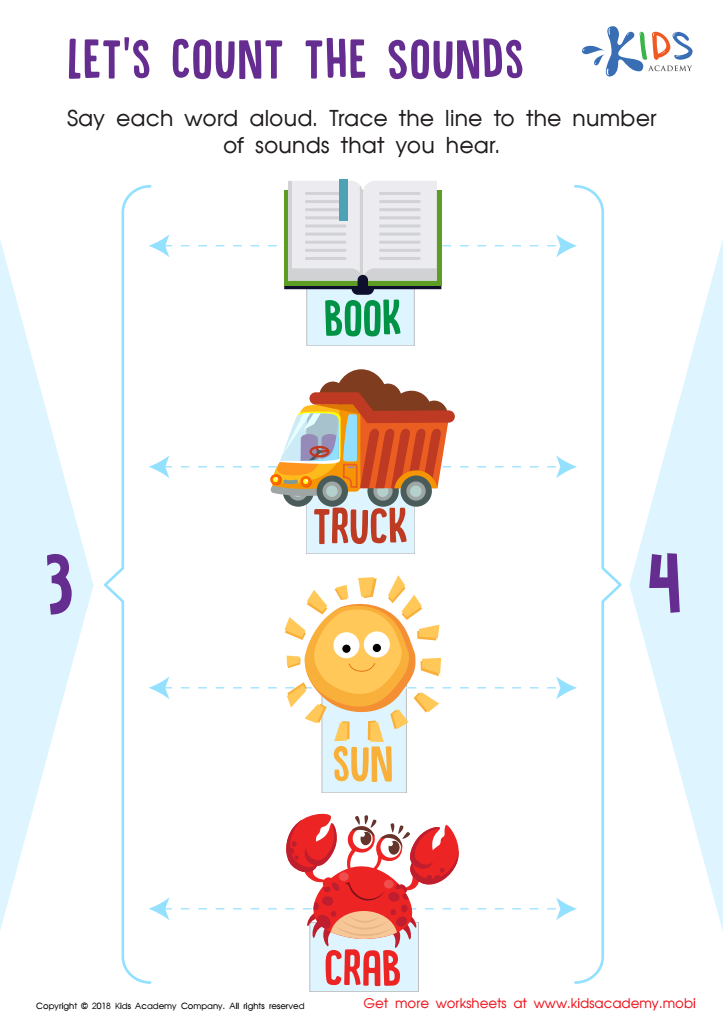
Let's Count the Sounds Worksheet
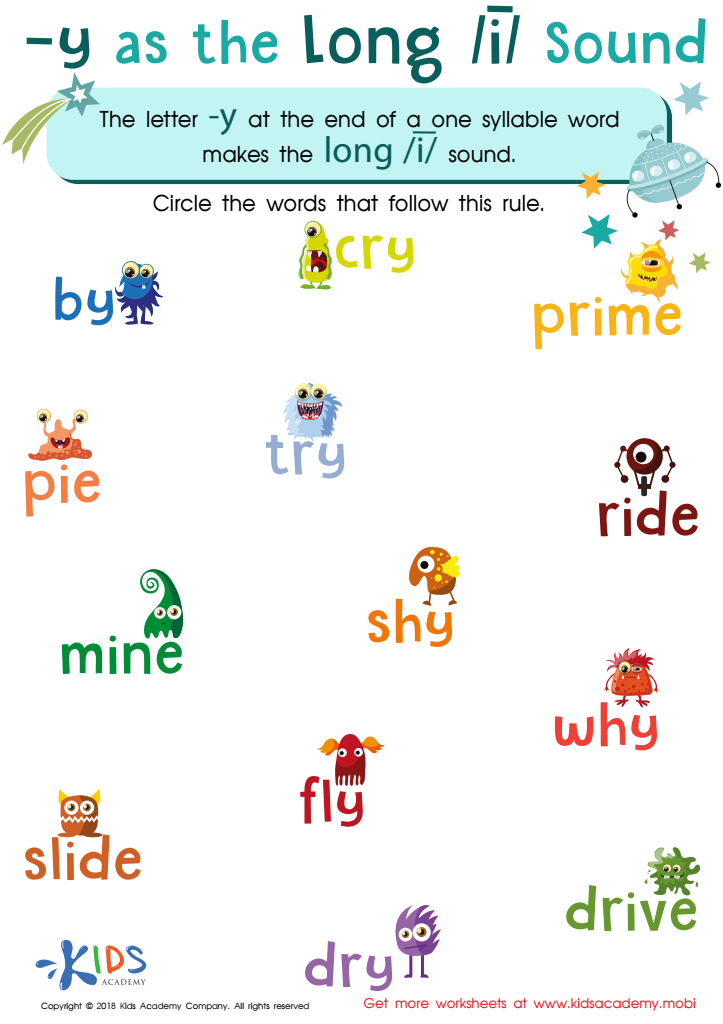
Reading: Y as Long I Worksheet
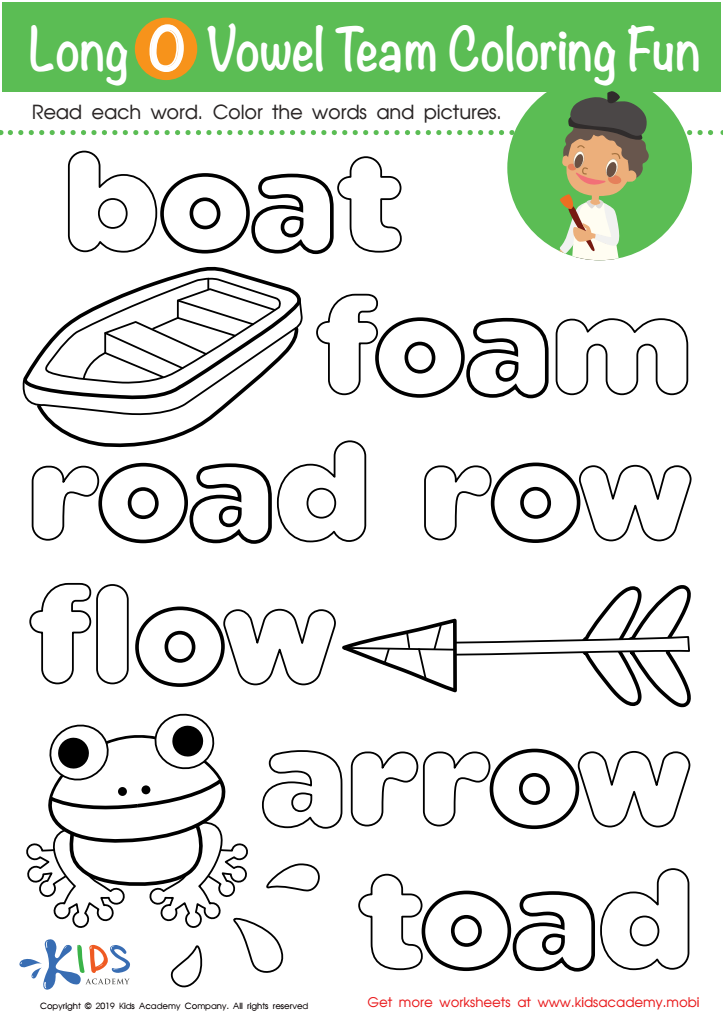
Long O Vowel Team Coloring Worksheet
 Assign to My Students







Parents and teachers should care about reading development, especially regarding the alphabet, for 7-year-olds because it lays the foundation for crucial language skills. At this age, children are transitioning from learning to read to reading to learn, making strong alphabet knowledge vital. Mastery of the alphabet helps children decode words, which translates to improved comprehension and fluency.
Understanding the alphabet also supports vocabulary expansion, writing skills, and communication. Children who are proficient in recognizing and using letters effectively can express their ideas clearly and begin to write narratives and informational texts. Moreover, reading development contributes to cognitive growth, critical thinking, and problem-solving skills.
A solid grasp of the alphabet fosters a love for reading, cultivating lifelong habits that can affect a child's academic and social outcomes. Additionally, students who struggle with reading at this stage may face challenges in future educational endeavors, leading to a cycle of frustration. Therefore, parents and teachers should collaborate to create engaging, supportive reading environments that nurture alphabet knowledge through purposeful activities, games, and reading together. This proactive approach can empower children, enhance their self-esteem, and motivate them to become enthusiastic and confident readers.







