Enhancing problem-solving skills Chess Worksheets for 7-Year-Olds
3 filtered results
-
From - To
Boost your 7-year-old's critical thinking and problem-solving abilities with our engaging Chess Worksheets! Designed specifically for young learners, these worksheets transform chess strategies into fun and interactive challenges. By exploring various chess scenarios, children will develop essential cognitive skills, such as logical reasoning and decision-making. Activities include tactical puzzles, pattern recognition, and strategy application, making learning both enjoyable and beneficial. Our resources are perfect for the classroom or home environment, fostering a love for chess while enhancing analytical thinking. Watch your child thrive as they navigate different chess problems with confidence and creativity, preparing them for future challenges in a playful way!
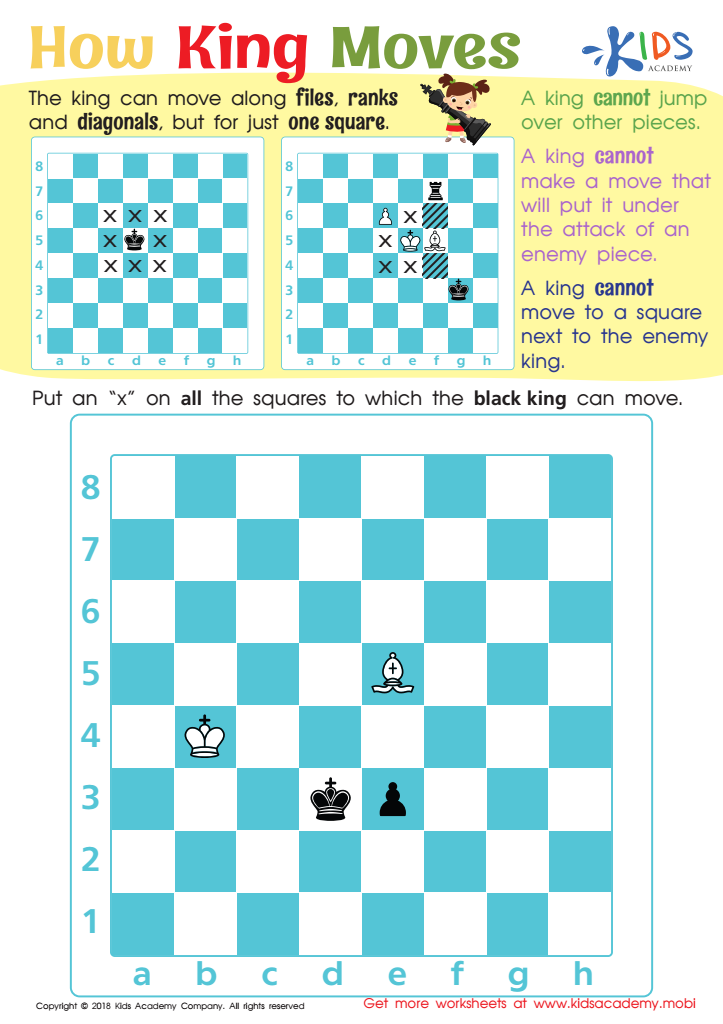
How King Moves Worksheet
 Assign to My Students
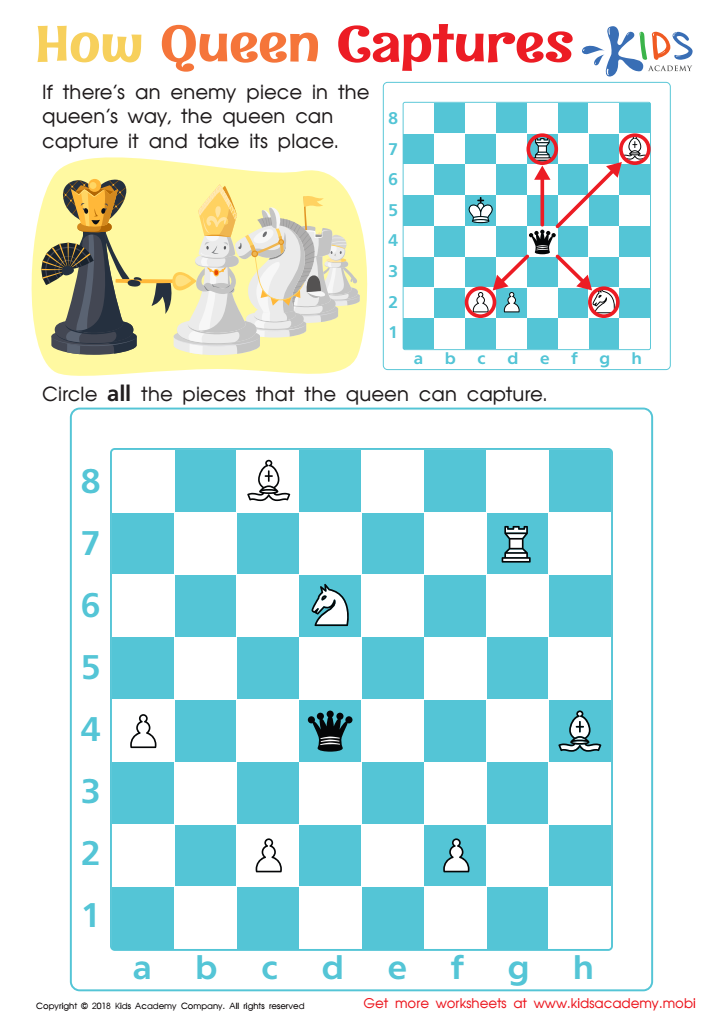
How Queen Captures Worksheet
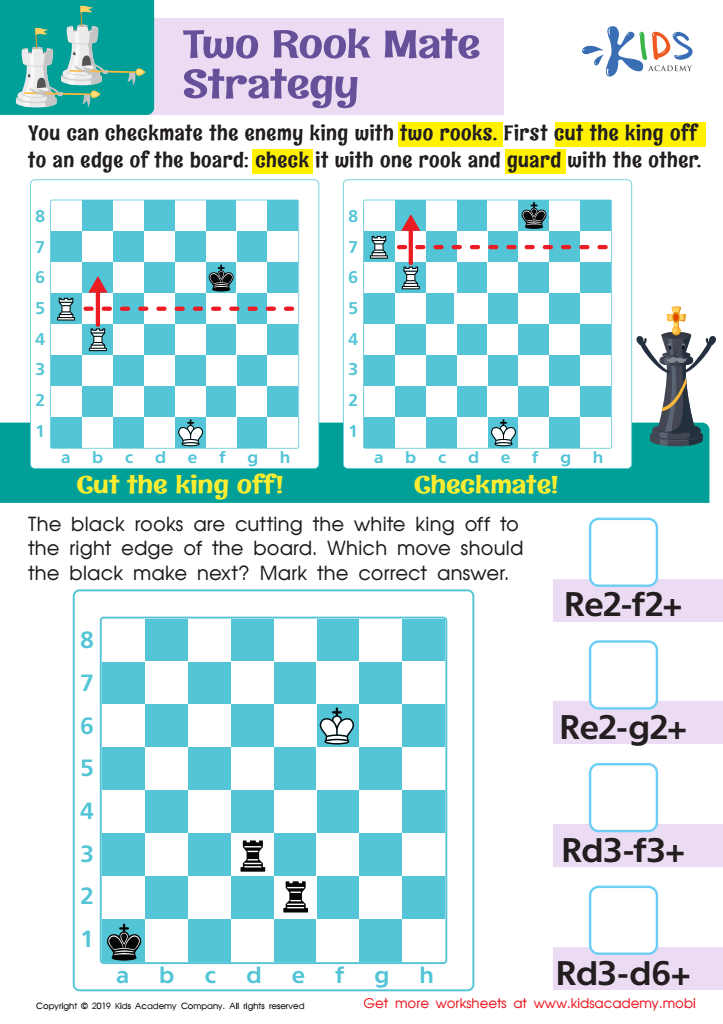
Two Rook Mate Strategy Worksheet




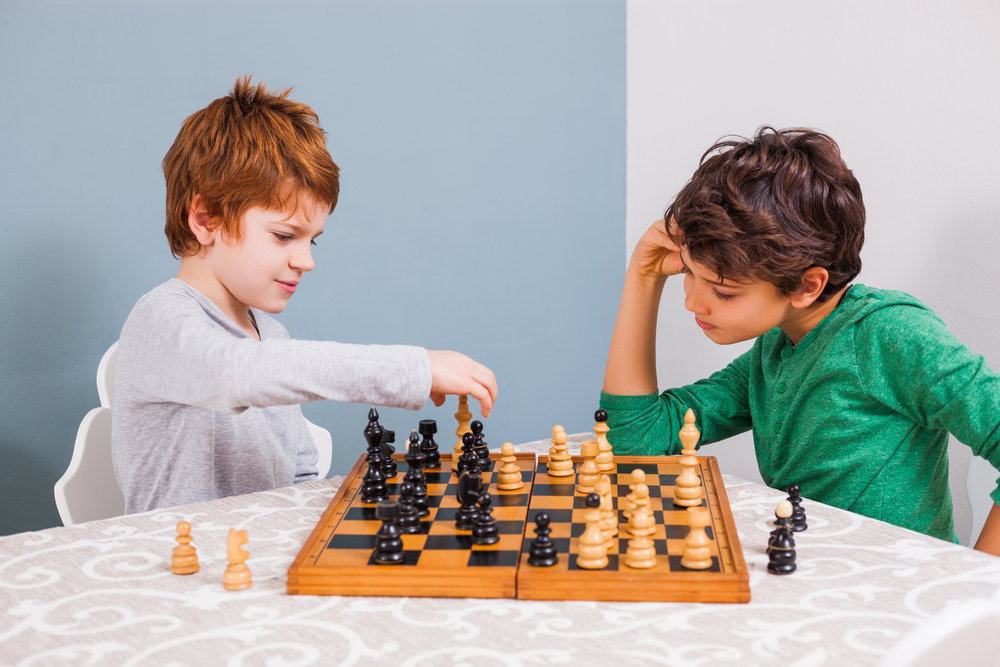

Enhancing problem-solving skills in children through chess is an invaluable endeavor for both parents and teachers. At the age of seven, children are at a critical phase in their cognitive development, where fostering analytical thinking and strategic reasoning can make a significant impact on their overall intellectual growth. Chess teaches kids to analyze potential outcomes, recognize patterns, and evaluate various strategies before making decisions. These cognitive skills are not only essential in the realm of chess but also translate into real-life situations—enabling children to tackle challenges more effectively, whether in academics or personal experiences.
Moreover, playing chess improves concentration, patience, and self-discipline. As children engage in this game, they learn to face setbacks, reflecting on their choices to enhance future performances. These lessons in resilience are fundamental in building a robust character, helping children understand that persistence often leads to success. Chess also encourages social interaction, as it can be played in various community settings, promoting teamwork and communication skills.
By supporting problem-solving skills through chess, parents and teachers equip children with tools that foster lifelong learning. This investment in their cognitive development lays a strong foundation for critical thinking and adaptability—skills essential for navigating an increasingly complex world.