Color recognition Plants Worksheets for 7-Year-Olds
5 filtered results
-
From - To
Boost your 7-year-old's learning with our Color Recognition Plants Worksheets! Specially designed for young minds, these vibrant and interactive worksheets combine the fascinating world of plants with essential color recognition skills. Children will love coloring various plant species while enhancing their understanding of different hues and shades. Each worksheet features fun activities that promote observation, creativity, and knowledge retention, making learning about plants an exciting adventure. Perfect for at-home practice or classroom use, these printables provide an engaging, educational experience tailored to foster a love for nature and colors. Download your free worksheets today at Kids Academy!
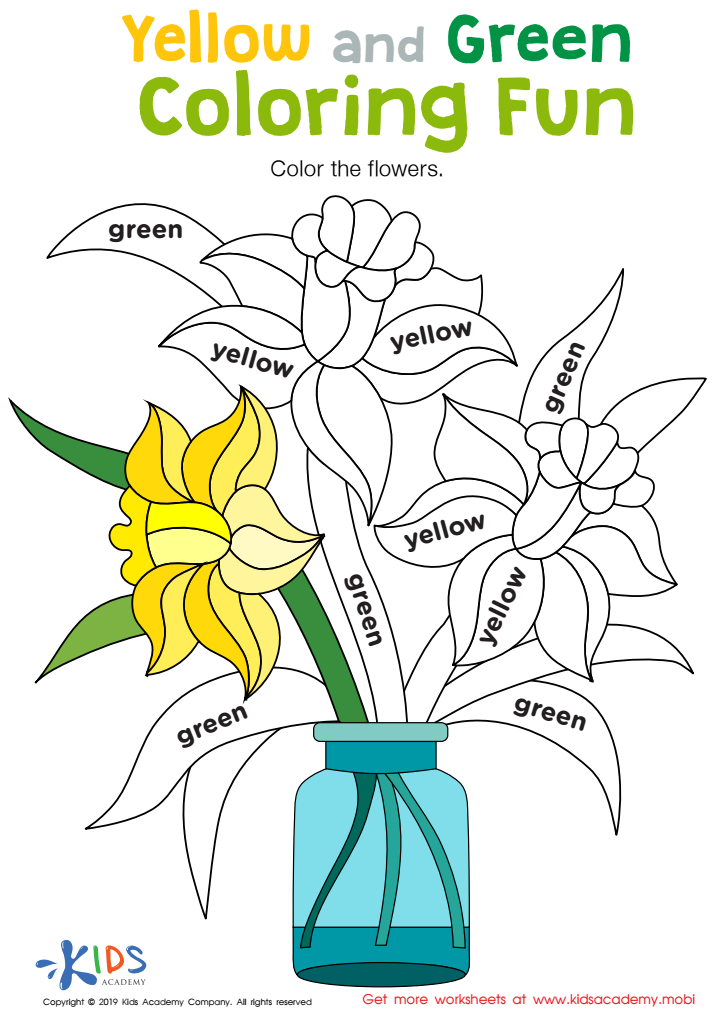
Yellow and Green Coloring Fun Worksheet
 Assign to My Students


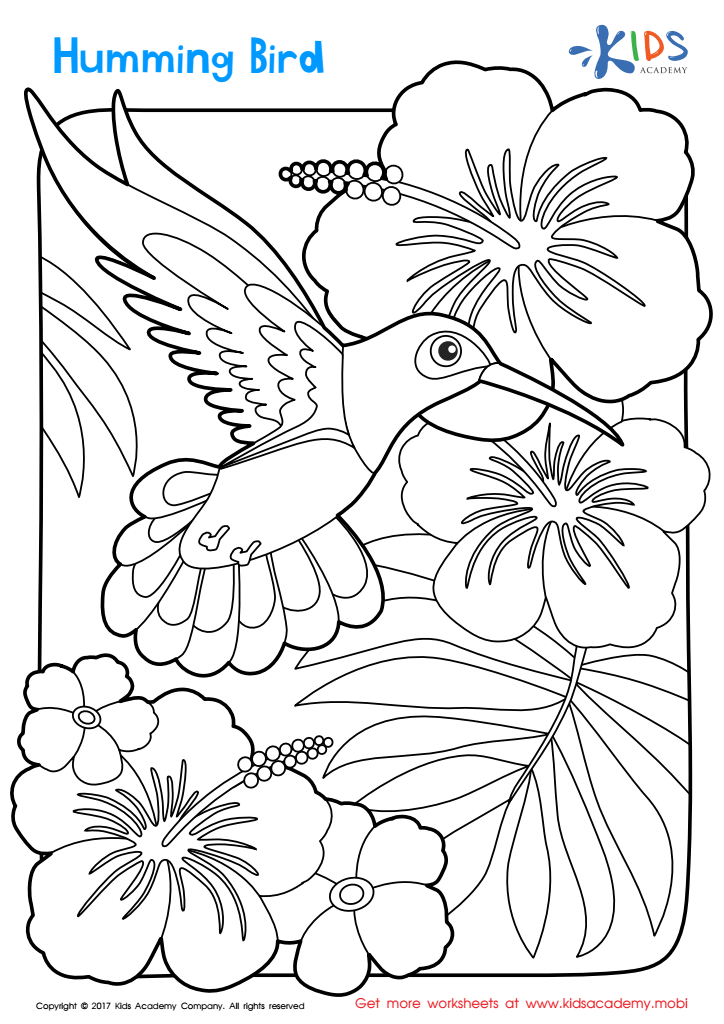
Humming Bird Worksheet
Assign to My Students
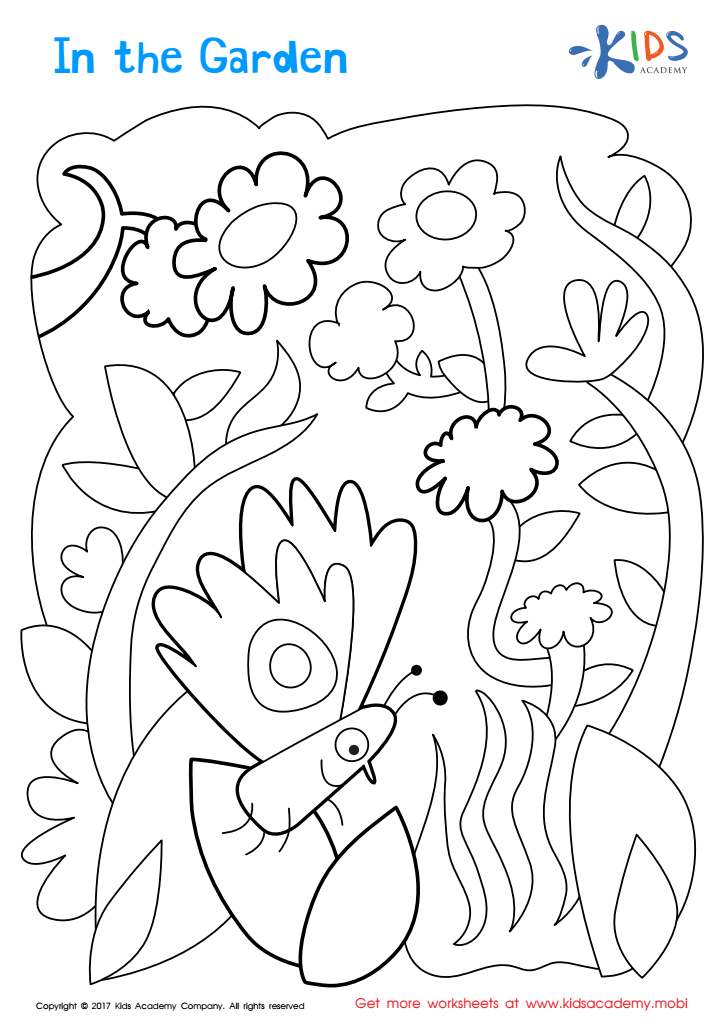
In The Garden Coloring Page
Assign to My Students
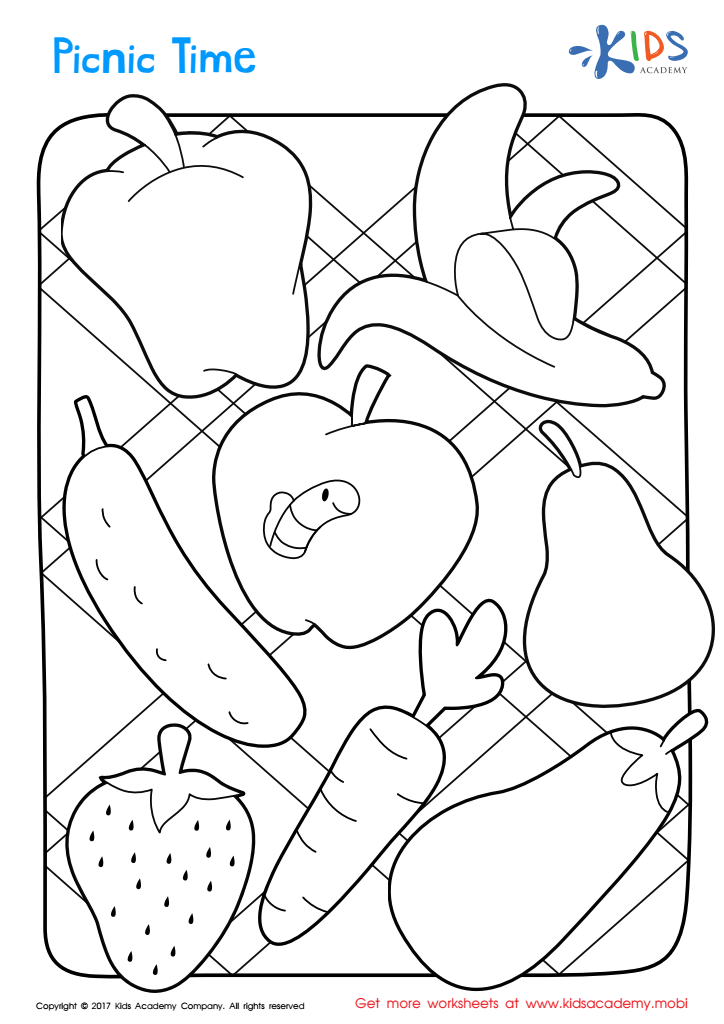
Picnic Time Coloring Page
Assign to My Students
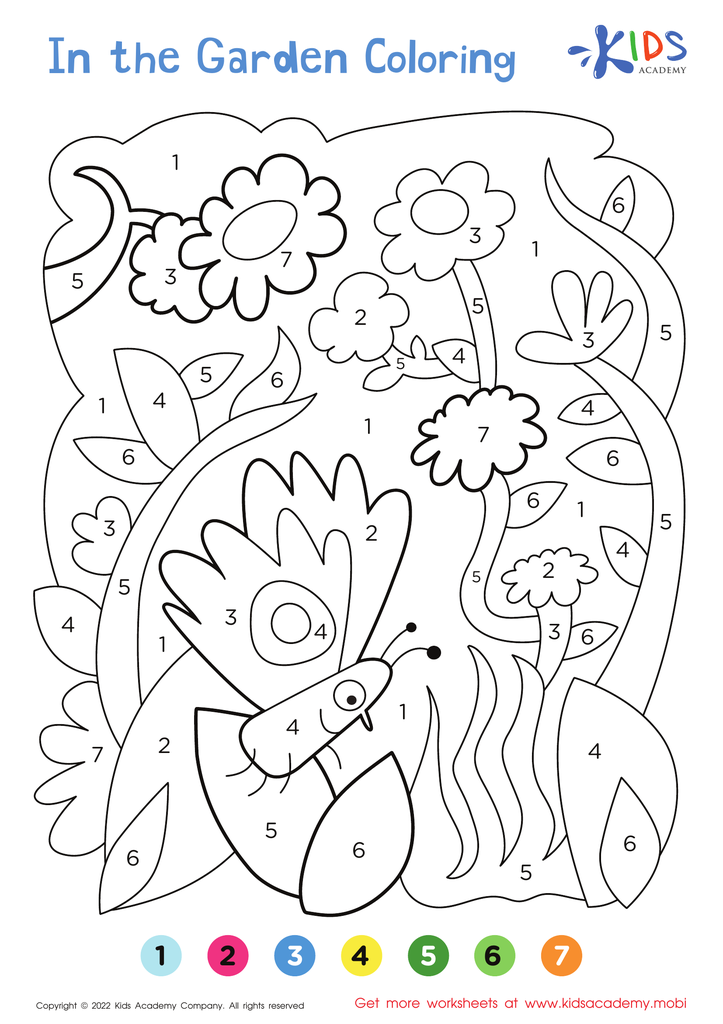
In the Garden – Coloring by Numbers







Near my geographical area each spring, the community hosts a "Colorful Blossoms" event where kids engage with various plants and flowers to learn about different colors. Observing this festival, it's clear how pivotal color recognition in plants is for young children, especially those aged around 7. At this developmental stage, understanding color not only boosts their cognitive skills but also enriches their daily experiences.
Firstly, focusing on color recognition in plants instills a sense of wonder and curiosity about nature in kids. These young minds are like sponges, absorbing information rapidly. By engaging with colorful flowers and leaves, children begin to understand biodiversity and appreciate the natural world. This bond with nature can spark lifelong interests in science, gardening, or environmental conservation.
Secondly, color recognition hones numerous cognitive skills. For 7-year-olds, associating specific colors with particular plants helps improve memory and observational acuity. This activity also aids language development, as kids learn new adjectives and terms to describe what they see.
Lastly, social skills see a boost too. When parents or teachers guide children through these color-based activities, they create a collaborative, supportive environment that fosters teamwork and communication. In essence, color recognition through engaging with plants serves as a multifaceted educational experience that equips children with both academic and life skills.