Alphabet Recognition English for Beginners Worksheets for 7-Year-Olds
32 filtered results
-
From - To
Boost your child's language skills with our engaging "Alphabet Recognition Worksheets for 7-Year-Olds." Designed specifically for beginners, these worksheets provide a fun and interactive way to help young learners identify and recognize English letters. Each activity is crafted to enhance phonetic awareness and improve letter recognition through colorful images, games, and creative exercises. Perfect for parents and teachers, these resources are ideal for ESL learners or those seeking to build a strong foundation in English. Download our worksheets today and watch your child gain confidence as they explore the exciting world of the English alphabet!
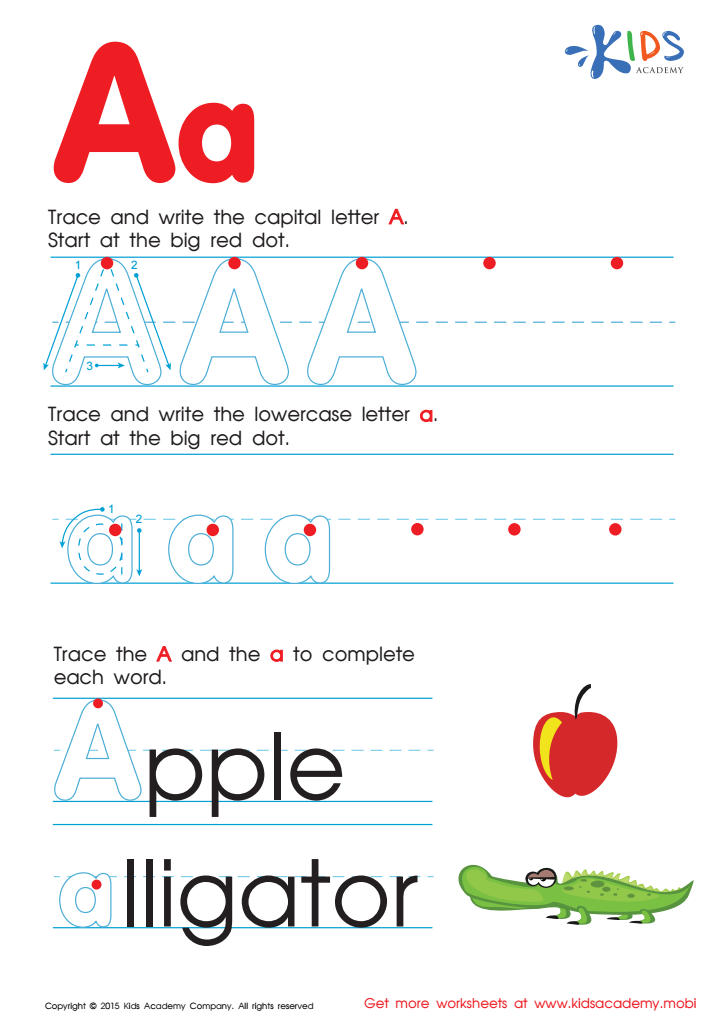
Letter A Tracing Page
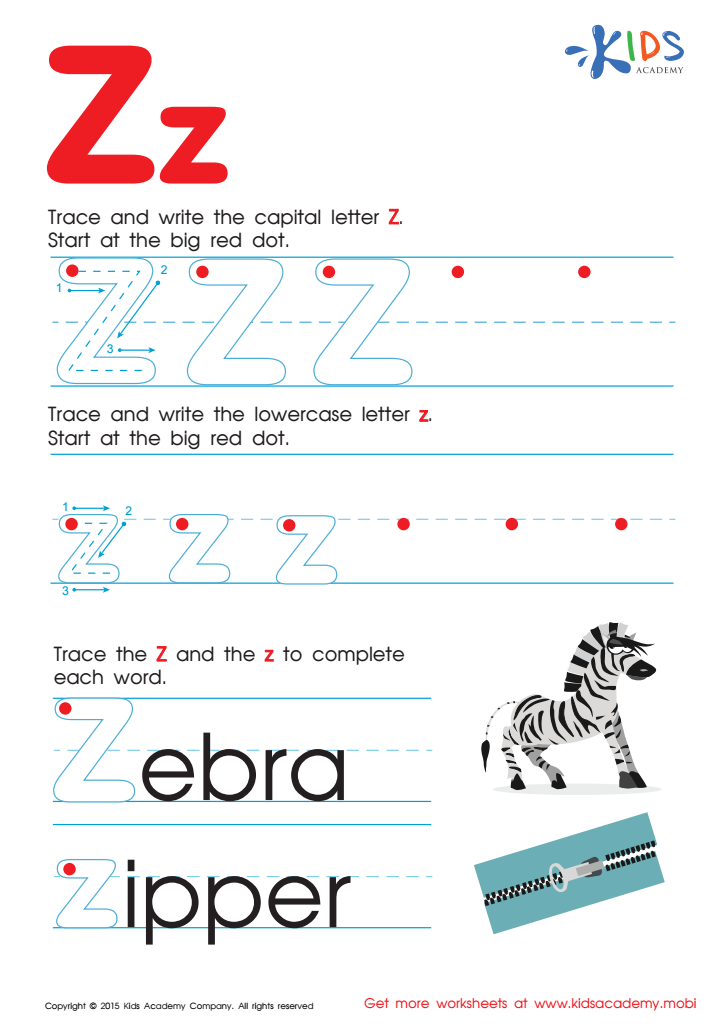
Letter Z Tracing Page
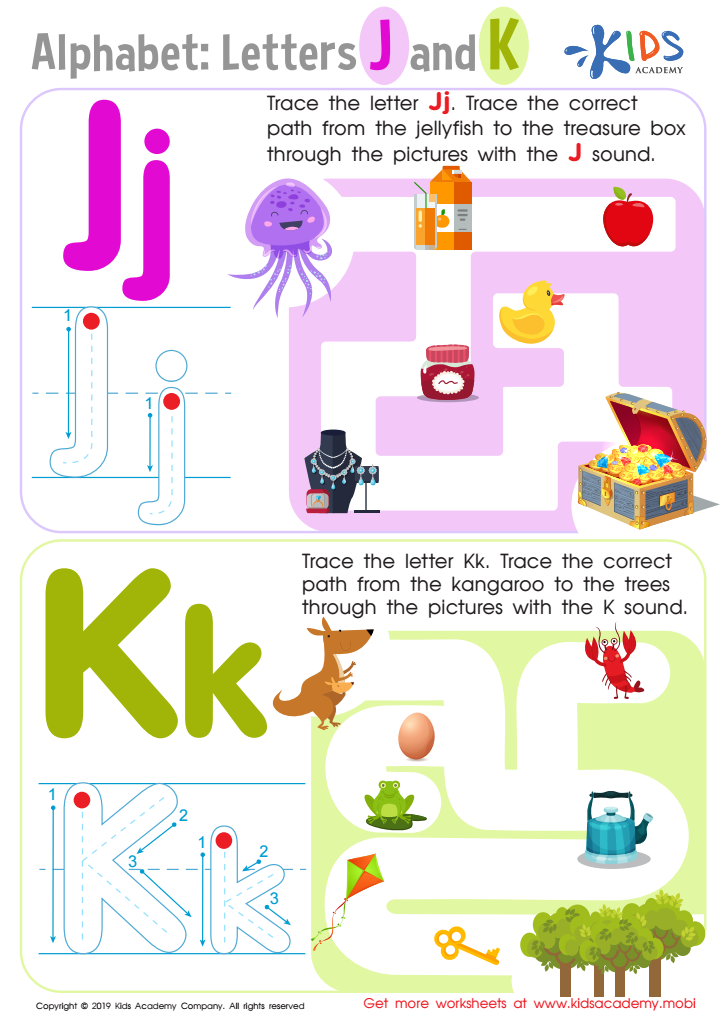
Letters J and K Tracing Worksheet
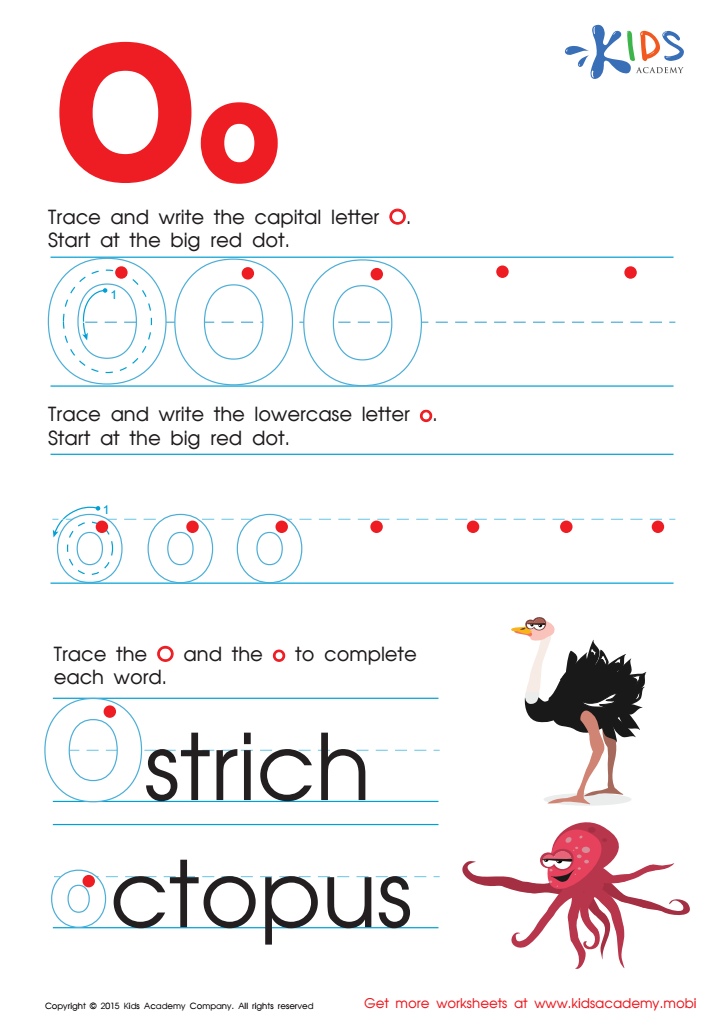
Letter O Tracing Page
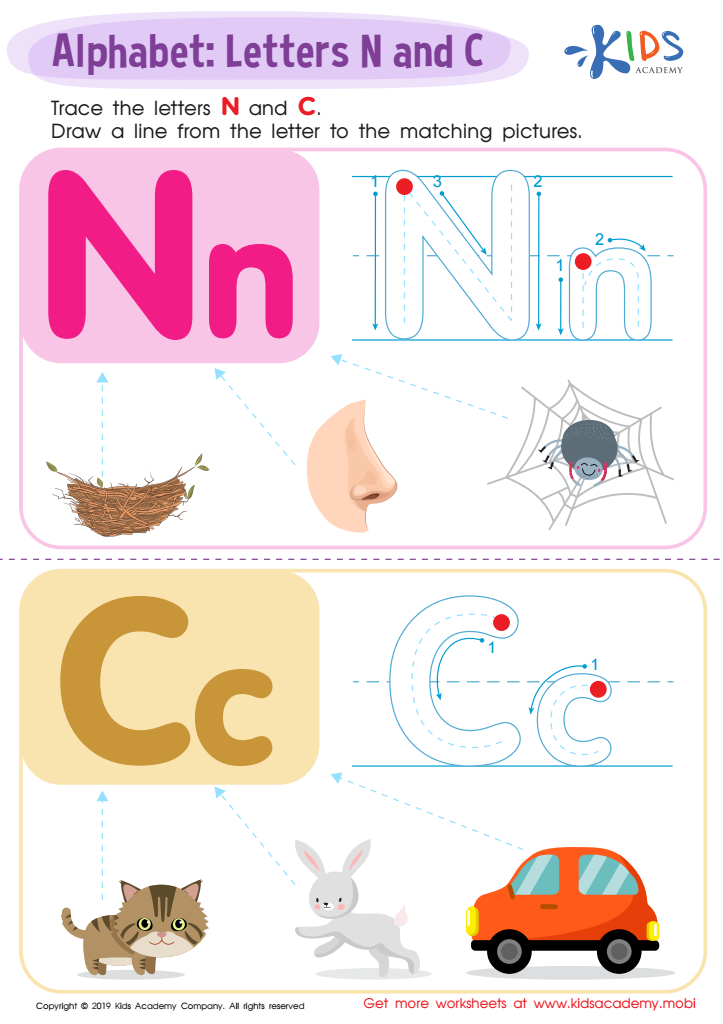
Letter N and C Tracing Worksheet
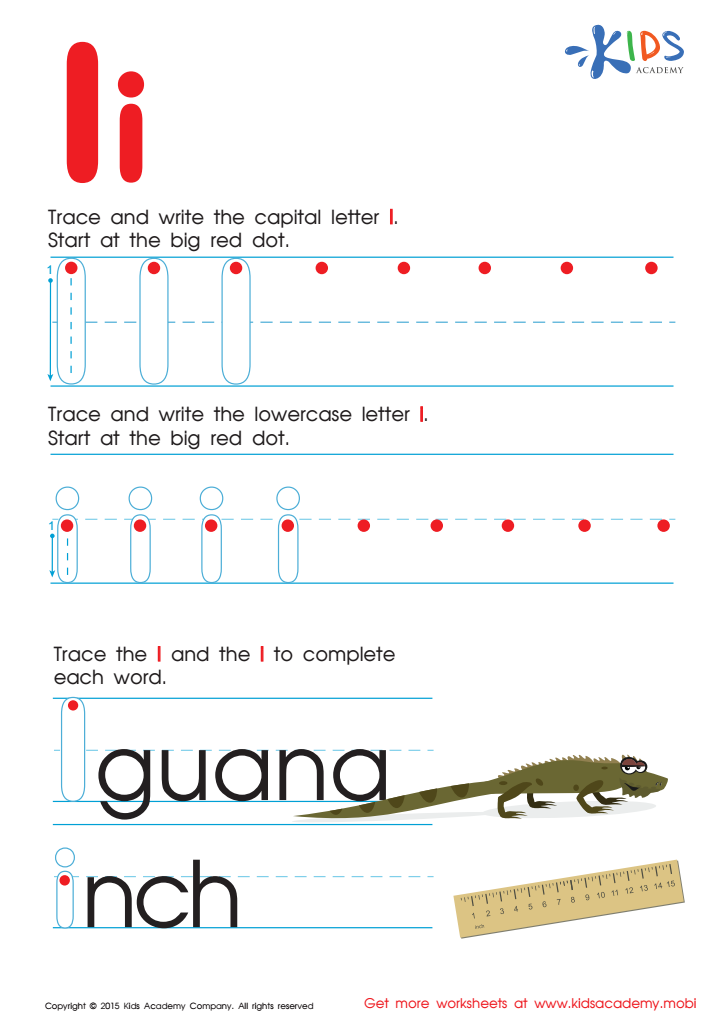
Letter I Tracing Page
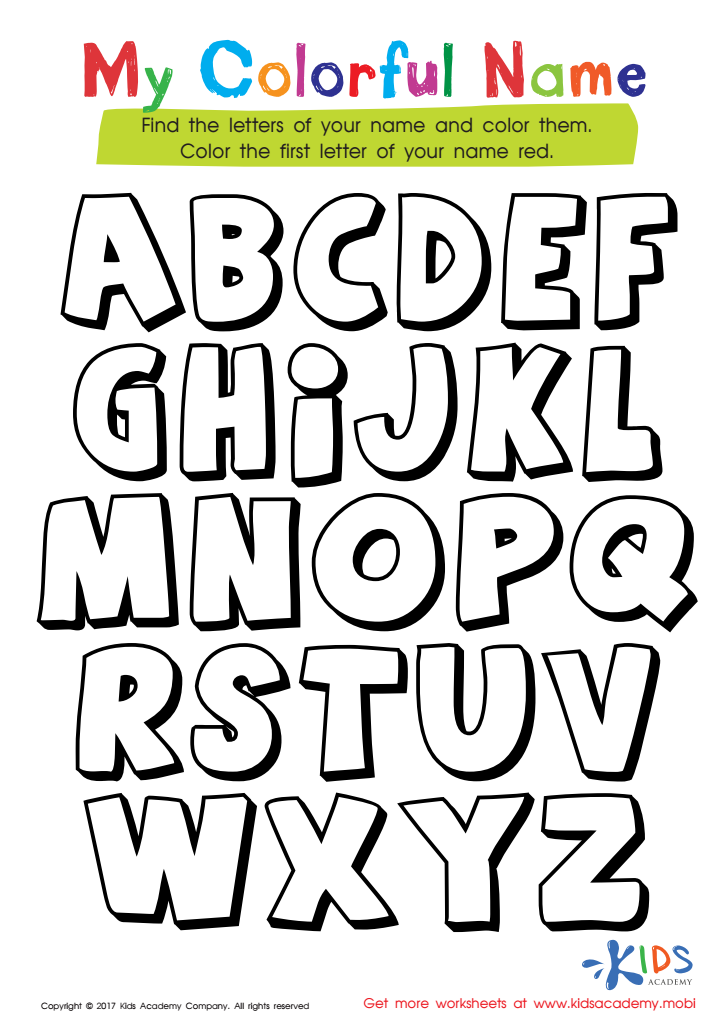
My Colorful Name Worksheet
 Assign to My Students
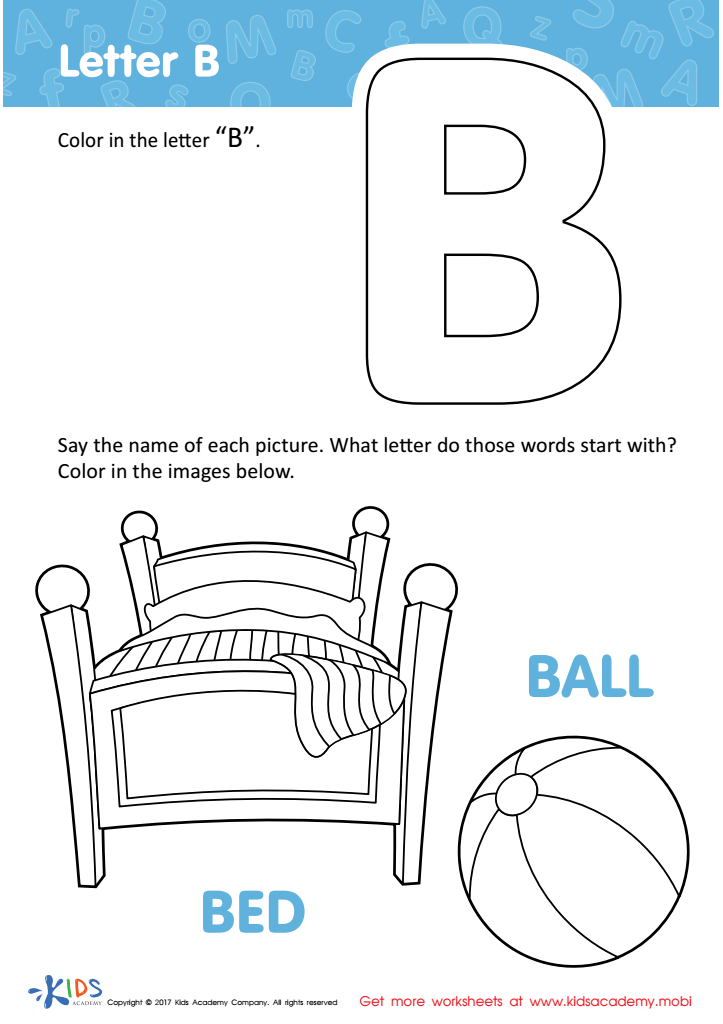
Letter B Coloring Sheet
Assign to My Students
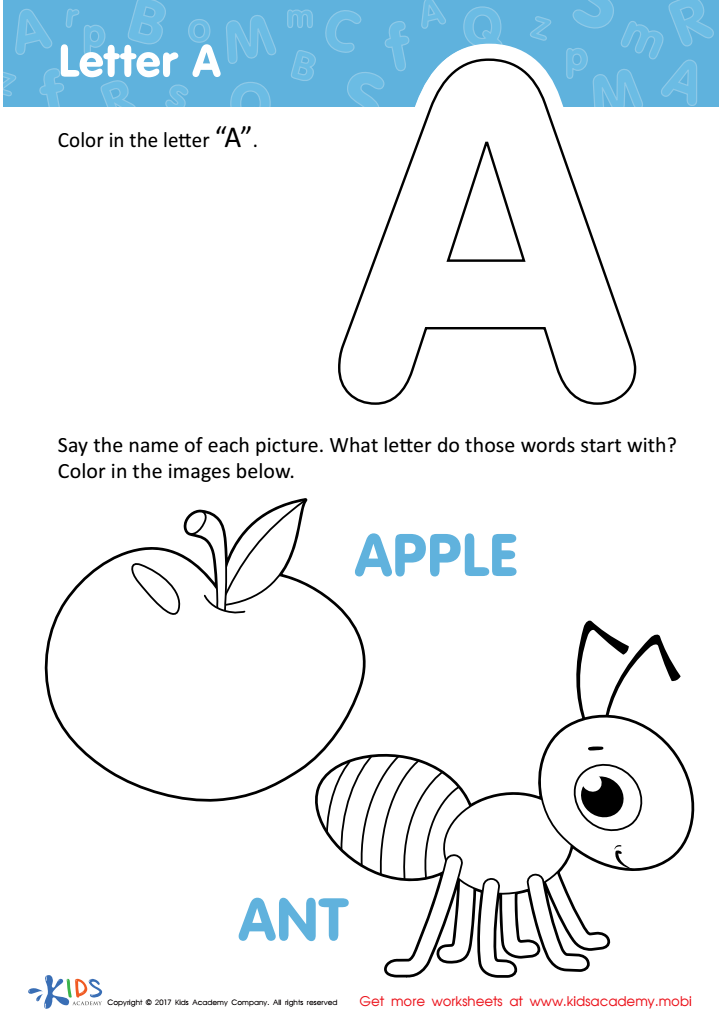
Letter A Coloring Sheet
Assign to My Students
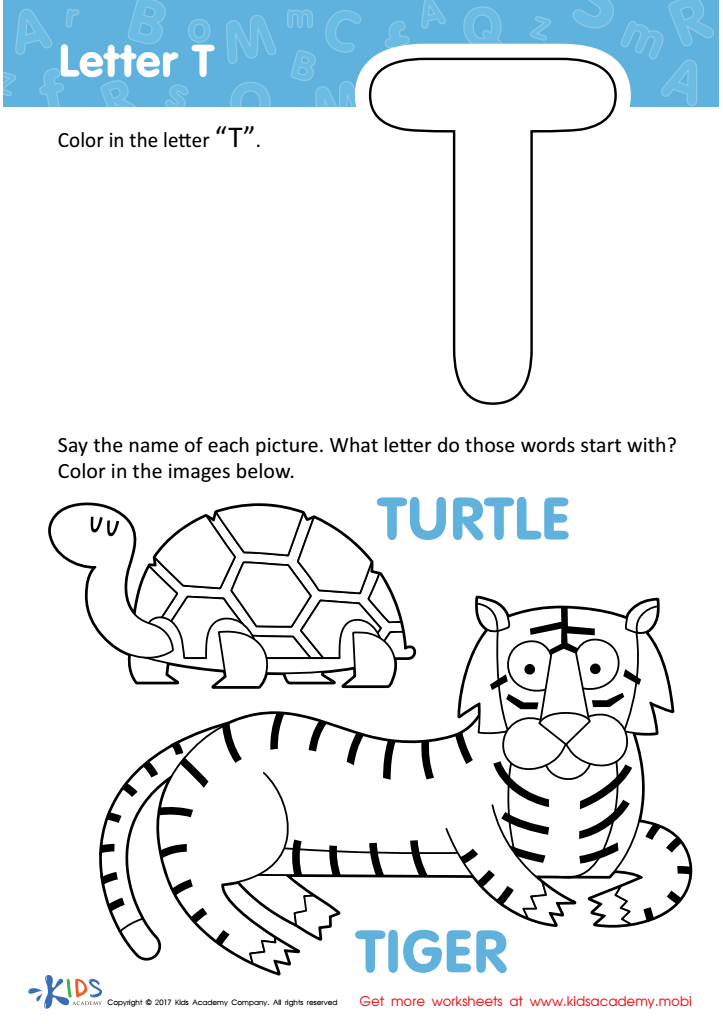
Letter T Coloring Sheet
Assign to My Students
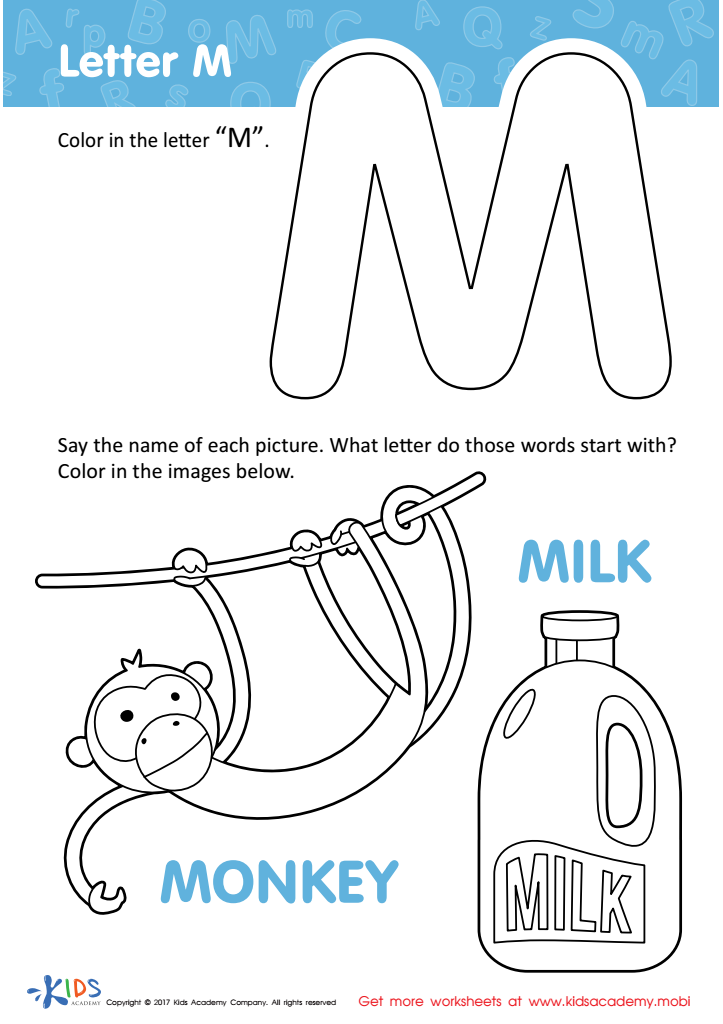
Letter M Coloring Sheet
Assign to My Students
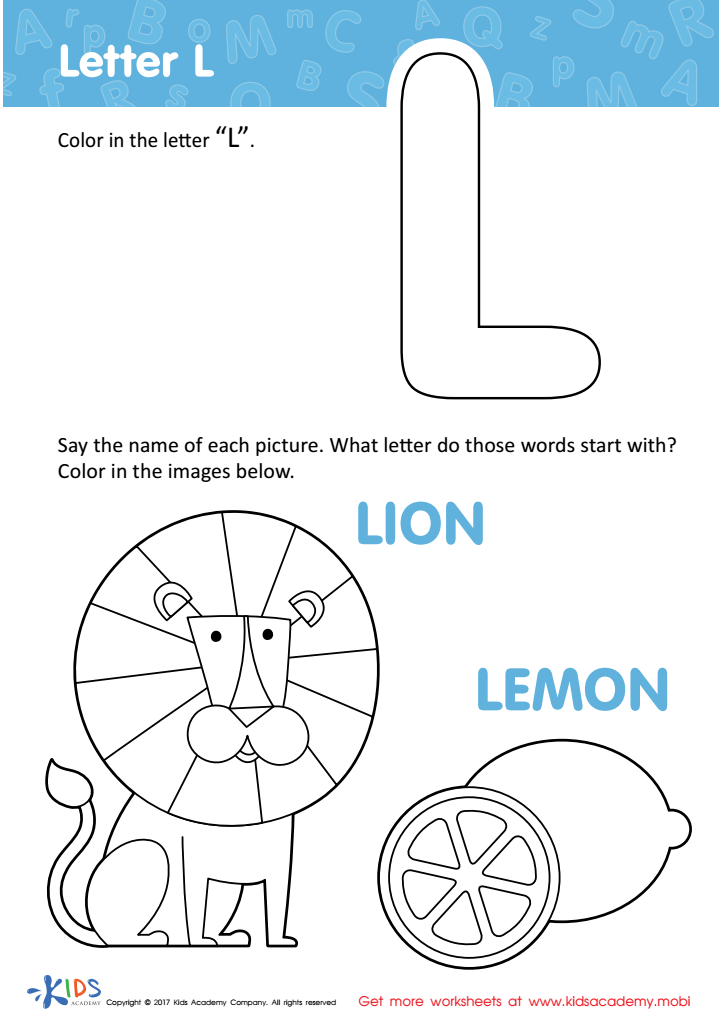
Letter L Coloring Sheet
Assign to My Students
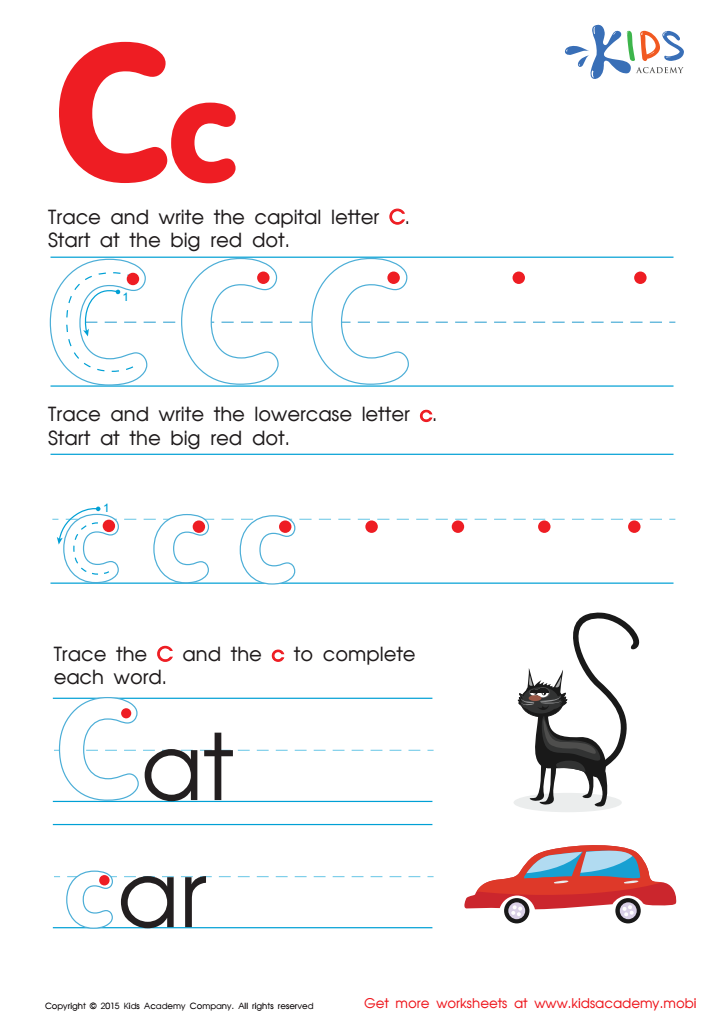
Letter C Tracing Page
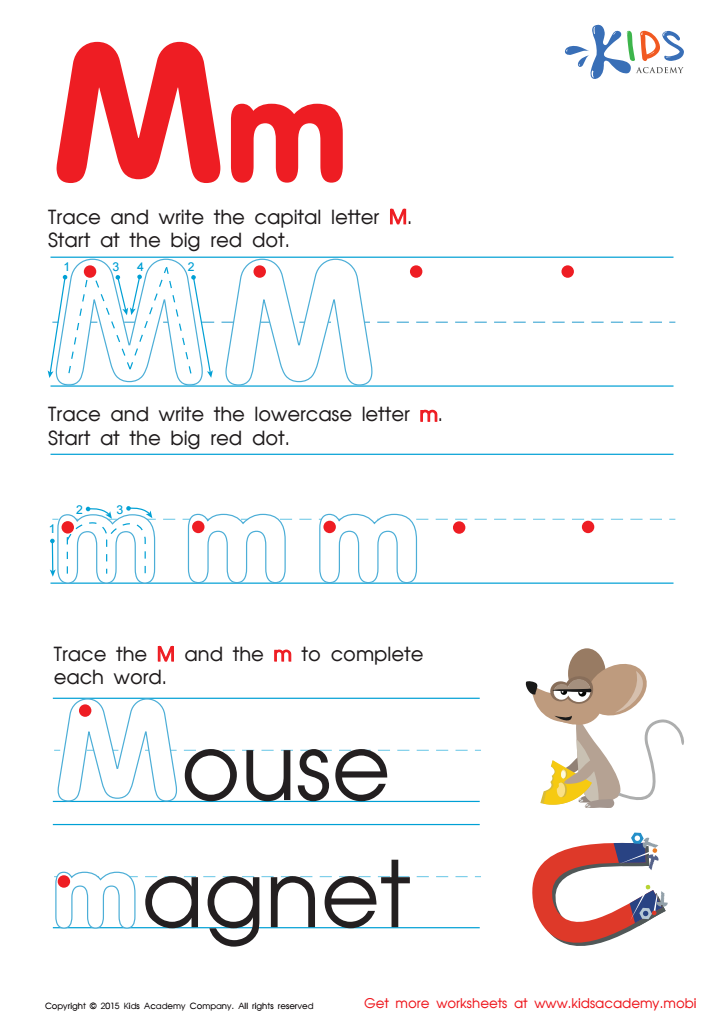
Letter M Tracing Page
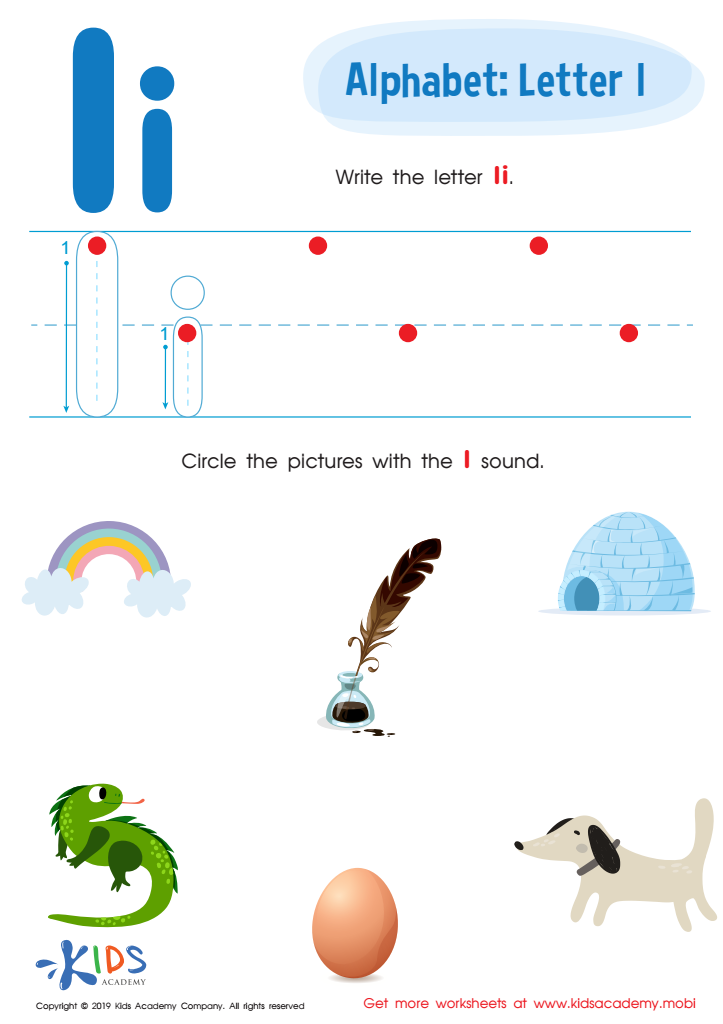
Letter I Tracing Worksheet
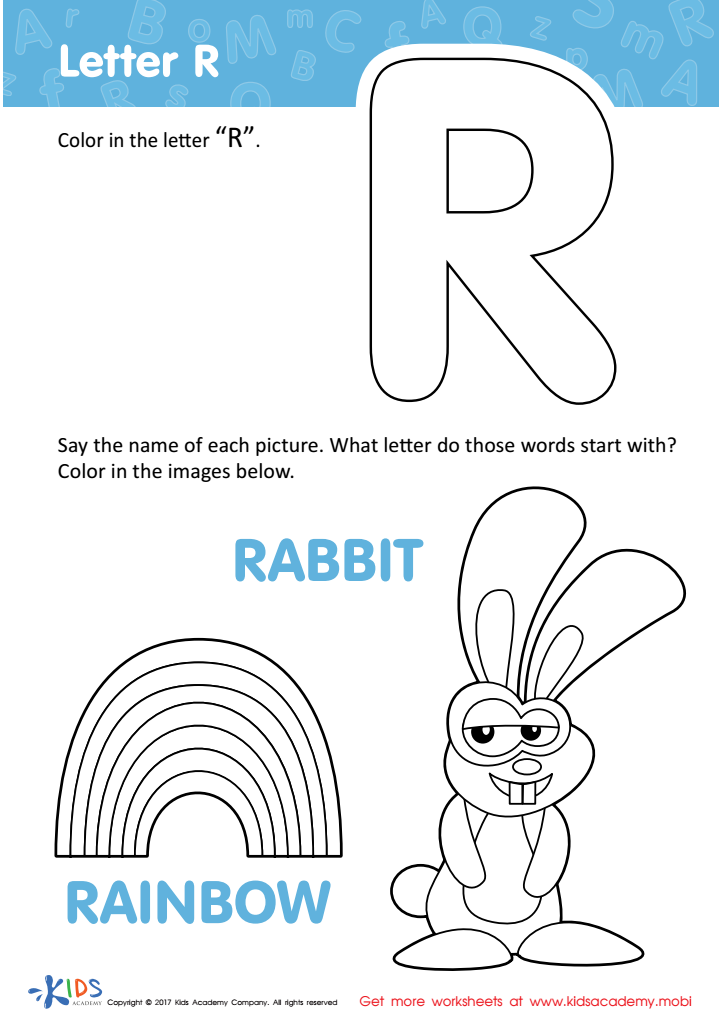
Letter R Coloring Sheet
Assign to My Students
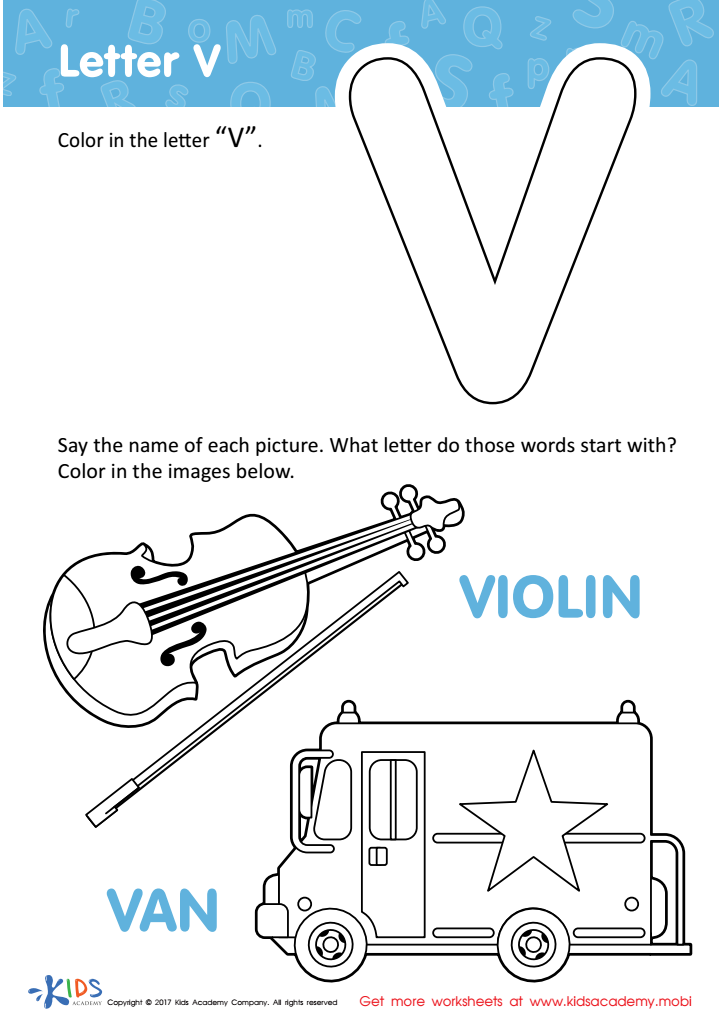
Letter V Coloring Sheet
Assign to My Students
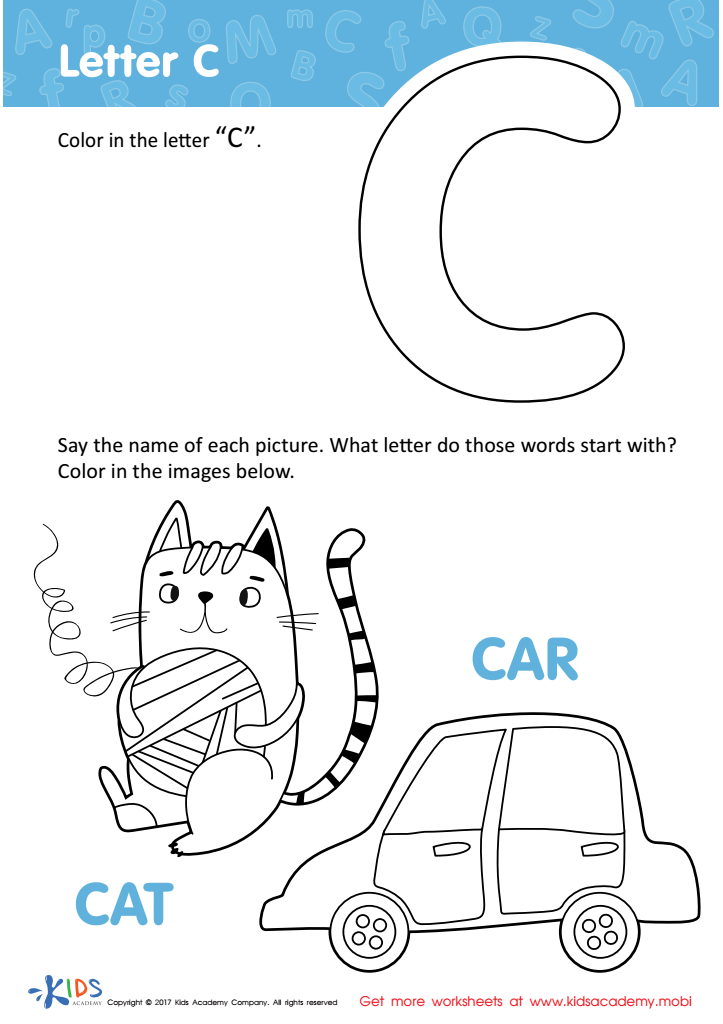
Letter C Coloring Sheet
Assign to My Students
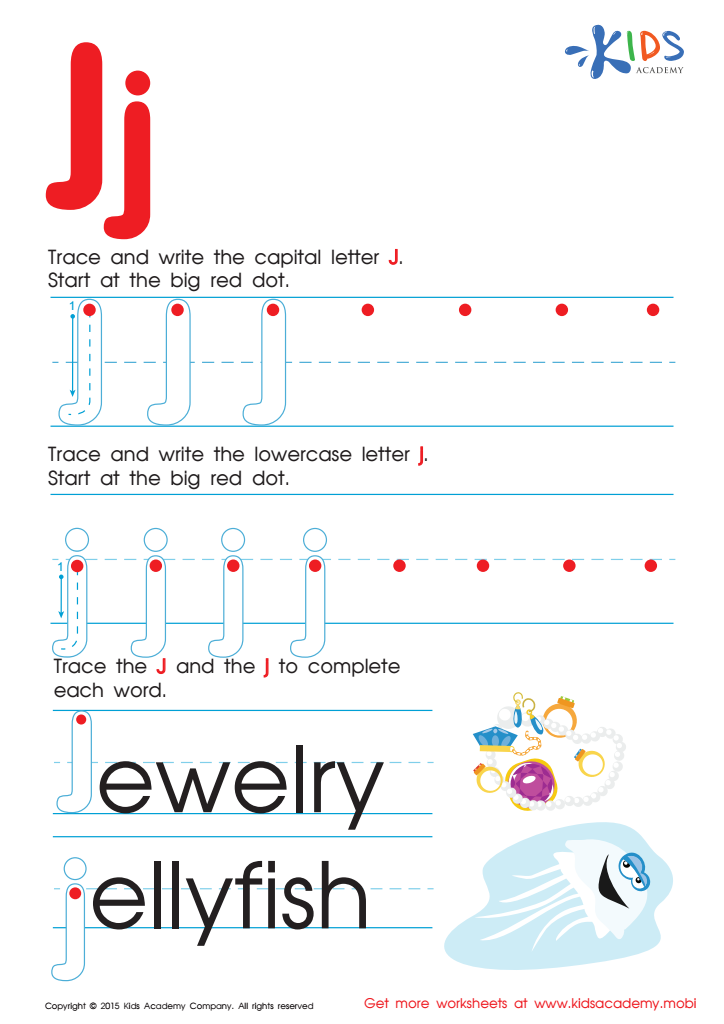
Letter J Tracing Page
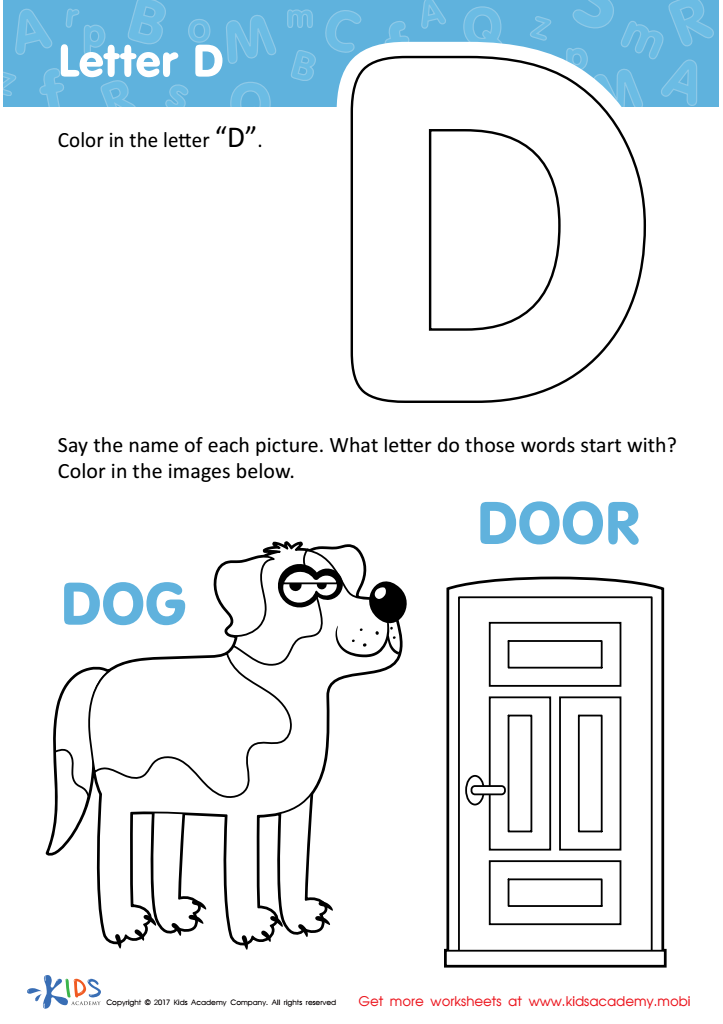
Letter D Coloring Sheet
Assign to My Students
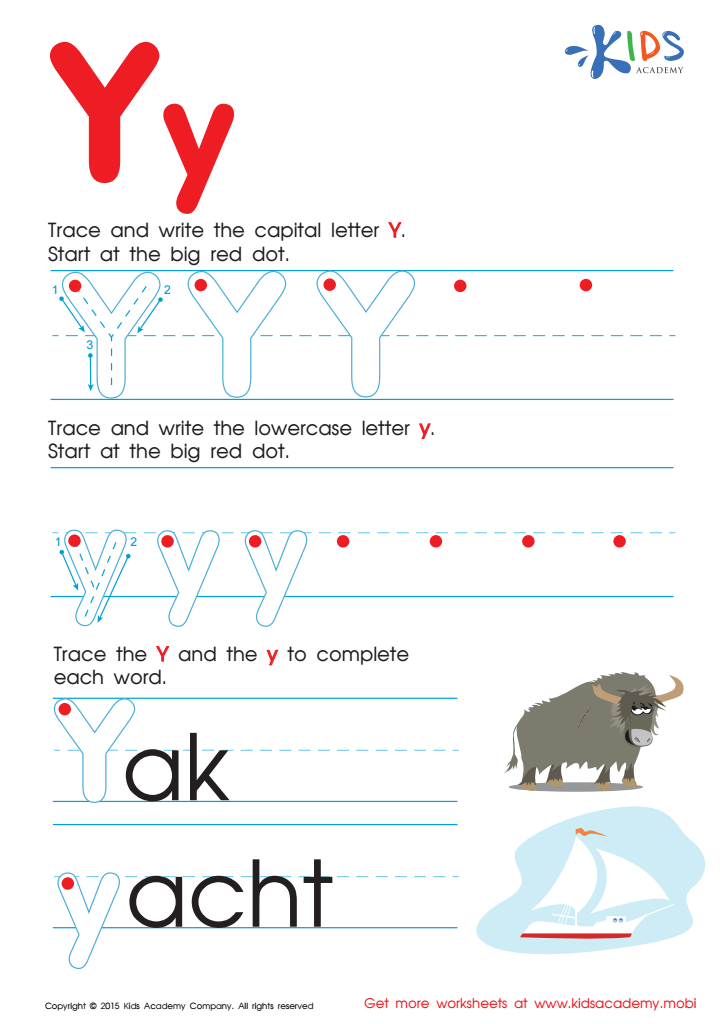
Letter Y Tracing Page
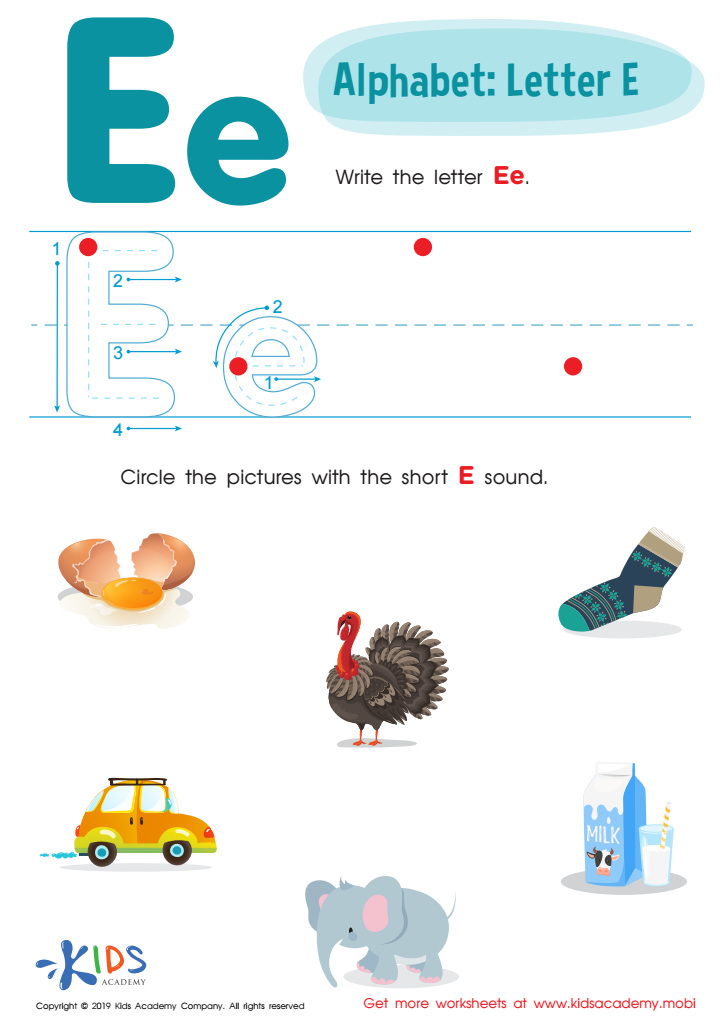
Letter E Tracing Worksheet
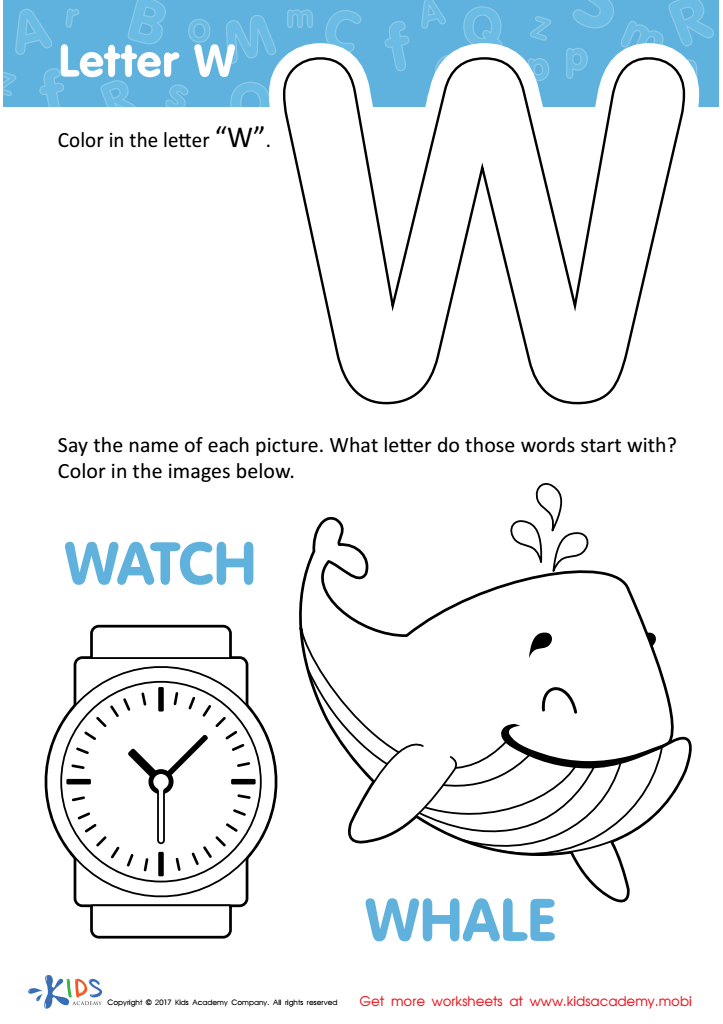
Letter W Coloring Sheet
Assign to My Students
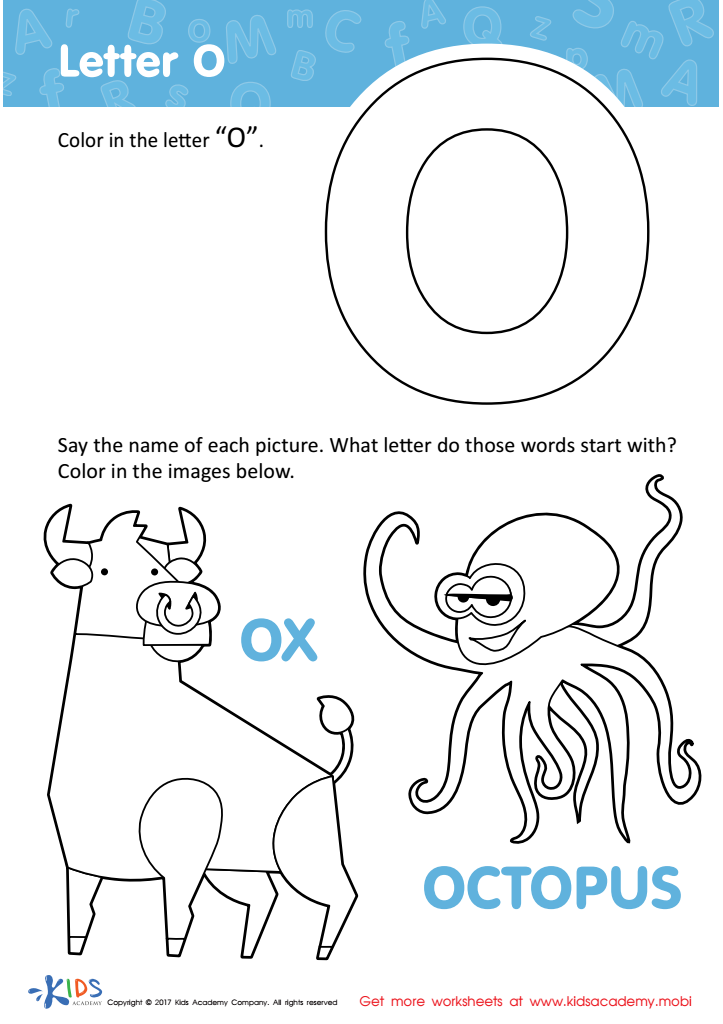
Letter O Coloring Sheet
Assign to My Students





Alphabet recognition is a foundational skill for young learners, making it crucial for both parents and teachers to prioritize this in the education of 7-year-olds. At this age, children are transitioning from learning the basics of letters to understanding their sounds and forming words. Recognizing the alphabet helps improve their reading and writing skills, not only supporting academic success but also boosting self-confidence in their language abilities.
Moreover, knowing the alphabet is essential for developing phonemic awareness, which is the ability to hear, identify, and manipulate individual sounds in spoken words. This skill enhances literacy by enabling children to decode new words as they encounter them in texts.
Encouraging Alphabet recognition also fosters a love for reading and learning. Interactive games, engaging activities, and consistent practice at home and in school can make the learning process enjoyable. When children can recognize letters and their associated sounds, they are more likely to explore books, engage in storytelling, and express themselves creatively.
Ultimately, investing time and effort into mastering alphabet recognition sets the groundwork for proficient reading, writing, and overall literacy development, which are vital skills for lifelong learning. Parents and teachers play an integral role in supporting this essential learning phase.