Cognitive Development English for Beginners Worksheets for 7-Year-Olds
10 filtered results
-
From - To
Unlock your child's potential with our "Cognitive Development English for Beginners Worksheets" designed specifically for 7-year-olds. These engaging resources promote critical thinking and problem-solving skills while building essential language proficiency. Each worksheet features fun activities that encourage children to connect concepts, enhance vocabulary, and strengthen comprehension. Perfect for ESL learners, our worksheets provide a playful yet effective approach to language acquisition. Foster creativity and curiosity in young minds as they explore foundational English language skills in an enjoyable way. Get started today and watch your child thrive in their language journey! Ideal for parents and educators working together for success.

Red and Blue Coloring Fun Worksheet
 Assign to My Students
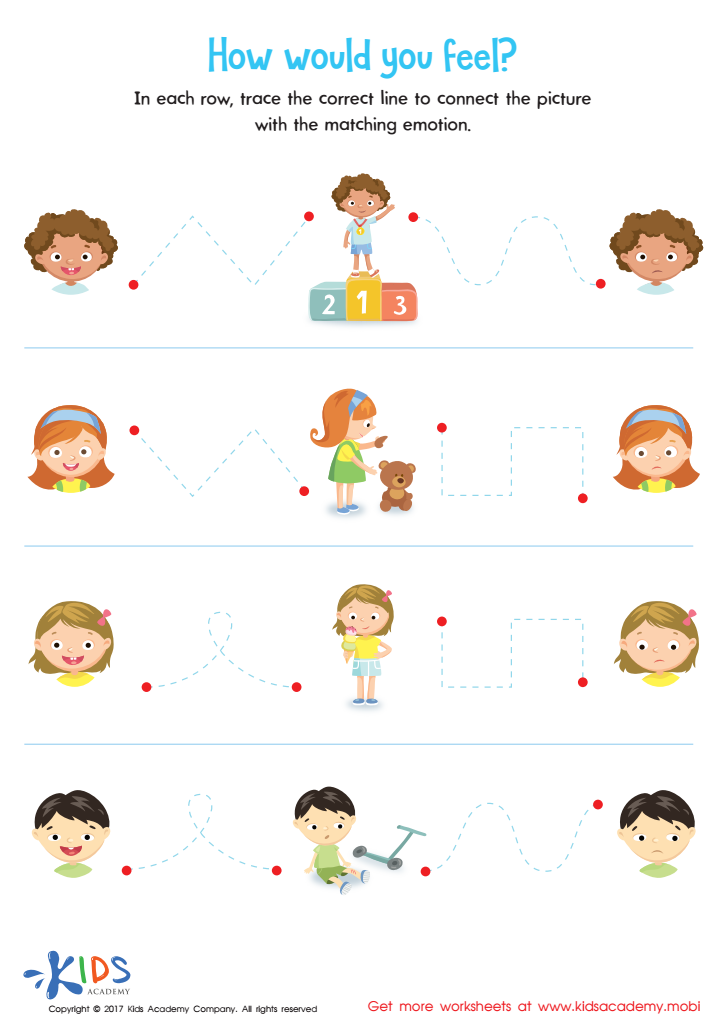
Feelings and Emotions Worksheet
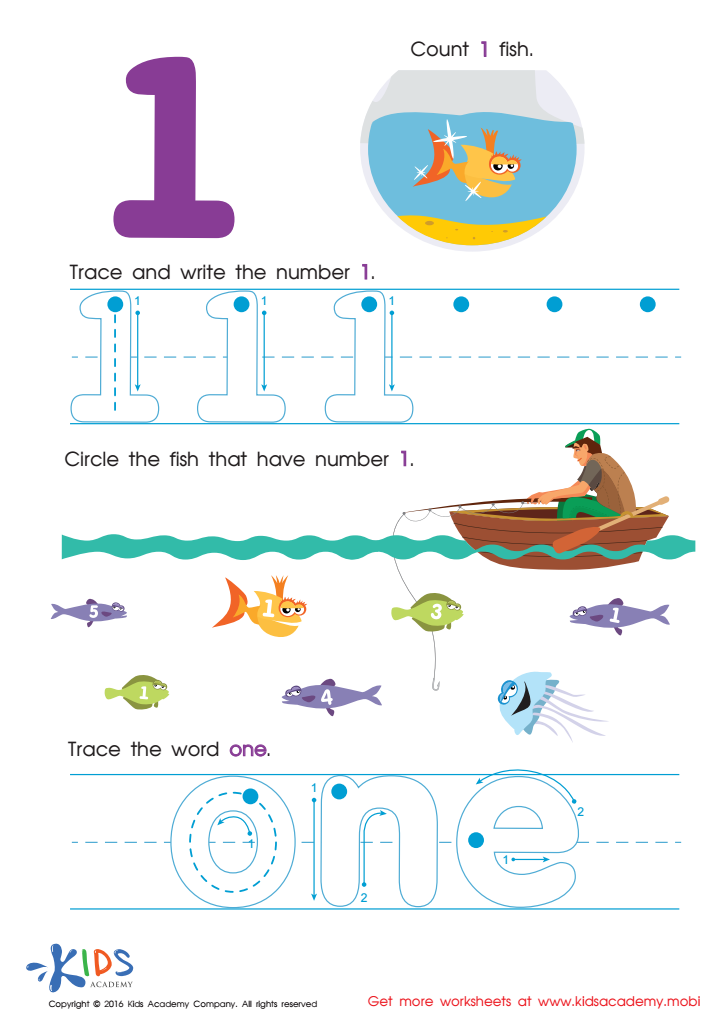
Learning to Write 1 Worksheet
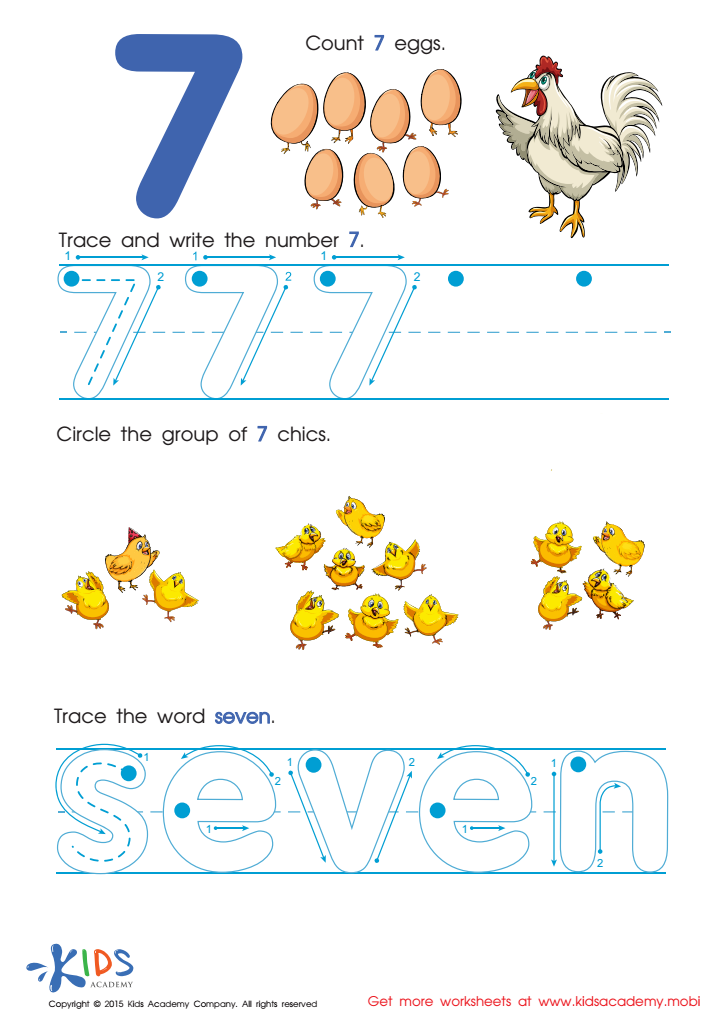
Trace And Write Number 7 with Fun Worksheet
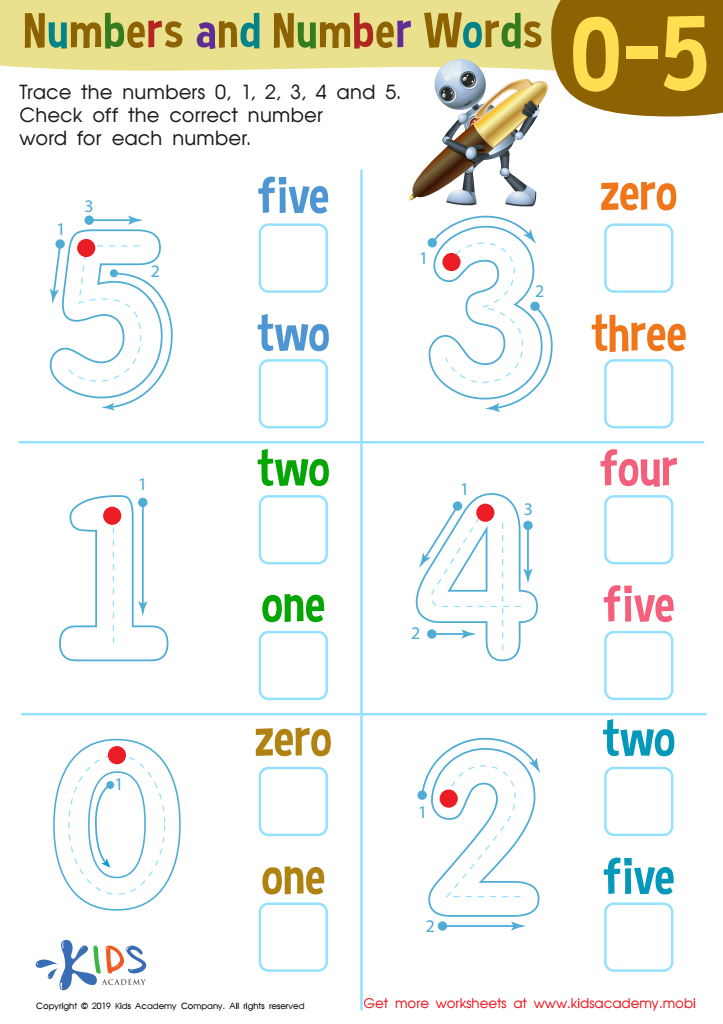
Numbers and Number Words Worksheet

Red Tracing Color Words Printable
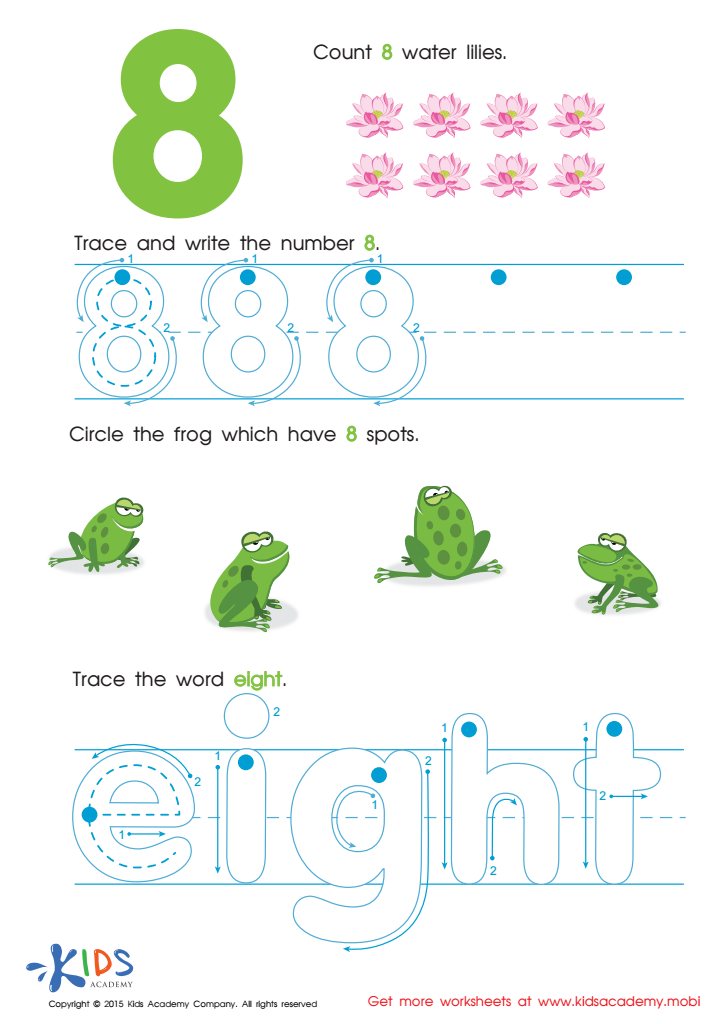
Learn Number 8 Easily Worksheet
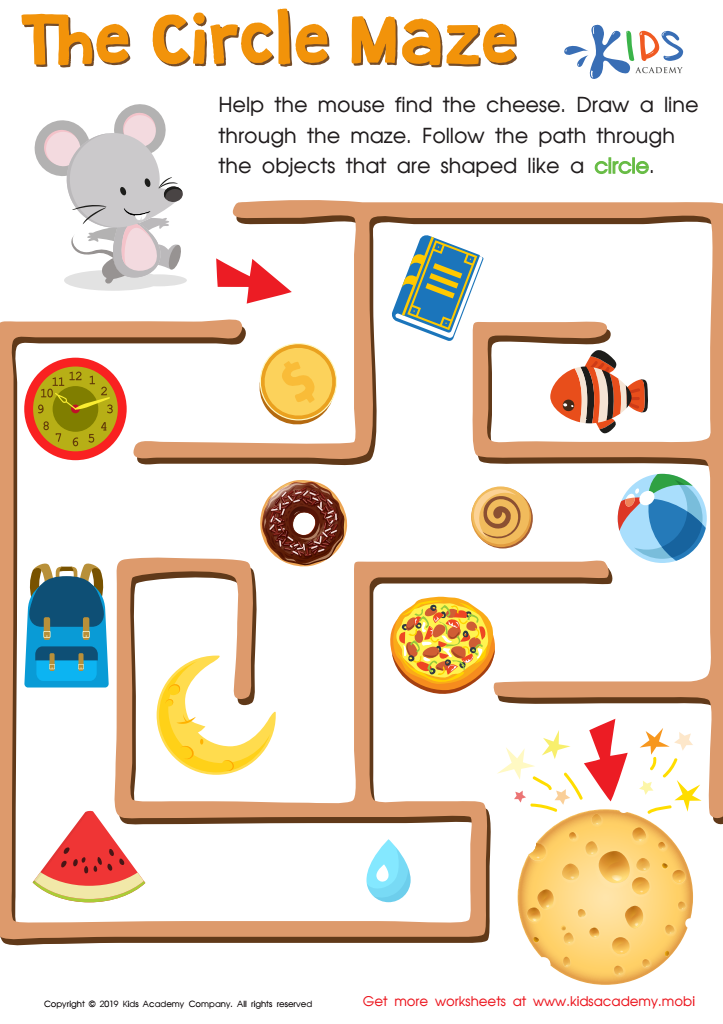
The Circle Maze Worksheet
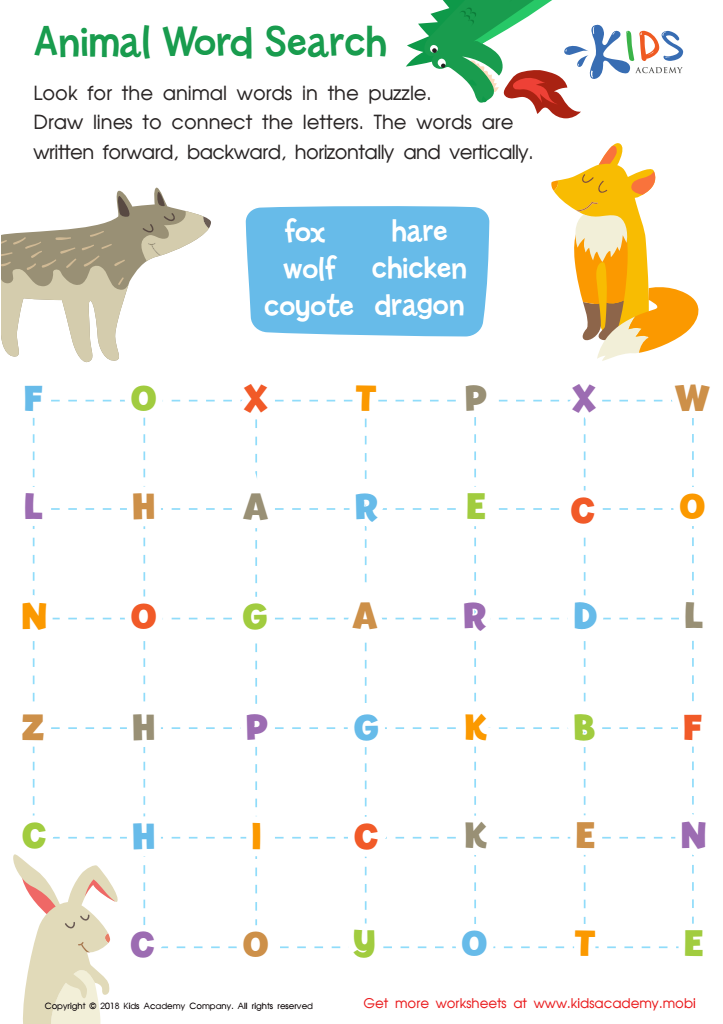
Animal Word Search Worksheet
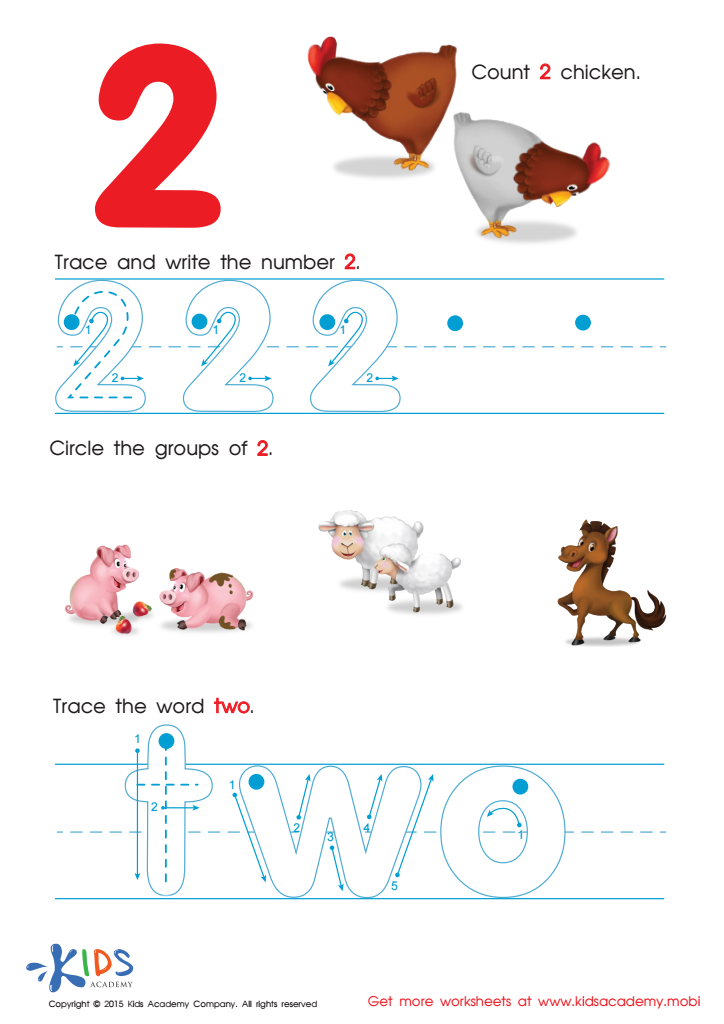
Learn to Write the Number 2 Worksheet




Cognitive development is crucial for children, particularly when learning English as beginners. At around seven years of age, children are curious, eager to learn, and begin to think more critically. Understanding the principles of cognitive development helps parents and teachers tailor their teaching approaches to match children's needs.
First, cognitive development influences how children process language. Activities that encourage interactions, storytelling, and problem-solving can enhance their vocabulary and comprehension. By recognizing individual learning styles, whether visual, auditory, or kinesthetic, educators can create engaging lessons that cater to each child.
Moreover, early English skills are foundational for future learning. As children develop cognitive skills, they improve their ability to understand context, draw connections, and relay information, all important for effective communication. This skills set promotes engagement in reading, writing, and listening—essential components of the language-learning process.
Lastly, fostering cognitive development can build a child’s confidence and love for learning. Encouraging curiosity while providing supportive environments makes the language acquisition journey enjoyable, leading to better outcomes. Thus, parents and teachers should prioritize cognitive development when teaching English to ensure children thrive academically and socially.