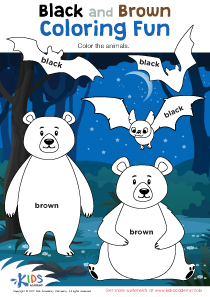
Fine Motor Skills English for Beginners Worksheets for 7-Year-Olds - Page 3
62 filtered results
-
From - To
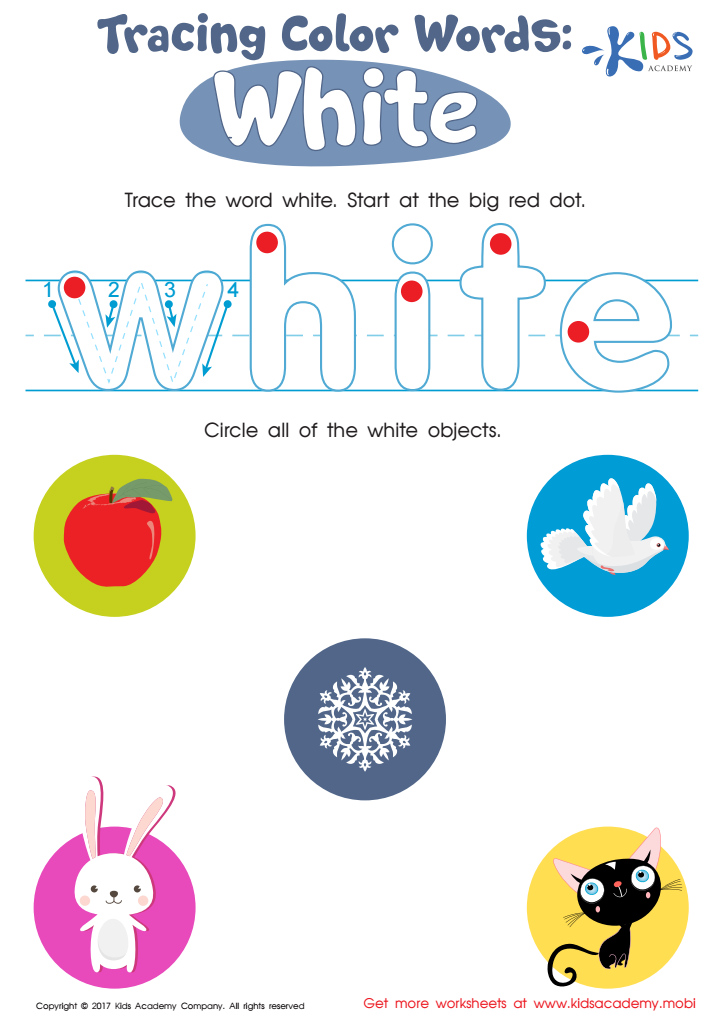
White Tracing Color Words Worksheet
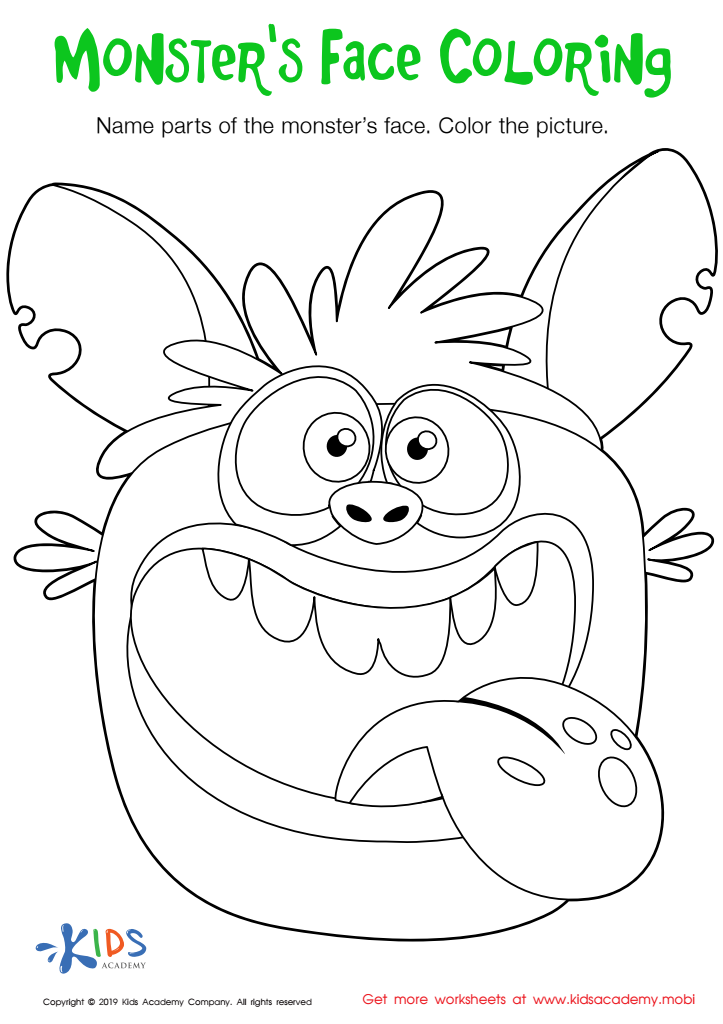
Monster's Face Coloring Worksheet
 Assign to My Students
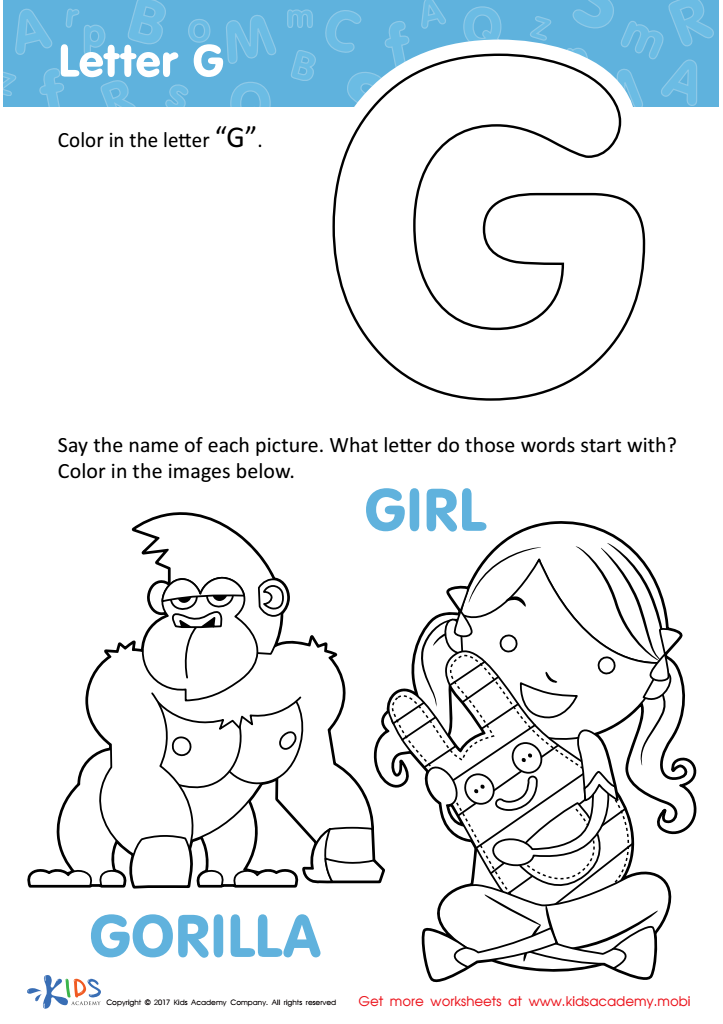
Letter G Coloring Sheet
Assign to My Students
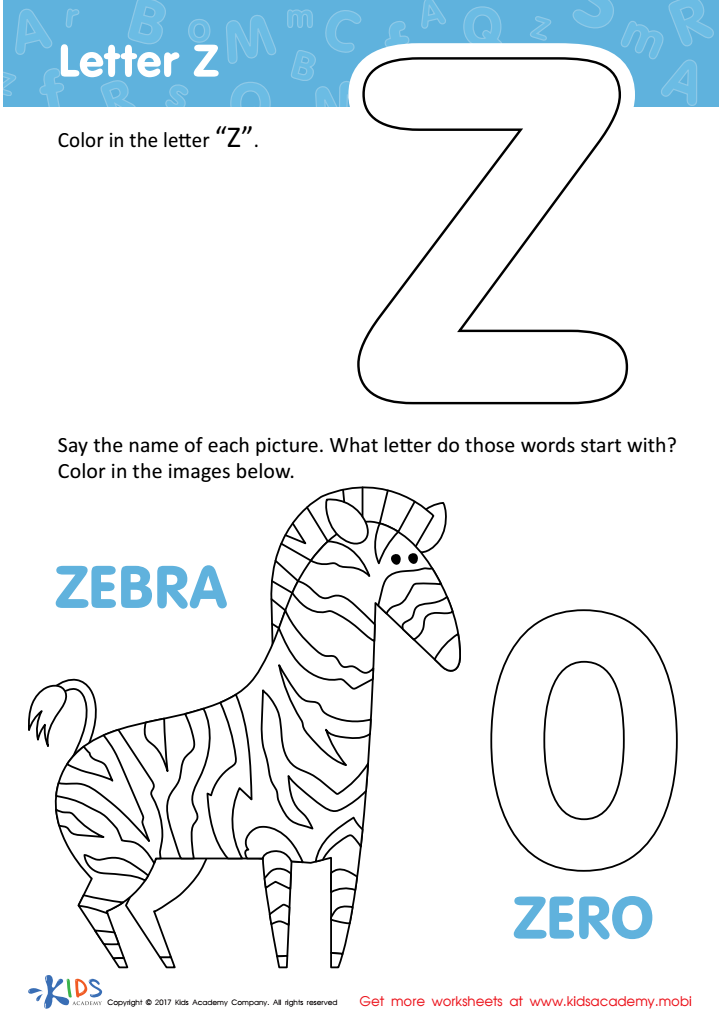
Letter Z Coloring Sheet
Assign to My Students
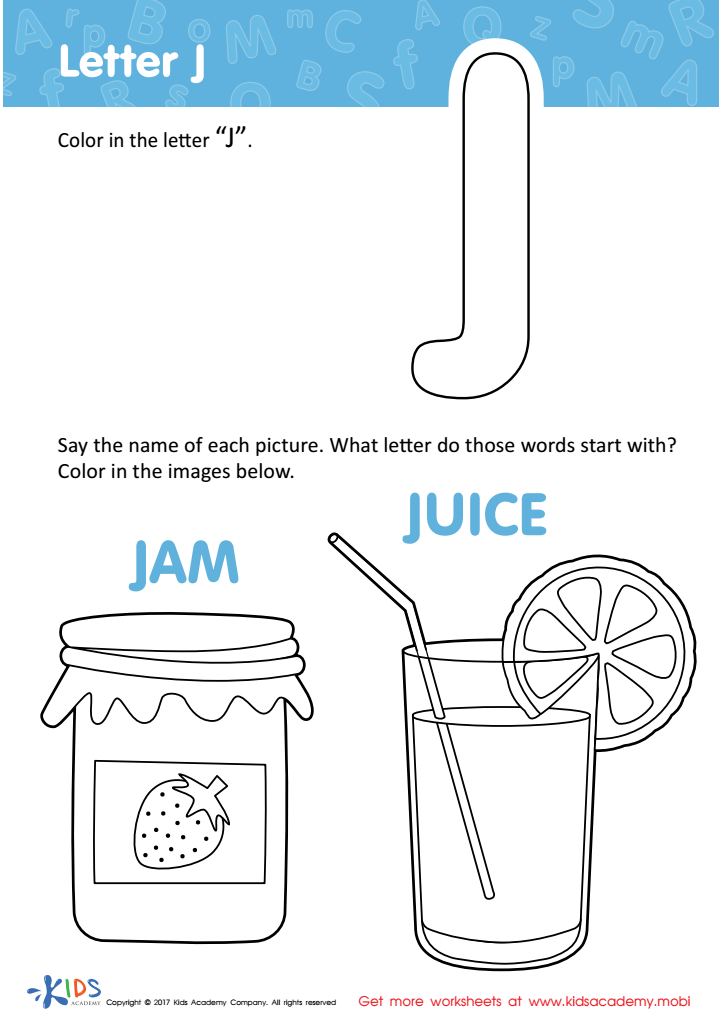
Letter J Coloring Sheet
Assign to My Students
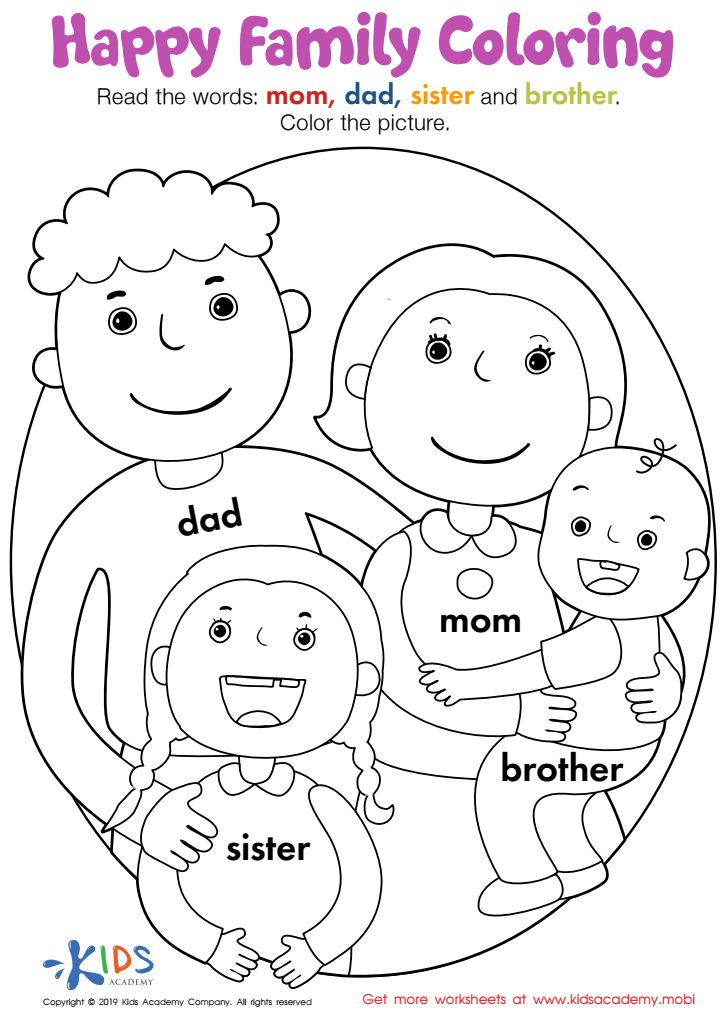
Happy Family Coloring Worksheet
Assign to My Students
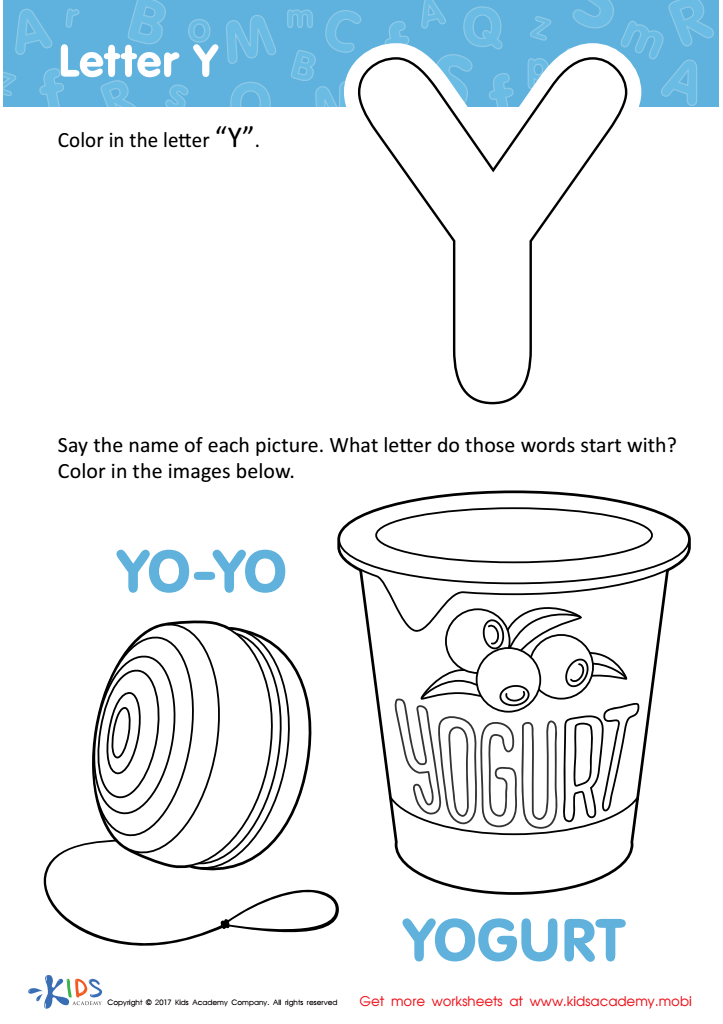
Letter Y Coloring Sheet
Assign to My Students
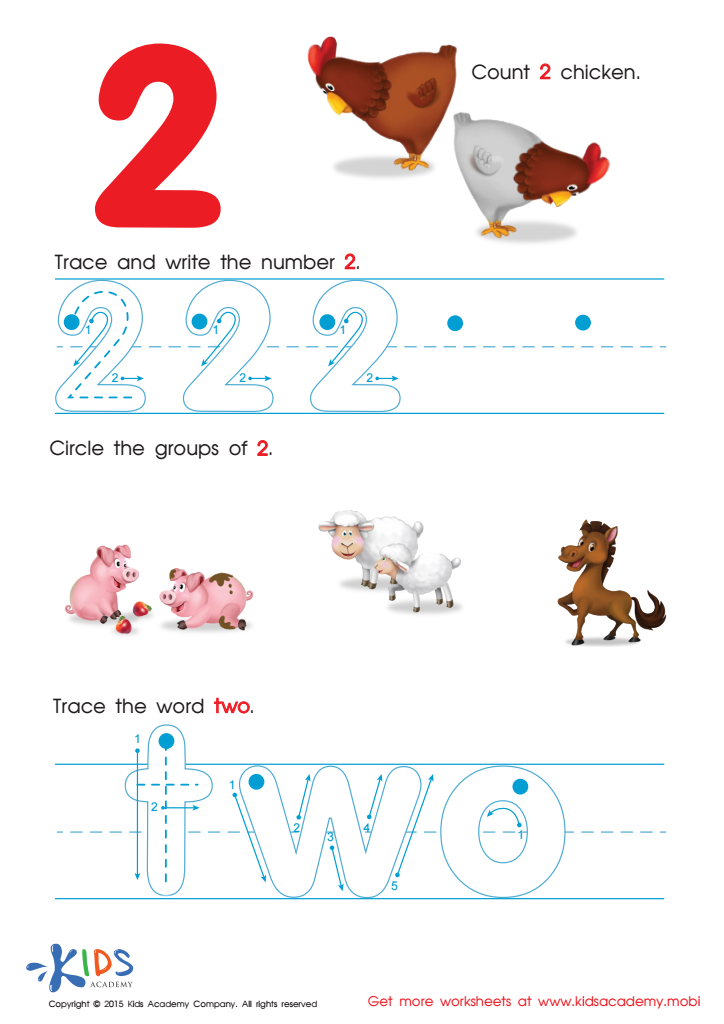
Learn to Write the Number 2 Worksheet
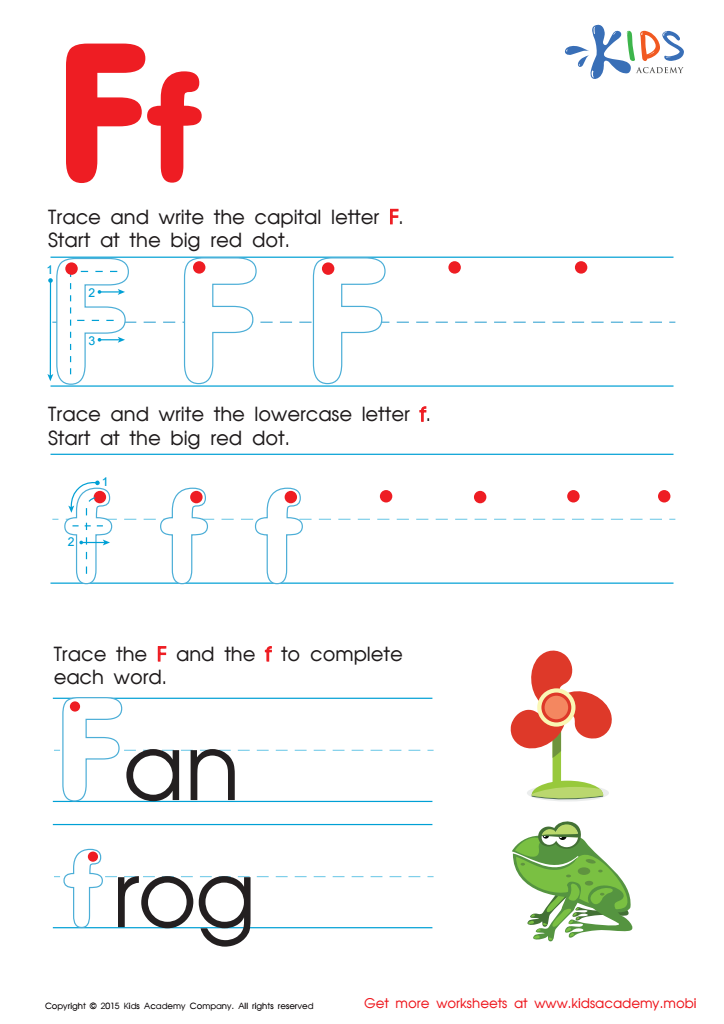
Letter F Tracing Page
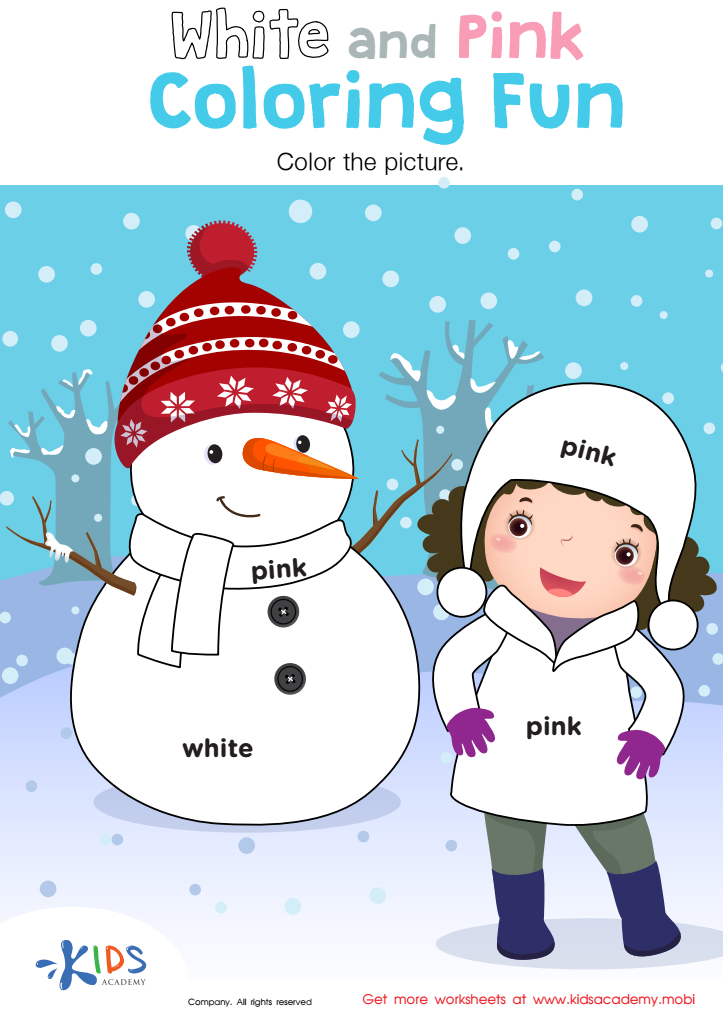
White and Pink Coloring Fun Worksheet
Assign to My Students
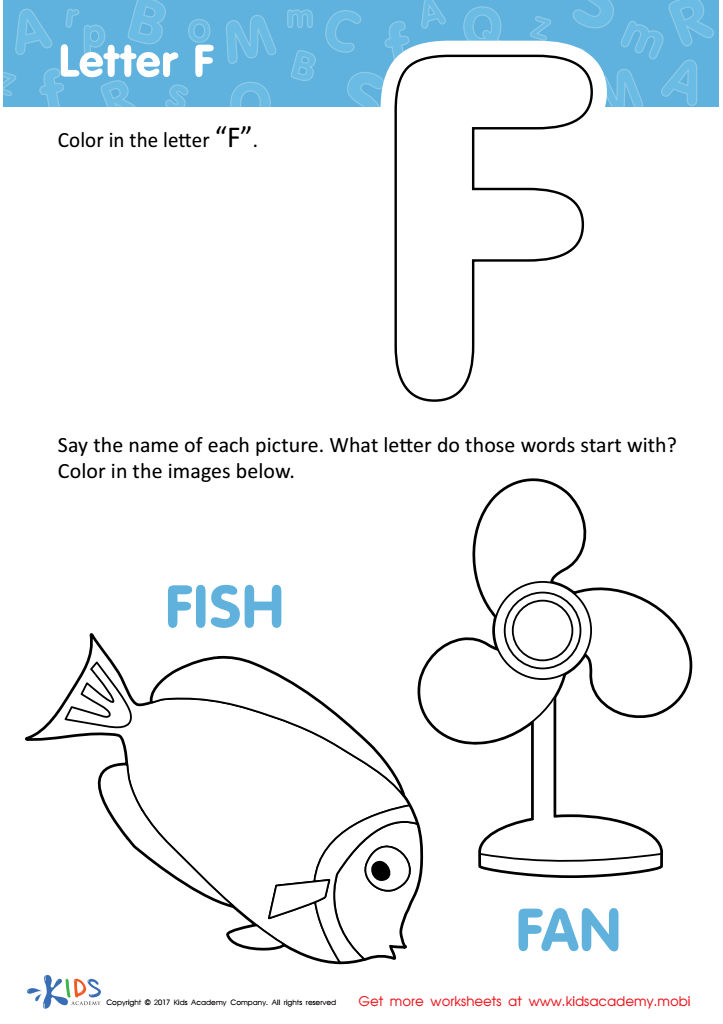
Letter F Coloring Sheet
Assign to My Students
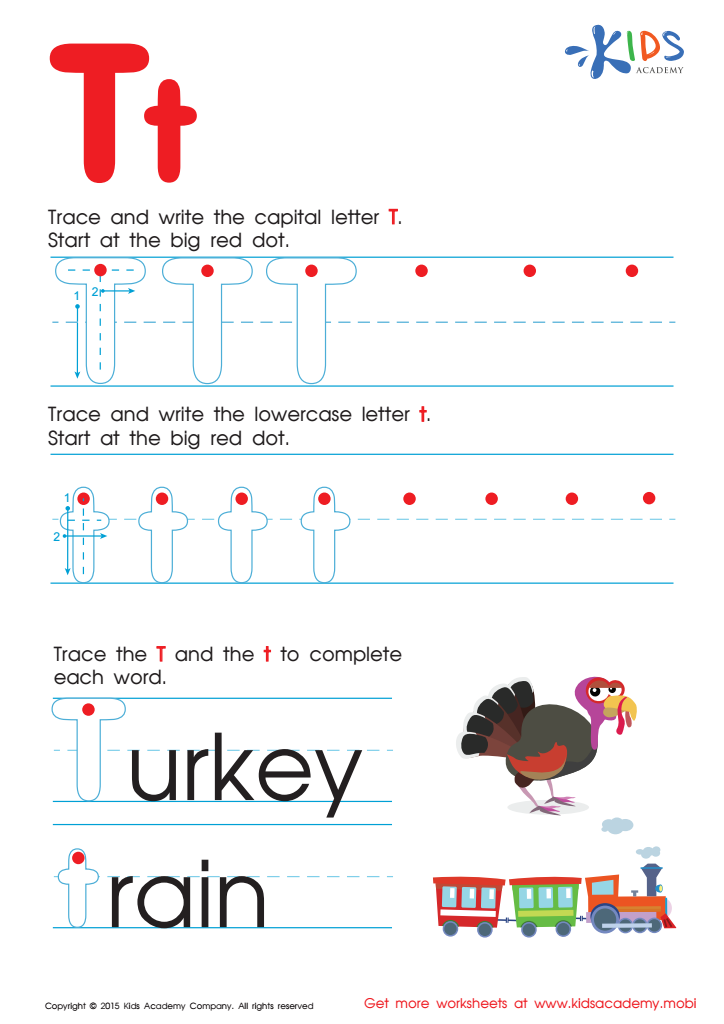
Letter T Tracing Page
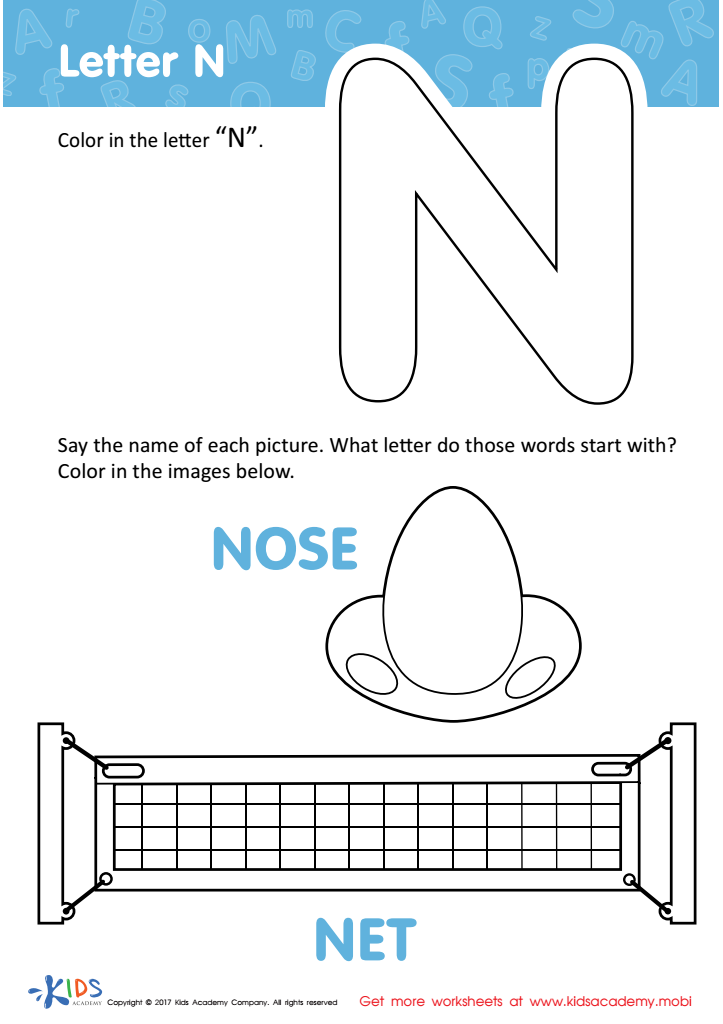
Letter N Coloring Sheet
Assign to My Students

Letter D Tracing Page





Fine motor skills are essential for young children's development, particularly for 7-year-olds who are still honing their coordination and dexterity. Parents and teachers should prioritize these skills because they directly impact a child’s ability to perform everyday tasks, such as writing, buttoning shirts, or cutting with scissors. Mastery of fine motor skills also plays a crucial role in academic success. For beginners learning English, these skills enhance their ability to hold a pencil correctly, form letters, and engage in writing activities, which are vital for literacy development.
Additionally, fine motor development supports children's creativity and self-expression through art projects and crafts, enriching their educational experience. Activities that foster fine motor skills—like threading beads, puzzles, or drawing—can be fun and engaging, making learning enjoyable. These skills also boost confidence, empowering children to take on tasks independently.
Ultimately, focusing on fine motor skills helps build a solid foundation for future learning and daily living. Understanding how to incorporate these activities into regular routines can help parents and teachers nurture children's development in a comprehensive, enjoyable manner. Therefore, fine motor skills are an important focus in the early years of education, especially for young English learners.