Classification skills Worksheets for 7-Year-Olds
6 filtered results
-
From - To
Boost your child's learning journey with our Classification Skills Worksheets designed specifically for 7-year-olds! These engaging worksheets help young learners develop essential categorization abilities by sorting pictures, identifying similarities and differences, and grouping items based on distinct characteristics. Perfect for enhancing critical thinking, these activities make learning fun while reinforcing vocabulary and observational skills. Our colorful and age-appropriate materials cater to diverse learning styles, ensuring every child stays motivated and interested. Discover the joy of classification through exciting visuals and interactive tasks, allowing your little ones to excel in their foundational skills. Start exploring today and nurture your child’s learning potential!
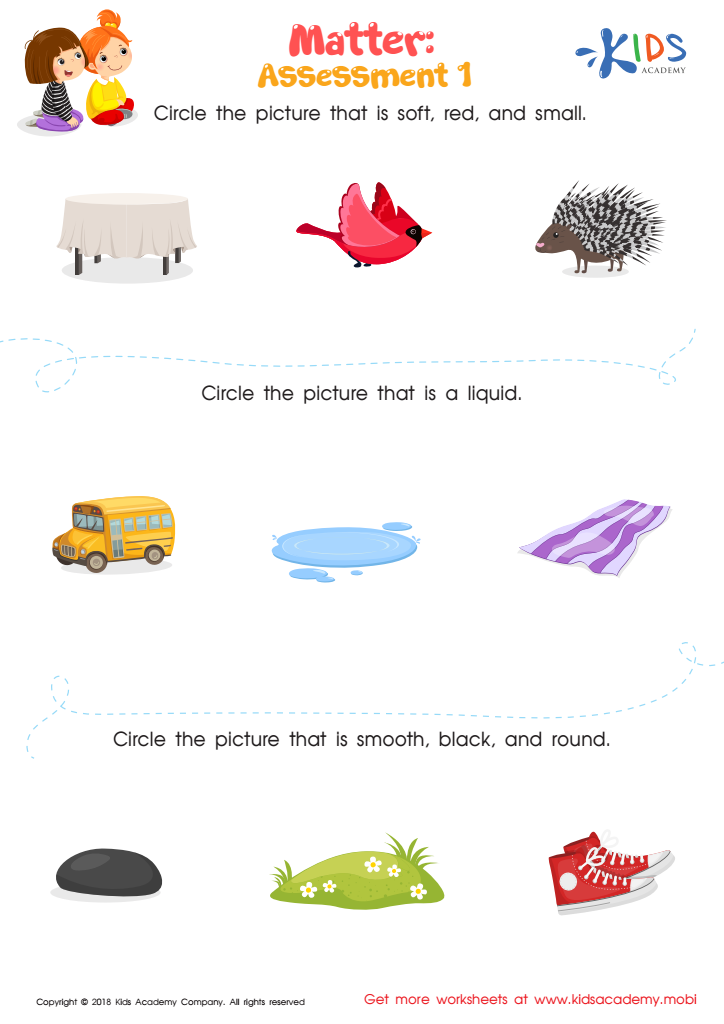
Matter: Assessment 1 Worksheet
 Assign to My Students
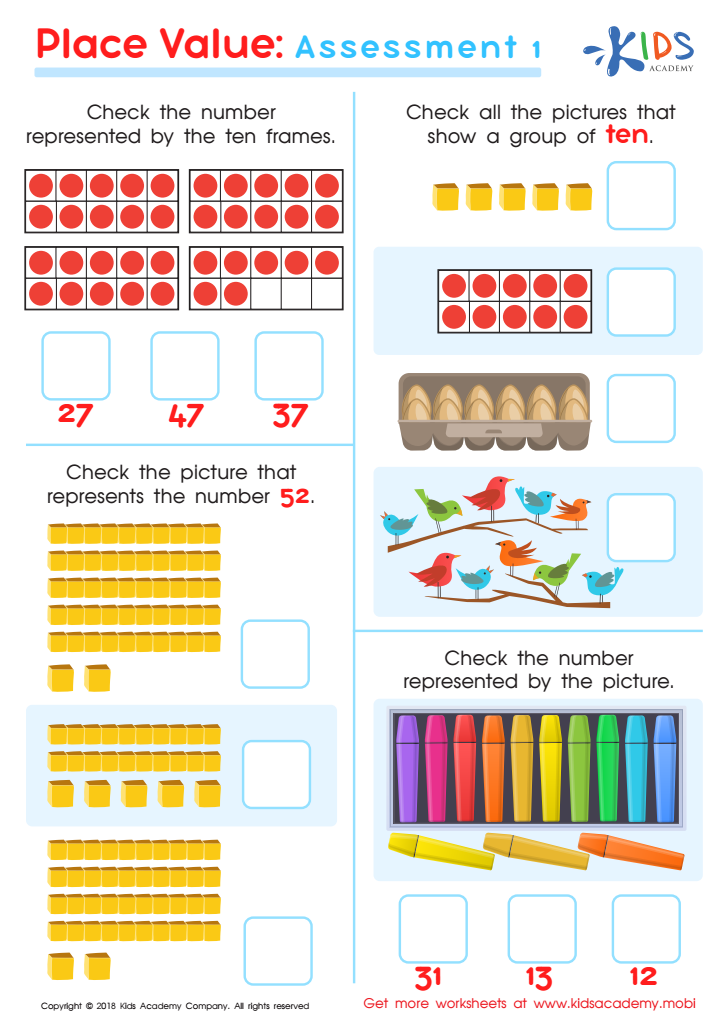
Place Value: Assessment 1 Worksheet
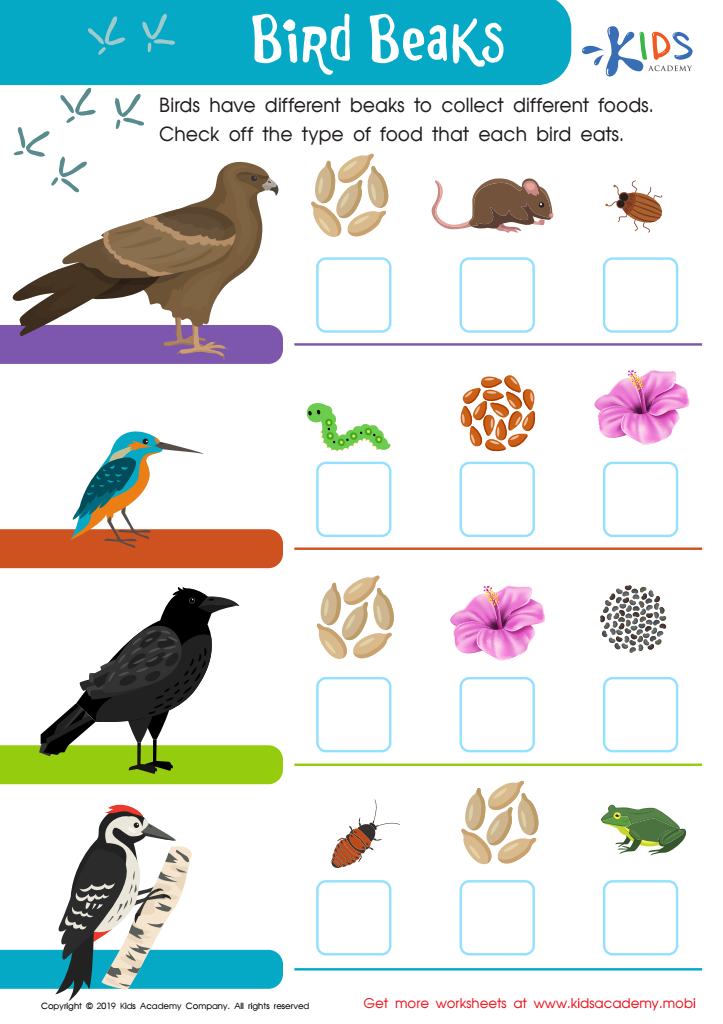
Bird Beaks Worksheet
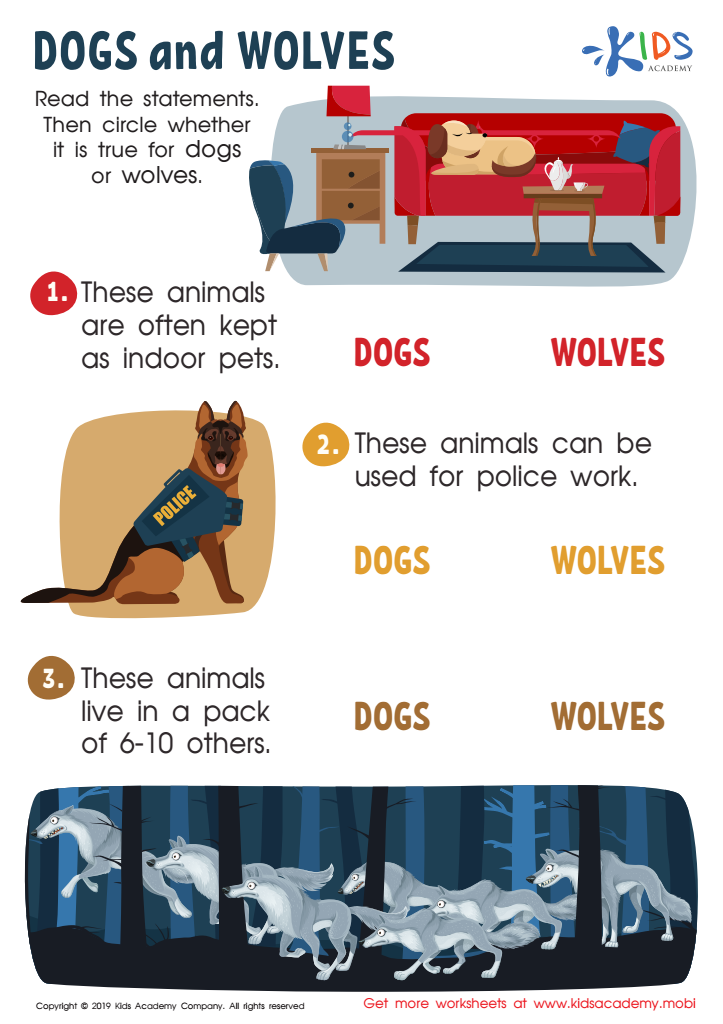
Dogs and Wolves Worksheet
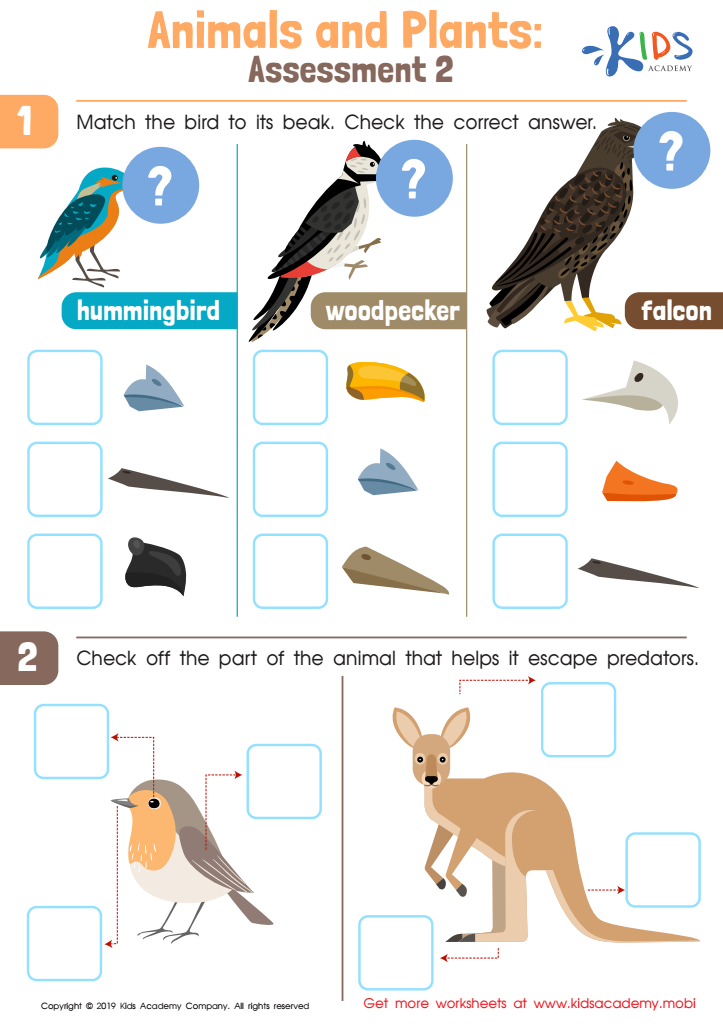
Animals and Plants: Assessment 2 Worksheet
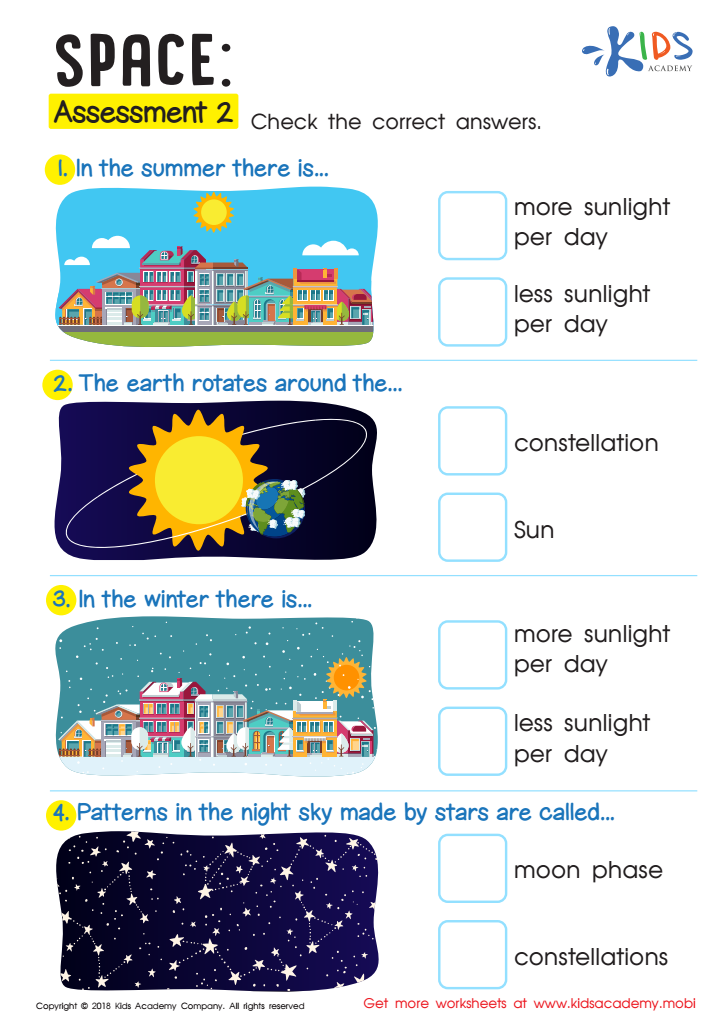
Space: Assessment 2 Worksheet






Classification skills are crucial for the cognitive and academic development of 7-year-olds. At this stage, children learn to identify, sort, and categorize objects based on shared attributes, a fundamental aspect of critical thinking and problem-solving. By honing their classification skills, children develop a deeper understanding of the world around them, enhancing their ability to observe, compare, and categorize various aspects of their environment.
Parents and teachers should care about these skills because they lay the groundwork for more advanced subjects, such as science and mathematics. For instance, in science, classification helps children understand biological concepts like habitats or food chains. In math, sorting and classifying can aid in grasping patterns and data analysis.
Moreover, classifying fosters essential life skills, such as decision-making, organization, and creative thinking. Engaging children in activities that promote classification, such as sorting toys or ordering books by genre, not only enhances their cognitive abilities but also makes learning fun and interactive.
Ultimately, developing classification skills nurtures a child's innate curiosity, paving the way for lifelong learning and an appreciation for exploration, making it a priority for parents and educators alike.








