Mathematical problem-solving Worksheets for 7-Year-Olds
4 filtered results
-
From - To
Unlock your child’s potential with our Mathematical Problem-Solving Worksheets for 7-Year-Olds. Designed to inspire and challenge young minds, these printables offer a plethora of engaging activities ranging from simple equations to logic puzzles. Perfect for building foundational math skills and boosting critical thinking, each worksheet is crafted to complement a 7-year-old’s learning pace. With vibrant illustrations and diverse problems, our resources make math fun and accessible. Ideal for both classroom use and at-home practice, give your child the confidence and skills they need to excel in mathematics. Explore our collection and turn problem-solving into a playful adventure.
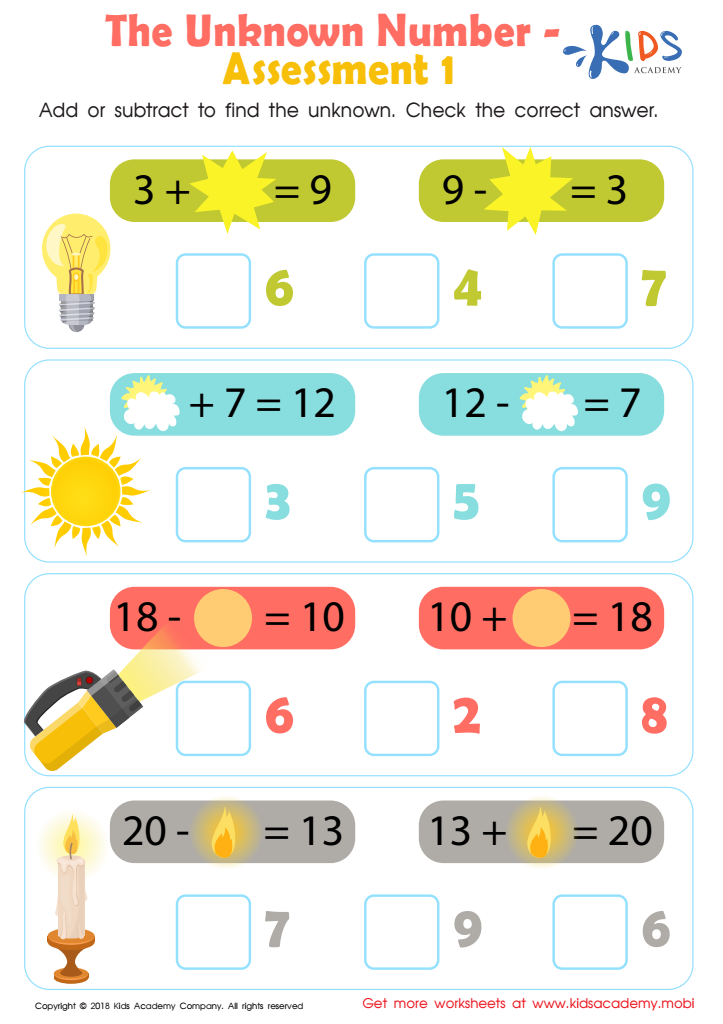
The Unknown Number: Assessment 1 Worksheet
 Assign to My Students
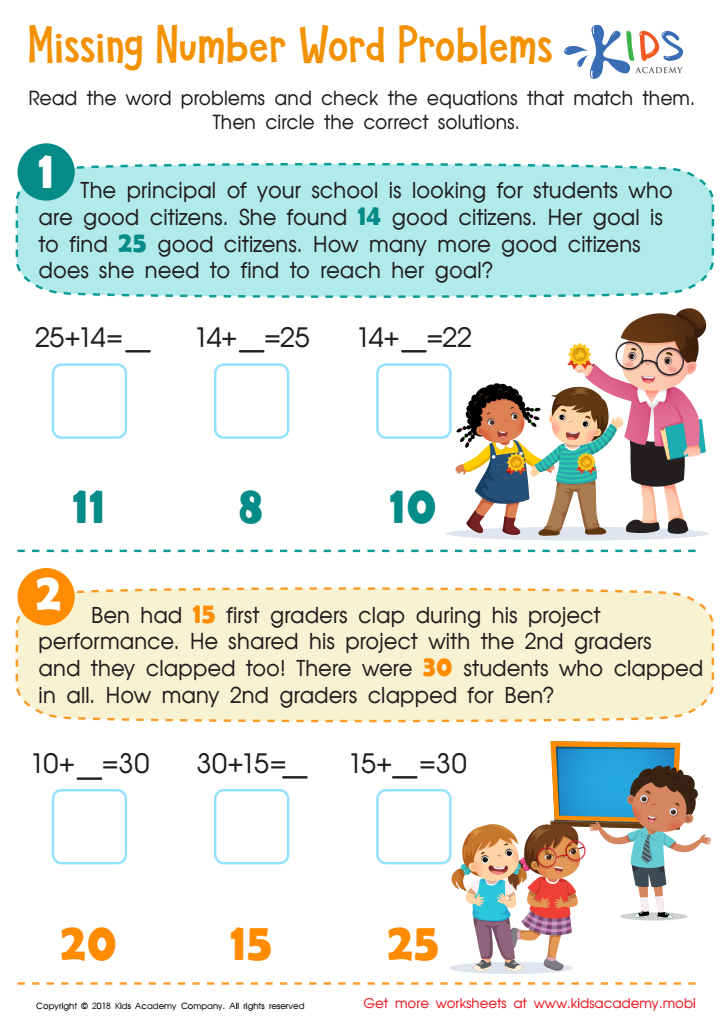
Missing Number Word Problems Worksheet
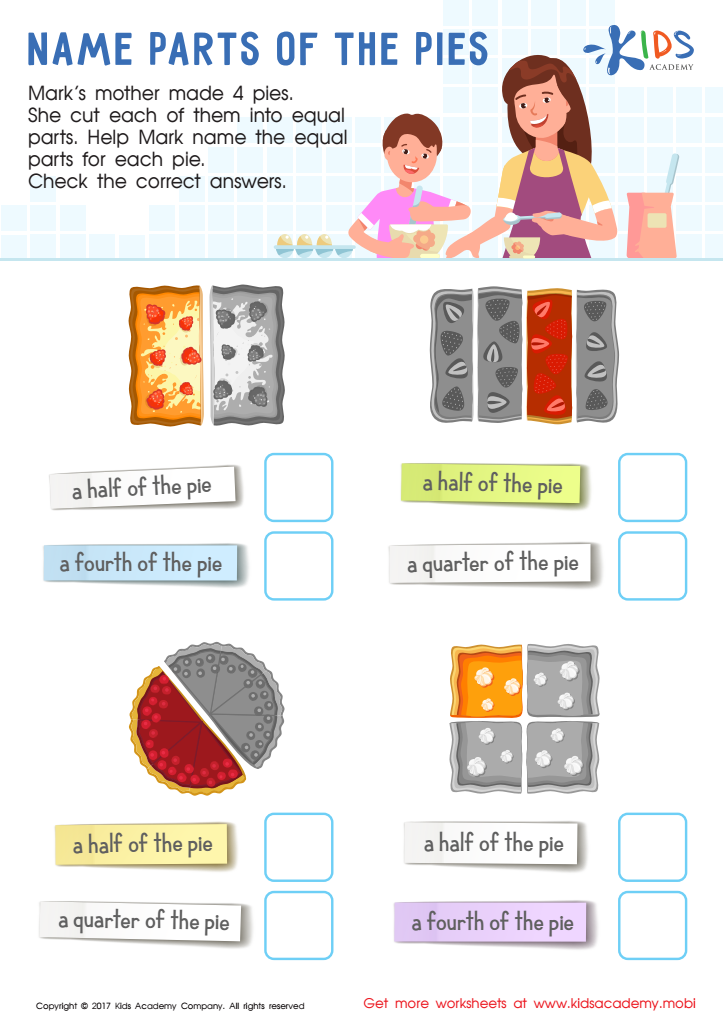
Name Parts of the Pies Worksheet
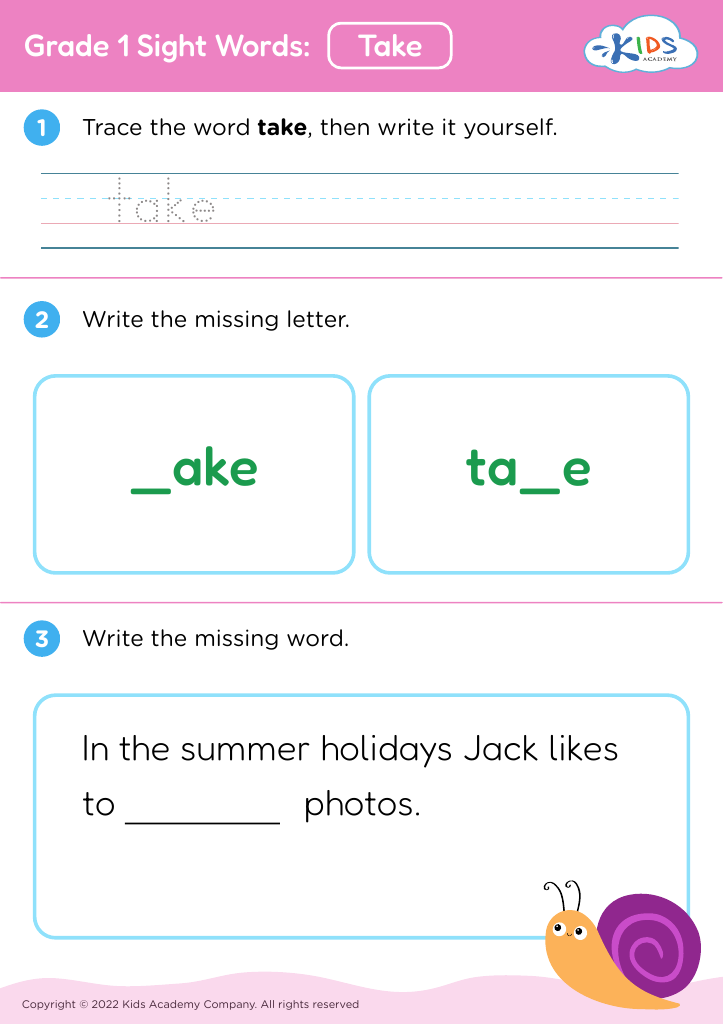




.jpg)



Mathematical problem-solving for 7-year-olds is crucial for their cognitive development and future academic success. At this age, children are at a formative stage where their brains are highly receptive to new concepts and information. Introducing them to basic problem-solving in mathematics helps develop critical thinking and reasoning skills. These skills are essential not only in math but across all subjects and real-life scenarios.
When children solve problems, they learn to analyze situations, recognize patterns, and develop strategies. This analytical thinking improves their ability to reason logically and make decisions based on evidence, fostering confidence and independence in their learning journey. Additionally, mathematical problem-solving enhances memory and attention to detail, as children learn to follow steps and apply rules systematically.
From a practical perspective, fostering an early interest in math and problem-solving can set a solid foundation for higher education in Science, Technology, Engineering, and Mathematics (STEM) fields. Moreover, it cultivates perseverance and resilience as children work through challenges and experience the satisfaction of finding solutions.
For parents and teachers, investing time in developing these skills can lead to well-rounded individuals who excel academically and are equipped to face complex problems in the future. Thus, supporting mathematical problem-solving from an early age is both a necessary and beneficial endeavor.








