Mathematics skills Worksheets for 7-Year-Olds
3 filtered results
-
From - To
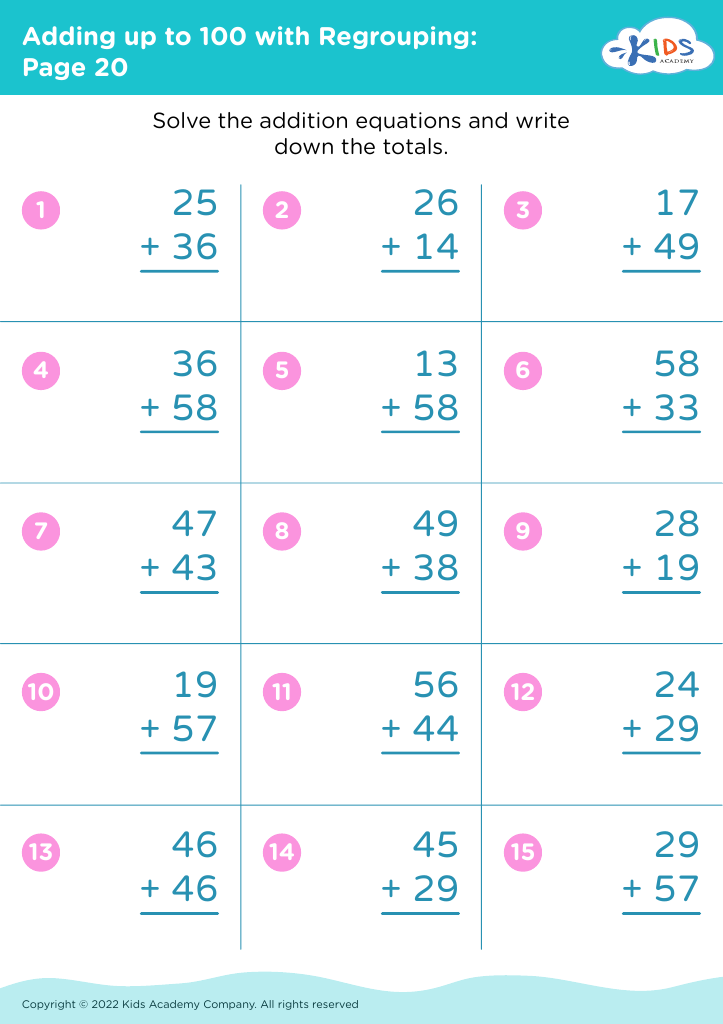
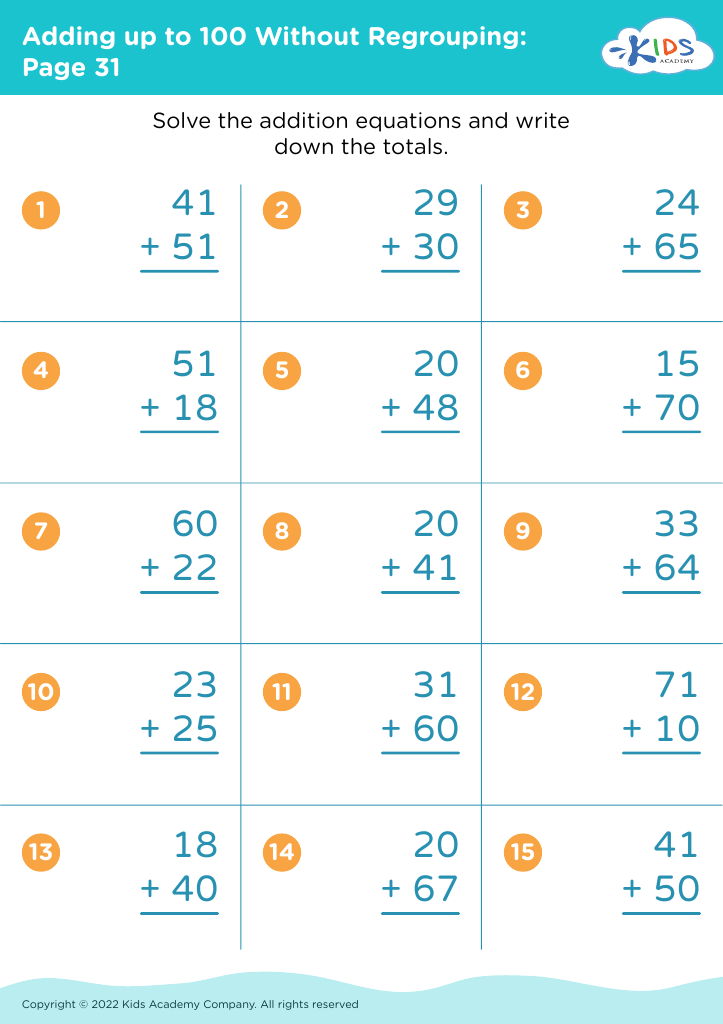
Boost your child's confidence in mathematics with our engaging Mathematics Skills Worksheets for 7-Year-Olds! Designed to align with educational standards, these worksheets cover essential topics such as addition, subtraction, multiplication, and simple problem-solving. Our activities not only make learning fun but also help reinforce classroom concepts, ensuring young learners develop strong foundational skills. Each worksheet features colorful illustrations and interactive exercises to keep children interested and motivated. Perfect for use at home or in the classroom, our materials are tailored to suit various learning styles. Explore our collection today and watch your child excel in Mathematics!
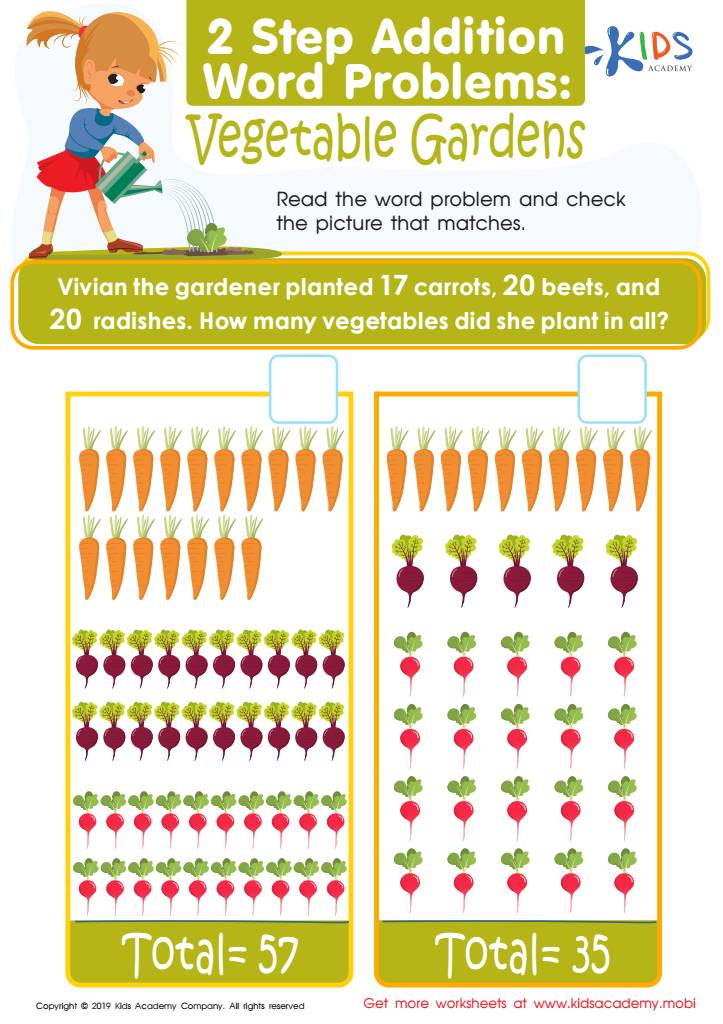
Vegetable Gardens Worksheet
 Assign to My Students







Mathematics skills for 7-year-olds are crucial as they lay the foundation for future academic success. At this age, children are typically in second grade, where they start to build upon basic concepts like addition, subtraction, and understanding simple fractions. A strong grasp of these skills not only enhances their problem-solving abilities but also fosters critical thinking, which is essential for navigating real-world situations.
Parents and teachers should care about these skills because mathematical competence is linked to greater confidence and engagement in school. Children who develop strong math skills early on are more likely to enjoy learning, participate actively, and pursue more advanced mathematical concepts later in their education.
Moreover, math skills extend beyond the classroom; they play a role in various day-to-day activities such as shopping, cooking, and budgeting, which are vital life skills. Teaching children to appreciate and understand mathematics will help them foster a positive attitude toward learning.
Promoting Math literacy at a young age creates a solid skill set, encouraging lifelong learning and adaptability. This investment in early education paves the way for future achievements, making mathematics an integral part of a child's overall development.








