Discover our engaging and interactive simplifying fractions worksheets designed specifically for 7-year-olds! These resources aim to make learning fractions fun and accessible. Each worksheet features clear explanations, vivid visuals, and step-by-step exercises that help young learners grasp the concept of simplification. With varied problem types, from fraction models to relatable real-life scenarios, children will enhance their problem-solving skills while gaining confidence in math. Ideal for classroom use or home practice, these worksheets provide an enriching experience that nurtures essential math abilities. Start your child's journey to mastering fractions today with our comprehensive collection!
Check out this FREE "Simplifying Fractions" Trial Lesson for age 7!

X

Favorites
With answer key
Interactive
  • 7
  • Simplifying Fractions
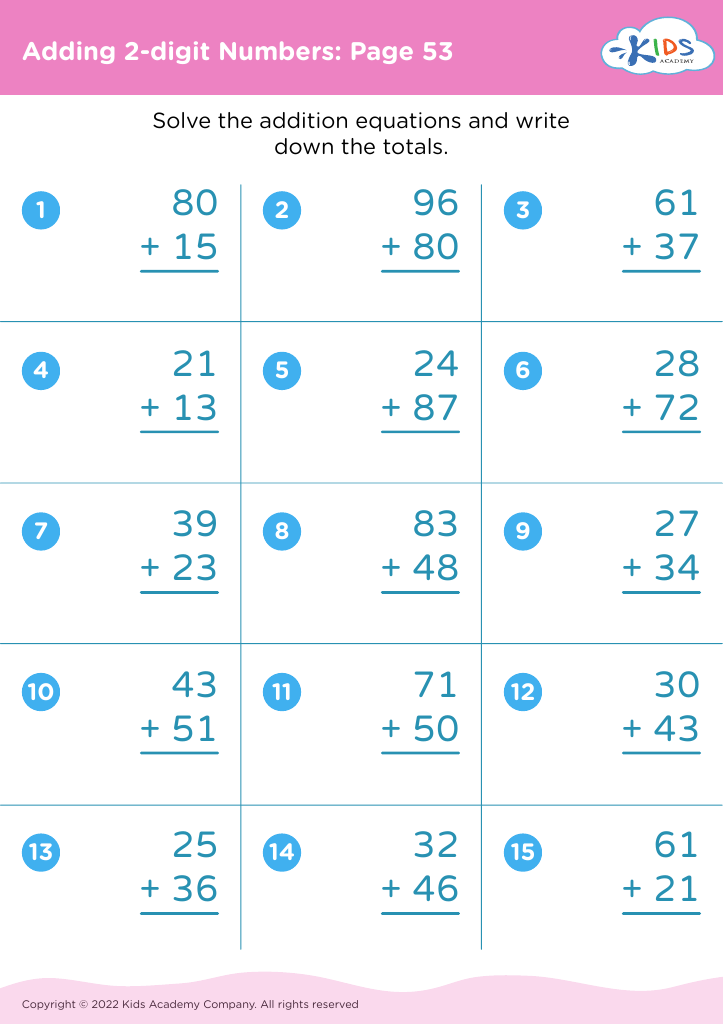
Adding 2-digit Numbers: Page 53

Adding 2-digit Numbers: Page 53

Adding 2-digit Numbers: Page 53
Worksheet
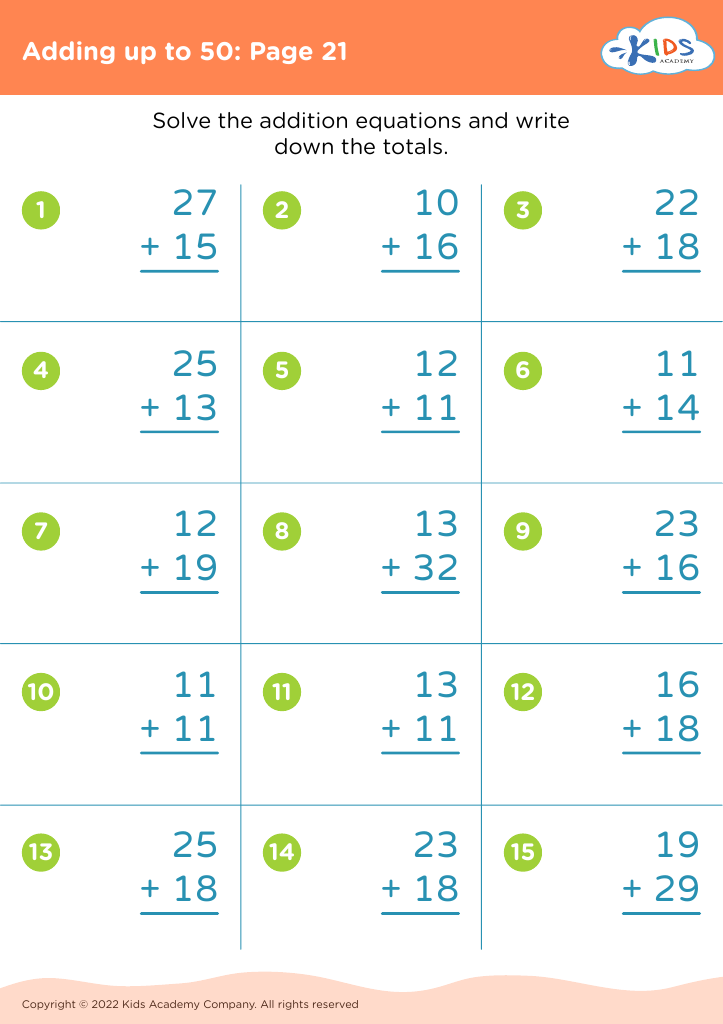
Adding up to 50: Page 21

Adding up to 50: Page 21

Adding up to 50: Page 21
Worksheet
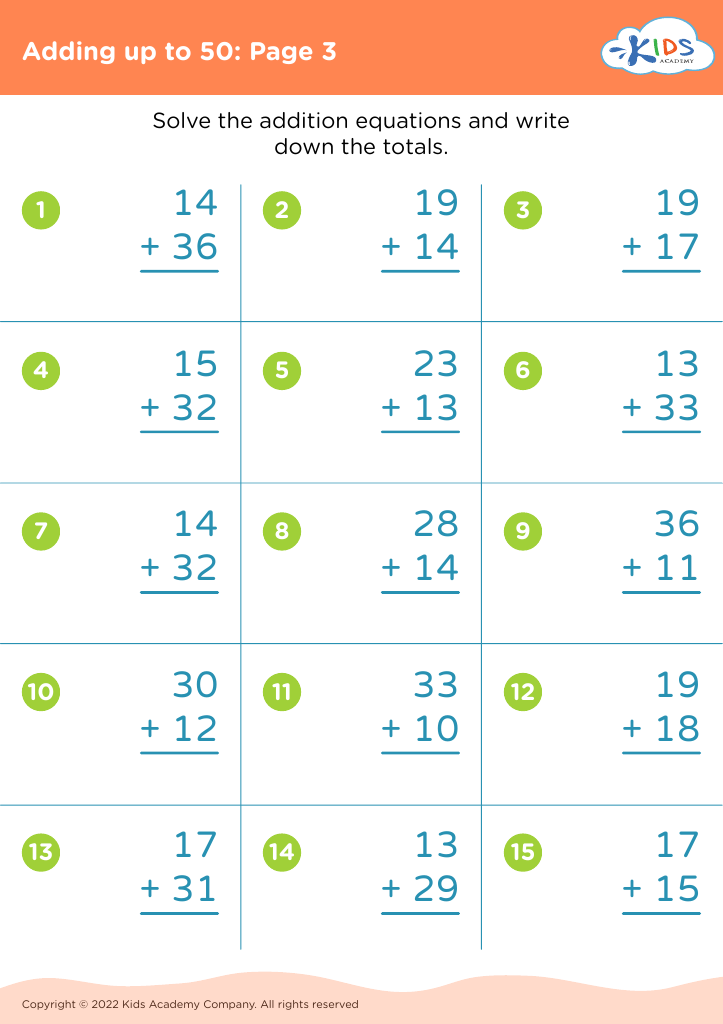
Adding up to 50: Page 3

Adding up to 50: Page 3

Adding up to 50: Page 3
Worksheet
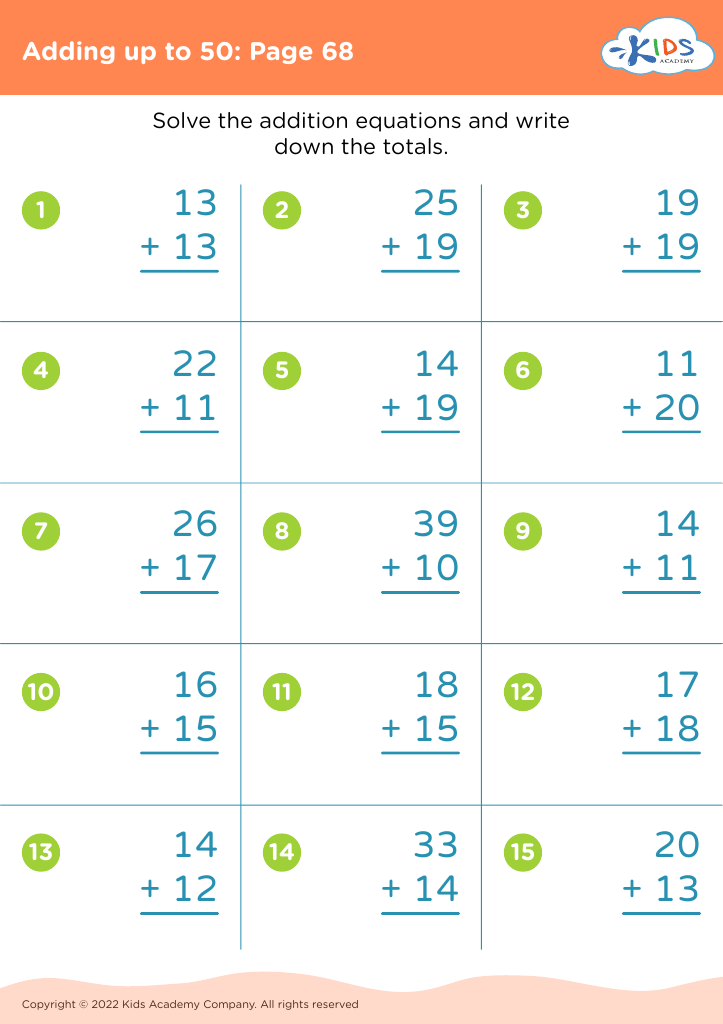
Adding up to 50: Page 68

Adding up to 50: Page 68

Adding up to 50: Page 68
Worksheet
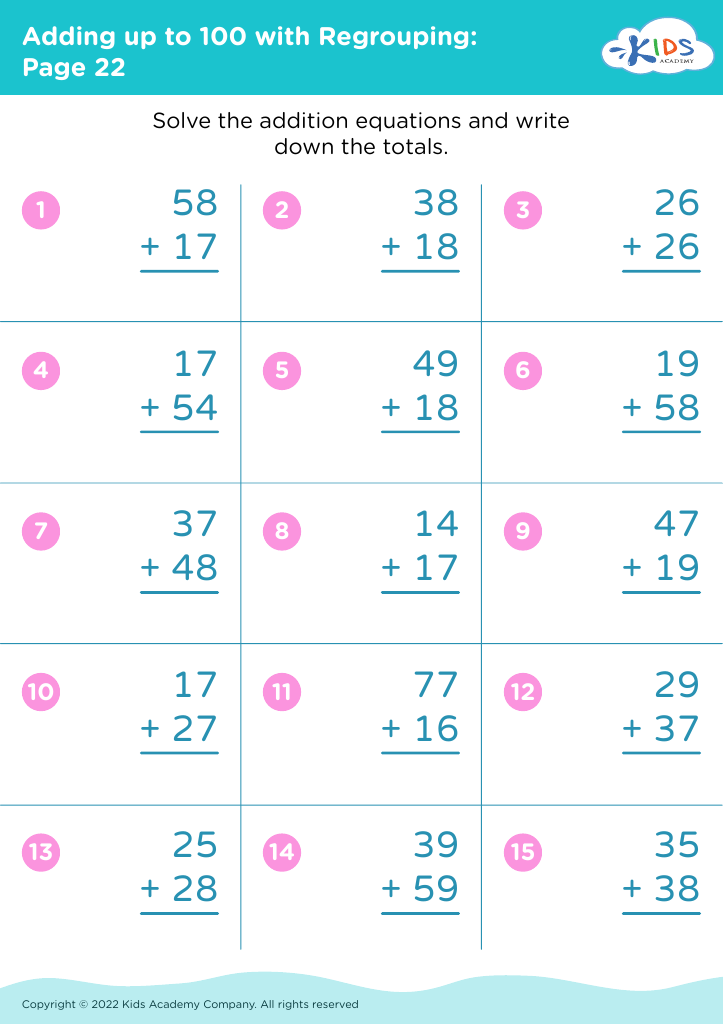
Adding up to 100 with Regrouping: Page 22
Worksheet
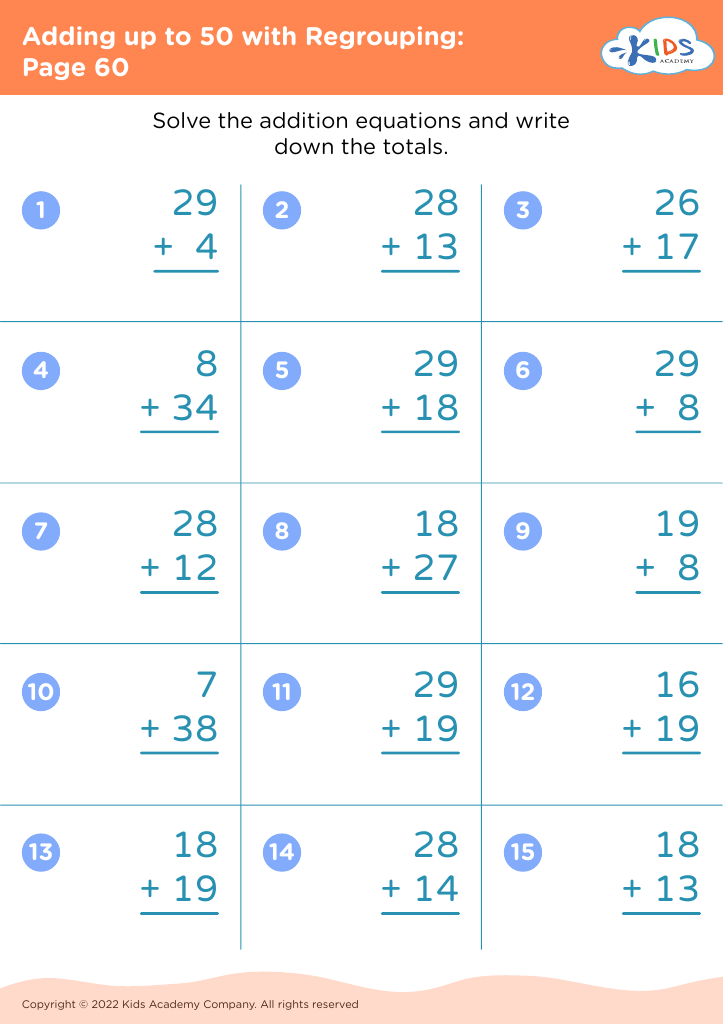
Adding up to 50 with Regrouping: Page 60
Worksheet
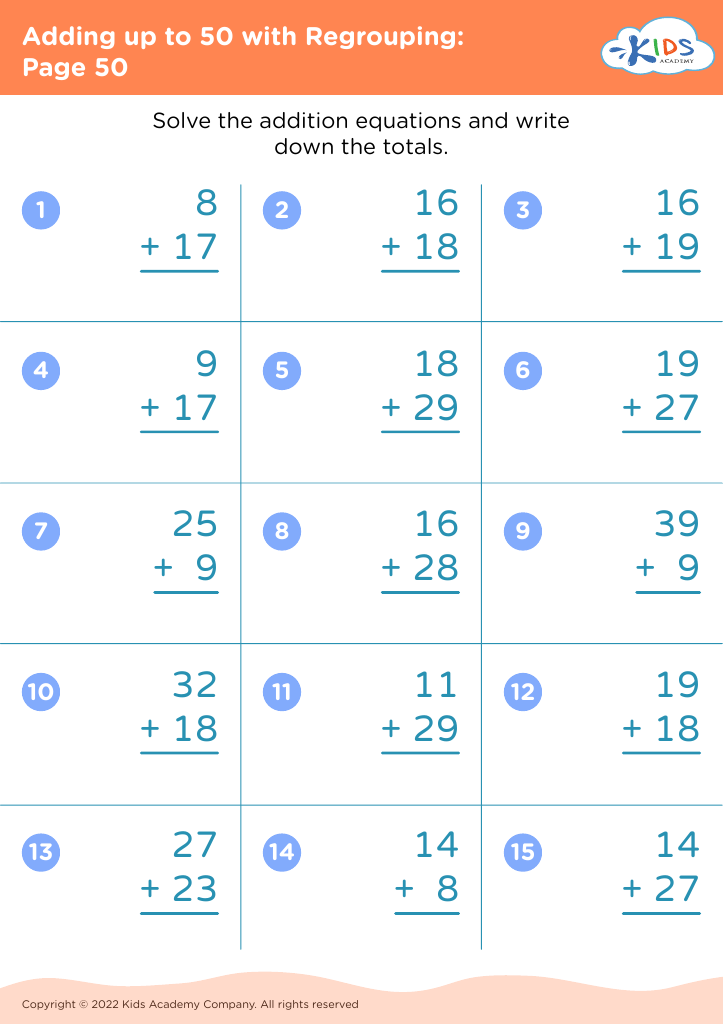
Adding up to 50 with Regrouping: Page 50
Worksheet
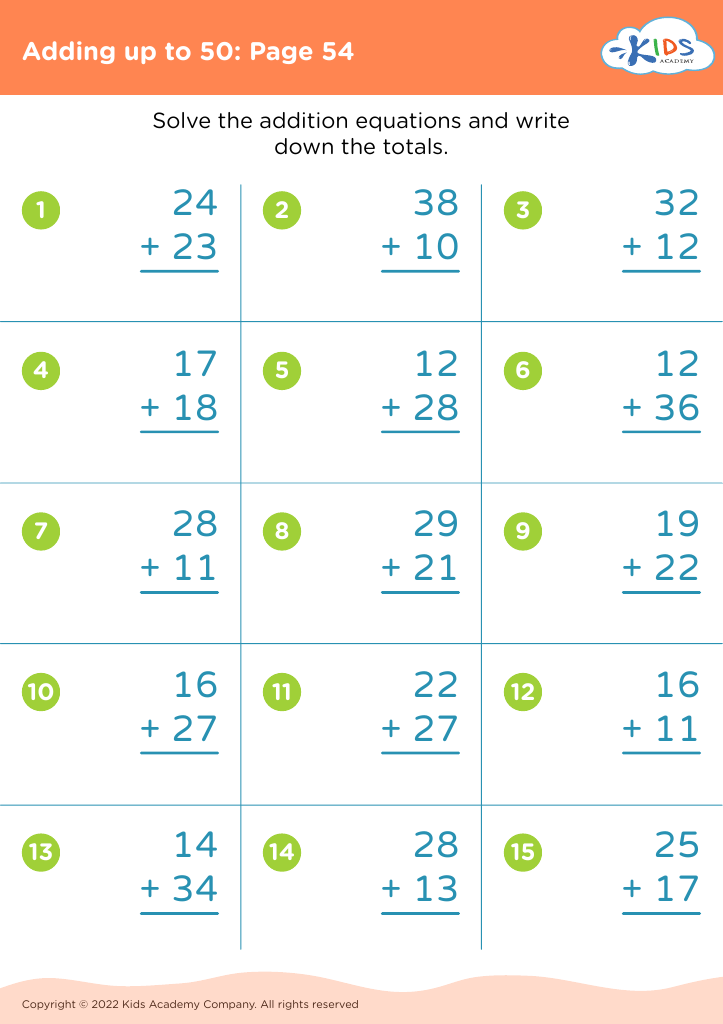
Adding up to 50: Page 54

Adding up to 50: Page 54

Adding up to 50: Page 54
Worksheet
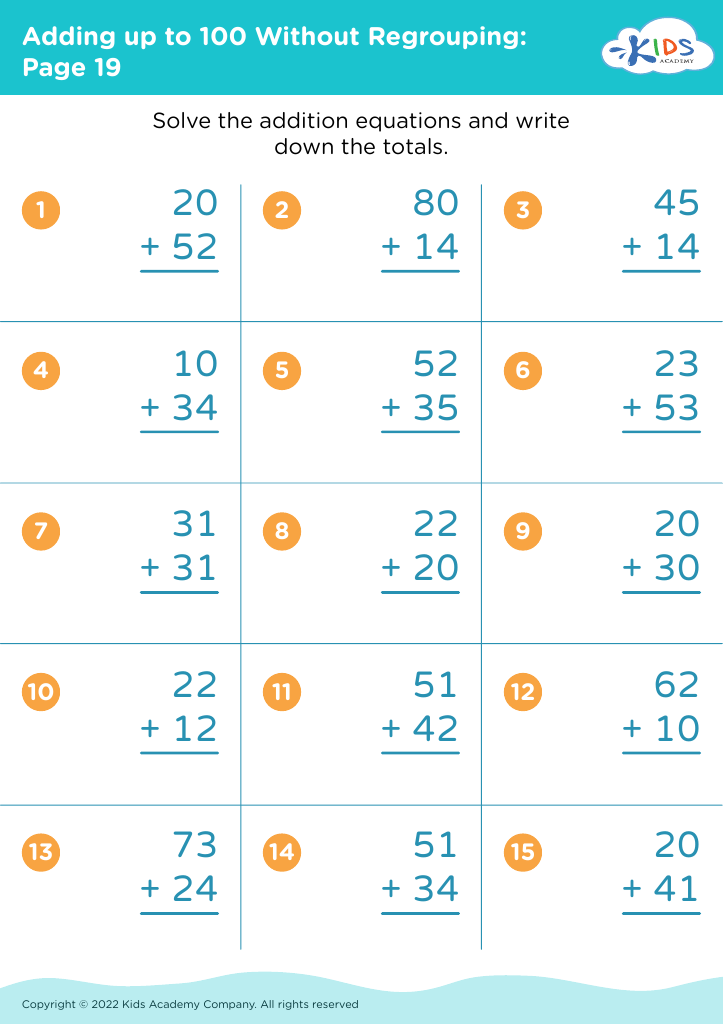
Adding up to 100 Without Regrouping: Page 19
Worksheet
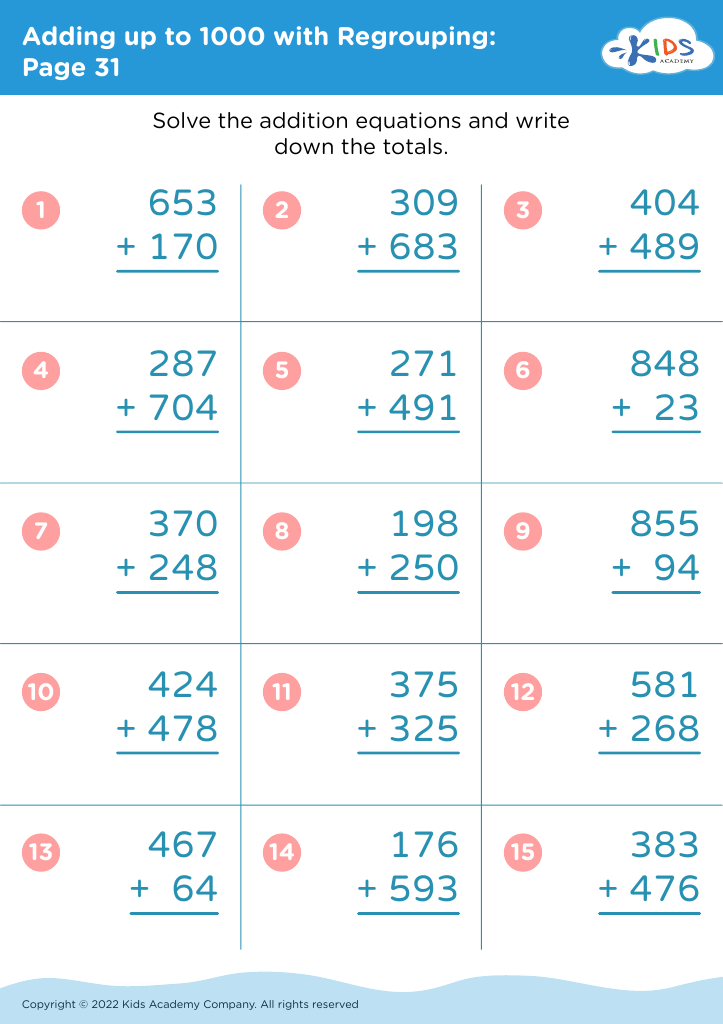
Adding up to 1000 with Regrouping: Page 31
Worksheet
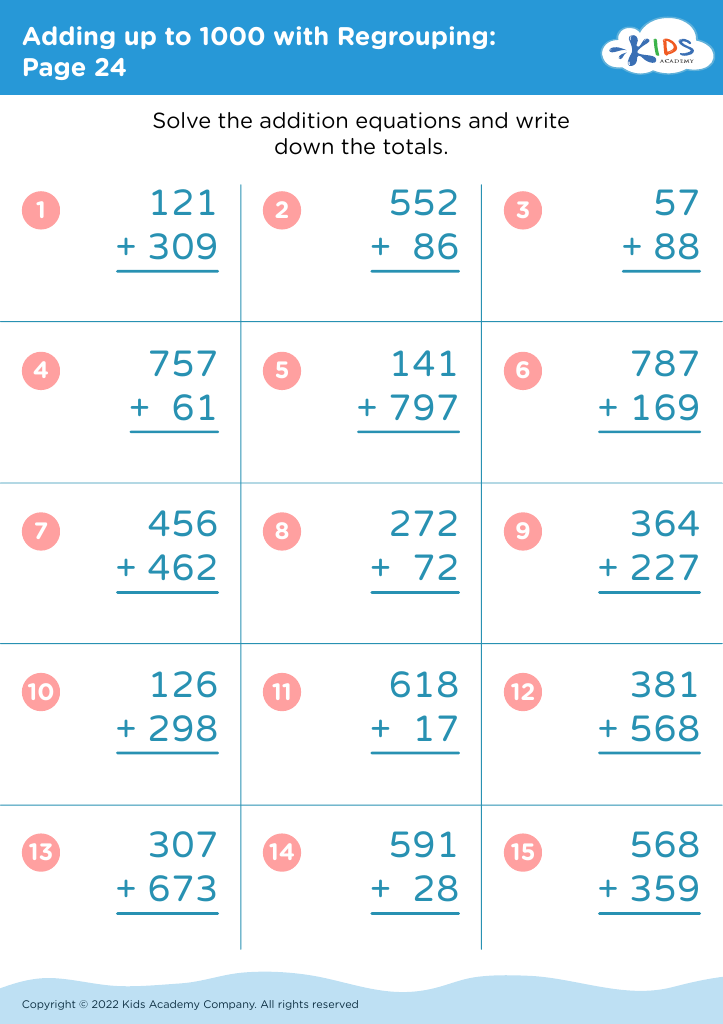
Adding up to 1000 with Regrouping: Page 24
Worksheet
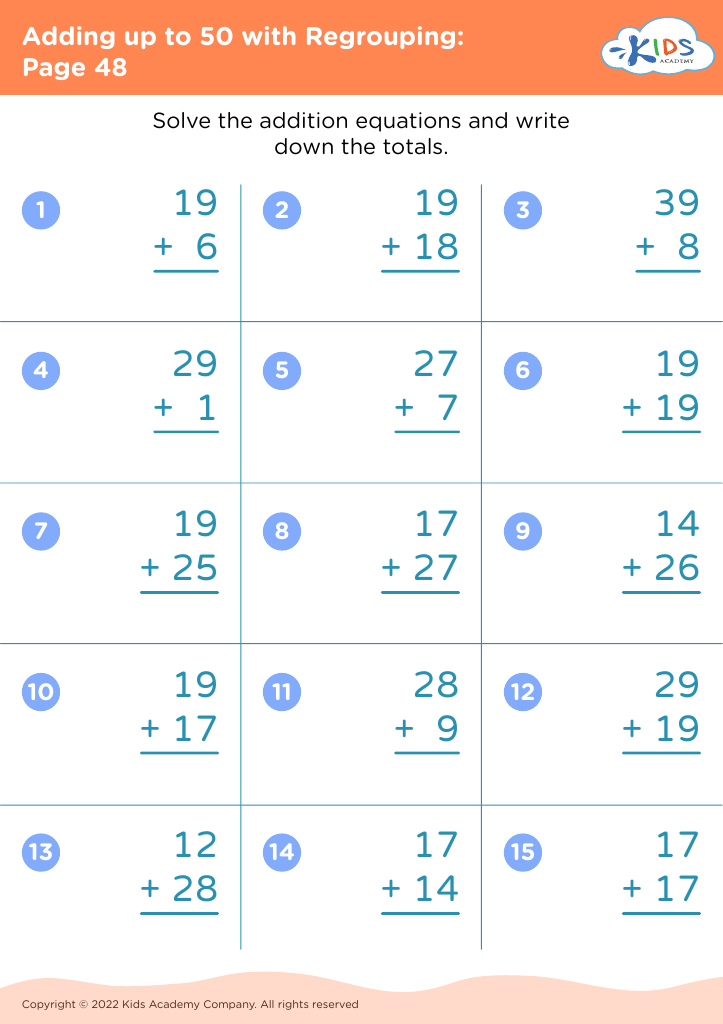
Adding up to 50 with Regrouping: Page 48
Worksheet
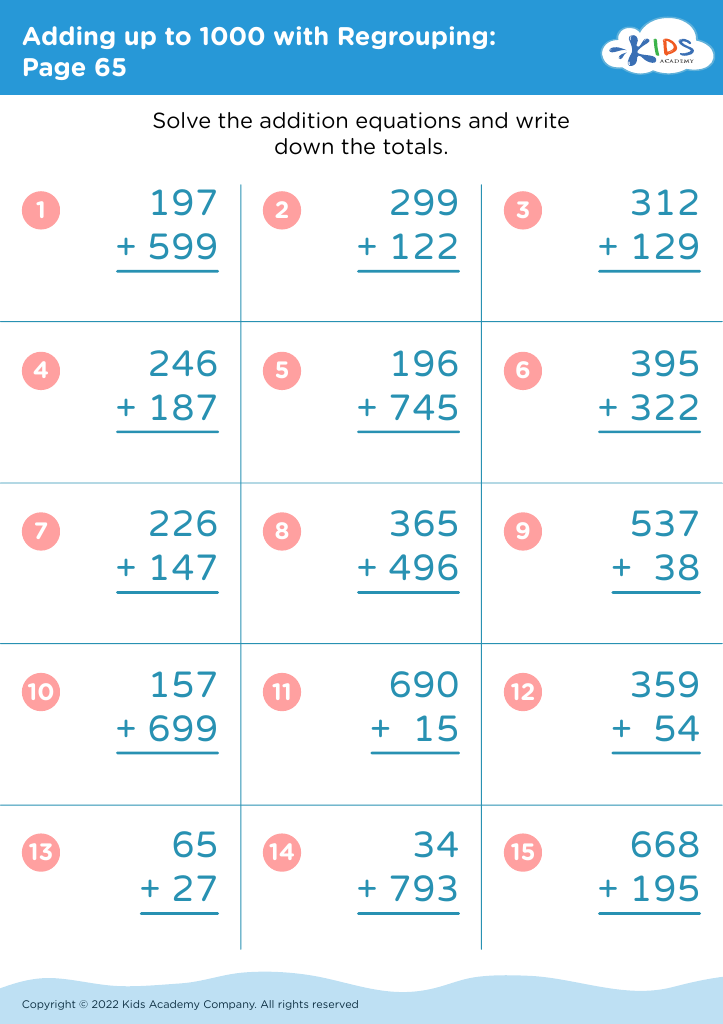
Adding up to 1000 with Regrouping: Page 65
Worksheet
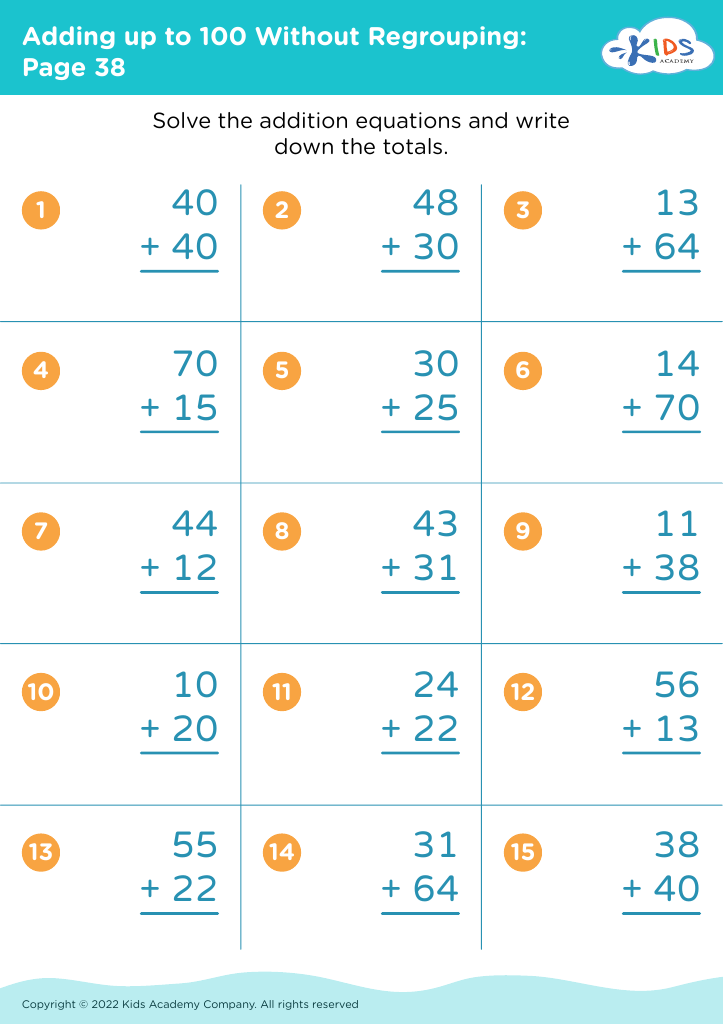
Adding up to 100 Without Regrouping: Page 38
Worksheet
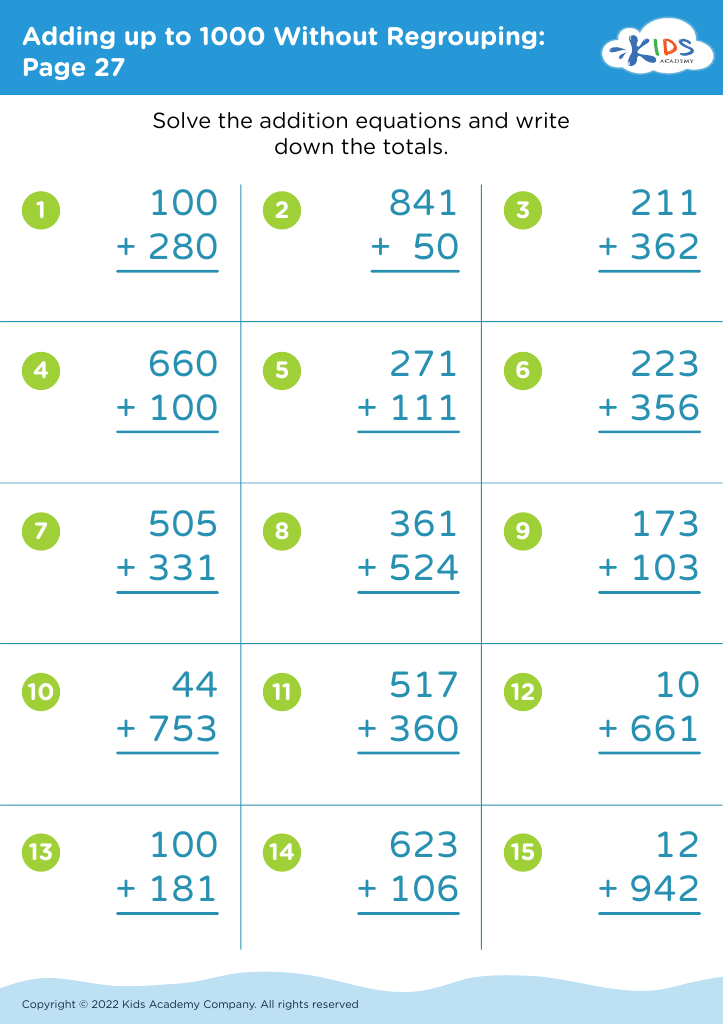
Adding up to 1000 Without Regrouping: Page 27
Worksheet
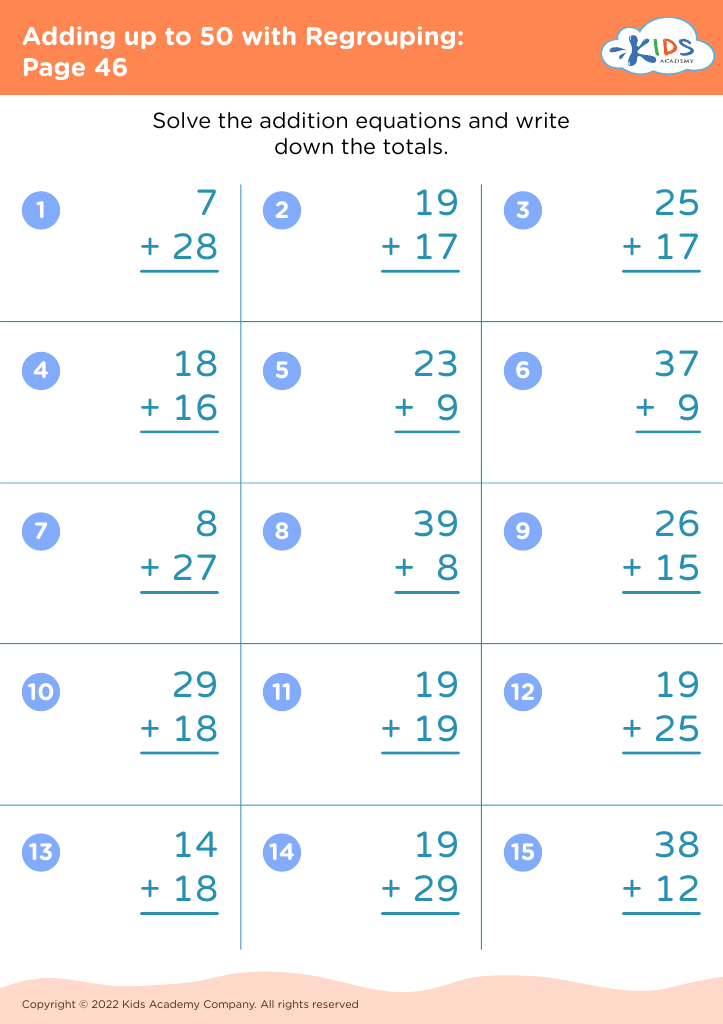
Adding up to 50 with Regrouping: Page 46
Worksheet
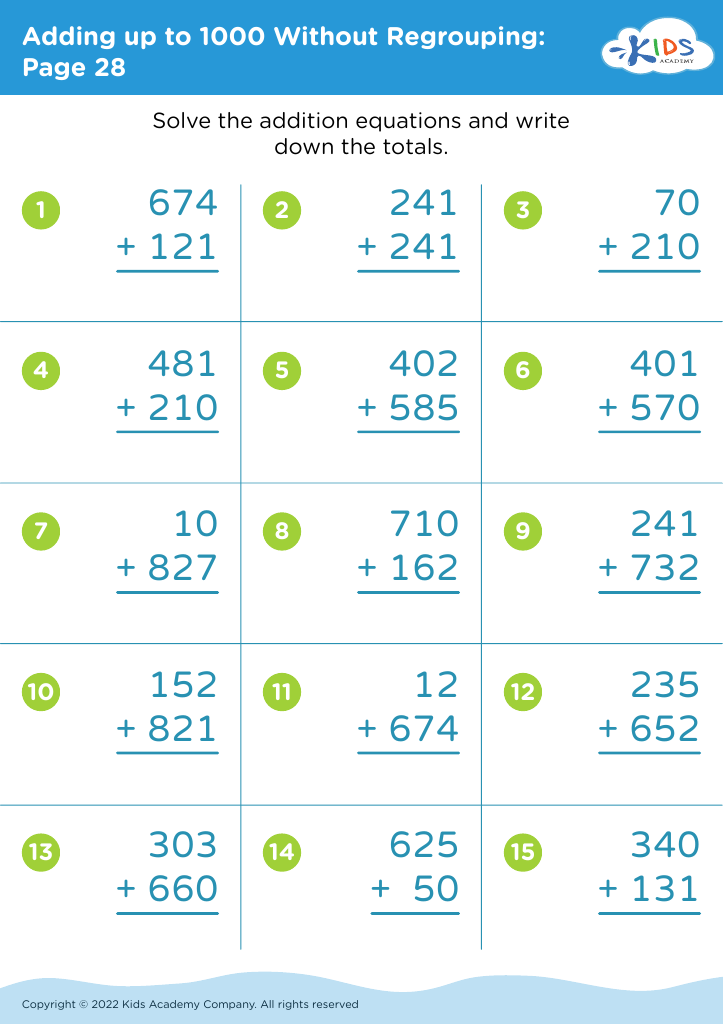
Adding up to 1000 Without Regrouping: Page 28
Worksheet
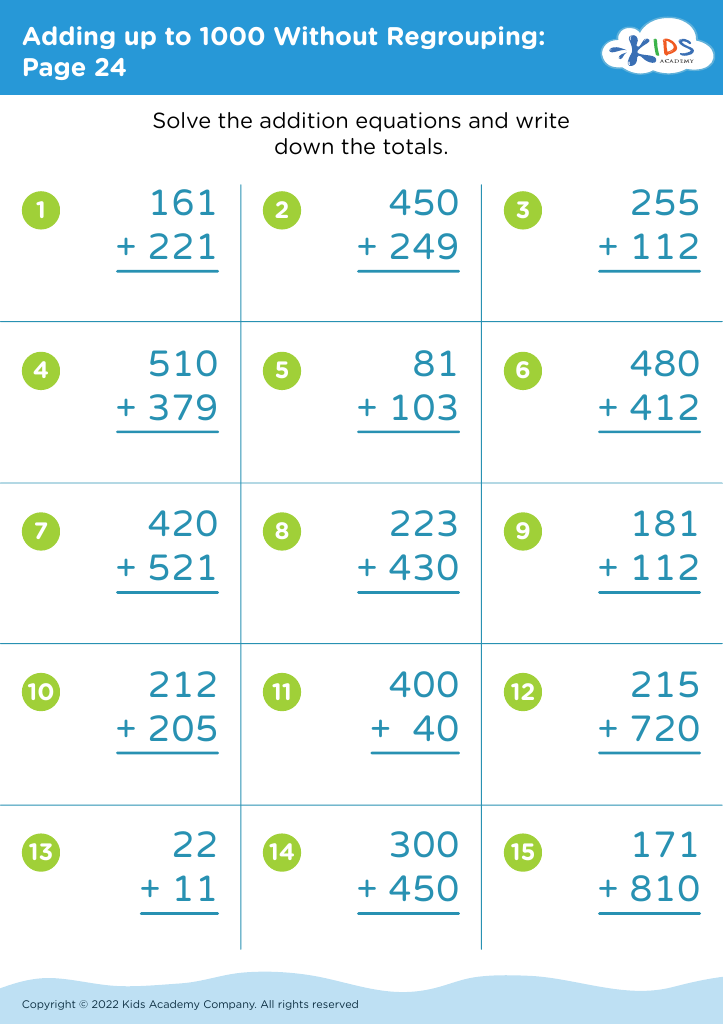
Adding up to 1000 Without Regrouping: Page 24
Worksheet
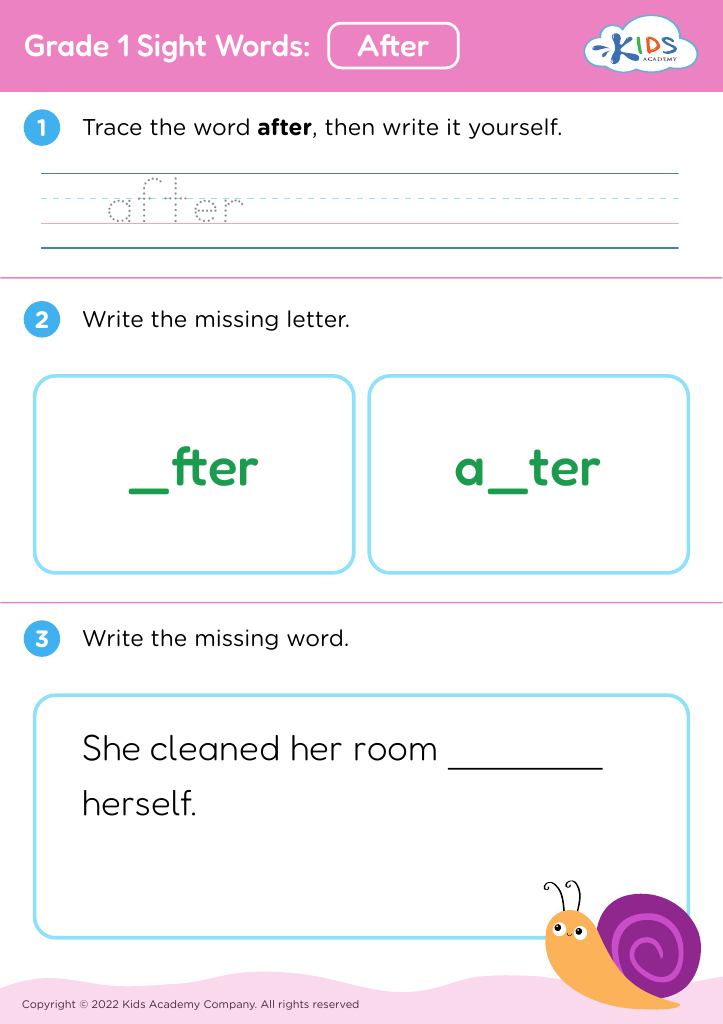
Grade 1 Sight Words: After

Grade 1 Sight Words: After

Grade 1 Sight Words: After
Worksheet
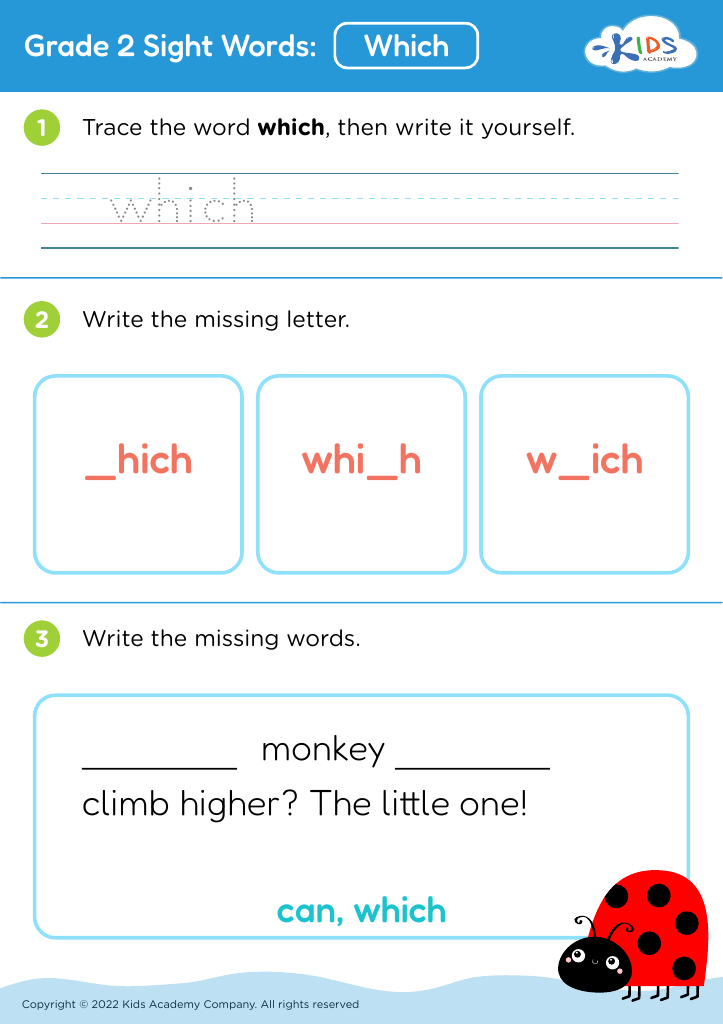
Grade 2 Sight Words: Which

Grade 2 Sight Words: Which

Grade 2 Sight Words: Which
Worksheet
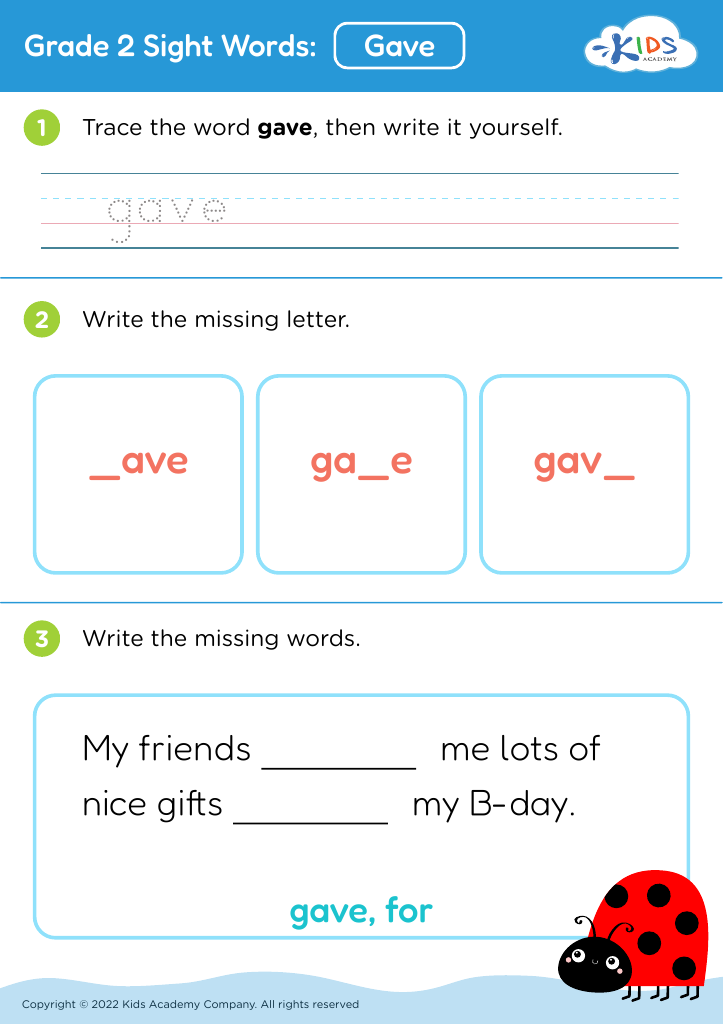
Grade 2 Sight Words: Gave

Grade 2 Sight Words: Gave

Grade 2 Sight Words: Gave
Worksheet
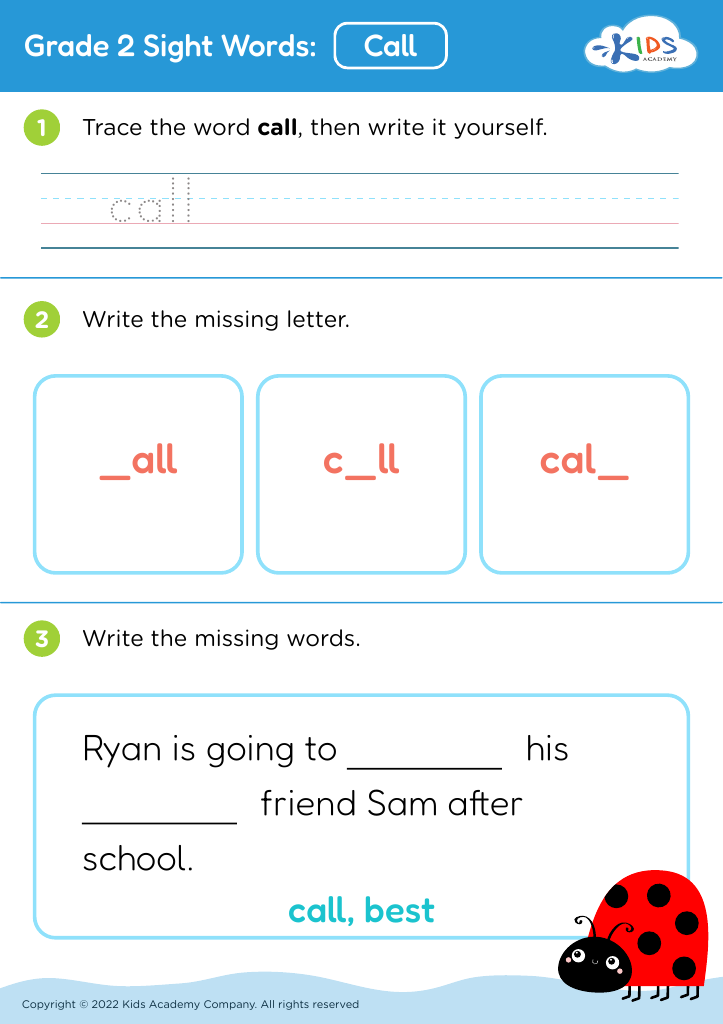
Grade 2 Sight Words: Call

Grade 2 Sight Words: Call

Grade 2 Sight Words: Call
Worksheet


Simplifying fractions is an essential mathematical concept that supports a child's overall understanding of numbers and their relationships. For 7-year-olds, this skill lays the groundwork for more complex mathematical operations they will encounter later. When parents or teachers emphasize simplification, they help young learners grasp the idea of equivalence, which is fundamental in mathematics.

Understanding how to simplify fractions enhances problem-solving skills. Children learn to recognize patterns and relationships between numbers, fostering critical thinking as they figure out how to manipulate values. This practice also boosts confidence, as children feel a sense of achievement when they successfully simplify fractions.

Moreover, breaking fractions down makes them more relatable and manageable. When fractions are simplified, they can represent smaller, more comprehensible portions of a whole, reinforcing concepts of sharing and division in everyday contexts.

Ultimately, parents and teachers should care about this aspect of mathematics because it cultivates numeracy skills, fostering a positive attitude towards math. A strong foundation in simplifying fractions paves the way for future learning, enabling students to tackle more advanced math concepts with proficiency and ease. Encouraging these skills early on can spark a lifelong appreciation for mathematics.